
Parque Nacional Queulat
About Parque Nacional Queulat
Description
If you ever thought glaciers were just colossal blocks of ice sitting around waiting to be ogled, Parque Nacional Queulat will change your mind. This place isn’t just about frozen glaciers; it’s a dazzling mix of ice fields, snow-capped peaks, and ancient evergreen forests that feel untouched by time. You’re staring at landscapes that look ripped from a movie set but are totally real. Trust me, the park’s rugged charm sticks with you in a way that polished tourist traps just can’t compete with.
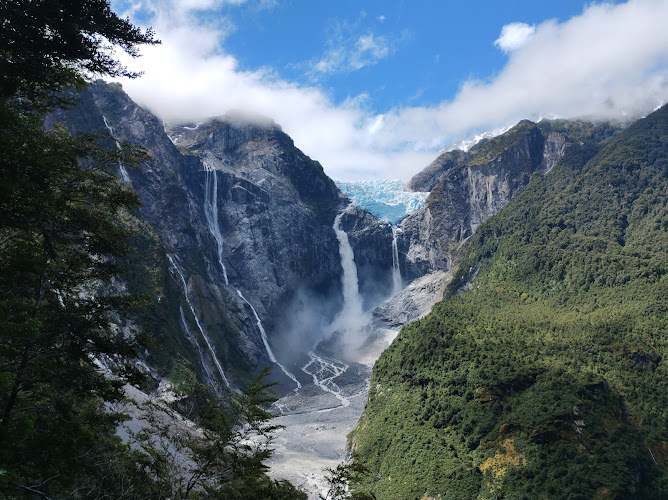
The park’s signature feature is the hanging Glacier Ventisquero Colgante, which drops from the mountains like a frozen waterfall clinging to the cliffs. It’s a wild combination of sheer natural power and haunting beauty – you’ll hear the distant cracking and tumbling of ice if you’re lucky, which is downright thrilling. The vibrant greenery of the temperate rainforest surrounding it creates a jaw-dropping visual contrast that’s hard to forget.
Queulat’s wild side doesn’t stop at the ice; the park teems with wildlife. It’s a sanctuary for native Chilean species like the pudú (the world’s smallest deer, and you’ll probably need eagle eyes to spot one), Andean condors sprawled over the skies like ancient lords, and diverse birdlife that fills the air with constant chatter. The forest paths lead you through pristine ecosystems, where moss-draped trees and rushing clear water dominate the soundtrack of your adventure.
What’s genuinely refreshing about Queulat is how it balances wildness and accessibility. It’s rugged, sure, but there’s no need to be a hardcore mountaineer to appreciate its wonders. Trails range from gentle strolls that even kids can handle, to more serious hikes for those wanting to chase panoramic views and perhaps a bit of solitude. It’s the kind of place you can bring the whole family and not feel like you’re dragging them into a wilderness survival test.
My own trip there felt like stepping inside a living postcard. One moment, you’re wandering through damp, shadowy woods; the next, you’re gazing up at a giant glacier hanging as if hesitant to drop into the valley below. It’s rare to find a spot that packs so much raw, natural spectacle and peaceful silence in equal measure. Honestly, it’s a gem for anyone who loves nature that doesn’t feel overly curated or commercialized.
Key Features
- Hanging Glacier Ventisquero Colgante – the star of the park, a frozen marvel clinging to steep cliffs.
- Ancient temperate evergreen forests – dense, mossy, and teeming with biodiversity that feels prehistoric.
- Rich wildlife – home to elusive pudús, soaring Andean condors, and a cornucopia of bird species.
- Kid-friendly hiking trails – gentle paths suitable for little explorers, with chances to witness wildlife.
- Stunning viewpoints – rewarding panoramas that capture glacier fields and surrounding mountains.
- Public restrooms and basic amenities – comfortable enough to keep your adventure enjoyable without hassles.
- Varied terrain – from wetlands and dense forest to crystal-clear rivers and icy summits.
- Opportunities for photography – perfect light and diverse scenery make it a dream location.
Best Time to Visit
Deciding when to visit Queulat is kinda like choosing the flavor of ice cream that suits your mood – but with glaciers and forests instead of vanilla and chocolate. The period from late spring to early autumn (November through March) tends to be your best bet if you want sunnier weather and mostly dry trails. Although keep in mind, the park’s infamous Pacific Northwest-style rain can surprise you any time of the year, bringing drizzles that soak you to the skin but also enhance the forest's mystical vibe.
Visiting in the summer months feels like the park’s showing off – longer daylight hours, blooming mountain flowers, and accessible hiking trails without the hassle of mud and snow. Winter’s not a total no-go, especially if you enjoy a bit of solitude and don’t mind bundling up; just be prepared for cold, wet, and slippery conditions that challenge even seasoned hikers.
Personally, I’d avoid the shoulder seasons around early spring and late fall if possible. That’s when upgraded trail maintenance dips, some routes get extra muddy, and the weather can be downright moody. However, if you’re chasing dramatic foggy moods and crave empty trails, that can be the time to visit. Just pack accordingly and check trail conditions.
How to Get There
Getting to Parque Nacional Queulat isn’t like hopping on a subway; you’ve gotta embrace the somewhat adventurous spirit of Patagonia. The park is located in the Aysén Region of Chile, which means it’s off the beaten path – and that's a big part of its charm.
Most travelers start from the small town of Puyuhuapi, which acts as your gateway to the park. You can reach Puyuhuapi by road from Coyhaique, the regional capital, which is about a 4 to 5-hour scenic drive. The route is a rollercoaster of dramatic fjords, winding mountain roads, and some unexpected patches of gravel that add a little spice to your journey. Renting a car’s often the most convenient option – public transport exists but tends to be infrequent and can eat up your valuable exploration time.
From Puyuhuapi, it’s a short drive or even a longer hike to the park’s various trailheads. Some parts of the park are accessible by boat tours through fjords, adding a whole new dimension to approaching the glaciers and dense forests (if you’re feeling fancy or just love water-based adventures).
Bottom line: getting there takes time and a bit of planning, but the reward is a landscape few people get to experience up close. Worth every bumpy mile, honestly.
Tips for Visiting
Okay, so you’re psyched and ready to get out there. Here are some nuggets I wish I’d been told before my trip:
- Dress in layers. The weather is unpredictable, shifting from blistering sun to cold drizzle in minutes. I learned this the hard way – nothing ruins a hike faster than a soggy shirt and chapped skin.
- Bring good waterproof hiking boots. Trails can be muddy and slippery, especially near the glacier areas. Trust me, your feet will thank you.
- Make time for slow walks. The beauty is in the details here – moss hanging off branches, tiny flowers blanketing the forest floor, birdsong that suddenly feels like the soundtrack to your wanderings. Don’t rush.
- Respect the wildlife. Spotting a pudú is like finding a needle in a haystack. Keep your distance and patience; you might just be lucky enough to glimpse one.
- Bring snacks and water. Amenities exist but can be sparse once you’re deep into the park.
- Use public restrooms at park entrances. Important, because facilities once you’re on the trails are, well, non-existent.
- Consider a guided hike. If you want insider info on the flora, fauna, and the park’s geology, local guides add so much depth. Plus, they often know secret spots.
- Start your hikes early. Gives you the best chance to avoid crowds (yes, it can get busy in the peak season) and enjoy the fresh, crisp morning air.
- Trust your instincts when it comes to weather. If it gets too messy, it’s okay to turn back or take shelter. Safety first.
Queulat National Park is the kind of place you’ll probably carry in your heart long after you leave. It’s raw, it’s wild, and it’s generous with its rewards if you’re willing to step a little off the beaten path and embrace the unpredictable. Pack your sense of wonder and maybe an extra pair of socks, and you’re set.
Key Features
- Hanging Glacier Ventisquero Colgante – the star of the park, a frozen marvel clinging to steep cliffs.
- Ancient temperate evergreen forests – dense, mossy, and teeming with biodiversity that feels prehistoric.
- Rich wildlife – home to elusive pudús, soaring Andean condors, and a cornucopia of bird species.
- Kid-friendly hiking trails – gentle paths suitable for little explorers, with chances to witness wildlife.
- Stunning viewpoints – rewarding panoramas that capture glacier fields and surrounding mountains.
- Public restrooms and basic amenities – comfortable enough to keep your adventure enjoyable without hassles.
- Varied terrain – from wetlands and dense forest to crystal-clear rivers and icy summits.
- Opportunities for photography – perfect light and diverse scenery make it a dream location.
More Details
Updated June 5, 2025
Table of Contents
Description
If you ever thought glaciers were just colossal blocks of ice sitting around waiting to be ogled, Parque Nacional Queulat will change your mind. This place isn’t just about frozen glaciers; it’s a dazzling mix of ice fields, snow-capped peaks, and ancient evergreen forests that feel untouched by time. You’re staring at landscapes that look ripped from a movie set but are totally real. Trust me, the park’s rugged charm sticks with you in a way that polished tourist traps just can’t compete with.
The park’s signature feature is the hanging Glacier Ventisquero Colgante, which drops from the mountains like a frozen waterfall clinging to the cliffs. It’s a wild combination of sheer natural power and haunting beauty – you’ll hear the distant cracking and tumbling of ice if you’re lucky, which is downright thrilling. The vibrant greenery of the temperate rainforest surrounding it creates a jaw-dropping visual contrast that’s hard to forget.
Queulat’s wild side doesn’t stop at the ice; the park teems with wildlife. It’s a sanctuary for native Chilean species like the pudú (the world’s smallest deer, and you’ll probably need eagle eyes to spot one), Andean condors sprawled over the skies like ancient lords, and diverse birdlife that fills the air with constant chatter. The forest paths lead you through pristine ecosystems, where moss-draped trees and rushing clear water dominate the soundtrack of your adventure.
What’s genuinely refreshing about Queulat is how it balances wildness and accessibility. It’s rugged, sure, but there’s no need to be a hardcore mountaineer to appreciate its wonders. Trails range from gentle strolls that even kids can handle, to more serious hikes for those wanting to chase panoramic views and perhaps a bit of solitude. It’s the kind of place you can bring the whole family and not feel like you’re dragging them into a wilderness survival test.
My own trip there felt like stepping inside a living postcard. One moment, you’re wandering through damp, shadowy woods; the next, you’re gazing up at a giant glacier hanging as if hesitant to drop into the valley below. It’s rare to find a spot that packs so much raw, natural spectacle and peaceful silence in equal measure. Honestly, it’s a gem for anyone who loves nature that doesn’t feel overly curated or commercialized.
Key Features
- Hanging Glacier Ventisquero Colgante – the star of the park, a frozen marvel clinging to steep cliffs.
- Ancient temperate evergreen forests – dense, mossy, and teeming with biodiversity that feels prehistoric.
- Rich wildlife – home to elusive pudús, soaring Andean condors, and a cornucopia of bird species.
- Kid-friendly hiking trails – gentle paths suitable for little explorers, with chances to witness wildlife.
- Stunning viewpoints – rewarding panoramas that capture glacier fields and surrounding mountains.
- Public restrooms and basic amenities – comfortable enough to keep your adventure enjoyable without hassles.
- Varied terrain – from wetlands and dense forest to crystal-clear rivers and icy summits.
- Opportunities for photography – perfect light and diverse scenery make it a dream location.
Best Time to Visit
Deciding when to visit Queulat is kinda like choosing the flavor of ice cream that suits your mood – but with glaciers and forests instead of vanilla and chocolate. The period from late spring to early autumn (November through March) tends to be your best bet if you want sunnier weather and mostly dry trails. Although keep in mind, the park’s infamous Pacific Northwest-style rain can surprise you any time of the year, bringing drizzles that soak you to the skin but also enhance the forest’s mystical vibe.
Visiting in the summer months feels like the park’s showing off – longer daylight hours, blooming mountain flowers, and accessible hiking trails without the hassle of mud and snow. Winter’s not a total no-go, especially if you enjoy a bit of solitude and don’t mind bundling up; just be prepared for cold, wet, and slippery conditions that challenge even seasoned hikers.
Personally, I’d avoid the shoulder seasons around early spring and late fall if possible. That’s when upgraded trail maintenance dips, some routes get extra muddy, and the weather can be downright moody. However, if you’re chasing dramatic foggy moods and crave empty trails, that can be the time to visit. Just pack accordingly and check trail conditions.
How to Get There
Getting to Parque Nacional Queulat isn’t like hopping on a subway; you’ve gotta embrace the somewhat adventurous spirit of Patagonia. The park is located in the Aysén Region of Chile, which means it’s off the beaten path – and that’s a big part of its charm.
Most travelers start from the small town of Puyuhuapi, which acts as your gateway to the park. You can reach Puyuhuapi by road from Coyhaique, the regional capital, which is about a 4 to 5-hour scenic drive. The route is a rollercoaster of dramatic fjords, winding mountain roads, and some unexpected patches of gravel that add a little spice to your journey. Renting a car’s often the most convenient option – public transport exists but tends to be infrequent and can eat up your valuable exploration time.
From Puyuhuapi, it’s a short drive or even a longer hike to the park’s various trailheads. Some parts of the park are accessible by boat tours through fjords, adding a whole new dimension to approaching the glaciers and dense forests (if you’re feeling fancy or just love water-based adventures).
Bottom line: getting there takes time and a bit of planning, but the reward is a landscape few people get to experience up close. Worth every bumpy mile, honestly.
Tips for Visiting
Okay, so you’re psyched and ready to get out there. Here are some nuggets I wish I’d been told before my trip:
- Dress in layers. The weather is unpredictable, shifting from blistering sun to cold drizzle in minutes. I learned this the hard way – nothing ruins a hike faster than a soggy shirt and chapped skin.
- Bring good waterproof hiking boots. Trails can be muddy and slippery, especially near the glacier areas. Trust me, your feet will thank you.
- Make time for slow walks. The beauty is in the details here – moss hanging off branches, tiny flowers blanketing the forest floor, birdsong that suddenly feels like the soundtrack to your wanderings. Don’t rush.
- Respect the wildlife. Spotting a pudú is like finding a needle in a haystack. Keep your distance and patience; you might just be lucky enough to glimpse one.
- Bring snacks and water. Amenities exist but can be sparse once you’re deep into the park.
- Use public restrooms at park entrances. Important, because facilities once you’re on the trails are, well, non-existent.
- Consider a guided hike. If you want insider info on the flora, fauna, and the park’s geology, local guides add so much depth. Plus, they often know secret spots.
- Start your hikes early. Gives you the best chance to avoid crowds (yes, it can get busy in the peak season) and enjoy the fresh, crisp morning air.
- Trust your instincts when it comes to weather. If it gets too messy, it’s okay to turn back or take shelter. Safety first.
Queulat National Park is the kind of place you’ll probably carry in your heart long after you leave. It’s raw, it’s wild, and it’s generous with its rewards if you’re willing to step a little off the beaten path and embrace the unpredictable. Pack your sense of wonder and maybe an extra pair of socks, and you’re set.
Key Highlights
- Hanging Glacier Ventisquero Colgante – the star of the park, a frozen marvel clinging to steep cliffs.
- Ancient temperate evergreen forests – dense, mossy, and teeming with biodiversity that feels prehistoric.
- Rich wildlife – home to elusive pudús, soaring Andean condors, and a cornucopia of bird species.
- Kid-friendly hiking trails – gentle paths suitable for little explorers, with chances to witness wildlife.
- Stunning viewpoints – rewarding panoramas that capture glacier fields and surrounding mountains.
- Public restrooms and basic amenities – comfortable enough to keep your adventure enjoyable without hassles.
- Varied terrain – from wetlands and dense forest to crystal-clear rivers and icy summits.
- Opportunities for photography – perfect light and diverse scenery make it a dream location.
Location
Places to Stay Near Parque Nacional Queulat
Find and Book a Tour
Explore More Travel Guides
No reviews found! Be the first to review!
Traveler Reviews for Parque Nacional Queulat
There are no reviews yet. Be the first one to write one.
Have you visited Parque Nacional Queulat? Help other travelers by sharing your review.
You Might Also Like
Reserva Nacional Villarrica
Villarrica Lake
Reserva Nacional Cerro Castillo
Find Accommodations Nearby
Recommended Tours & Activities
Visitor Reviews
There are no reviews yet. Be the first one to write one.
Share Your Experience
Have you visited Parque Nacional Queulat? Help other travelers by leaving a review.