
Parque Nacional Alerce Andino
About Parque Nacional Alerce Andino
Description
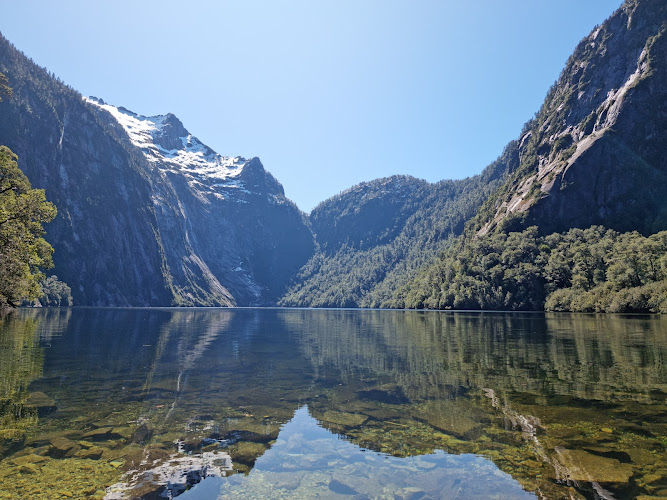
Parque Nacional Alerce Andino is one of those places that makes you feel small in the best possible way. The park covers a sprawling 393 square kilometers in Chile’s Los Lagos Region, where the Andes tumble toward the sea and the Reloncaví Estuary wraps around its edges. It’s a land where water is everywhere—streams cutting through mossy forests, mirror-like lagoons tucked between ridges, and the occasional waterfall that catches the sunlight just right. The real stars here are the ancient alerce trees, some over 3,000 years old. Standing beneath one feels a bit like shaking hands with history.
Visitors tend to come here for the hiking, and it’s true—there are trails for all kinds of walkers, from families with kids to seasoned trekkers looking for a challenge. But it’s not just about the trails. You might spot a condor riding the thermals, hear the rustle of pudú deer in the underbrush, or catch sight of a fox darting across the path. The park isn’t without its quirks—some facilities feel a little rustic, and the weather can turn on you in a heartbeat—but that’s part of its raw charm. It’s not a manicured garden; it’s a living, breathing slice of Patagonia.
On my first visit, I underestimated the park’s scale and thought I could “see it all” in one day. Big mistake. By the time I reached Lago Sargazo, the light was fading, and I had to turn back. That moment taught me that this is a place to slow down, not rush through. If you give it time, the park rewards you with moments you’ll carry long after you leave.
Key Features
- Home to millennia-old alerce trees, some over 3,000 years old
- 393 km² of protected forest, rivers, lagoons, and mountains
- Variety of hiking trails, from short family-friendly walks to demanding treks
- Wildlife sightings including condors, pudú deer, and foxes
- Bounded by the Reloncaví Estuary, offering unique coastal-Andean landscapes
- Picnic areas and basic facilities like public restrooms
- Kid-friendly hikes and nature experiences
Best Time to Visit
If you’re after clear skies and easier trail conditions, the summer months from December to March are your best bet. Days are longer, and the weather is generally more forgiving, though you should still pack a rain jacket because, well, this is southern Chile. Autumn (April and May) paints the park in deep reds and golds, and the crowds thin out, making it feel more intimate. Winter brings snow to the higher elevations and a certain stillness that’s magical if you can handle the cold. Spring is a quieter time too, with wildflowers starting to pop up and the rivers running full from snowmelt.
Personally, I love visiting in late summer when the trails are dry but the air still has that cool, crisp edge in the mornings. It’s the kind of weather that makes you want to linger at viewpoints just a little longer.
How to Get There
The park sits about 50 kilometers southeast of Puerto Montt, and most travelers start their journey there. From the city, you can drive along Route V-65 toward Lenca and then follow signs to the park entrance. The road is mostly paved, but the last stretch can be rough, so a vehicle with decent clearance is a good idea. Public transport options are limited—you might find a local bus to Lenca, but from there, you’ll need a taxi or hitchhike to reach the gates. Some tour operators in Puerto Montt and Puerto Varas offer day trips, which can be a good option if you don’t want to deal with logistics.
One thing to note: mobile signal fades quickly once you leave the main roads, so download your maps ahead of time. I learned this the hard way and ended up taking a scenic (but very wrong) detour through a fishing village.
Tips for Visiting
First off, give yourself more time than you think you’ll need. The park is bigger and more varied than it looks on a map. Wear sturdy boots—trails can get muddy even in summer—and bring layers because the weather changes fast. If you’re planning to picnic, there are tables scattered near trailheads, but bring your own food and pack out all trash. The park’s facilities are basic, so don’t expect fancy cafés or souvenir shops.
For families, the shorter hikes to Laguna Sargazo or Laguna Chaiquenes are perfect. They’re not too strenuous, but they still give you that “wow” moment when you reach the water. Wildlife is more active in the early morning or late afternoon, so plan your hikes accordingly if spotting animals is high on your list. And one last thing—respect the alerce trees. They’ve been here for thousands of years, and a careless step off the trail can damage their fragile roots.
Above all, treat this place like the treasure it is. The park has a way of getting under your skin, and if you let it, it’ll leave you with the kind of memories that make you want to come back again and again.
Key Features
- Home to millennia-old alerce trees, some over 3,000 years old
- 393 km² of protected forest, rivers, lagoons, and mountains
- Variety of hiking trails, from short family-friendly walks to demanding treks
- Wildlife sightings including condors, pudú deer, and foxes
- Bounded by the Reloncaví Estuary, offering unique coastal-Andean landscapes
- Picnic areas and basic facilities like public restrooms
- Kid-friendly hikes and nature experiences
More Details
Updated August 10, 2025
Table of Contents
Description
Parque Nacional Alerce Andino is one of those places that makes you feel small in the best possible way. The park covers a sprawling 393 square kilometers in Chile’s Los Lagos Region, where the Andes tumble toward the sea and the Reloncaví Estuary wraps around its edges. It’s a land where water is everywhere—streams cutting through mossy forests, mirror-like lagoons tucked between ridges, and the occasional waterfall that catches the sunlight just right. The real stars here are the ancient alerce trees, some over 3,000 years old. Standing beneath one feels a bit like shaking hands with history.
Visitors tend to come here for the hiking, and it’s true—there are trails for all kinds of walkers, from families with kids to seasoned trekkers looking for a challenge. But it’s not just about the trails. You might spot a condor riding the thermals, hear the rustle of pudú deer in the underbrush, or catch sight of a fox darting across the path. The park isn’t without its quirks—some facilities feel a little rustic, and the weather can turn on you in a heartbeat—but that’s part of its raw charm. It’s not a manicured garden; it’s a living, breathing slice of Patagonia.
On my first visit, I underestimated the park’s scale and thought I could “see it all” in one day. Big mistake. By the time I reached Lago Sargazo, the light was fading, and I had to turn back. That moment taught me that this is a place to slow down, not rush through. If you give it time, the park rewards you with moments you’ll carry long after you leave.
Key Features
- Home to millennia-old alerce trees, some over 3,000 years old
- 393 km² of protected forest, rivers, lagoons, and mountains
- Variety of hiking trails, from short family-friendly walks to demanding treks
- Wildlife sightings including condors, pudú deer, and foxes
- Bounded by the Reloncaví Estuary, offering unique coastal-Andean landscapes
- Picnic areas and basic facilities like public restrooms
- Kid-friendly hikes and nature experiences
Best Time to Visit
If you’re after clear skies and easier trail conditions, the summer months from December to March are your best bet. Days are longer, and the weather is generally more forgiving, though you should still pack a rain jacket because, well, this is southern Chile. Autumn (April and May) paints the park in deep reds and golds, and the crowds thin out, making it feel more intimate. Winter brings snow to the higher elevations and a certain stillness that’s magical if you can handle the cold. Spring is a quieter time too, with wildflowers starting to pop up and the rivers running full from snowmelt.
Personally, I love visiting in late summer when the trails are dry but the air still has that cool, crisp edge in the mornings. It’s the kind of weather that makes you want to linger at viewpoints just a little longer.
How to Get There
The park sits about 50 kilometers southeast of Puerto Montt, and most travelers start their journey there. From the city, you can drive along Route V-65 toward Lenca and then follow signs to the park entrance. The road is mostly paved, but the last stretch can be rough, so a vehicle with decent clearance is a good idea. Public transport options are limited—you might find a local bus to Lenca, but from there, you’ll need a taxi or hitchhike to reach the gates. Some tour operators in Puerto Montt and Puerto Varas offer day trips, which can be a good option if you don’t want to deal with logistics.
One thing to note: mobile signal fades quickly once you leave the main roads, so download your maps ahead of time. I learned this the hard way and ended up taking a scenic (but very wrong) detour through a fishing village.
Tips for Visiting
First off, give yourself more time than you think you’ll need. The park is bigger and more varied than it looks on a map. Wear sturdy boots—trails can get muddy even in summer—and bring layers because the weather changes fast. If you’re planning to picnic, there are tables scattered near trailheads, but bring your own food and pack out all trash. The park’s facilities are basic, so don’t expect fancy cafés or souvenir shops.
For families, the shorter hikes to Laguna Sargazo or Laguna Chaiquenes are perfect. They’re not too strenuous, but they still give you that “wow” moment when you reach the water. Wildlife is more active in the early morning or late afternoon, so plan your hikes accordingly if spotting animals is high on your list. And one last thing—respect the alerce trees. They’ve been here for thousands of years, and a careless step off the trail can damage their fragile roots.
Above all, treat this place like the treasure it is. The park has a way of getting under your skin, and if you let it, it’ll leave you with the kind of memories that make you want to come back again and again.
Key Highlights
- Home to millennia-old alerce trees, some over 3,000 years old
- 393 km² of protected forest, rivers, lagoons, and mountains
- Variety of hiking trails, from short family-friendly walks to demanding treks
- Wildlife sightings including condors, pudú deer, and foxes
- Bounded by the Reloncaví Estuary, offering unique coastal-Andean landscapes
- Picnic areas and basic facilities like public restrooms
- Kid-friendly hikes and nature experiences
Location
Places to Stay Near Parque Nacional Alerce Andino
Find and Book a Tour
Explore More Travel Guides
No reviews found! Be the first to review!
Traveler Reviews for Parque Nacional Alerce Andino
There are no reviews yet. Be the first one to write one.
Have you visited Parque Nacional Alerce Andino? Help other travelers by sharing your review.
You Might Also Like
Parque Nacional Nonguén
Reserva Nacional Villarrica

Reserva Nacional Río Simpson
Find Accommodations Nearby
Recommended Tours & Activities
Visitor Reviews
There are no reviews yet. Be the first one to write one.
Share Your Experience
Have you visited Parque Nacional Alerce Andino? Help other travelers by leaving a review.