

Parque Arqueológico Tazumal
About Parque Arqueológico Tazumal
Description
Parque Arqueológico Tazumal is one of those places that quietly takes your breath away—not because it’s flashy or overly commercialized, but because it feels genuinely ancient. Located in the heart of Chalchuapa in western El Salvador, this archaeological park holds the remains of a once-thriving pre-Columbian city that dates back more than a thousand years. It’s a place where you can literally walk through history, with the stones beneath your feet whispering stories of the Maya and later the Toltec influences that shaped this region.
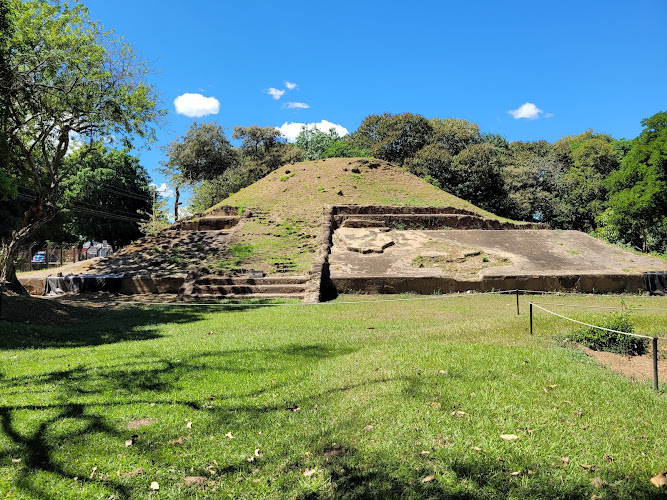
The site itself is part of a larger archaeological zone that includes other nearby ruins like Casa Blanca and El Trapiche, but Tazumal stands out for its impressive pyramid structures and well-preserved ceremonial platforms. When you first step into the park, you can’t help but feel a sense of awe. The main pyramid looms above the green lawns, its weathered stones stacked in perfect symmetry—a silent reminder of the architectural genius of its builders. I remember the first time I saw it, I actually stopped mid-step. It’s not massive like Chichen Itza, but it has this humble grandeur that feels deeply personal, almost spiritual.
Inside the small museum on-site, you’ll find artifacts that tell the story of the people who once lived here—pottery, obsidian tools, jade ornaments, and even burial relics. Each piece gives a glimpse into daily life, trade, and rituals that defined the ancient city. The museum is modest but thoughtfully curated, and what I love most is that it feels authentic, not overly polished. You can sense the care that went into preserving these fragments of the past.
While most visitors rave about the architecture and history, others appreciate the peaceful atmosphere. It’s not uncommon to see families strolling through the grounds, kids running around the grassy areas, and travelers quietly taking photos or just sitting in the shade. Sure, there are occasional critiques about the limited signage or the small size of the museum, but honestly, that’s part of the charm—it’s not trying to be a theme park. It’s a real archaeological site, still grounded in its roots.
Key Features
- Ancient Mayan Pyramid: The main structure, rising over 20 meters high, is believed to have served as both a temple and a burial site for elite rulers.
- On-Site Museum: Displays pre-Columbian artifacts, including ceramics, tools, and ornaments that help reconstruct the story of Chalchuapa’s ancient inhabitants.
- Ball Court: A fascinating remnant of the traditional Mesoamerican ball game, offering insight into the region’s cultural and religious practices.
- Archaeological Preservation: Ongoing excavations and restoration work keep the site alive for researchers and visitors alike.
- Accessibility: The park features wheelchair-accessible entrances and restrooms, making it inclusive for all travelers.
- Family-Friendly Environment: The open spaces and educational exhibits make it a great stop for families traveling with children.
- Peaceful Ambience: Unlike busier ruins in neighboring countries, Tazumal offers a serene experience where you can explore without crowds.
Best Time to Visit
Honestly, there’s no bad time to visit Tazumal, but if you’re aiming for the most comfortable experience, the dry season from November to April is ideal. The weather is warm but not unbearably hot, and the skies are usually clear—perfect for photography. I went once in late December, and the light was just magical, especially in the late afternoon when the sun dipped low and cast long shadows across the pyramid steps.
During the rainy season (May to October), the surrounding greenery becomes lush and vibrant, which makes the site look even more alive. The downside? Occasional downpours can turn the paths muddy, but if you don’t mind a bit of adventure, the rain adds a certain mystical quality to the visit. Just bring a poncho or umbrella, and you’ll be fine. Weekdays are generally quieter, while weekends attract more local families and school groups. If you prefer solitude, go early in the morning—you might even have the place almost to yourself.
How to Get There
Getting to Tazumal is relatively straightforward. Chalchuapa is about an hour and a half drive from San Salvador, depending on traffic. You can rent a car, which gives you the freedom to explore nearby attractions, or hop on a bus heading toward Santa Ana and then take a local connection to Chalchuapa. The roads are generally in good condition, and the route offers a glimpse of rural El Salvador—rolling hills, small towns, and roadside fruit vendors selling fresh mangoes and coconuts.
If you’re staying in Santa Ana, it’s even easier. A short 20-minute drive will get you there, and taxis or rideshare options are available. Some tour companies also offer day trips that include Tazumal, Casa Blanca, and other nearby sites, which is convenient if you prefer a guided experience. Personally, I’d recommend going on your own if you can. There’s something special about wandering the ruins at your own pace, stopping whenever curiosity strikes, without being rushed by a group schedule.
Tips for Visiting
Here’s the thing about Tazumal—while it’s not a massive site, it rewards those who take their time. So don’t just snap a few photos and leave. Walk around, sit on a bench, and imagine what life was like here centuries ago. The energy of the place is subtle but powerful.
- Bring water and sunscreen: The sun can be intense, and there’s limited shade around the ruins.
- Wear comfortable shoes: Some areas have uneven terrain, especially around the pyramid steps.
- Visit the museum first: It provides context that makes exploring the ruins more meaningful.
- Hire a local guide: If you’re into history, a guide can share stories and details that aren’t on the signs.
- Go early: Morning light is perfect for photos, and you’ll avoid the midday heat.
- Respect the site: This is a sacred place for many locals, so avoid climbing on restricted structures.
- Stay nearby: Chalchuapa has small guesthouses and local eateries where you can experience authentic Salvadoran hospitality.
One thing I learned from my visit: don’t rush the experience. At first glance, you might think you’ve seen everything in 20 minutes, but the longer you stay, the more you notice—the intricate stonework, the way the wind moves through the trees, the faint hum of distant traffic blending with birdsong. It’s a reminder that history isn’t just about grand monuments; it’s about the quiet persistence of memory.
For travelers who love archaeology, culture, and a bit of mystery, Parque Arqueológico Tazumal is a must-see. It’s small but mighty, humble yet profound. And the best part? It’s still a bit under the radar, so you get to experience it without the crowds that often swarm other famous ruins. Whether you’re a history buff, a photographer, or just someone who enjoys meaningful travel experiences, Tazumal offers something that sticks with you long after you’ve left—an echo of the ancient world that somehow still feels alive today.
Key Features
- Key Features
- Best Time to Visit
- How to Get There
- Tips for Visiting
More Details
Updated November 9, 2025
Table of Contents
Description
Parque Arqueológico Tazumal is one of those places that quietly takes your breath away—not because it’s flashy or overly commercialized, but because it feels genuinely ancient. Located in the heart of Chalchuapa in western El Salvador, this archaeological park holds the remains of a once-thriving pre-Columbian city that dates back more than a thousand years. It’s a place where you can literally walk through history, with the stones beneath your feet whispering stories of the Maya and later the Toltec influences that shaped this region.
The site itself is part of a larger archaeological zone that includes other nearby ruins like Casa Blanca and El Trapiche, but Tazumal stands out for its impressive pyramid structures and well-preserved ceremonial platforms. When you first step into the park, you can’t help but feel a sense of awe. The main pyramid looms above the green lawns, its weathered stones stacked in perfect symmetry—a silent reminder of the architectural genius of its builders. I remember the first time I saw it, I actually stopped mid-step. It’s not massive like Chichen Itza, but it has this humble grandeur that feels deeply personal, almost spiritual.
Inside the small museum on-site, you’ll find artifacts that tell the story of the people who once lived here—pottery, obsidian tools, jade ornaments, and even burial relics. Each piece gives a glimpse into daily life, trade, and rituals that defined the ancient city. The museum is modest but thoughtfully curated, and what I love most is that it feels authentic, not overly polished. You can sense the care that went into preserving these fragments of the past.
While most visitors rave about the architecture and history, others appreciate the peaceful atmosphere. It’s not uncommon to see families strolling through the grounds, kids running around the grassy areas, and travelers quietly taking photos or just sitting in the shade. Sure, there are occasional critiques about the limited signage or the small size of the museum, but honestly, that’s part of the charm—it’s not trying to be a theme park. It’s a real archaeological site, still grounded in its roots.
Key Features
- Ancient Mayan Pyramid: The main structure, rising over 20 meters high, is believed to have served as both a temple and a burial site for elite rulers.
- On-Site Museum: Displays pre-Columbian artifacts, including ceramics, tools, and ornaments that help reconstruct the story of Chalchuapa’s ancient inhabitants.
- Ball Court: A fascinating remnant of the traditional Mesoamerican ball game, offering insight into the region’s cultural and religious practices.
- Archaeological Preservation: Ongoing excavations and restoration work keep the site alive for researchers and visitors alike.
- Accessibility: The park features wheelchair-accessible entrances and restrooms, making it inclusive for all travelers.
- Family-Friendly Environment: The open spaces and educational exhibits make it a great stop for families traveling with children.
- Peaceful Ambience: Unlike busier ruins in neighboring countries, Tazumal offers a serene experience where you can explore without crowds.
Best Time to Visit
Honestly, there’s no bad time to visit Tazumal, but if you’re aiming for the most comfortable experience, the dry season from November to April is ideal. The weather is warm but not unbearably hot, and the skies are usually clear—perfect for photography. I went once in late December, and the light was just magical, especially in the late afternoon when the sun dipped low and cast long shadows across the pyramid steps.
During the rainy season (May to October), the surrounding greenery becomes lush and vibrant, which makes the site look even more alive. The downside? Occasional downpours can turn the paths muddy, but if you don’t mind a bit of adventure, the rain adds a certain mystical quality to the visit. Just bring a poncho or umbrella, and you’ll be fine. Weekdays are generally quieter, while weekends attract more local families and school groups. If you prefer solitude, go early in the morning—you might even have the place almost to yourself.
How to Get There
Getting to Tazumal is relatively straightforward. Chalchuapa is about an hour and a half drive from San Salvador, depending on traffic. You can rent a car, which gives you the freedom to explore nearby attractions, or hop on a bus heading toward Santa Ana and then take a local connection to Chalchuapa. The roads are generally in good condition, and the route offers a glimpse of rural El Salvador—rolling hills, small towns, and roadside fruit vendors selling fresh mangoes and coconuts.
If you’re staying in Santa Ana, it’s even easier. A short 20-minute drive will get you there, and taxis or rideshare options are available. Some tour companies also offer day trips that include Tazumal, Casa Blanca, and other nearby sites, which is convenient if you prefer a guided experience. Personally, I’d recommend going on your own if you can. There’s something special about wandering the ruins at your own pace, stopping whenever curiosity strikes, without being rushed by a group schedule.
Tips for Visiting
Here’s the thing about Tazumal—while it’s not a massive site, it rewards those who take their time. So don’t just snap a few photos and leave. Walk around, sit on a bench, and imagine what life was like here centuries ago. The energy of the place is subtle but powerful.
- Bring water and sunscreen: The sun can be intense, and there’s limited shade around the ruins.
- Wear comfortable shoes: Some areas have uneven terrain, especially around the pyramid steps.
- Visit the museum first: It provides context that makes exploring the ruins more meaningful.
- Hire a local guide: If you’re into history, a guide can share stories and details that aren’t on the signs.
- Go early: Morning light is perfect for photos, and you’ll avoid the midday heat.
- Respect the site: This is a sacred place for many locals, so avoid climbing on restricted structures.
- Stay nearby: Chalchuapa has small guesthouses and local eateries where you can experience authentic Salvadoran hospitality.
One thing I learned from my visit: don’t rush the experience. At first glance, you might think you’ve seen everything in 20 minutes, but the longer you stay, the more you notice—the intricate stonework, the way the wind moves through the trees, the faint hum of distant traffic blending with birdsong. It’s a reminder that history isn’t just about grand monuments; it’s about the quiet persistence of memory.
For travelers who love archaeology, culture, and a bit of mystery, Parque Arqueológico Tazumal is a must-see. It’s small but mighty, humble yet profound. And the best part? It’s still a bit under the radar, so you get to experience it without the crowds that often swarm other famous ruins. Whether you’re a history buff, a photographer, or just someone who enjoys meaningful travel experiences, Tazumal offers something that sticks with you long after you’ve left—an echo of the ancient world that somehow still feels alive today.
Key Highlights
- Key Features
- Best Time to Visit
- How to Get There
- Tips for Visiting
Location
Places to Stay Near Parque Arqueológico Tazumal
Find and Book a Tour
Explore More Travel Guides
No reviews found! Be the first to review!
Traveler Reviews for Parque Arqueológico Tazumal
There are no reviews yet. Be the first one to write one.
Have you visited Parque Arqueológico Tazumal? Help other travelers by sharing your review.
You Might Also Like
Find Accommodations Nearby
Recommended Tours & Activities
Visitor Reviews
There are no reviews yet. Be the first one to write one.
Share Your Experience
Have you visited Parque Arqueológico Tazumal? Help other travelers by leaving a review.