

Pangyo Eco Center
About Pangyo Eco Center
Description
The Pangyo Eco Center is one of those places that quietly surprises travelers who stumble upon it. It’s technically a natural history museum, but it doesn’t feel like the kind of stiff, glass-case museum you might remember from school trips. Instead, it leans into interaction, education, and hands-on fun in a way that appeals to both kids and adults. The space blends ecological exhibits with a greenhouse-like atmosphere, so even on rainy days, you still feel connected to nature. That’s probably why families often use it as a go-to spot when the weather isn’t cooperating.
What makes it stand out is the balance it strikes. It’s educational without being boring, and it’s playful without losing its sense of purpose. Some visitors rave about the immersive displays and how the exhibits spark curiosity in children, while others might say it’s small compared to larger city museums. Honestly, that’s fair—it’s not a massive facility. But that’s also part of the charm. You can explore it in a couple of hours without feeling rushed or overwhelmed. And if you’ve got kids, that’s a blessing.
Accessibility is clearly a priority here. Wheelchair users will find accessible entrances, restrooms, and parking, which makes it easier for families traveling with elderly relatives or those with mobility needs. The amenities are basic—there are clean restrooms, but no on-site restaurant—so it’s smart to plan your meals before or after. Still, the simplicity works because it keeps the focus on the exhibits themselves.
Overall, the Pangyo Eco Center feels like a thoughtful, community-driven space. It’s not trying to be flashy or overly touristy. Instead, it fits seamlessly into the local rhythm of life, offering a genuine and educational experience that resonates with anyone curious about ecology and sustainability.
Key Features
- Interactive ecological exhibits designed for children and adults
- Indoor greenhouse-style environment, perfect for rainy or cold days
- Wheelchair accessible entrance, restrooms, and parking
- Educational programs and displays focused on sustainability
- Family-friendly atmosphere with exhibits that encourage hands-on learning
- Restroom facilities available, though no on-site restaurant
- Compact size, making it easy to explore in a short visit
Best Time to Visit
The best time to visit the Pangyo Eco Center depends on what you’re looking for. If you’re traveling with kids, weekdays are usually quieter, which means more space to explore without the weekend crowd. On rainy days, the indoor greenhouse vibe makes it a cozy escape, while in winter, it’s a warm place to enjoy greenery when everything outside feels bare. Spring and autumn are also great because you can pair a visit here with a stroll in nearby parks, making a full day out of it. Personally, I think mornings are ideal—you get the exhibits almost to yourself, and you can still head out afterward for lunch in Pangyo’s bustling café scene.
How to Get There
Reaching the Eco Center is fairly straightforward if you’re already in the Seoul metropolitan area. From Seoul, you can take the Shinbundang Line toward Pangyo Station, which is one of the fastest ways to get into the district. From the station, local buses and taxis are easy options to cover the short distance to the center. If you’re driving, parking is available, and the lot is wheelchair accessible. For families with strollers or travelers with luggage, I’d say a taxi from Pangyo Station is the most hassle-free choice.
Tips for Visiting
Here are a few things I’ve learned (sometimes the hard way) that might make your visit smoother:
- Pack snacks. There’s no restaurant inside, so grab something before you go or bring light snacks for the kids. Just be mindful of where you eat since food isn’t allowed in exhibit areas.
- Keep it short and sweet. The center isn’t huge, so don’t expect an all-day adventure. Plan for one to two hours and then explore Pangyo’s cafes or nearby parks afterward.
- Check the weather anyway. Even though it’s indoors, the greenhouse areas can feel warm in summer, so dress comfortably.
- Go early with kids. Mornings are calmer, and younger children tend to engage more when they’re not competing with big crowds.
- Bring your curiosity. The exhibits are designed to be touched and explored. If you’re the kind of traveler who likes to press buttons, peek into microscopes, or ask questions, this place will reward you.
- Accessibility is solid. If you’re traveling with someone who uses a wheelchair or stroller, you’ll find the space accommodating and easy to navigate.
At the end of the day, the Pangyo Eco Center isn’t about grandeur—it’s about connection. Connection to nature, to sustainability, and, if you’re traveling with family, to each other. It’s the kind of place that reminds you that even small museums can leave a big impression.
Key Features
- Interactive ecological exhibits designed for children and adults
- Indoor greenhouse-style environment, perfect for rainy or cold days
- Wheelchair accessible entrance, restrooms, and parking
- Educational programs and displays focused on sustainability
- Family-friendly atmosphere with exhibits that encourage hands-on learning
- Restroom facilities available, though no on-site restaurant
- Compact size, making it easy to explore in a short visit
More Details
Updated October 1, 2025
Table of Contents
Description
The Pangyo Eco Center is one of those places that quietly surprises travelers who stumble upon it. It’s technically a natural history museum, but it doesn’t feel like the kind of stiff, glass-case museum you might remember from school trips. Instead, it leans into interaction, education, and hands-on fun in a way that appeals to both kids and adults. The space blends ecological exhibits with a greenhouse-like atmosphere, so even on rainy days, you still feel connected to nature. That’s probably why families often use it as a go-to spot when the weather isn’t cooperating.
What makes it stand out is the balance it strikes. It’s educational without being boring, and it’s playful without losing its sense of purpose. Some visitors rave about the immersive displays and how the exhibits spark curiosity in children, while others might say it’s small compared to larger city museums. Honestly, that’s fair—it’s not a massive facility. But that’s also part of the charm. You can explore it in a couple of hours without feeling rushed or overwhelmed. And if you’ve got kids, that’s a blessing.
Accessibility is clearly a priority here. Wheelchair users will find accessible entrances, restrooms, and parking, which makes it easier for families traveling with elderly relatives or those with mobility needs. The amenities are basic—there are clean restrooms, but no on-site restaurant—so it’s smart to plan your meals before or after. Still, the simplicity works because it keeps the focus on the exhibits themselves.
Overall, the Pangyo Eco Center feels like a thoughtful, community-driven space. It’s not trying to be flashy or overly touristy. Instead, it fits seamlessly into the local rhythm of life, offering a genuine and educational experience that resonates with anyone curious about ecology and sustainability.
Key Features
- Interactive ecological exhibits designed for children and adults
- Indoor greenhouse-style environment, perfect for rainy or cold days
- Wheelchair accessible entrance, restrooms, and parking
- Educational programs and displays focused on sustainability
- Family-friendly atmosphere with exhibits that encourage hands-on learning
- Restroom facilities available, though no on-site restaurant
- Compact size, making it easy to explore in a short visit
Best Time to Visit
The best time to visit the Pangyo Eco Center depends on what you’re looking for. If you’re traveling with kids, weekdays are usually quieter, which means more space to explore without the weekend crowd. On rainy days, the indoor greenhouse vibe makes it a cozy escape, while in winter, it’s a warm place to enjoy greenery when everything outside feels bare. Spring and autumn are also great because you can pair a visit here with a stroll in nearby parks, making a full day out of it. Personally, I think mornings are ideal—you get the exhibits almost to yourself, and you can still head out afterward for lunch in Pangyo’s bustling café scene.
How to Get There
Reaching the Eco Center is fairly straightforward if you’re already in the Seoul metropolitan area. From Seoul, you can take the Shinbundang Line toward Pangyo Station, which is one of the fastest ways to get into the district. From the station, local buses and taxis are easy options to cover the short distance to the center. If you’re driving, parking is available, and the lot is wheelchair accessible. For families with strollers or travelers with luggage, I’d say a taxi from Pangyo Station is the most hassle-free choice.
Tips for Visiting
Here are a few things I’ve learned (sometimes the hard way) that might make your visit smoother:
- Pack snacks. There’s no restaurant inside, so grab something before you go or bring light snacks for the kids. Just be mindful of where you eat since food isn’t allowed in exhibit areas.
- Keep it short and sweet. The center isn’t huge, so don’t expect an all-day adventure. Plan for one to two hours and then explore Pangyo’s cafes or nearby parks afterward.
- Check the weather anyway. Even though it’s indoors, the greenhouse areas can feel warm in summer, so dress comfortably.
- Go early with kids. Mornings are calmer, and younger children tend to engage more when they’re not competing with big crowds.
- Bring your curiosity. The exhibits are designed to be touched and explored. If you’re the kind of traveler who likes to press buttons, peek into microscopes, or ask questions, this place will reward you.
- Accessibility is solid. If you’re traveling with someone who uses a wheelchair or stroller, you’ll find the space accommodating and easy to navigate.
At the end of the day, the Pangyo Eco Center isn’t about grandeur—it’s about connection. Connection to nature, to sustainability, and, if you’re traveling with family, to each other. It’s the kind of place that reminds you that even small museums can leave a big impression.
Key Highlights
- Interactive ecological exhibits designed for children and adults
- Indoor greenhouse-style environment, perfect for rainy or cold days
- Wheelchair accessible entrance, restrooms, and parking
- Educational programs and displays focused on sustainability
- Family-friendly atmosphere with exhibits that encourage hands-on learning
- Restroom facilities available, though no on-site restaurant
- Compact size, making it easy to explore in a short visit
Location
Places to Stay Near Pangyo Eco Center
Find and Book a Tour
Explore More Travel Guides
No reviews found! Be the first to review!
Traveler Reviews for Pangyo Eco Center
There are no reviews yet. Be the first one to write one.
Have you visited Pangyo Eco Center? Help other travelers by sharing your review.
You Might Also Like
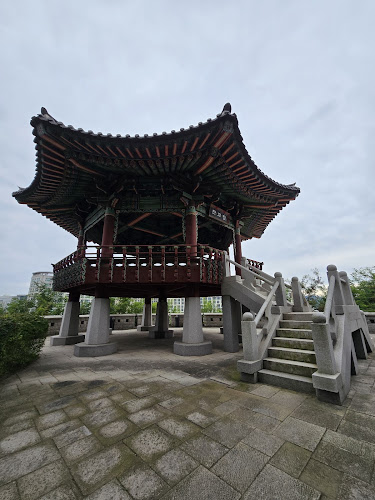
Octagonal Pavilion 팔각정
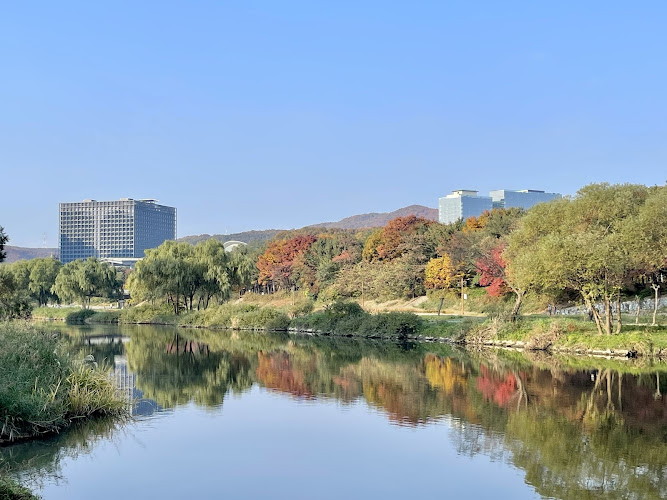
Bundang-gu
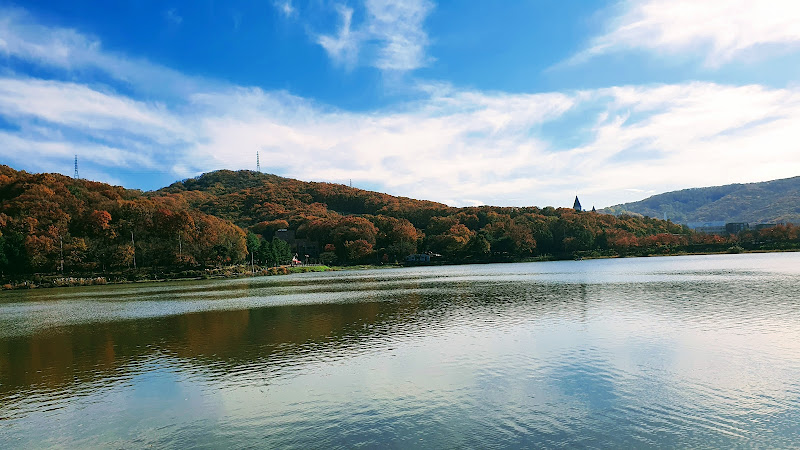
율동공원
Find Accommodations Nearby
Recommended Tours & Activities
Visitor Reviews
There are no reviews yet. Be the first one to write one.
Share Your Experience
Have you visited Pangyo Eco Center? Help other travelers by leaving a review.