
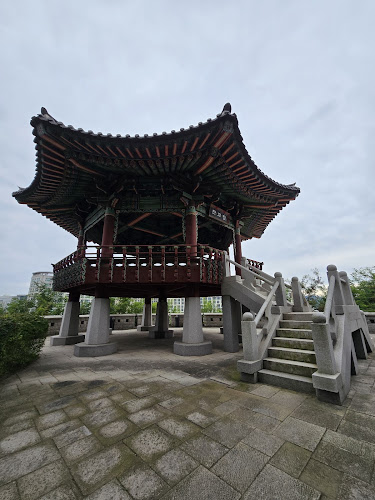
Octagonal Pavilion 팔각정
About Octagonal Pavilion 팔각정
Description
The Octagonal Pavilion, locally known as 팔각정, is one of those places that quietly sneaks up on you with its charm. Sitting high on Namsan Mountain, the pavilion has a history that’s as layered as the city skyline it overlooks. It was first built in 1959, torn down a year later, and then rebuilt in 1968. And today, it stands tall as both a scenic lookout and a cultural marker. Personally, I think that’s what makes it so special—it’s not just about the view (though the view is jaw-dropping), it’s about resilience and renewal too.
When you stand there, surrounded by the octagonal shape of the structure, you feel like you’re part of something bigger. The pavilion isn’t flashy or overdone; it’s simple, geometric, and timeless. And yet, the way it frames Seoul below—skyscrapers, winding roads, and the Han River snaking through—is nothing short of breathtaking. I’ve been a few times, and every single visit, I’ve noticed something new in the skyline. Once it was the way the sunset painted the glass towers in gold, another time it was the tiny clusters of joggers and families enjoying the park below. It’s a place that rewards you for slowing down and really looking.
Families often bring kids here, and it’s easy to see why. There’s space to roam, fresh mountain air, and a sense of calm that you don’t always get in the heart of Seoul. It’s not a theme park or a flashy museum, but it doesn’t need to be. The pavilion is more about connection—with nature, with history, and with the city itself. And honestly, that simplicity is what makes it unforgettable.
Key Features
- Octagonal design that symbolizes balance and harmony in traditional Korean architecture
- Panoramic views of Seoul, including the Han River and surrounding mountains
- Historical significance, originally built in 1959 and rebuilt in 1968
- Popular gathering spot for sunrise and New Year’s festivals
- Family-friendly atmosphere with open space for children
- Peaceful hiking trails leading up to the pavilion
Best Time to Visit
If you ask me, sunrise and sunset are the absolute winners here. Sunrise has this almost magical quality—the city is still quiet, the sky shifts from deep indigo to soft pink, and you feel like you’re watching Seoul wake up. It’s a bit chilly in the early morning, so bring a jacket, but it’s worth every shiver. Sunset, on the other hand, is more about drama. The city lights flicker on, the sky glows orange and purple, and suddenly you’re standing in the middle of a living postcard.
Spring and autumn are the best seasons, hands down. Spring brings cherry blossoms along the trails leading up the mountain, while autumn paints the trees in fiery reds and oranges. Summer can be hot and humid, though the pavilion does catch a nice breeze. Winter has its own charm too—if you don’t mind the cold, the snow-covered pavilion looks like something straight out of a painting.
How to Get There
Reaching the Octagonal Pavilion is part of the adventure. You can hike up Namsan Mountain from several different trails, each offering its own vibe. Some are steep and will get your heart pumping, while others are gentler and more family-friendly. If hiking isn’t your thing, there’s also the option of a cable car that glides up the mountain, giving you a bird’s-eye view of the city as you ascend. And yes, there’s even a shuttle bus that drops you fairly close if you’re short on time or energy.
Personally, I recommend walking at least one way. The trails are shaded, and you’ll pass by smaller pavilions, stone walls, and little scenic rest stops that are easy to miss if you skip the hike. The journey up makes the view from the pavilion feel even more rewarding—you’ve earned it, after all.
Tips for Visiting
First things first: wear comfortable shoes. Even if you take the cable car, there’s still a bit of walking involved, and the ground can be uneven in spots. Bring water, especially in summer, because the climb can get sweaty fast. If you’re planning to catch the sunrise, arrive early. The pavilion gets crowded on special days like New Year’s morning, and you’ll want a good spot.
Photography lovers—don’t forget your camera or at least make sure your phone is fully charged. The lighting changes constantly, and you’ll want to capture those moments. Families with kids will appreciate the open space, but keep an eye on little ones near the edges since it can get crowded. And if you’re someone who enjoys quiet, try visiting during weekdays or off-peak hours. The pavilion has this serene atmosphere when it’s less busy, and it feels almost like a private lookout over the city.
One last thing I’ve learned from personal experience: bring a snack. Sitting at the pavilion with a warm coffee or a simple kimbap roll while looking out over Seoul is one of life’s underrated pleasures. It’s not just about sightseeing—it’s about slowing down, savoring the moment, and letting the city unfold beneath you.
Key Features
- Octagonal design that symbolizes balance and harmony in traditional Korean architecture
- Panoramic views of Seoul, including the Han River and surrounding mountains
- Historical significance, originally built in 1959 and rebuilt in 1968
- Popular gathering spot for sunrise and New Year’s festivals
- Family-friendly atmosphere with open space for children
- Peaceful hiking trails leading up to the pavilion
More Details
Updated October 1, 2025
Table of Contents
Description
The Octagonal Pavilion, locally known as 팔각정, is one of those places that quietly sneaks up on you with its charm. Sitting high on Namsan Mountain, the pavilion has a history that’s as layered as the city skyline it overlooks. It was first built in 1959, torn down a year later, and then rebuilt in 1968. And today, it stands tall as both a scenic lookout and a cultural marker. Personally, I think that’s what makes it so special—it’s not just about the view (though the view is jaw-dropping), it’s about resilience and renewal too.
When you stand there, surrounded by the octagonal shape of the structure, you feel like you’re part of something bigger. The pavilion isn’t flashy or overdone; it’s simple, geometric, and timeless. And yet, the way it frames Seoul below—skyscrapers, winding roads, and the Han River snaking through—is nothing short of breathtaking. I’ve been a few times, and every single visit, I’ve noticed something new in the skyline. Once it was the way the sunset painted the glass towers in gold, another time it was the tiny clusters of joggers and families enjoying the park below. It’s a place that rewards you for slowing down and really looking.
Families often bring kids here, and it’s easy to see why. There’s space to roam, fresh mountain air, and a sense of calm that you don’t always get in the heart of Seoul. It’s not a theme park or a flashy museum, but it doesn’t need to be. The pavilion is more about connection—with nature, with history, and with the city itself. And honestly, that simplicity is what makes it unforgettable.
Key Features
- Octagonal design that symbolizes balance and harmony in traditional Korean architecture
- Panoramic views of Seoul, including the Han River and surrounding mountains
- Historical significance, originally built in 1959 and rebuilt in 1968
- Popular gathering spot for sunrise and New Year’s festivals
- Family-friendly atmosphere with open space for children
- Peaceful hiking trails leading up to the pavilion
Best Time to Visit
If you ask me, sunrise and sunset are the absolute winners here. Sunrise has this almost magical quality—the city is still quiet, the sky shifts from deep indigo to soft pink, and you feel like you’re watching Seoul wake up. It’s a bit chilly in the early morning, so bring a jacket, but it’s worth every shiver. Sunset, on the other hand, is more about drama. The city lights flicker on, the sky glows orange and purple, and suddenly you’re standing in the middle of a living postcard.
Spring and autumn are the best seasons, hands down. Spring brings cherry blossoms along the trails leading up the mountain, while autumn paints the trees in fiery reds and oranges. Summer can be hot and humid, though the pavilion does catch a nice breeze. Winter has its own charm too—if you don’t mind the cold, the snow-covered pavilion looks like something straight out of a painting.
How to Get There
Reaching the Octagonal Pavilion is part of the adventure. You can hike up Namsan Mountain from several different trails, each offering its own vibe. Some are steep and will get your heart pumping, while others are gentler and more family-friendly. If hiking isn’t your thing, there’s also the option of a cable car that glides up the mountain, giving you a bird’s-eye view of the city as you ascend. And yes, there’s even a shuttle bus that drops you fairly close if you’re short on time or energy.
Personally, I recommend walking at least one way. The trails are shaded, and you’ll pass by smaller pavilions, stone walls, and little scenic rest stops that are easy to miss if you skip the hike. The journey up makes the view from the pavilion feel even more rewarding—you’ve earned it, after all.
Tips for Visiting
First things first: wear comfortable shoes. Even if you take the cable car, there’s still a bit of walking involved, and the ground can be uneven in spots. Bring water, especially in summer, because the climb can get sweaty fast. If you’re planning to catch the sunrise, arrive early. The pavilion gets crowded on special days like New Year’s morning, and you’ll want a good spot.
Photography lovers—don’t forget your camera or at least make sure your phone is fully charged. The lighting changes constantly, and you’ll want to capture those moments. Families with kids will appreciate the open space, but keep an eye on little ones near the edges since it can get crowded. And if you’re someone who enjoys quiet, try visiting during weekdays or off-peak hours. The pavilion has this serene atmosphere when it’s less busy, and it feels almost like a private lookout over the city.
One last thing I’ve learned from personal experience: bring a snack. Sitting at the pavilion with a warm coffee or a simple kimbap roll while looking out over Seoul is one of life’s underrated pleasures. It’s not just about sightseeing—it’s about slowing down, savoring the moment, and letting the city unfold beneath you.
Key Highlights
- Octagonal design that symbolizes balance and harmony in traditional Korean architecture
- Panoramic views of Seoul, including the Han River and surrounding mountains
- Historical significance, originally built in 1959 and rebuilt in 1968
- Popular gathering spot for sunrise and New Year’s festivals
- Family-friendly atmosphere with open space for children
- Peaceful hiking trails leading up to the pavilion
Location
Places to Stay Near Octagonal Pavilion 팔각정
Find and Book a Tour
Explore More Travel Guides
No reviews found! Be the first to review!
Traveler Reviews for Octagonal Pavilion 팔각정
There are no reviews yet. Be the first one to write one.
Have you visited Octagonal Pavilion 팔각정? Help other travelers by sharing your review.
You Might Also Like
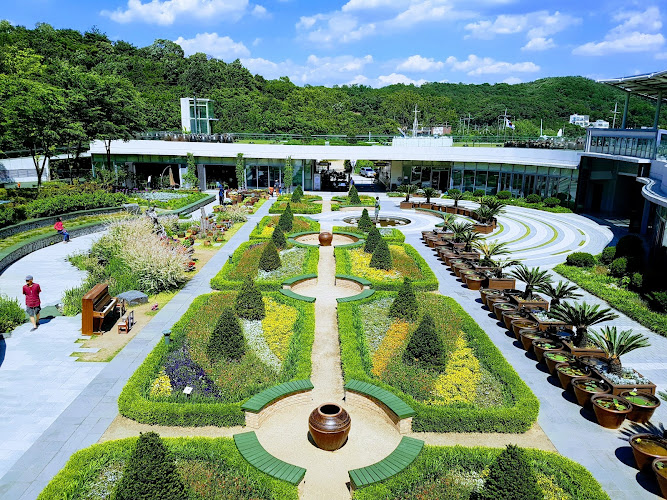
신구대학교 식물원

분당중앙공원
123-1 Sangjeok-dong
Find Accommodations Nearby
Recommended Tours & Activities
Visitor Reviews
There are no reviews yet. Be the first one to write one.
Share Your Experience
Have you visited Octagonal Pavilion 팔각정? Help other travelers by leaving a review.