
Pamyatnik, Posvyashchennyy 375-Letiyu Vkhozhdeniya Yakutii V Sostav Rossiyskogo Gosudarstva
About Pamyatnik, Posvyashchennyy 375-Letiyu Vkhozhdeniya Yakutii V Sostav Rossiyskogo Gosudarstva
Description
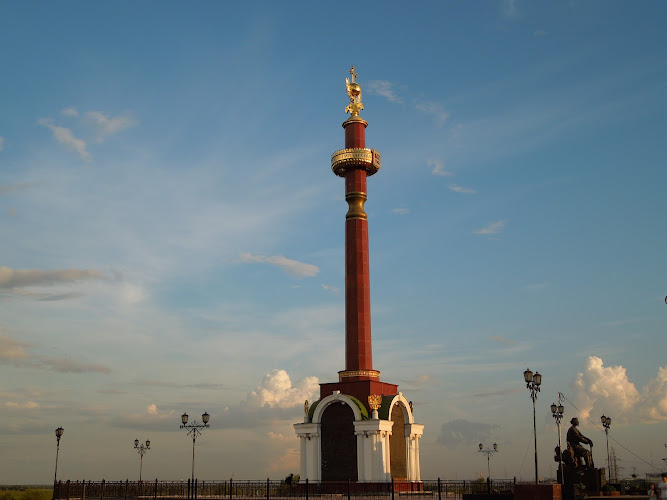
There’s something quietly powerful about standing before the monument dedicated to the 375th anniversary of Yakutia’s incorporation into the Russian state. It’s not just a statue; it’s a story cast in bronze and stone, a reminder of centuries of shared history between the Sakha people and Russia. Located in the heart of Yakutsk, this monument—often referred to simply as the “Pamyatnik 375-Letiyu”—is one of those places that makes you pause, reflect, and maybe even feel a little humbled by time itself.
It’s a striking piece of public art, not in a flashy way, but in that solid, dignified manner that Russian monuments tend to have. The sculptural composition captures the spirit of unity and endurance that defines the region’s history. You can sense the pride locals have for this place—it’s where generations gather during national holidays, where kids run around while grandparents share stories about their ancestors. The atmosphere feels both ceremonial and personal, which is kind of rare for a monument of this scale.
When I first saw it, I remember thinking how the monument almost seemed to rise out of the permafrost itself—like it belonged there. The clean lines, the careful detailing, and the way it catches the low Arctic sunlight make it an unexpectedly photogenic spot. And yes, it’s totally worth bringing your camera or phone because the light here, especially in the early morning or late afternoon, can be magical. The surrounding area is peaceful too, with open space that invites you to linger and just take it all in.
Despite being a historical site, it doesn’t feel distant or overly formal. Families stroll by, couples stop for selfies, and travelers like me end up chatting with locals who are always happy to explain the symbolism behind the figures. It’s one of those places that quietly bridges the past and present, reminding you that history isn’t just something in books—it’s alive, right here, in the heart of Yakutsk.
Key Features
- Historical significance: Commemorates 375 years since Yakutia joined the Russian state, marking a pivotal moment in the region’s history.
- Artistic craftsmanship: The monument’s detailed sculptural elements reflect both Yakut and Russian cultural motifs, blending traditional symbolism with modern design.
- Cultural gathering spot: A popular place for local events, national celebrations, and quiet reflection.
- Family-friendly environment: The open plaza and nearby green areas make it a comfortable stop for families and children.
- Photogenic location: Excellent lighting conditions during long Arctic days and dramatic sunsets make it a favorite among photographers.
- Accessibility: Located in central Yakutsk, easily reachable from major city landmarks.
Best Time to Visit
Yakutsk isn’t exactly known for mild weather, so timing your visit matters—a lot. If you’re not used to extreme cold, late spring through early autumn is your best bet. From June to September, the city comes alive with festivals, and the monument’s surroundings are often filled with people enjoying the brief warmth. The light during this time is incredible—the famous “white nights” of the north give everything a surreal glow that photographers dream about.
Winter visits, on the other hand, are for the brave (or maybe the slightly crazy, like me). Temperatures can plummet to –40°C or lower, but the monument under a blanket of frost is a sight you won’t forget. The air feels sharper, the snow crunches differently, and the monument’s metallic surfaces glisten like crystal. Just make sure you’ve got proper gear—double layers, insulated boots, and maybe a thermos of hot tea. Honestly, it’s one of those experiences that tests your limits but rewards you with a sense of awe you can’t get anywhere else.
How to Get There
Getting to the monument is fairly straightforward once you’re in Yakutsk. The city itself is compact, and most attractions are within a short drive or even walking distance of each other. Taxis are easy to find, and local drivers usually know exactly where you mean if you just say “monument 375 years.” Public buses also pass nearby, though schedules can be irregular, especially in winter when icy conditions slow everything down.
If you’re staying near the city center, a walk might actually be the best way to reach it. You’ll pass through parts of Yakutsk that reveal its character—colorful wooden houses, modern buildings, and the occasional street market selling handmade crafts or reindeer jerky. The walk itself becomes part of the experience. And honestly, wandering around Yakutsk gives you a sense of how people here live with the extremes of their environment, which adds context to what this monument stands for—resilience, adaptation, and unity.
For international travelers, reaching Yakutsk usually involves a flight from Moscow or other major Russian cities. The airport is about 15 minutes from the city center, and from there, it’s a quick ride to the monument. Just remember, Yakutsk is one of the coldest inhabited cities on Earth, so transportation can be affected by weather. Always check local conditions before heading out.
Tips for Visiting
Visiting the Pamyatnik 375-Letiyu is one of those experiences that can be as quick or as immersive as you make it. Here are a few tips from someone who’s been there, learned the hard way, and came back with all ten fingers still intact (barely):
- Dress for the weather: Even in summer, Yakutsk can surprise you with sudden temperature drops. Layers are your best friend.
- Bring a camera: The monument’s scale and setting are incredibly photogenic, especially during sunrise or sunset.
- Learn a few local phrases: While many people understand basic English, a simple “spasibo” (thank you) goes a long way.
- Respect local customs: This is a place of pride for Yakut people, so avoid climbing or sitting on the sculpture itself.
- Visit nearby attractions: Combine your trip with a visit to the National Art Museum or the Kingdom of Permafrost for a full cultural day.
- Stay hydrated: The dry Arctic air can sneak up on you, especially during winter.
- Talk to locals: People here are warm and proud of their heritage. You might hear personal stories about what the monument means to them.
And if you’re traveling with kids, don’t worry—it’s a great spot for families. The open area gives children space to run around safely while adults enjoy the art and history. It’s one of those rare places that manages to feel both grand and approachable at the same time.
In the end, what makes the Pamyatnik 375-Letiyu special isn’t just its design or its history—it’s the feeling it leaves you with. Standing there, surrounded by the vastness of Yakutsk’s landscape and the quiet hum of everyday life, you realize this monument isn’t just about the past. It’s about endurance, identity, and the human spirit that keeps thriving even in the coldest corners of the world. Whether you come for the history, the photography, or just curiosity, you’ll walk away with a deeper appreciation for this resilient region and its people.
Key Features
- Key Features
- Best Time to Visit
- How to Get There
- Tips for Visiting
More Details
Updated November 30, 2025
Table of Contents
- Description
- Key Features
- Best Time to Visit
- How to Get There
- Tips for Visiting
- Key Highlights
- Location
- Places to Stay Near Pamyatnik, Posvyashchennyy 375-Letiyu Vkhozhdeniya Yakutii V Sostav Rossiyskogo Gosudarstva
- Find and Book a Tour
- Explore More Travel Guides
- Nearby Places You Might Like
- Traveler Reviews for Pamyatnik, Posvyashchennyy 375-Letiyu Vkhozhdeniya Yakutii V Sostav Rossiyskogo Gosudarstva
- Share Your Experience
Description
There’s something quietly powerful about standing before the monument dedicated to the 375th anniversary of Yakutia’s incorporation into the Russian state. It’s not just a statue; it’s a story cast in bronze and stone, a reminder of centuries of shared history between the Sakha people and Russia. Located in the heart of Yakutsk, this monument—often referred to simply as the “Pamyatnik 375-Letiyu”—is one of those places that makes you pause, reflect, and maybe even feel a little humbled by time itself.
It’s a striking piece of public art, not in a flashy way, but in that solid, dignified manner that Russian monuments tend to have. The sculptural composition captures the spirit of unity and endurance that defines the region’s history. You can sense the pride locals have for this place—it’s where generations gather during national holidays, where kids run around while grandparents share stories about their ancestors. The atmosphere feels both ceremonial and personal, which is kind of rare for a monument of this scale.
When I first saw it, I remember thinking how the monument almost seemed to rise out of the permafrost itself—like it belonged there. The clean lines, the careful detailing, and the way it catches the low Arctic sunlight make it an unexpectedly photogenic spot. And yes, it’s totally worth bringing your camera or phone because the light here, especially in the early morning or late afternoon, can be magical. The surrounding area is peaceful too, with open space that invites you to linger and just take it all in.
Despite being a historical site, it doesn’t feel distant or overly formal. Families stroll by, couples stop for selfies, and travelers like me end up chatting with locals who are always happy to explain the symbolism behind the figures. It’s one of those places that quietly bridges the past and present, reminding you that history isn’t just something in books—it’s alive, right here, in the heart of Yakutsk.
Key Features
- Historical significance: Commemorates 375 years since Yakutia joined the Russian state, marking a pivotal moment in the region’s history.
- Artistic craftsmanship: The monument’s detailed sculptural elements reflect both Yakut and Russian cultural motifs, blending traditional symbolism with modern design.
- Cultural gathering spot: A popular place for local events, national celebrations, and quiet reflection.
- Family-friendly environment: The open plaza and nearby green areas make it a comfortable stop for families and children.
- Photogenic location: Excellent lighting conditions during long Arctic days and dramatic sunsets make it a favorite among photographers.
- Accessibility: Located in central Yakutsk, easily reachable from major city landmarks.
Best Time to Visit
Yakutsk isn’t exactly known for mild weather, so timing your visit matters—a lot. If you’re not used to extreme cold, late spring through early autumn is your best bet. From June to September, the city comes alive with festivals, and the monument’s surroundings are often filled with people enjoying the brief warmth. The light during this time is incredible—the famous “white nights” of the north give everything a surreal glow that photographers dream about.
Winter visits, on the other hand, are for the brave (or maybe the slightly crazy, like me). Temperatures can plummet to –40°C or lower, but the monument under a blanket of frost is a sight you won’t forget. The air feels sharper, the snow crunches differently, and the monument’s metallic surfaces glisten like crystal. Just make sure you’ve got proper gear—double layers, insulated boots, and maybe a thermos of hot tea. Honestly, it’s one of those experiences that tests your limits but rewards you with a sense of awe you can’t get anywhere else.
How to Get There
Getting to the monument is fairly straightforward once you’re in Yakutsk. The city itself is compact, and most attractions are within a short drive or even walking distance of each other. Taxis are easy to find, and local drivers usually know exactly where you mean if you just say “monument 375 years.” Public buses also pass nearby, though schedules can be irregular, especially in winter when icy conditions slow everything down.
If you’re staying near the city center, a walk might actually be the best way to reach it. You’ll pass through parts of Yakutsk that reveal its character—colorful wooden houses, modern buildings, and the occasional street market selling handmade crafts or reindeer jerky. The walk itself becomes part of the experience. And honestly, wandering around Yakutsk gives you a sense of how people here live with the extremes of their environment, which adds context to what this monument stands for—resilience, adaptation, and unity.
For international travelers, reaching Yakutsk usually involves a flight from Moscow or other major Russian cities. The airport is about 15 minutes from the city center, and from there, it’s a quick ride to the monument. Just remember, Yakutsk is one of the coldest inhabited cities on Earth, so transportation can be affected by weather. Always check local conditions before heading out.
Tips for Visiting
Visiting the Pamyatnik 375-Letiyu is one of those experiences that can be as quick or as immersive as you make it. Here are a few tips from someone who’s been there, learned the hard way, and came back with all ten fingers still intact (barely):
- Dress for the weather: Even in summer, Yakutsk can surprise you with sudden temperature drops. Layers are your best friend.
- Bring a camera: The monument’s scale and setting are incredibly photogenic, especially during sunrise or sunset.
- Learn a few local phrases: While many people understand basic English, a simple “spasibo” (thank you) goes a long way.
- Respect local customs: This is a place of pride for Yakut people, so avoid climbing or sitting on the sculpture itself.
- Visit nearby attractions: Combine your trip with a visit to the National Art Museum or the Kingdom of Permafrost for a full cultural day.
- Stay hydrated: The dry Arctic air can sneak up on you, especially during winter.
- Talk to locals: People here are warm and proud of their heritage. You might hear personal stories about what the monument means to them.
And if you’re traveling with kids, don’t worry—it’s a great spot for families. The open area gives children space to run around safely while adults enjoy the art and history. It’s one of those rare places that manages to feel both grand and approachable at the same time.
In the end, what makes the Pamyatnik 375-Letiyu special isn’t just its design or its history—it’s the feeling it leaves you with. Standing there, surrounded by the vastness of Yakutsk’s landscape and the quiet hum of everyday life, you realize this monument isn’t just about the past. It’s about endurance, identity, and the human spirit that keeps thriving even in the coldest corners of the world. Whether you come for the history, the photography, or just curiosity, you’ll walk away with a deeper appreciation for this resilient region and its people.
Key Highlights
- Key Features
- Best Time to Visit
- How to Get There
- Tips for Visiting
Location
Places to Stay Near Pamyatnik, Posvyashchennyy 375-Letiyu Vkhozhdeniya Yakutii V Sostav Rossiyskogo Gosudarstva
Find and Book a Tour
Explore More Travel Guides
No reviews found! Be the first to review!
Traveler Reviews for Pamyatnik, Posvyashchennyy 375-Letiyu Vkhozhdeniya Yakutii V Sostav Rossiyskogo Gosudarstva
There are no reviews yet. Be the first one to write one.
Have you visited Pamyatnik, Posvyashchennyy 375-Letiyu Vkhozhdeniya Yakutii V Sostav Rossiyskogo Gosudarstva? Help other travelers by sharing your review.
You Might Also Like
Yakutsk Regional History Museum
The Kingdom of Permafrost

Chochur Muran
Find Accommodations Nearby
Recommended Tours & Activities
Visitor Reviews
There are no reviews yet. Be the first one to write one.
Share Your Experience
Have you visited Pamyatnik, Posvyashchennyy 375-Letiyu Vkhozhdeniya Yakutii V Sostav Rossiyskogo Gosudarstva? Help other travelers by leaving a review.