

Palawan Special Battalion WW-II Memorial Museum
About Palawan Special Battalion WW-II Memorial Museum
Description
The Palawan Special Battalion WW-II Memorial Museum is a focused, thoughtfully curated space in Puerto Princesa that honors the men and women involved in one of the island's most consequential chapters. It concentrates on the Palawan Special Battalion and the wider World War II events that shaped the province, using photographs, personal items, military gear, and archival documents to stitch together stories that are sometimes overlooked in broader histories. The tone is respectful rather than theatrical; the museum asks visitors to listen, reflect, and imagine life on Palawan during wartime.
Visitors will find that the museum is compact but dense with information. Exhibits range from framed wartime photographs and typed orders to uniforms and small artifacts recovered or donated by families. There are panels that explain troop movements, local resistance efforts, and the interactions between Filipino soldiers, American forces, and the occupying Japanese army. But it is the personal items—letters, medals, a battered helmet, a child's drawing—that tend to linger in the memory, because they translate large, abstract events into intimate human moments.
One practical note up front: the museum is designed to be accessible. There is a wheelchair-accessible entrance and a parking lot that accommodates visitors with mobility needs, plus restroom facilities inside. Families often appreciate that the displays are approachable for children; the museum is considered good for kids, especially if parents take a few moments to frame the stories in age-appropriate ways. There is no onsite restaurant, so plan accordingly for snacks or a meal elsewhere before or after the visit.
For travelers who like context, the museum serves as an excellent primer on Palawan's wartime experience. It does not attempt to be encyclopedic; instead, the curators focus on the Special Battalion and how local lives were changed by global conflict. Expect concise explanatory labels rather than pages of dense text, and a layout that moves chronologically through key events. People with a background in military history will appreciate the tactical notes and references, while visitors new to the topic will find accessible narratives that explain who the battalion were, what they did, and why their story matters now.
There is a quiet, reflective atmosphere, and that suits the subject. The museum strikes a balance between honoring sacrifice and providing historical analysis. It avoids sensationalism; no dramatic dioramas or multimedia bombardments. Instead, the experience is intimate—standing close to a display case, tracing names on a plaque, or reading a soldier's letter and suddenly feeling the weight of distance and time. For many, that simplicity enhances emotional impact. Others might wish for more interactive elements or broader contextual exhibits linking Palawan's story to larger Pacific campaigns. And yes, some visitors mention the museum could expand; it's small, but what it has is earnest and meaningful.
Local voices are woven into the museum's narrative. Oral histories and community-donated items surface often, which gives the displays a rooted, personal quality. The museum also highlights Filipino-American collaborations during the war and the complex dynamics that followed liberation. This attention to multiple perspectives makes the museum especially valuable for travelers who want to understand the region beyond beaches and caves—who want to see the historical threads that shape Palawan's identity today.
Practical visitors will appreciate that the museum is easy to combine with a short city tour. It sits within Puerto Princesa's urban fabric, so one can pop in before or after a walk along the baywalk or a visit to nearby parks and markets. Because it’s not a sprawling site, a typical visit lasts between 30 minutes to an hour, though those who love reading primary sources or pausing by each artifact can easily stay longer.
In terms of tone, the museum encourages thoughtful, contemplative visits rather than rushed photo stops. Photography policies can vary in small museums like this one, so visitors should check at the entrance; handheld photography is often permitted but with restrictions near sensitive materials. Guides or staff—when available—are usually helpful and can add color to the panels, pointing out lesser-known details or stories behind specific artifacts. If a guide is not present, the exhibit labels do a competent job communicating key facts and timelines.
One little aside: for those who keep a travel journal, a visit here rewards slow attention. Write down a name you notice, or a date that surprises you, and later that small detail might lead to a deeper conversation with a local or a chance discovery while wandering Puerto Princesa. The museum is a gateway for asking questions about memory, local history, and how communities remember trauma and resilience. It might not be flashy, but for the curious traveler who wants nuance and real human stories, it’s well worth the stop.
Overall, the Palawan Special Battalion WW-II Memorial Museum offers an honest, grounded look at wartime Palawan. It suits history buffs, families, and reflective travelers. While some may wish for a larger, more multimedia-heavy presentation, the museum's strength is its authenticity: modest displays, personal artifacts, and a clear respect for history that invites visitors to engage thoughtfully rather than be merely entertained.
Key Features
More Details
Updated August 29, 2025
Table of Contents
Description
The Palawan Special Battalion WW-II Memorial Museum is a focused, thoughtfully curated space in Puerto Princesa that honors the men and women involved in one of the island’s most consequential chapters. It concentrates on the Palawan Special Battalion and the wider World War II events that shaped the province, using photographs, personal items, military gear, and archival documents to stitch together stories that are sometimes overlooked in broader histories. The tone is respectful rather than theatrical; the museum asks visitors to listen, reflect, and imagine life on Palawan during wartime.
Visitors will find that the museum is compact but dense with information. Exhibits range from framed wartime photographs and typed orders to uniforms and small artifacts recovered or donated by families. There are panels that explain troop movements, local resistance efforts, and the interactions between Filipino soldiers, American forces, and the occupying Japanese army. But it is the personal items—letters, medals, a battered helmet, a child’s drawing—that tend to linger in the memory, because they translate large, abstract events into intimate human moments.
One practical note up front: the museum is designed to be accessible. There is a wheelchair-accessible entrance and a parking lot that accommodates visitors with mobility needs, plus restroom facilities inside. Families often appreciate that the displays are approachable for children; the museum is considered good for kids, especially if parents take a few moments to frame the stories in age-appropriate ways. There is no onsite restaurant, so plan accordingly for snacks or a meal elsewhere before or after the visit.
For travelers who like context, the museum serves as an excellent primer on Palawan’s wartime experience. It does not attempt to be encyclopedic; instead, the curators focus on the Special Battalion and how local lives were changed by global conflict. Expect concise explanatory labels rather than pages of dense text, and a layout that moves chronologically through key events. People with a background in military history will appreciate the tactical notes and references, while visitors new to the topic will find accessible narratives that explain who the battalion were, what they did, and why their story matters now.
There is a quiet, reflective atmosphere, and that suits the subject. The museum strikes a balance between honoring sacrifice and providing historical analysis. It avoids sensationalism; no dramatic dioramas or multimedia bombardments. Instead, the experience is intimate—standing close to a display case, tracing names on a plaque, or reading a soldier’s letter and suddenly feeling the weight of distance and time. For many, that simplicity enhances emotional impact. Others might wish for more interactive elements or broader contextual exhibits linking Palawan’s story to larger Pacific campaigns. And yes, some visitors mention the museum could expand; it’s small, but what it has is earnest and meaningful.
Local voices are woven into the museum’s narrative. Oral histories and community-donated items surface often, which gives the displays a rooted, personal quality. The museum also highlights Filipino-American collaborations during the war and the complex dynamics that followed liberation. This attention to multiple perspectives makes the museum especially valuable for travelers who want to understand the region beyond beaches and caves—who want to see the historical threads that shape Palawan’s identity today.
Practical visitors will appreciate that the museum is easy to combine with a short city tour. It sits within Puerto Princesa’s urban fabric, so one can pop in before or after a walk along the baywalk or a visit to nearby parks and markets. Because it’s not a sprawling site, a typical visit lasts between 30 minutes to an hour, though those who love reading primary sources or pausing by each artifact can easily stay longer.
In terms of tone, the museum encourages thoughtful, contemplative visits rather than rushed photo stops. Photography policies can vary in small museums like this one, so visitors should check at the entrance; handheld photography is often permitted but with restrictions near sensitive materials. Guides or staff—when available—are usually helpful and can add color to the panels, pointing out lesser-known details or stories behind specific artifacts. If a guide is not present, the exhibit labels do a competent job communicating key facts and timelines.
One little aside: for those who keep a travel journal, a visit here rewards slow attention. Write down a name you notice, or a date that surprises you, and later that small detail might lead to a deeper conversation with a local or a chance discovery while wandering Puerto Princesa. The museum is a gateway for asking questions about memory, local history, and how communities remember trauma and resilience. It might not be flashy, but for the curious traveler who wants nuance and real human stories, it’s well worth the stop.
Overall, the Palawan Special Battalion WW-II Memorial Museum offers an honest, grounded look at wartime Palawan. It suits history buffs, families, and reflective travelers. While some may wish for a larger, more multimedia-heavy presentation, the museum’s strength is its authenticity: modest displays, personal artifacts, and a clear respect for history that invites visitors to engage thoughtfully rather than be merely entertained.
Key Highlights
Palawan Special Battalion WW-II Memorial Museum
Location
Places to Stay Near Palawan Special Battalion WW-II Memorial Museum
Find and Book a Tour
Explore More Travel Guides
No reviews found! Be the first to review!
Traveler Reviews for Palawan Special Battalion WW-II Memorial Museum
There are no reviews yet. Be the first one to write one.
Have you visited Palawan Special Battalion WW-II Memorial Museum? Help other travelers by sharing your review.
You Might Also Like
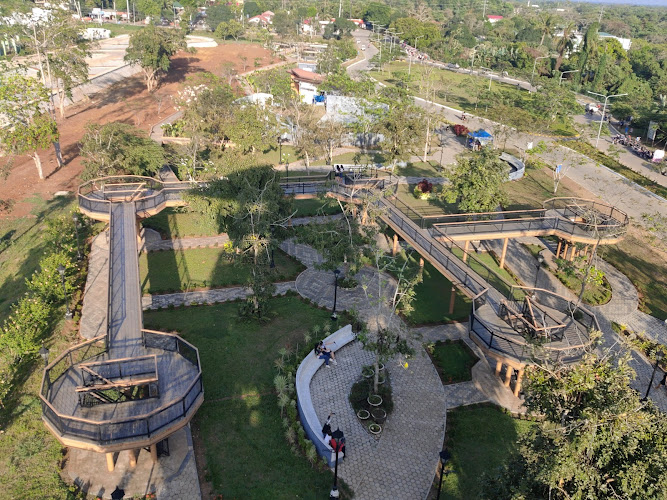
Balayong People's Park

Palawan Waterpark By ASTORIA

Mendoza Park
Find Accommodations Nearby
Recommended Tours & Activities
Visitor Reviews
There are no reviews yet. Be the first one to write one.
Share Your Experience
Have you visited Palawan Special Battalion WW-II Memorial Museum? Help other travelers by leaving a review.