
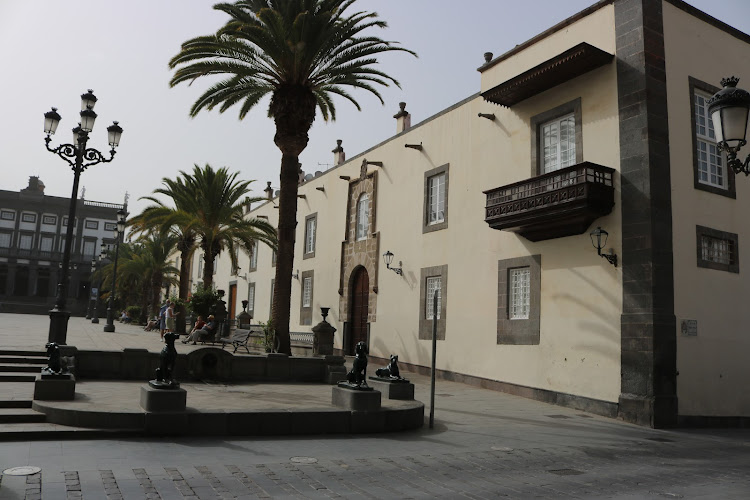
Palacio Episcopal
About Palacio Episcopal
Description
The Palacio Episcopal is one of those places that sneaks up on you. You think you’re just popping by another old building, and then suddenly you’re standing there longer than planned, craning your neck, wondering how stone can look so alive. This particular Episcopal Palace, famously designed by Antoni Gaudí, doesn’t behave like the typical church-related architecture people expect. It feels imaginative, almost playful in spots, and yet still deeply rooted in its religious purpose. That contrast is what hooks most travelers, myself included.
From the outside, the palace looks almost like it wandered out of a medieval fairytale and decided to stay. Tall spires, chunky stone walls, and details that seem hand-sculpted rather than planned on paper. Inside, things calm down a bit, but not in a boring way. The rooms are airy and thoughtfully laid out, designed to let light do half the work. And if you’re the kind of traveler who likes to imagine how places were actually used, you’ll have a good time here picturing bishops pacing halls, hosting meetings, or just staring out windows thinking big theological thoughts. Or maybe just worrying about the weather. Humans haven’t changed that much.
What I appreciate most is that the Palacio Episcopal doesn’t try too hard to impress. It simply exists as it is. Some areas feel grand, others feel almost intimate. It’s not a massive complex that overwhelms you, which makes it easier to explore at your own pace. Families with kids often seem comfortable here, and that’s not always the case with historic buildings. Accessibility has also clearly been considered, which matters more than many guides like to admit.
There’s a quiet confidence to the place. It knows it’s important, but it doesn’t shout. And honestly, that’s refreshing when you’ve been bouncing between crowded tourist attractions all week.
Key Features
- Gaudí’s architectural fingerprint visible in arches, windows, and unexpected curves
- Solid stone exterior that feels medieval but never heavy or gloomy
- Bright interior spaces designed to maximize natural light
- Religious and historical exhibits that explain the palace’s role over time
- Wheelchair accessible entrance, making it easier for all travelers to explore
- Family-friendly layout that doesn’t punish curious kids for being curious
- Photogenic details from staircases to windows that reward slow exploration
Best Time to Visit
Timing your visit to the Palacio Episcopal can make a surprising difference. Late morning is usually a sweet spot. The light hits the stone just right, both outside and in, and you avoid that groggy early-morning vibe where nothing quite feels open yet. Midday can get a little busier, especially during peak travel months, but it rarely feels chaotic.
If you’re traveling in spring or early autumn, you’re in luck. The weather tends to cooperate, and you won’t feel rushed in or out. Summer brings more visitors, sure, but it also brings longer days. I once visited in summer and ended up lingering far longer than expected, simply because the place felt cooler and calmer than the streets outside. A small win on a hot day.
Winter visits are underrated. Yes, it can be chilly, and the stone feels colder somehow. But there’s a contemplative mood that settles in, especially if you catch a quieter afternoon. If you’re the type who enjoys reflective travel moments, winter might actually be your season.
How to Get There
Getting to the Palacio Episcopal is pretty straightforward, even if you’re not the most organized traveler. Most visitors arrive via regional trains or buses to the nearest city center, then continue on foot. And honestly, walking is half the fun. Approaching the palace slowly gives you time to notice how it fits into its surroundings, instead of just popping up suddenly.
If you’re driving, parking is usually manageable nearby, though it’s worth allowing extra time during busy travel periods. Public transport users won’t feel left out either. Local buses tend to run regularly, and taxi drivers know the place well enough that you won’t need to butcher the pronunciation too badly.
One small tip from personal experience: don’t rely entirely on your phone’s map. It’ll get you there, sure, but sometimes it routes you in a way that skips the nicest approach. Ask a local or follow the signs meant for actual humans, not satellites.
Tips for Visiting
First things first: give yourself more time than you think you need. The Palacio Episcopal isn’t huge, but it has a way of slowing you down. Maybe it’s the architecture, maybe it’s the quiet. Either way, rushing through feels like missing the point.
Wear comfortable shoes. This sounds obvious, I know, but stone floors are unforgiving. I learned that lesson the hard way and spent the rest of the day slightly grumpy about it. Don’t be me.
If you’re traveling with kids, let them ask questions. The palace seems to spark curiosity, and staff are usually patient and happy to explain things in simple terms. It turns the visit into more of a shared experience instead of a forced history lesson.
Photography is tempting here, and rightly so. Just remember to put the camera down now and then. Some of the best moments come from standing quietly in a room, noticing how the light shifts or how the space feels. Those memories last longer than photos anyway.
And finally, trust your instincts. If a particular corner or detail grabs your attention, linger. The Palacio Episcopal rewards that kind of unplanned wandering. It’s not just a tourist attraction; it’s a place that invites you to slow down, think a little, and maybe even feel something unexpected. And really, isn’t that why you travel in the first place?
Key Features
- Key Features
- Best Time to Visit
- How to Get There
- Tips for Visiting
More Details
Updated December 31, 2025
Table of Contents
Description
The Palacio Episcopal is one of those places that sneaks up on you. You think you’re just popping by another old building, and then suddenly you’re standing there longer than planned, craning your neck, wondering how stone can look so alive. This particular Episcopal Palace, famously designed by Antoni Gaudí, doesn’t behave like the typical church-related architecture people expect. It feels imaginative, almost playful in spots, and yet still deeply rooted in its religious purpose. That contrast is what hooks most travelers, myself included.
From the outside, the palace looks almost like it wandered out of a medieval fairytale and decided to stay. Tall spires, chunky stone walls, and details that seem hand-sculpted rather than planned on paper. Inside, things calm down a bit, but not in a boring way. The rooms are airy and thoughtfully laid out, designed to let light do half the work. And if you’re the kind of traveler who likes to imagine how places were actually used, you’ll have a good time here picturing bishops pacing halls, hosting meetings, or just staring out windows thinking big theological thoughts. Or maybe just worrying about the weather. Humans haven’t changed that much.
What I appreciate most is that the Palacio Episcopal doesn’t try too hard to impress. It simply exists as it is. Some areas feel grand, others feel almost intimate. It’s not a massive complex that overwhelms you, which makes it easier to explore at your own pace. Families with kids often seem comfortable here, and that’s not always the case with historic buildings. Accessibility has also clearly been considered, which matters more than many guides like to admit.
There’s a quiet confidence to the place. It knows it’s important, but it doesn’t shout. And honestly, that’s refreshing when you’ve been bouncing between crowded tourist attractions all week.
Key Features
- Gaudí’s architectural fingerprint visible in arches, windows, and unexpected curves
- Solid stone exterior that feels medieval but never heavy or gloomy
- Bright interior spaces designed to maximize natural light
- Religious and historical exhibits that explain the palace’s role over time
- Wheelchair accessible entrance, making it easier for all travelers to explore
- Family-friendly layout that doesn’t punish curious kids for being curious
- Photogenic details from staircases to windows that reward slow exploration
Best Time to Visit
Timing your visit to the Palacio Episcopal can make a surprising difference. Late morning is usually a sweet spot. The light hits the stone just right, both outside and in, and you avoid that groggy early-morning vibe where nothing quite feels open yet. Midday can get a little busier, especially during peak travel months, but it rarely feels chaotic.
If you’re traveling in spring or early autumn, you’re in luck. The weather tends to cooperate, and you won’t feel rushed in or out. Summer brings more visitors, sure, but it also brings longer days. I once visited in summer and ended up lingering far longer than expected, simply because the place felt cooler and calmer than the streets outside. A small win on a hot day.
Winter visits are underrated. Yes, it can be chilly, and the stone feels colder somehow. But there’s a contemplative mood that settles in, especially if you catch a quieter afternoon. If you’re the type who enjoys reflective travel moments, winter might actually be your season.
How to Get There
Getting to the Palacio Episcopal is pretty straightforward, even if you’re not the most organized traveler. Most visitors arrive via regional trains or buses to the nearest city center, then continue on foot. And honestly, walking is half the fun. Approaching the palace slowly gives you time to notice how it fits into its surroundings, instead of just popping up suddenly.
If you’re driving, parking is usually manageable nearby, though it’s worth allowing extra time during busy travel periods. Public transport users won’t feel left out either. Local buses tend to run regularly, and taxi drivers know the place well enough that you won’t need to butcher the pronunciation too badly.
One small tip from personal experience: don’t rely entirely on your phone’s map. It’ll get you there, sure, but sometimes it routes you in a way that skips the nicest approach. Ask a local or follow the signs meant for actual humans, not satellites.
Tips for Visiting
First things first: give yourself more time than you think you need. The Palacio Episcopal isn’t huge, but it has a way of slowing you down. Maybe it’s the architecture, maybe it’s the quiet. Either way, rushing through feels like missing the point.
Wear comfortable shoes. This sounds obvious, I know, but stone floors are unforgiving. I learned that lesson the hard way and spent the rest of the day slightly grumpy about it. Don’t be me.
If you’re traveling with kids, let them ask questions. The palace seems to spark curiosity, and staff are usually patient and happy to explain things in simple terms. It turns the visit into more of a shared experience instead of a forced history lesson.
Photography is tempting here, and rightly so. Just remember to put the camera down now and then. Some of the best moments come from standing quietly in a room, noticing how the light shifts or how the space feels. Those memories last longer than photos anyway.
And finally, trust your instincts. If a particular corner or detail grabs your attention, linger. The Palacio Episcopal rewards that kind of unplanned wandering. It’s not just a tourist attraction; it’s a place that invites you to slow down, think a little, and maybe even feel something unexpected. And really, isn’t that why you travel in the first place?
Key Highlights
- Key Features
- Best Time to Visit
- How to Get There
- Tips for Visiting
Location
Places to Stay Near Palacio Episcopal
Find and Book a Tour
Explore More Travel Guides
No reviews found! Be the first to review!
Traveler Reviews for Palacio Episcopal
There are no reviews yet. Be the first one to write one.
Have you visited Palacio Episcopal? Help other travelers by sharing your review.
You Might Also Like

Parque San Telmo

Museo Naval

Perez Galdos House Museum
Find Accommodations Nearby
Recommended Tours & Activities
Visitor Reviews
There are no reviews yet. Be the first one to write one.
Share Your Experience
Have you visited Palacio Episcopal? Help other travelers by leaving a review.