
Paignton Zoo Environmental Park
About Paignton Zoo Environmental Park
Description
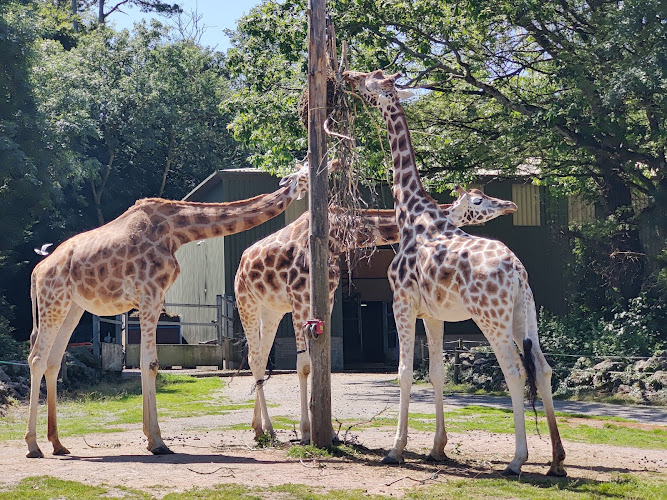
Paignton Zoo Environmental Park stands as one of Devon's most captivating wildlife experiences. I've gotta say, this place has seriously grown on me over my multiple visits. It's way more than just your average zoo - it's a genuine conservation powerhouse that actually makes a difference. The 80-acre park brings together over 2,000 animals across 250 species, but what really gets me excited is how they've managed to create these incredibly natural-feeling habitats. The thing that absolutely blows my mind here is the botanical gardens. Y'know, most folks come for the animals (and fair enough - those lions are magnificent!), but the gardens are like this hidden gem that totally deserves more attention. We're talking about thousands of plant species that create this amazing backdrop for all the wildlife.Key Features
• Crocodile Swamp - an indoor tropical house where you can watch Nile crocodiles glide through the water (honestly, it still gives me chills every time) • The Great Gorilla Project - home to a family of Western lowland gorillas in a naturalistic setting • Baboon Rock - a seriously impressive habitat where the baboons show off their social dynamics • Lemur Wood - a walk-through exhibit where ring-tailed lemurs might just scamper past your feet • Jungle Express Train - perfect for resting those tired legs while getting a different view of the park • Desert House - showcasing unusual plants and small creatures from arid regions • Daily animal talks and feeding demonstrations • Interactive play areas for kids • Environmental education center • Crocodile Swamp café with indoor and outdoor seatingBest Time to Visit
From my experience, spring and early autumn are absolutely perfect for visiting Paignton Zoo. The animals tend to be more active during these cooler months, and you'll dodge the summer holiday crowds. If you're coming in summer (and lots of people do), try to arrive right when they open - around 10am - to catch the animals at their most energetic and beat the rush. But here's a little insider tip: rainy days can actually be amazing here! Most visitors stay away, but many animals love the wet weather and become super active. Plus, there are plenty of indoor exhibits where you can stay dry while watching the creatures.How to Get There
Getting to Paignton Zoo is pretty straightforward, whether you're driving or using public transport. By car, you'll find it well-signposted once you're near Paignton - just follow the brown tourist signs. There's tons of free parking, which is always a bonus in my book. If you're taking public transport, you've got options. Hop on the number 12 bus from either Torquay or Brixham - it stops right outside the zoo. Coming by train? Paignton railway station is about a mile and a half away, and you can grab a taxi or local bus from there.Tips for Visiting
Look, I've learned a thing or two from my visits here, so lemme share some real talk about making the most of your day: 1. Book your tickets online beforehand - you'll save some cash and skip the queue. Trust me on this one. 2. Download the zoo map before you go. The place is huge, and having a game plan helps, especially with kids in tow. 3. Time your visit around the animal feeding sessions - they're typically posted on boards near the entrance each morning. 4. Bring a water bottle! There are filling stations throughout the park, and you'll thank me later. 5. Wear comfy shoes - you'll be doing lots of walking, and some paths are pretty steep. 6. Pack a light raincoat or umbrella, even on sunny days. Devon weather can be... unpredictable. 7. The café can get busy during peak lunch hours (between 12-2). Consider eating earlier or later, or bring your own picnic. 8. If you've got little ones, the Jungle Express train is a lifesaver when their legs get tired - but it doesn't run in bad weather. 9. Bring your camera, but remember that some exhibits have restrictions on flash photography. 10. Keep an eye out for the keeper talks - they're not just informative, they're often hilarious and give you insights you won't get from just watching the animals. And here's something most guidebooks won't tell ya - the butterflies in the botanical garden are most active on warm, sunny afternoons. It's like nature's own little dance show! This place keeps evolving and adding new features, so each visit brings something fresh. The conservation work they're doing here is pretty incredible - they've got breeding programs for endangered species and they're actually making a difference in wildlife protection worldwide. Makes you feel good about where your entrance fee's going, y'know?Key Features
- Key Features
- Best Time to Visit
- How to Get There
- Tips for Visiting
More Details
Updated June 11, 2025
Table of Contents
Description
Paignton Zoo Environmental Park stands as one of Devon’s most captivating wildlife experiences. I’ve gotta say, this place has seriously grown on me over my multiple visits. It’s way more than just your average zoo – it’s a genuine conservation powerhouse that actually makes a difference. The 80-acre park brings together over 2,000 animals across 250 species, but what really gets me excited is how they’ve managed to create these incredibly natural-feeling habitats.
The thing that absolutely blows my mind here is the botanical gardens. Y’know, most folks come for the animals (and fair enough – those lions are magnificent!), but the gardens are like this hidden gem that totally deserves more attention. We’re talking about thousands of plant species that create this amazing backdrop for all the wildlife.
Key Features
• Crocodile Swamp – an indoor tropical house where you can watch Nile crocodiles glide through the water (honestly, it still gives me chills every time)
• The Great Gorilla Project – home to a family of Western lowland gorillas in a naturalistic setting
• Baboon Rock – a seriously impressive habitat where the baboons show off their social dynamics
• Lemur Wood – a walk-through exhibit where ring-tailed lemurs might just scamper past your feet
• Jungle Express Train – perfect for resting those tired legs while getting a different view of the park
• Desert House – showcasing unusual plants and small creatures from arid regions
• Daily animal talks and feeding demonstrations
• Interactive play areas for kids
• Environmental education center
• Crocodile Swamp café with indoor and outdoor seating
Best Time to Visit
From my experience, spring and early autumn are absolutely perfect for visiting Paignton Zoo. The animals tend to be more active during these cooler months, and you’ll dodge the summer holiday crowds. If you’re coming in summer (and lots of people do), try to arrive right when they open – around 10am – to catch the animals at their most energetic and beat the rush.
But here’s a little insider tip: rainy days can actually be amazing here! Most visitors stay away, but many animals love the wet weather and become super active. Plus, there are plenty of indoor exhibits where you can stay dry while watching the creatures.
How to Get There
Getting to Paignton Zoo is pretty straightforward, whether you’re driving or using public transport. By car, you’ll find it well-signposted once you’re near Paignton – just follow the brown tourist signs. There’s tons of free parking, which is always a bonus in my book.
If you’re taking public transport, you’ve got options. Hop on the number 12 bus from either Torquay or Brixham – it stops right outside the zoo. Coming by train? Paignton railway station is about a mile and a half away, and you can grab a taxi or local bus from there.
Tips for Visiting
Look, I’ve learned a thing or two from my visits here, so lemme share some real talk about making the most of your day:
1. Book your tickets online beforehand – you’ll save some cash and skip the queue. Trust me on this one.
2. Download the zoo map before you go. The place is huge, and having a game plan helps, especially with kids in tow.
3. Time your visit around the animal feeding sessions – they’re typically posted on boards near the entrance each morning.
4. Bring a water bottle! There are filling stations throughout the park, and you’ll thank me later.
5. Wear comfy shoes – you’ll be doing lots of walking, and some paths are pretty steep.
6. Pack a light raincoat or umbrella, even on sunny days. Devon weather can be… unpredictable.
7. The café can get busy during peak lunch hours (between 12-2). Consider eating earlier or later, or bring your own picnic.
8. If you’ve got little ones, the Jungle Express train is a lifesaver when their legs get tired – but it doesn’t run in bad weather.
9. Bring your camera, but remember that some exhibits have restrictions on flash photography.
10. Keep an eye out for the keeper talks – they’re not just informative, they’re often hilarious and give you insights you won’t get from just watching the animals.
And here’s something most guidebooks won’t tell ya – the butterflies in the botanical garden are most active on warm, sunny afternoons. It’s like nature’s own little dance show!
This place keeps evolving and adding new features, so each visit brings something fresh. The conservation work they’re doing here is pretty incredible – they’ve got breeding programs for endangered species and they’re actually making a difference in wildlife protection worldwide. Makes you feel good about where your entrance fee’s going, y’know?
Key Highlights
- Key Features
- Best Time to Visit
- How to Get There
- Tips for Visiting
Location
Places to Stay Near Paignton Zoo Environmental Park
Find and Book a Tour
Explore More Travel Guides
No reviews found! Be the first to review!
Traveler Reviews for Paignton Zoo Environmental Park
There are no reviews yet. Be the first one to write one.
Have you visited Paignton Zoo Environmental Park? Help other travelers by sharing your review.
You Might Also Like

Broadsands Beach
Young

Escape Paignton
Find Accommodations Nearby
Recommended Tours & Activities
Visitor Reviews
There are no reviews yet. Be the first one to write one.
Share Your Experience
Have you visited Paignton Zoo Environmental Park? Help other travelers by leaving a review.