
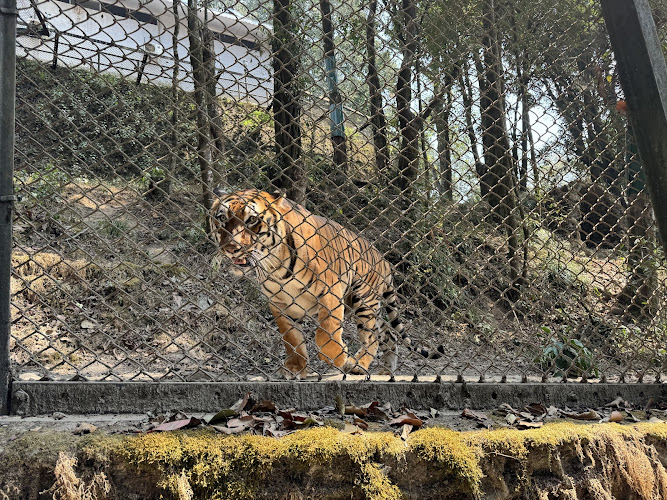
Padmaja Naidu Himalayan Zoological Park
About Padmaja Naidu Himalayan Zoological Park
Description
The Padmaja Naidu Himalayan Zoological Park in Darjeeling is not your average city zoo. It’s perched high up in the cool Himalayan air, making it India’s highest-altitude zoo and one of the most unique animal conservation spaces in the country. Established back in 1958, it was named after Padmaja Naidu, the daughter of Sarojini Naidu, who was famously called the Nightingale of India. Over the decades, it has built a reputation as a serious conservation center rather than just a tourist attraction. And honestly, that’s what makes it so fascinating—it’s not just cages and enclosures, but a living, breathing hub of Himalayan wildlife preservation.
Travelers often find the zoo to be a refreshing experience, partly because of the crisp mountain air and partly because of the animals you are unlikely to see elsewhere. Think snow leopards, red pandas, Himalayan wolves, and even the rare Siberian tigers. It’s the only specialized zoo in the country focused on breeding and conserving animals that thrive in alpine conditions. Sure, some visitors feel it can get a bit crowded during peak season or that the uphill walk to the entrance is tiring, but most agree that the chance to witness these rare species in such a setting outweighs the minor inconveniences.
The zoo is also accessible for families with kids and travelers with mobility needs. Wheelchair-friendly entrances and parking make it easier for everyone to enjoy. Personally, I remember visiting with my elderly uncle who uses a stick, and while the slopes were a bit of a challenge, he still managed to make it around comfortably thanks to the thoughtful layout and benches dotted along the paths. For kids, it’s a mix of wonder and education—they get to see animals they’ve only read about in books, and that spark of curiosity is priceless.
Overall, the zoo balances its role as a conservation hub with being a tourist-friendly attraction. It’s not perfect, but it has heart, and you can feel that when you walk through its winding trails. The experience is less about flashy entertainment and more about quietly appreciating the fragile beauty of Himalayan wildlife.
Key Features
- Home to rare Himalayan species such as red pandas, snow leopards, and Himalayan wolves.
- Specialized conservation breeding centers for endangered animals.
- Recognized by global organizations like WAZA (World Association of Zoos and Aquariums).
- India’s highest-altitude zoo, offering panoramic views of the surrounding mountains.
- Wheelchair accessible entrance and parking facilities.
- Educational exhibits that highlight the ecology of the Eastern Himalayas.
- Peaceful walking trails with shaded areas and resting spots.
Best Time to Visit
The best time to visit the Padmaja Naidu Himalayan Zoological Park is between October and May. During these months, the weather is crisp and clear, making it easier to walk around the zoo’s hilly terrain without feeling exhausted. Winter is particularly magical—imagine spotting a snow leopard while the chilly air nips at your cheeks. Summer is pleasant too, nothing like the sweltering heat of the plains. Monsoon, though, can be a bit tricky. The trails get slippery, and heavy fog sometimes hides the views, so unless you’re a rain-lover, it might not be the most enjoyable time.
Personally, I visited in November, and the atmosphere was just perfect. The animals were active, the sky was a deep blue, and the distant view of Kanchenjunga made the whole experience feel surreal. If you’re someone who enjoys photography, this is the season you’ll want to be here.
How to Get There
Reaching the zoo is part of the adventure. Located in Darjeeling, it’s about 3 kilometers from the town center. You can either walk if you’re up for a bit of exercise (the uphill climb is no joke but rewarding) or hire a local taxi. Shared jeeps are also a popular option for budget travelers. If you’re coming from outside Darjeeling, the nearest major airport is Bagdogra, around 95 kilometers away, and the closest railway hub is New Jalpaiguri. From there, you’ll need to take a cab or shared jeep, which can take anywhere from 3 to 4 hours depending on traffic and weather.
I remember my first trip up to Darjeeling in a shared jeep—it was cramped, yes, but the winding roads and tea gardens along the way kept me glued to the window. By the time we reached the zoo, I already felt like I was in another world.
Tips for Visiting
If you’re planning a trip to the Padmaja Naidu Himalayan Zoological Park, a little preparation goes a long way. Here are some tips from my own visits and from chatting with fellow travelers:
- Wear comfortable shoes: The paths are hilly, and you’ll be walking quite a bit. Sneakers or trekking shoes are your best bet.
- Arrive early: Mornings are quieter, the animals are more active, and you’ll avoid the afternoon rush.
- Carry a light jacket: Even in summer, the weather can turn chilly quickly in Darjeeling.
- Respect the animals: Don’t tap on enclosures or try to feed them. This place is serious about conservation, and it’s best to honor that.
- Plan extra time: The zoo is located alongside the Himalayan Mountaineering Institute and a museum. Both are worth a visit, so don’t rush your trip.
- Stay hydrated: Walking uphill at high altitude can be tiring, so carry a bottle of water with you.
- Photography: Bring a decent zoom lens if you’re into wildlife photography. Some animals like the snow leopard tend to keep their distance.
And one last thing—don’t view the zoo as just another tourist stop on your checklist. Take your time, slow down, and really observe. Watch how a red panda moves, or how a Himalayan wolf paces. These moments stick with you long after you’ve left Darjeeling. For me, the memory of seeing a snow leopard lounging on a rock in the cool mountain air is etched forever. It’s the kind of experience that feels rare, almost a privilege, and that’s what makes this place worth every step.
Key Features
- Home to rare Himalayan species such as red pandas, snow leopards, and Himalayan wolves.
- Specialized conservation breeding centers for endangered animals.
- Recognized by global organizations like WAZA (World Association of Zoos and Aquariums).
- India’s highest-altitude zoo, offering panoramic views of the surrounding mountains.
- Wheelchair accessible entrance and parking facilities.
- Educational exhibits that highlight the ecology of the Eastern Himalayas.
- Peaceful walking trails with shaded areas and resting spots.
More Details
Updated September 9, 2025
Table of Contents
- Description
- Key Features
- Best Time to Visit
- How to Get There
- Tips for Visiting
- Key Highlights
- Location
- Places to Stay Near Padmaja Naidu Himalayan Zoological Park
- Find and Book a Tour
- Explore More Travel Guides
- Nearby Places You Might Like
- Traveler Reviews for Padmaja Naidu Himalayan Zoological Park
- Share Your Experience
Description
The Padmaja Naidu Himalayan Zoological Park in Darjeeling is not your average city zoo. It’s perched high up in the cool Himalayan air, making it India’s highest-altitude zoo and one of the most unique animal conservation spaces in the country. Established back in 1958, it was named after Padmaja Naidu, the daughter of Sarojini Naidu, who was famously called the Nightingale of India. Over the decades, it has built a reputation as a serious conservation center rather than just a tourist attraction. And honestly, that’s what makes it so fascinating—it’s not just cages and enclosures, but a living, breathing hub of Himalayan wildlife preservation.
Travelers often find the zoo to be a refreshing experience, partly because of the crisp mountain air and partly because of the animals you are unlikely to see elsewhere. Think snow leopards, red pandas, Himalayan wolves, and even the rare Siberian tigers. It’s the only specialized zoo in the country focused on breeding and conserving animals that thrive in alpine conditions. Sure, some visitors feel it can get a bit crowded during peak season or that the uphill walk to the entrance is tiring, but most agree that the chance to witness these rare species in such a setting outweighs the minor inconveniences.
The zoo is also accessible for families with kids and travelers with mobility needs. Wheelchair-friendly entrances and parking make it easier for everyone to enjoy. Personally, I remember visiting with my elderly uncle who uses a stick, and while the slopes were a bit of a challenge, he still managed to make it around comfortably thanks to the thoughtful layout and benches dotted along the paths. For kids, it’s a mix of wonder and education—they get to see animals they’ve only read about in books, and that spark of curiosity is priceless.
Overall, the zoo balances its role as a conservation hub with being a tourist-friendly attraction. It’s not perfect, but it has heart, and you can feel that when you walk through its winding trails. The experience is less about flashy entertainment and more about quietly appreciating the fragile beauty of Himalayan wildlife.
Key Features
- Home to rare Himalayan species such as red pandas, snow leopards, and Himalayan wolves.
- Specialized conservation breeding centers for endangered animals.
- Recognized by global organizations like WAZA (World Association of Zoos and Aquariums).
- India’s highest-altitude zoo, offering panoramic views of the surrounding mountains.
- Wheelchair accessible entrance and parking facilities.
- Educational exhibits that highlight the ecology of the Eastern Himalayas.
- Peaceful walking trails with shaded areas and resting spots.
Best Time to Visit
The best time to visit the Padmaja Naidu Himalayan Zoological Park is between October and May. During these months, the weather is crisp and clear, making it easier to walk around the zoo’s hilly terrain without feeling exhausted. Winter is particularly magical—imagine spotting a snow leopard while the chilly air nips at your cheeks. Summer is pleasant too, nothing like the sweltering heat of the plains. Monsoon, though, can be a bit tricky. The trails get slippery, and heavy fog sometimes hides the views, so unless you’re a rain-lover, it might not be the most enjoyable time.
Personally, I visited in November, and the atmosphere was just perfect. The animals were active, the sky was a deep blue, and the distant view of Kanchenjunga made the whole experience feel surreal. If you’re someone who enjoys photography, this is the season you’ll want to be here.
How to Get There
Reaching the zoo is part of the adventure. Located in Darjeeling, it’s about 3 kilometers from the town center. You can either walk if you’re up for a bit of exercise (the uphill climb is no joke but rewarding) or hire a local taxi. Shared jeeps are also a popular option for budget travelers. If you’re coming from outside Darjeeling, the nearest major airport is Bagdogra, around 95 kilometers away, and the closest railway hub is New Jalpaiguri. From there, you’ll need to take a cab or shared jeep, which can take anywhere from 3 to 4 hours depending on traffic and weather.
I remember my first trip up to Darjeeling in a shared jeep—it was cramped, yes, but the winding roads and tea gardens along the way kept me glued to the window. By the time we reached the zoo, I already felt like I was in another world.
Tips for Visiting
If you’re planning a trip to the Padmaja Naidu Himalayan Zoological Park, a little preparation goes a long way. Here are some tips from my own visits and from chatting with fellow travelers:
- Wear comfortable shoes: The paths are hilly, and you’ll be walking quite a bit. Sneakers or trekking shoes are your best bet.
- Arrive early: Mornings are quieter, the animals are more active, and you’ll avoid the afternoon rush.
- Carry a light jacket: Even in summer, the weather can turn chilly quickly in Darjeeling.
- Respect the animals: Don’t tap on enclosures or try to feed them. This place is serious about conservation, and it’s best to honor that.
- Plan extra time: The zoo is located alongside the Himalayan Mountaineering Institute and a museum. Both are worth a visit, so don’t rush your trip.
- Stay hydrated: Walking uphill at high altitude can be tiring, so carry a bottle of water with you.
- Photography: Bring a decent zoom lens if you’re into wildlife photography. Some animals like the snow leopard tend to keep their distance.
And one last thing—don’t view the zoo as just another tourist stop on your checklist. Take your time, slow down, and really observe. Watch how a red panda moves, or how a Himalayan wolf paces. These moments stick with you long after you’ve left Darjeeling. For me, the memory of seeing a snow leopard lounging on a rock in the cool mountain air is etched forever. It’s the kind of experience that feels rare, almost a privilege, and that’s what makes this place worth every step.
Key Highlights
- Home to rare Himalayan species such as red pandas, snow leopards, and Himalayan wolves.
- Specialized conservation breeding centers for endangered animals.
- Recognized by global organizations like WAZA (World Association of Zoos and Aquariums).
- India’s highest-altitude zoo, offering panoramic views of the surrounding mountains.
- Wheelchair accessible entrance and parking facilities.
- Educational exhibits that highlight the ecology of the Eastern Himalayas.
- Peaceful walking trails with shaded areas and resting spots.
Location
Places to Stay Near Padmaja Naidu Himalayan Zoological Park
Find and Book a Tour
Explore More Travel Guides
No reviews found! Be the first to review!
Traveler Reviews for Padmaja Naidu Himalayan Zoological Park
There are no reviews yet. Be the first one to write one.
Have you visited Padmaja Naidu Himalayan Zoological Park? Help other travelers by sharing your review.
Find Accommodations Nearby
Recommended Tours & Activities
Visitor Reviews
There are no reviews yet. Be the first one to write one.
Share Your Experience
Have you visited Padmaja Naidu Himalayan Zoological Park? Help other travelers by leaving a review.