
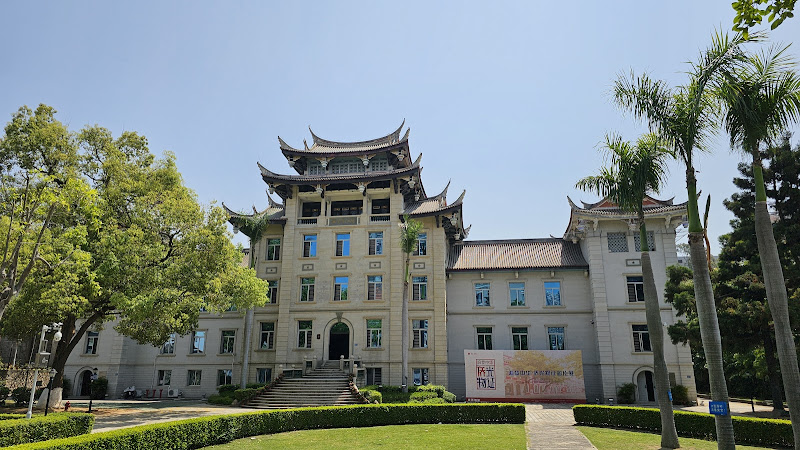
Overseas Chinese Museum
About Overseas Chinese Museum
Description
The Overseas Chinese Museum in Xiamen tells a story that quietly pulls you in before you even realize it. It’s not one of those places that scream for attention with flashy exhibits or loud gimmicks. Instead, it feels like walking into a long conversation—one that’s been going on for generations—about what it means to leave home and still carry it with you wherever you go. Founded in the mid-20th century by Tan Kah Kee, a philanthropist whose name you’ll hear a lot around Xiamen, the museum was built to honor the experiences of Chinese people who ventured abroad in search of opportunity, connection, and sometimes survival. And honestly, it does that beautifully.
Inside, you’ll find artifacts that span centuries—handwritten letters, faded photographs, and personal belongings that once traveled across oceans. I remember standing in front of a display showing the cramped quarters of early Chinese migrants heading to Southeast Asia. It hit me harder than I expected. You can almost feel the uncertainty they must have carried, mixed with hope and grit. The museum doesn’t romanticize that journey; it simply lays it bare. It’s history told through the eyes of ordinary people who did extraordinary things just by leaving everything they knew behind.
What makes the place even more interesting is how it balances nostalgia with education. It’s not just about the past—it’s about understanding how those early migrations shaped modern China and the global Chinese diaspora. You start to see patterns: the shared values, the resilience, the way communities abroad helped build bridges between cultures. And while some exhibits might feel a bit dated (you can tell some displays haven’t been updated in a while), there’s an authenticity to that too. It’s like visiting an old family home where every object has a story if you just stop long enough to listen.
Key Features
- Extensive Historical Exhibits: Displays covering centuries of Chinese migration, from early trade routes to modern diaspora communities.
- Personal Artifacts: Letters, photos, passports, and tools that bring individual migrant stories to life.
- Cultural Displays: Sections dedicated to overseas Chinese contributions in education, business, and philanthropy.
- Interactive Sections: Videos and multimedia presentations that help visitors visualize migration journeys.
- Educational Programs: Occasional workshops and lectures on Chinese heritage and cross-cultural exchange.
- Accessibility: Wheelchair-accessible restrooms and pathways make it easy for everyone to explore comfortably.
- Family-Friendly: The museum’s layout and storytelling approach make it engaging for children and adults alike.
One thing I personally love is how the museum doesn’t shy away from complexity. It acknowledges the hardships—discrimination, identity struggles, and the emotional tug-of-war between two homes. But it also celebrates the triumphs: the communities built, the traditions preserved, and the global impact of overseas Chinese. There’s something quietly powerful about that balance.
Best Time to Visit
If you’re planning a trip, I’d say go during the cooler months—between October and April. Xiamen’s weather can get pretty humid in summer, and honestly, walking through the museum’s galleries feels much more pleasant when you’re not melting. Weekdays are usually calmer too. I made the mistake of going on a Sunday afternoon once, and it was packed with school groups and tour buses. The chatter made it hard to really sink into the exhibits. So, if you can, aim for a weekday morning. You’ll have more space (and peace) to take it all in.
There’s also something about visiting in the early part of the day when sunlight filters softly through the windows, giving the exhibits a warm, nostalgic glow. It’s a small detail, but it adds to the atmosphere. Plus, if you’re into photography, that’s your golden hour indoors—trust me on that.
How to Get There
Getting to the Overseas Chinese Museum is pretty straightforward. Xiamen’s public transport system is efficient, and several bus routes stop nearby. If you’re staying in the Siming District, you could even walk or take a short taxi ride—it’s close to other attractions like Nanputuo Temple and Xiamen University, so you can easily make a day of it. For those who prefer convenience, ride-hailing apps work well in the area, and the drivers are generally familiar with the museum’s location.
Personally, I recommend taking a slow stroll if the weather’s nice. The walk through Xiamen’s tree-lined streets gives you a sense of the city’s rhythm—calm but full of life. You’ll pass small cafés, fruit stalls, and maybe even a few elderly locals playing chess under banyan trees. It’s a nice prelude to the reflective mood the museum sets once you step inside.
Tips for Visiting
Here’s where a bit of practical advice comes in handy. First off, give yourself at least two hours. The museum isn’t huge, but there’s a lot of detail in each section, and rushing through would be a shame. Bring a bottle of water, though you’ll need to sip discreetly since drinks aren’t allowed inside the exhibit halls. And if you’re traveling with kids, the museum does a surprisingly good job of keeping them engaged—there are visual displays and models that make the history feel more tangible.
Photography is allowed in most areas, but flash is a no-go. Some of the older exhibits are sensitive to light, and honestly, it’s better to just soak in the moment rather than worry about perfect shots. If you’re a history buff, take a notebook or use your phone to jot down thoughts—there are so many small details that spark curiosity. I found myself Googling names and places mentioned on old documents later that night, just to learn more about the people behind them.
Also, don’t skip the small gift shop near the exit. It’s not your typical souvenir stop. They sell books, postcards, and crafts that actually tie into the themes of migration and cultural heritage. I picked up a small handmade bookmark there once, and every time I use it, it reminds me of the quiet strength in those stories told inside the museum walls.
Lastly, if you’re the type who likes to pair experiences, consider visiting the nearby Xiamen University campus afterward. The contrast between the museum’s historical tone and the youthful energy of the university is refreshing. It almost feels symbolic—past and future existing side by side.
In short, the Overseas Chinese Museum isn’t just another stop on a tourist map. It’s a place that invites reflection, empathy, and curiosity. You don’t walk out with just facts—you walk out with stories, emotions, and maybe even a deeper appreciation for what it means to belong somewhere, or everywhere, at once. And that’s something you can’t really put a price on.
Key Features
- Key Features
- Best Time to Visit
- How to Get There
- Tips for Visiting
More Details
Updated October 9, 2025
Table of Contents
Description
The Overseas Chinese Museum in Xiamen tells a story that quietly pulls you in before you even realize it. It’s not one of those places that scream for attention with flashy exhibits or loud gimmicks. Instead, it feels like walking into a long conversation—one that’s been going on for generations—about what it means to leave home and still carry it with you wherever you go. Founded in the mid-20th century by Tan Kah Kee, a philanthropist whose name you’ll hear a lot around Xiamen, the museum was built to honor the experiences of Chinese people who ventured abroad in search of opportunity, connection, and sometimes survival. And honestly, it does that beautifully.
Inside, you’ll find artifacts that span centuries—handwritten letters, faded photographs, and personal belongings that once traveled across oceans. I remember standing in front of a display showing the cramped quarters of early Chinese migrants heading to Southeast Asia. It hit me harder than I expected. You can almost feel the uncertainty they must have carried, mixed with hope and grit. The museum doesn’t romanticize that journey; it simply lays it bare. It’s history told through the eyes of ordinary people who did extraordinary things just by leaving everything they knew behind.
What makes the place even more interesting is how it balances nostalgia with education. It’s not just about the past—it’s about understanding how those early migrations shaped modern China and the global Chinese diaspora. You start to see patterns: the shared values, the resilience, the way communities abroad helped build bridges between cultures. And while some exhibits might feel a bit dated (you can tell some displays haven’t been updated in a while), there’s an authenticity to that too. It’s like visiting an old family home where every object has a story if you just stop long enough to listen.
Key Features
- Extensive Historical Exhibits: Displays covering centuries of Chinese migration, from early trade routes to modern diaspora communities.
- Personal Artifacts: Letters, photos, passports, and tools that bring individual migrant stories to life.
- Cultural Displays: Sections dedicated to overseas Chinese contributions in education, business, and philanthropy.
- Interactive Sections: Videos and multimedia presentations that help visitors visualize migration journeys.
- Educational Programs: Occasional workshops and lectures on Chinese heritage and cross-cultural exchange.
- Accessibility: Wheelchair-accessible restrooms and pathways make it easy for everyone to explore comfortably.
- Family-Friendly: The museum’s layout and storytelling approach make it engaging for children and adults alike.
One thing I personally love is how the museum doesn’t shy away from complexity. It acknowledges the hardships—discrimination, identity struggles, and the emotional tug-of-war between two homes. But it also celebrates the triumphs: the communities built, the traditions preserved, and the global impact of overseas Chinese. There’s something quietly powerful about that balance.
Best Time to Visit
If you’re planning a trip, I’d say go during the cooler months—between October and April. Xiamen’s weather can get pretty humid in summer, and honestly, walking through the museum’s galleries feels much more pleasant when you’re not melting. Weekdays are usually calmer too. I made the mistake of going on a Sunday afternoon once, and it was packed with school groups and tour buses. The chatter made it hard to really sink into the exhibits. So, if you can, aim for a weekday morning. You’ll have more space (and peace) to take it all in.
There’s also something about visiting in the early part of the day when sunlight filters softly through the windows, giving the exhibits a warm, nostalgic glow. It’s a small detail, but it adds to the atmosphere. Plus, if you’re into photography, that’s your golden hour indoors—trust me on that.
How to Get There
Getting to the Overseas Chinese Museum is pretty straightforward. Xiamen’s public transport system is efficient, and several bus routes stop nearby. If you’re staying in the Siming District, you could even walk or take a short taxi ride—it’s close to other attractions like Nanputuo Temple and Xiamen University, so you can easily make a day of it. For those who prefer convenience, ride-hailing apps work well in the area, and the drivers are generally familiar with the museum’s location.
Personally, I recommend taking a slow stroll if the weather’s nice. The walk through Xiamen’s tree-lined streets gives you a sense of the city’s rhythm—calm but full of life. You’ll pass small cafés, fruit stalls, and maybe even a few elderly locals playing chess under banyan trees. It’s a nice prelude to the reflective mood the museum sets once you step inside.
Tips for Visiting
Here’s where a bit of practical advice comes in handy. First off, give yourself at least two hours. The museum isn’t huge, but there’s a lot of detail in each section, and rushing through would be a shame. Bring a bottle of water, though you’ll need to sip discreetly since drinks aren’t allowed inside the exhibit halls. And if you’re traveling with kids, the museum does a surprisingly good job of keeping them engaged—there are visual displays and models that make the history feel more tangible.
Photography is allowed in most areas, but flash is a no-go. Some of the older exhibits are sensitive to light, and honestly, it’s better to just soak in the moment rather than worry about perfect shots. If you’re a history buff, take a notebook or use your phone to jot down thoughts—there are so many small details that spark curiosity. I found myself Googling names and places mentioned on old documents later that night, just to learn more about the people behind them.
Also, don’t skip the small gift shop near the exit. It’s not your typical souvenir stop. They sell books, postcards, and crafts that actually tie into the themes of migration and cultural heritage. I picked up a small handmade bookmark there once, and every time I use it, it reminds me of the quiet strength in those stories told inside the museum walls.
Lastly, if you’re the type who likes to pair experiences, consider visiting the nearby Xiamen University campus afterward. The contrast between the museum’s historical tone and the youthful energy of the university is refreshing. It almost feels symbolic—past and future existing side by side.
In short, the Overseas Chinese Museum isn’t just another stop on a tourist map. It’s a place that invites reflection, empathy, and curiosity. You don’t walk out with just facts—you walk out with stories, emotions, and maybe even a deeper appreciation for what it means to belong somewhere, or everywhere, at once. And that’s something you can’t really put a price on.
Key Highlights
- Key Features
- Best Time to Visit
- How to Get There
- Tips for Visiting
Location
Places to Stay Near Overseas Chinese Museum
Find and Book a Tour
Explore More Travel Guides
No reviews found! Be the first to review!
Traveler Reviews for Overseas Chinese Museum
There are no reviews yet. Be the first one to write one.
Have you visited Overseas Chinese Museum? Help other travelers by sharing your review.
You Might Also Like

Wuyuanwan Wetland Park
Xiamen National Ocean Park S Gate
Gulangyu
Find Accommodations Nearby
Recommended Tours & Activities
Visitor Reviews
There are no reviews yet. Be the first one to write one.
Share Your Experience
Have you visited Overseas Chinese Museum? Help other travelers by leaving a review.