
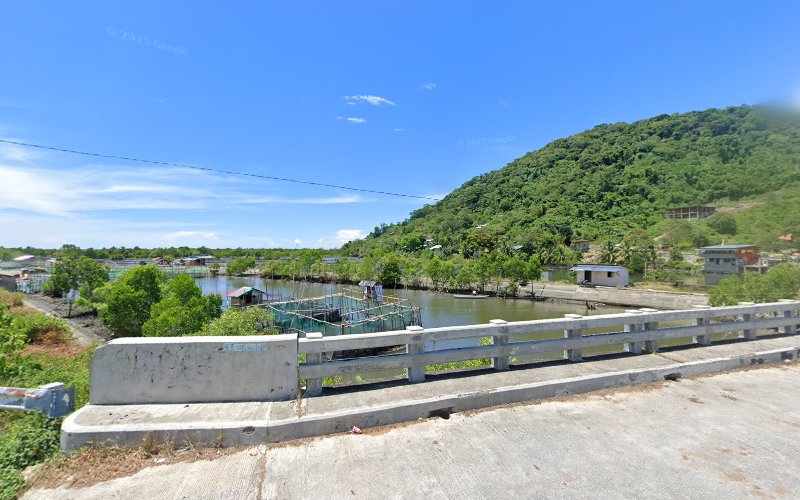
Overlook
About Overlook
Description
The Overlook is one of those places that quietly takes your breath away before you even realize it. A historical landmark tucked in the heart of Cotabato City, it carries with it the echoes of the past, the kind that make you pause and think about how many people have stood there before you—watching the same view, feeling the same breeze, maybe even thinking the same thoughts. It’s not just a spot for sightseeing; it’s a place that tells stories without uttering a single word.
When I first visited, I remember climbing up just as the sun began to dip behind the horizon. The sky turned this deep mix of amber and violet, and for a moment, everything felt still. You could hear the distant hum of the city below, but up there, it was just peace. The Overlook has this quiet charm—part history, part nature, and part mystery. It’s the kind of place that doesn’t try too hard to impress but somehow leaves a mark on you anyway.
Families often come here, and it’s surprisingly great for kids. There’s enough open space for them to move around safely, and the view keeps adults entertained while they play. It’s a rare balance, really—a historical site that’s both educational and genuinely relaxing. You can almost feel the pride of the locals in how well they’ve preserved it. The stonework, the pathways, even the small plaques that tell bits of its history—they all feel authentic, not overdone.
There’s a sense of reverence here, but it’s not heavy or somber. It’s more like quiet respect. You can tell that the place has seen a lot—conflicts, celebrations, maybe even a few forgotten tales that never made it into the history books. And yet, it stands strong, offering travelers a glimpse into the region’s soul. The Overlook isn’t flashy, but it’s deeply meaningful. It’s the kind of destination that rewards those who take the time to really look and listen.
Key Features
- A panoramic view of Cotabato City and the surrounding landscapes that changes beautifully with the light throughout the day.
- Historical markers detailing the site’s cultural and historical significance.
- Well-maintained walking paths and shaded rest areas for visitors of all ages.
- Safe and open spaces suitable for children and families.
- Local guides occasionally available to share stories and facts about the site’s history.
- Quiet spots perfect for photography, sketching, or simply reflecting.
- Nearby local eateries and vendors offering authentic regional snacks and drinks.
What I personally love about the Overlook is how it offers both a sense of grandeur and intimacy at once. You can stand there with dozens of other visitors and still feel like you’re having a private moment with the place. The air feels lighter, the view feels endless, and somehow, your thoughts slow down just enough to let you appreciate where you are.
Best Time to Visit
If you ask me, the best time to visit the Overlook is either early in the morning or late in the afternoon. Mornings bring this soft, hazy light that makes the entire area glow, and you’ll often find locals doing their morning walks or simply sitting quietly with a cup of coffee. It’s calm, almost meditative.
Late afternoons, though—that’s when the magic happens. The sunset here is something else. The way the light spills across the city below, turning everything gold and then fading into deep orange and purple—it’s a show you won’t forget. And if you’re into photography, this is your golden hour haven.
Avoid midday if you can. The heat can be pretty intense, and while the view is still impressive, it’s not as comfortable. Plus, the softer lighting during sunrise or sunset makes the scenery far more photogenic. If you’re traveling with kids, mornings are better—they’ll have more energy, and you’ll avoid the crowds that tend to gather later in the day.
How to Get There
Reaching the Overlook is relatively straightforward, though the journey itself feels like part of the adventure. Most travelers start from the city center, where you can easily grab a tricycle or local transport heading toward the site. The road winds gently upward, offering glimpses of both the cityscape and the surrounding greenery. It’s not a long trip, but it’s scenic enough that you might find yourself stopping along the way just to take a photo or two.
For those who prefer to walk or hike, it’s doable if you’re up for a bit of exercise. The path is manageable, though it can get steep in parts. I’ve done it both ways—once by vehicle and once on foot—and honestly, walking gave me a deeper appreciation of the area. You notice the little things that way: the sound of distant church bells, the smell of freshly cooked food drifting from nearby homes, the laughter of children playing along the roadside. It’s the kind of journey that reminds you travel isn’t just about the destination—it’s about the small moments along the way.
Tips for Visiting
Here’s where a bit of practical advice can go a long way. The Overlook might not be a massive tourist complex, but that’s part of its charm. A few small preparations can make your visit a lot smoother—and more enjoyable.
- Bring water and snacks. There are nearby vendors, but it’s always smart to have your own, especially if you plan to stay for a while or walk up.
- Wear comfortable shoes. The terrain can be uneven in spots, and you’ll want to explore freely without worrying about your footing.
- Go during off-peak hours. Early mornings and weekdays are quieter, giving you space to take in the view in peace.
- Respect the site. It’s a historical landmark, so treat it with care. Avoid littering or climbing on restricted areas.
- Bring a camera or phone with good battery life. You’ll want to capture the views, trust me.
- Talk to locals if you can. They often share stories or tidbits about the Overlook that you won’t find in any guidebook.
- Stay for sunset. Even if you’ve seen sunsets before, this one feels different—more personal somehow.
One small thing I learned the hard way: bring a light jacket if you’re staying until evening. The temperature drops faster than you’d expect, and that cool breeze can surprise you. But honestly, it’s part of the experience—the kind of chill that makes you feel alive and grateful to be exactly where you are.
If you’re traveling with kids, the Overlook is a great teaching moment disguised as an outing. You can talk about the local history, let them explore safely, and show them how to appreciate places that carry meaning beyond their beauty. It’s not just another tourist stop—it’s a reminder of how history, culture, and nature can coexist in one quiet, powerful space.
So, if you’re planning your next trip through Cotabato City, make sure the Overlook is on your list. It’s not the kind of place that shouts for attention, but it’s one that stays with you long after you’ve left. And maybe, like me, you’ll find yourself thinking about it weeks later—the view, the calm, the feeling of standing somewhere that has seen centuries pass and still manages to feel timeless.
Key Features
- A panoramic view of Cotabato City and the surrounding landscapes that changes beautifully with the light throughout the day.
- Historical markers detailing the site’s cultural and historical significance.
- Well-maintained walking paths and shaded rest areas for visitors of all ages.
- Safe and open spaces suitable for children and families.
- Local guides occasionally available to share stories and facts about the site’s history.
- Quiet spots perfect for photography, sketching, or simply reflecting.
- Nearby local eateries and vendors offering authentic regional snacks and drinks.
More Details
Updated December 1, 2025
Table of Contents
Description
The Overlook is one of those places that quietly takes your breath away before you even realize it. A historical landmark tucked in the heart of Cotabato City, it carries with it the echoes of the past, the kind that make you pause and think about how many people have stood there before you—watching the same view, feeling the same breeze, maybe even thinking the same thoughts. It’s not just a spot for sightseeing; it’s a place that tells stories without uttering a single word.
When I first visited, I remember climbing up just as the sun began to dip behind the horizon. The sky turned this deep mix of amber and violet, and for a moment, everything felt still. You could hear the distant hum of the city below, but up there, it was just peace. The Overlook has this quiet charm—part history, part nature, and part mystery. It’s the kind of place that doesn’t try too hard to impress but somehow leaves a mark on you anyway.
Families often come here, and it’s surprisingly great for kids. There’s enough open space for them to move around safely, and the view keeps adults entertained while they play. It’s a rare balance, really—a historical site that’s both educational and genuinely relaxing. You can almost feel the pride of the locals in how well they’ve preserved it. The stonework, the pathways, even the small plaques that tell bits of its history—they all feel authentic, not overdone.
There’s a sense of reverence here, but it’s not heavy or somber. It’s more like quiet respect. You can tell that the place has seen a lot—conflicts, celebrations, maybe even a few forgotten tales that never made it into the history books. And yet, it stands strong, offering travelers a glimpse into the region’s soul. The Overlook isn’t flashy, but it’s deeply meaningful. It’s the kind of destination that rewards those who take the time to really look and listen.
Key Features
- A panoramic view of Cotabato City and the surrounding landscapes that changes beautifully with the light throughout the day.
- Historical markers detailing the site’s cultural and historical significance.
- Well-maintained walking paths and shaded rest areas for visitors of all ages.
- Safe and open spaces suitable for children and families.
- Local guides occasionally available to share stories and facts about the site’s history.
- Quiet spots perfect for photography, sketching, or simply reflecting.
- Nearby local eateries and vendors offering authentic regional snacks and drinks.
What I personally love about the Overlook is how it offers both a sense of grandeur and intimacy at once. You can stand there with dozens of other visitors and still feel like you’re having a private moment with the place. The air feels lighter, the view feels endless, and somehow, your thoughts slow down just enough to let you appreciate where you are.
Best Time to Visit
If you ask me, the best time to visit the Overlook is either early in the morning or late in the afternoon. Mornings bring this soft, hazy light that makes the entire area glow, and you’ll often find locals doing their morning walks or simply sitting quietly with a cup of coffee. It’s calm, almost meditative.
Late afternoons, though—that’s when the magic happens. The sunset here is something else. The way the light spills across the city below, turning everything gold and then fading into deep orange and purple—it’s a show you won’t forget. And if you’re into photography, this is your golden hour haven.
Avoid midday if you can. The heat can be pretty intense, and while the view is still impressive, it’s not as comfortable. Plus, the softer lighting during sunrise or sunset makes the scenery far more photogenic. If you’re traveling with kids, mornings are better—they’ll have more energy, and you’ll avoid the crowds that tend to gather later in the day.
How to Get There
Reaching the Overlook is relatively straightforward, though the journey itself feels like part of the adventure. Most travelers start from the city center, where you can easily grab a tricycle or local transport heading toward the site. The road winds gently upward, offering glimpses of both the cityscape and the surrounding greenery. It’s not a long trip, but it’s scenic enough that you might find yourself stopping along the way just to take a photo or two.
For those who prefer to walk or hike, it’s doable if you’re up for a bit of exercise. The path is manageable, though it can get steep in parts. I’ve done it both ways—once by vehicle and once on foot—and honestly, walking gave me a deeper appreciation of the area. You notice the little things that way: the sound of distant church bells, the smell of freshly cooked food drifting from nearby homes, the laughter of children playing along the roadside. It’s the kind of journey that reminds you travel isn’t just about the destination—it’s about the small moments along the way.
Tips for Visiting
Here’s where a bit of practical advice can go a long way. The Overlook might not be a massive tourist complex, but that’s part of its charm. A few small preparations can make your visit a lot smoother—and more enjoyable.
- Bring water and snacks. There are nearby vendors, but it’s always smart to have your own, especially if you plan to stay for a while or walk up.
- Wear comfortable shoes. The terrain can be uneven in spots, and you’ll want to explore freely without worrying about your footing.
- Go during off-peak hours. Early mornings and weekdays are quieter, giving you space to take in the view in peace.
- Respect the site. It’s a historical landmark, so treat it with care. Avoid littering or climbing on restricted areas.
- Bring a camera or phone with good battery life. You’ll want to capture the views, trust me.
- Talk to locals if you can. They often share stories or tidbits about the Overlook that you won’t find in any guidebook.
- Stay for sunset. Even if you’ve seen sunsets before, this one feels different—more personal somehow.
One small thing I learned the hard way: bring a light jacket if you’re staying until evening. The temperature drops faster than you’d expect, and that cool breeze can surprise you. But honestly, it’s part of the experience—the kind of chill that makes you feel alive and grateful to be exactly where you are.
If you’re traveling with kids, the Overlook is a great teaching moment disguised as an outing. You can talk about the local history, let them explore safely, and show them how to appreciate places that carry meaning beyond their beauty. It’s not just another tourist stop—it’s a reminder of how history, culture, and nature can coexist in one quiet, powerful space.
So, if you’re planning your next trip through Cotabato City, make sure the Overlook is on your list. It’s not the kind of place that shouts for attention, but it’s one that stays with you long after you’ve left. And maybe, like me, you’ll find yourself thinking about it weeks later—the view, the calm, the feeling of standing somewhere that has seen centuries pass and still manages to feel timeless.
Key Highlights
- A panoramic view of Cotabato City and the surrounding landscapes that changes beautifully with the light throughout the day.
- Historical markers detailing the site’s cultural and historical significance.
- Well-maintained walking paths and shaded rest areas for visitors of all ages.
- Safe and open spaces suitable for children and families.
- Local guides occasionally available to share stories and facts about the site’s history.
- Quiet spots perfect for photography, sketching, or simply reflecting.
- Nearby local eateries and vendors offering authentic regional snacks and drinks.
Location
Places to Stay Near Overlook
Find and Book a Tour
Explore More Travel Guides
No reviews found! Be the first to review!
Traveler Reviews for Overlook
There are no reviews yet. Be the first one to write one.
Have you visited Overlook? Help other travelers by sharing your review.
You Might Also Like

Bormaheco cotabato city

Antonio Mendez

BARMM Park
Find Accommodations Nearby
Recommended Tours & Activities
Visitor Reviews
There are no reviews yet. Be the first one to write one.
Share Your Experience
Have you visited Overlook? Help other travelers by leaving a review.