

Orlando Museum of Art
About Orlando Museum of Art
Description
If you think Orlando is all about theme parks, give yourself permission to be surprised. Tucked away just a short drive from downtown, the Orlando Museum of Art is one of those places that quietly wows you—I’m talking about the sort of museum where you stumble across a contemporary sculpture that makes you smile for no reason, or an African textile that gets you thinking about a culture you barely knew existed. It's modern, yes, but there's also this grounded sense of history running through the building, which is simultaneously truthfully Floridian and, somehow, beautifully global.
Now, I’ve been to my share of “must-see” museums around the world (get me started on Berlin’s Museum Island and we’ll be here all day), and honestly, what struck me about the Orlando Museum of Art was the way it manages to feel approachable. Maybe it’s the wide, sun-drenched halls or the cheerful volunteers at the front desk. Maybe it’s that the staff don’t look at you funny if you hover a bit too long by your favorite painting. This place attracts all sorts—families wrangling kids, college groups, out-of-town culture nerds, locals popping in after brunch. It doesn’t feel pretentious. You’re not obligated to “get” every piece of art, which is refreshing.
Another thing: the exhibits rotate regularly. Yes, there are core collections (modern American graphics, funky midcentury prints, African artifacts that’ll make you wonder why so many museums ignore the continent). But every time I visit—especially if I wait three or four months—something new and unexpected greets me. I once stumbled into a pop-up festival full of digital art installations, with kids buzzing around and older couples quietly taking it all in. The energy here changes with the exhibits, which means repeat visits always feel justified.
But hey, it’s not perfect. Sometimes an exhibit is a miss (experimental can veer into the truly bizarre), and occasionally I’ve heard folks complain the museum isn’t “big” enough compared to those sprawling, international behemoths. There are parts that are a little dated and, sure, not every staff member seems delighted to discuss art history with you. Big-picture, though? The positive by far outweighs the negatives if you ask me—and judging from the crowd most weekends, I’m not alone in that.
Key Features
- Eclectic Exhibits: Expect an ever-changing lineup of visual art, from modern American paintings to intricate African artifacts. It’s rare to see the exact same thing twice.
- Family-Friendly Activities: The museum is designed with both adults and kids in mind. Think scavenger hunts, interactive zones, and kid-focused workshops that are actually fun (my niece still talks about building her own sculpture here).
- Welcoming to All: Seriously inclusive vibes—LGBTQ+-friendly, gender-neutral restrooms, tours adapted for all ages and backgrounds, and events that feel like genuine community gatherings.
- Onsite Services: From the moment you walk in, you’ll find accessible restrooms, wheelchair rentals, accessible parking and entrances, and family amenities like changing tables.
- Active Military Discounts: If you’re active duty, bring your I.D. and snag a discount at the entrance.
- Gift Shop: Full of local artist goodies, quirky prints, and stuff you’ll actually want to take home (rather than gather dust on a shelf—unless, like me, you’re a rabid mug collector).
- Free Wi-Fi: Snap, post, research—no data needed.
- Live Performances & Events: Keep an eye on the calendar; there are lectures, workshops, and live performances, especially around festival times.
- Guided Tours: If you really want to dig into the stories behind the art, hop onto a docent-led tour—these folks know their stuff but keep it lively and accessible, not dry textbook fare.
- Festival Hub: From art festivals to seasonal workshops, the museum punches above its weight as an event space (and even does weddings—how fancy is that?).
Best Time to Visit
I always tell friends: avoid midday weekends if you can—unless you adore crowds and lines for the restroom (and let’s be honest, who does?). Early mornings on weekdays are golden; you’ll have whole galleries to yourself, and the peace is lovely. Tourist traffic spikes during spring break and the December holidays, so if you relish a bit of solitude, plan around those dates. Personally, I love popping by in late fall or early spring—the weather outside is cooler, but inside it’s delightfully climate-controlled, which is a big deal in Central Florida's “why is it already so hot?” season.
Special note: Check the events calendar before your trip. The museum often hosts art festivals, live performances, and big family day celebrations. If you time your visit during one of these, it’s a whole different experience (think live music echoing through the halls, artists chatting about their inspirations, and activities spilling onto the lawns outside). But, if you prefer to contemplate art in serene silence, maybe pick a quieter day. Also, first Fridays? Sometimes there’s extended evening hours and a much different energy—more locals, less “tour bus” vibe.
One more thing: Severe Orlando thunderstorms roll in almost daily during peak summer (June to September), so if you’re pairing your visit with lots of walking or public transit, try the morning.
How to Get There
Now for the surprisingly fun logistical part (or maybe I’m just weird). Getting to the Orlando Museum of Art isn’t a back-breaking ordeal, but a bit of planning never hurt anyone. Here’s the rundown:
- By Car: Most travelers opt for the rental car—the museum has a decently sized parking lot. It’s not free—bring a few singles or a credit card for parking fees. Parking is usually available unless there’s a major event or festival. Word to the wise: On event nights, arrive early or expect a walk.
- Public Transit: If you’re like me, occasionally ditching the car and going green, Orlando’s Lynx bus system does connect near the museum. It’s not the fastest system in the world, but reliable enough for an artful afternoon trip. Check the latest schedules because they change more than you might think.
- Rideshare: Uber or Lyft is quick and hassle-free if you’re coming from most of the major city hotels. Just punch in the address, and you get dropped right by the main entrance. Zero stress—though sometimes surge pricing applies, so check before you hit “confirm.”
- Bike: I’ve seen more folks biking over lately, thanks to improvements in bike lanes and city infrastructure. There’s a bike rack near the main entry. If you’re staying nearby or just enjoy two-wheeled wandering on a sunny day, that’s a fun alternative.
Pro tip from experience: If you rely on a GPS, double-check it doesn’t try to sneak you into some weird building entrance. Stick to the main lot for easy access, especially if you have kids or accessibility needs.
Tips for Visiting
Alright—here’s where years of popping in, dragging friends, surviving a meltdown from a sugar-loaded toddler, and many hours of people-watching come in handy. These are the nuggets I wish someone had told me before my first trip:
- Buy tickets in advance if there’s a big exhibit or event slated—otherwise, you risk waiting in a surprisingly long line. Not a disaster, but not ideal if you’re wrangling little ones or dodging Florida heat.
- Check the changing exhibits online before you go. The permanent collections are great, but the traveling and seasonal shows are sometimes the real head-turners. I’ve discovered artists here I now follow religiously on social media.
- Plan for 2–3 hours. That’s the sweet spot. Rushing through in an hour doesn’t do it justice, but unless you’re an art superfan, an all-day visit might leave you a bit museum-fatigued.
- Bring snacks (for the kids, at least). There isn’t a full-service restaurant onsite—just vending machines near the lobby. It’s not a dealbreaker, but if your group gets hangry, stash a granola bar in your bag.
- The gift shop is surprisingly cool. Local crafts, clever souvenirs, and books galore. I grab greeting cards for birthdays here—less “touristy,” more “thoughtful.”
- If accessibility is key, rest easy. Wheelchair rentals, accessible bathrooms, and gender-neutral restrooms are available. Staff tends to be helpful, and entry/exits are ramped.
- Look out for free or discounted admission days, especially if your travel budget’s tight
Key Features
- Key Features
- Best Time to Visit
- How to Get There
- Tips for Visiting
More Details
Updated July 1, 2025
Table of Contents
Description
If you think Orlando is all about theme parks, give yourself permission to be surprised. Tucked away just a short drive from downtown, the Orlando Museum of Art is one of those places that quietly wows you—I’m talking about the sort of museum where you stumble across a contemporary sculpture that makes you smile for no reason, or an African textile that gets you thinking about a culture you barely knew existed. It’s modern, yes, but there’s also this grounded sense of history running through the building, which is simultaneously truthfully Floridian and, somehow, beautifully global.
Now, I’ve been to my share of “must-see” museums around the world (get me started on Berlin’s Museum Island and we’ll be here all day), and honestly, what struck me about the Orlando Museum of Art was the way it manages to feel approachable. Maybe it’s the wide, sun-drenched halls or the cheerful volunteers at the front desk. Maybe it’s that the staff don’t look at you funny if you hover a bit too long by your favorite painting. This place attracts all sorts—families wrangling kids, college groups, out-of-town culture nerds, locals popping in after brunch. It doesn’t feel pretentious. You’re not obligated to “get” every piece of art, which is refreshing.
Another thing: the exhibits rotate regularly. Yes, there are core collections (modern American graphics, funky midcentury prints, African artifacts that’ll make you wonder why so many museums ignore the continent). But every time I visit—especially if I wait three or four months—something new and unexpected greets me. I once stumbled into a pop-up festival full of digital art installations, with kids buzzing around and older couples quietly taking it all in. The energy here changes with the exhibits, which means repeat visits always feel justified.
But hey, it’s not perfect. Sometimes an exhibit is a miss (experimental can veer into the truly bizarre), and occasionally I’ve heard folks complain the museum isn’t “big” enough compared to those sprawling, international behemoths. There are parts that are a little dated and, sure, not every staff member seems delighted to discuss art history with you. Big-picture, though? The positive by far outweighs the negatives if you ask me—and judging from the crowd most weekends, I’m not alone in that.
Key Features
- Eclectic Exhibits: Expect an ever-changing lineup of visual art, from modern American paintings to intricate African artifacts. It’s rare to see the exact same thing twice.
- Family-Friendly Activities: The museum is designed with both adults and kids in mind. Think scavenger hunts, interactive zones, and kid-focused workshops that are actually fun (my niece still talks about building her own sculpture here).
- Welcoming to All: Seriously inclusive vibes—LGBTQ+-friendly, gender-neutral restrooms, tours adapted for all ages and backgrounds, and events that feel like genuine community gatherings.
- Onsite Services: From the moment you walk in, you’ll find accessible restrooms, wheelchair rentals, accessible parking and entrances, and family amenities like changing tables.
- Active Military Discounts: If you’re active duty, bring your I.D. and snag a discount at the entrance.
- Gift Shop: Full of local artist goodies, quirky prints, and stuff you’ll actually want to take home (rather than gather dust on a shelf—unless, like me, you’re a rabid mug collector).
- Free Wi-Fi: Snap, post, research—no data needed.
- Live Performances & Events: Keep an eye on the calendar; there are lectures, workshops, and live performances, especially around festival times.
- Guided Tours: If you really want to dig into the stories behind the art, hop onto a docent-led tour—these folks know their stuff but keep it lively and accessible, not dry textbook fare.
- Festival Hub: From art festivals to seasonal workshops, the museum punches above its weight as an event space (and even does weddings—how fancy is that?).
Best Time to Visit
I always tell friends: avoid midday weekends if you can—unless you adore crowds and lines for the restroom (and let’s be honest, who does?). Early mornings on weekdays are golden; you’ll have whole galleries to yourself, and the peace is lovely. Tourist traffic spikes during spring break and the December holidays, so if you relish a bit of solitude, plan around those dates. Personally, I love popping by in late fall or early spring—the weather outside is cooler, but inside it’s delightfully climate-controlled, which is a big deal in Central Florida’s “why is it already so hot?” season.
Special note: Check the events calendar before your trip. The museum often hosts art festivals, live performances, and big family day celebrations. If you time your visit during one of these, it’s a whole different experience (think live music echoing through the halls, artists chatting about their inspirations, and activities spilling onto the lawns outside). But, if you prefer to contemplate art in serene silence, maybe pick a quieter day. Also, first Fridays? Sometimes there’s extended evening hours and a much different energy—more locals, less “tour bus” vibe.
One more thing: Severe Orlando thunderstorms roll in almost daily during peak summer (June to September), so if you’re pairing your visit with lots of walking or public transit, try the morning.
How to Get There
Now for the surprisingly fun logistical part (or maybe I’m just weird). Getting to the Orlando Museum of Art isn’t a back-breaking ordeal, but a bit of planning never hurt anyone. Here’s the rundown:
- By Car: Most travelers opt for the rental car—the museum has a decently sized parking lot. It’s not free—bring a few singles or a credit card for parking fees. Parking is usually available unless there’s a major event or festival. Word to the wise: On event nights, arrive early or expect a walk.
- Public Transit: If you’re like me, occasionally ditching the car and going green, Orlando’s Lynx bus system does connect near the museum. It’s not the fastest system in the world, but reliable enough for an artful afternoon trip. Check the latest schedules because they change more than you might think.
- Rideshare: Uber or Lyft is quick and hassle-free if you’re coming from most of the major city hotels. Just punch in the address, and you get dropped right by the main entrance. Zero stress—though sometimes surge pricing applies, so check before you hit “confirm.”
- Bike: I’ve seen more folks biking over lately, thanks to improvements in bike lanes and city infrastructure. There’s a bike rack near the main entry. If you’re staying nearby or just enjoy two-wheeled wandering on a sunny day, that’s a fun alternative.
Pro tip from experience: If you rely on a GPS, double-check it doesn’t try to sneak you into some weird building entrance. Stick to the main lot for easy access, especially if you have kids or accessibility needs.
Tips for Visiting
Alright—here’s where years of popping in, dragging friends, surviving a meltdown from a sugar-loaded toddler, and many hours of people-watching come in handy. These are the nuggets I wish someone had told me before my first trip:
- Buy tickets in advance if there’s a big exhibit or event slated—otherwise, you risk waiting in a surprisingly long line. Not a disaster, but not ideal if you’re wrangling little ones or dodging Florida heat.
- Check the changing exhibits online before you go. The permanent collections are great, but the traveling and seasonal shows are sometimes the real head-turners. I’ve discovered artists here I now follow religiously on social media.
- Plan for 2–3 hours. That’s the sweet spot. Rushing through in an hour doesn’t do it justice, but unless you’re an art superfan, an all-day visit might leave you a bit museum-fatigued.
- Bring snacks (for the kids, at least). There isn’t a full-service restaurant onsite—just vending machines near the lobby. It’s not a dealbreaker, but if your group gets hangry, stash a granola bar in your bag.
- The gift shop is surprisingly cool. Local crafts, clever souvenirs, and books galore. I grab greeting cards for birthdays here—less “touristy,” more “thoughtful.”
- If accessibility is key, rest easy. Wheelchair rentals, accessible bathrooms, and gender-neutral restrooms are available. Staff tends to be helpful, and entry/exits are ramped.
- Look out for free or discounted admission days, especially if your travel budget’s tight
Key Highlights
- Key Features
- Best Time to Visit
- How to Get There
- Tips for Visiting
Location
Places to Stay Near Orlando Museum of Art
Find and Book a Tour
Explore More Travel Guides
No reviews found! Be the first to review!
Traveler Reviews for Orlando Museum of Art
There are no reviews yet. Be the first one to write one.
Have you visited Orlando Museum of Art? Help other travelers by sharing your review.
You Might Also Like

Valley of Mo

Magic Kingdom Park
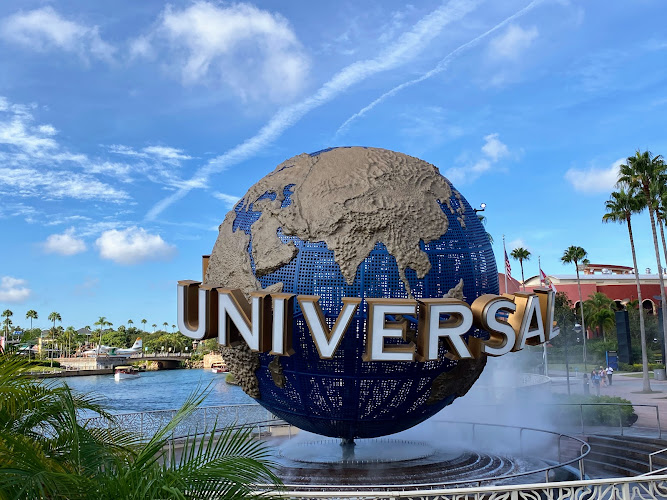
Universal Orlando Resort
Find Accommodations Nearby
Recommended Tours & Activities
Visitor Reviews
There are no reviews yet. Be the first one to write one.
Share Your Experience
Have you visited Orlando Museum of Art? Help other travelers by leaving a review.