
Openluchtmuseum De Duinhuisjes
About Openluchtmuseum De Duinhuisjes
Description
If you’re like me and you love stumbling upon hidden gems that time sort of left behind—but in the best possible way—then Openluchtmuseum De Duinhuisjes is going to be one of those spots you think of years down the road, with a smile. Now, don’t expect anything huge or swanky; what you’ll find here is pure nostalgia, restored with real love and care by local volunteers.
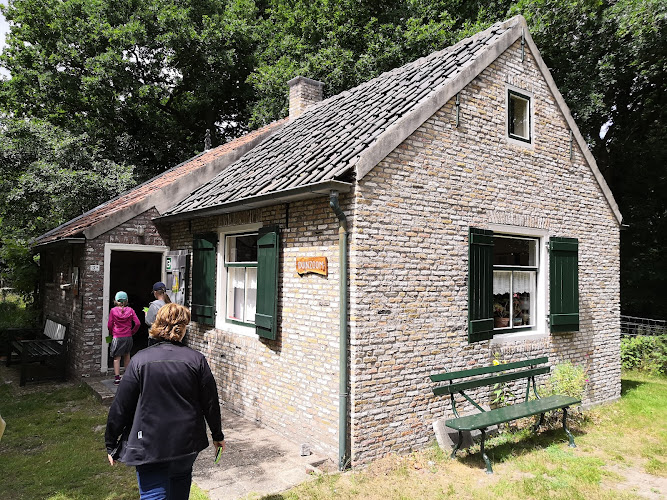
Openluchtmuseum De Duinhuisjes sits among the dunes, surrounded by the peaceful, wind-swept landscape of Voorne. This open-air museum preserves four genuine dune farmhouses (duinhuisjes), saved from demolition and lovingly restored to show what rural life was like between 1850 and 1910. There’s something oddly moving about stepping into these tiny houses—their walls once soaked up the laughter, worries, and day-to-day drama of families scraping by on the sandy soil.
The whole place hums with authenticity. You get to poke around all sorts of nooks: kitchens with iron stoves, tiny bedrooms with lumpy-looking beds, and even gardens full of the tough old plants that could survive the salty sea breeze. The volunteers, who might just greet you in old-fashioned costume, are a wealth of quirky, charming stories (I once lost an hour listening to one woman go on about local cheese and the “miraculous” healing powers of dune herbs). You leave with this feeling: people really lived here—they didn’t just pass through.
There’s a genuine sense of peace. Maybe it’s the sea air or the absence of modern noise, but I find even the crankiest kids end up quietly curious, poking at old tools or giggling at the “ancient” toys. And since almost everyone—grandparents to toddlers—finds something interesting, it’s the kind of museum you can actually talk about over dinner, instead of just ticking it off the list.
Key Features
- Authentic Dune Houses: Four restored farmhouses (dating from 1850-1910) tell a vivid story of local history you literally step into.
- Hands-On Exhibits: Experience traditional crafts, farming tools, and household items up close; you’re allowed (and encouraged!) to touch in some places.
- Guided by Passionate Volunteers: Warm, knowledgeable volunteers (often dressed in period clothing) offer fascinating personal stories—you won’t get this from an audio guide.
- Stunning Surroundings: The museum is sheltered by fragrant dune shrubbery; nearby walking paths make this a great launching pad for exploring nature.
- Kids’ Activities: Lots for little ones—old-fashioned games, exploration trails, and a gentle, safe environment.
- Family-Friendly Amenities: Wheelchair accessible restroom, general restroom, and free Wi-Fi. So, yes, you can snap and share those charming photos instantly.
Here’s a little secret: the museum sometimes hosts low-key events like “boerenmarkt” (farmers’ markets) or creative workshops where you can try your hand at crafts or baking. It makes for a great story and, I’ll be honest, I once walked away with a pocketful of hand-churned butter.
Best Time to Visit
Okay, I might be biased, but if you want that perfect blend of sunlight and quiet, shoot for late spring to early autumn. By June, the dunes are alive with wildflowers and birds, while the museum’s volunteers seem to have extra pep in their step. Summer weekends can get a tad busier, especially when families descend en masse or when there’s some festival going on—but even then, the vibe stays chill.
If you prefer slow travel and gentle wandering, consider a weekday. That’s when you’ll have the best chance to chat with volunteers, and you might just find yourself alone in a farmhouse kitchen, hearing the sea wind, feeling transported.
I’ve visited on blustery autumn days too, and let’s just say, the cozy interiors feel even more inviting when it’s drizzling outside. FYI: Check opening dates and times. This isn’t one of those museums with year-round hours—they take a well-deserved break outside high season, and hours can depend on the weather or local holidays. Honestly, that just adds to the charm.
How to Get There
Reaching Openluchtmuseum De Duinhuisjes is part of the adventure, especially if you’re a fan of those classic, winding coastal roads. If you’re driving in the Rockanje region—just south of Rotterdam—it’s simple enough. Road signs and the odd painted wooden board make it pretty clear you’re close. Parking is generally easy (and not a headache like in big cities), but on busy days you may have to park a bit further and walk—still, nothing too strenuous.
Public transport? Not bad at all! From Rotterdam, you can take a train to Spijkenisse and then hop on a bus towards Rockanje. There’s a little bit of walking from the bus stop—maybe ten minutes if you stroll, but I’d add extra time because the path is lovely, especially when you see the dunes rolling off to your right.
Cyclists will love this area: scenic bike trails snake right by the museum. I once cycled from Brielle after a long lunch, and the salty air plus those endless fields made it feel almost cinematic. Bring a lock for your bike, though, just so you can wander stress-free.
Tips for Visiting
- Check for Events: Before heading out, peek at the museum’s event schedule, if you can. The special activity days add real flavor, and sometimes you get to taste fresh-baked bread or homemade jam—seriously worth rearranging your plans.
- Bring Cash: Not all the stalls during events or the little gift nook accept credit cards. Tuck a bit of cash in your pocket if you want a souvenir for your windowsill back home.
- Dress for Weather and Walking: The dunes mean breezes, and pathways aren’t paved everywhere. Comfy shoes, a jacket (even in summer), and hats for the sun are smart choices.
- Ask Questions: Volunteers love curious visitors. I’ve discovered some of the wildest local legends and recipes just by chatting—don’t be shy!
- Kids Love It, Promise: Even if you’re skeptical about dragging tweens to a museum, they usually end up obsessed with the games and the “weird” old furniture.
- Adopt a Slow Pace: This isn’t a place to rush. Linger in the gardens, watch the light through old glass panes, and let yourself imagine what life here might’ve been like.
And a final personal note: One of my favorite memories is watching a trio of grandparents, grandkids in tow, giggling over how tiny the beds seemed. There’s an infectious playfulness here. Each visit feels fresh—something about the combination of local history and windswept nature just sings. If you’re jaded by big museums or the usual tourist stops, De Duinhuisjes offers a different, more personal kind of story.
For anyone curious about what makes Dutch coastal history feel alive—not just the facts, but the flavor—give this open-air treasure a spot on your travel list. Take a breath, take your time, and step into another era for an hour (or two).
Key Features
- Key Features
- Best Time to Visit
- How to Get There
- Tips for Visiting
More Details
Updated June 22, 2025
Table of Contents
Description
If you’re like me and you love stumbling upon hidden gems that time sort of left behind—but in the best possible way—then Openluchtmuseum De Duinhuisjes is going to be one of those spots you think of years down the road, with a smile. Now, don’t expect anything huge or swanky; what you’ll find here is pure nostalgia, restored with real love and care by local volunteers.
Openluchtmuseum De Duinhuisjes sits among the dunes, surrounded by the peaceful, wind-swept landscape of Voorne. This open-air museum preserves four genuine dune farmhouses (duinhuisjes), saved from demolition and lovingly restored to show what rural life was like between 1850 and 1910. There’s something oddly moving about stepping into these tiny houses—their walls once soaked up the laughter, worries, and day-to-day drama of families scraping by on the sandy soil.
The whole place hums with authenticity. You get to poke around all sorts of nooks: kitchens with iron stoves, tiny bedrooms with lumpy-looking beds, and even gardens full of the tough old plants that could survive the salty sea breeze. The volunteers, who might just greet you in old-fashioned costume, are a wealth of quirky, charming stories (I once lost an hour listening to one woman go on about local cheese and the “miraculous” healing powers of dune herbs). You leave with this feeling: people really lived here—they didn’t just pass through.
There’s a genuine sense of peace. Maybe it’s the sea air or the absence of modern noise, but I find even the crankiest kids end up quietly curious, poking at old tools or giggling at the “ancient” toys. And since almost everyone—grandparents to toddlers—finds something interesting, it’s the kind of museum you can actually talk about over dinner, instead of just ticking it off the list.
Key Features
- Authentic Dune Houses: Four restored farmhouses (dating from 1850-1910) tell a vivid story of local history you literally step into.
- Hands-On Exhibits: Experience traditional crafts, farming tools, and household items up close; you’re allowed (and encouraged!) to touch in some places.
- Guided by Passionate Volunteers: Warm, knowledgeable volunteers (often dressed in period clothing) offer fascinating personal stories—you won’t get this from an audio guide.
- Stunning Surroundings: The museum is sheltered by fragrant dune shrubbery; nearby walking paths make this a great launching pad for exploring nature.
- Kids’ Activities: Lots for little ones—old-fashioned games, exploration trails, and a gentle, safe environment.
- Family-Friendly Amenities: Wheelchair accessible restroom, general restroom, and free Wi-Fi. So, yes, you can snap and share those charming photos instantly.
Here’s a little secret: the museum sometimes hosts low-key events like “boerenmarkt” (farmers’ markets) or creative workshops where you can try your hand at crafts or baking. It makes for a great story and, I’ll be honest, I once walked away with a pocketful of hand-churned butter.
Best Time to Visit
Okay, I might be biased, but if you want that perfect blend of sunlight and quiet, shoot for late spring to early autumn. By June, the dunes are alive with wildflowers and birds, while the museum’s volunteers seem to have extra pep in their step. Summer weekends can get a tad busier, especially when families descend en masse or when there’s some festival going on—but even then, the vibe stays chill.
If you prefer slow travel and gentle wandering, consider a weekday. That’s when you’ll have the best chance to chat with volunteers, and you might just find yourself alone in a farmhouse kitchen, hearing the sea wind, feeling transported.
I’ve visited on blustery autumn days too, and let’s just say, the cozy interiors feel even more inviting when it’s drizzling outside. FYI: Check opening dates and times. This isn’t one of those museums with year-round hours—they take a well-deserved break outside high season, and hours can depend on the weather or local holidays. Honestly, that just adds to the charm.
How to Get There
Reaching Openluchtmuseum De Duinhuisjes is part of the adventure, especially if you’re a fan of those classic, winding coastal roads. If you’re driving in the Rockanje region—just south of Rotterdam—it’s simple enough. Road signs and the odd painted wooden board make it pretty clear you’re close. Parking is generally easy (and not a headache like in big cities), but on busy days you may have to park a bit further and walk—still, nothing too strenuous.
Public transport? Not bad at all! From Rotterdam, you can take a train to Spijkenisse and then hop on a bus towards Rockanje. There’s a little bit of walking from the bus stop—maybe ten minutes if you stroll, but I’d add extra time because the path is lovely, especially when you see the dunes rolling off to your right.
Cyclists will love this area: scenic bike trails snake right by the museum. I once cycled from Brielle after a long lunch, and the salty air plus those endless fields made it feel almost cinematic. Bring a lock for your bike, though, just so you can wander stress-free.
Tips for Visiting
- Check for Events: Before heading out, peek at the museum’s event schedule, if you can. The special activity days add real flavor, and sometimes you get to taste fresh-baked bread or homemade jam—seriously worth rearranging your plans.
- Bring Cash: Not all the stalls during events or the little gift nook accept credit cards. Tuck a bit of cash in your pocket if you want a souvenir for your windowsill back home.
- Dress for Weather and Walking: The dunes mean breezes, and pathways aren’t paved everywhere. Comfy shoes, a jacket (even in summer), and hats for the sun are smart choices.
- Ask Questions: Volunteers love curious visitors. I’ve discovered some of the wildest local legends and recipes just by chatting—don’t be shy!
- Kids Love It, Promise: Even if you’re skeptical about dragging tweens to a museum, they usually end up obsessed with the games and the “weird” old furniture.
- Adopt a Slow Pace: This isn’t a place to rush. Linger in the gardens, watch the light through old glass panes, and let yourself imagine what life here might’ve been like.
And a final personal note: One of my favorite memories is watching a trio of grandparents, grandkids in tow, giggling over how tiny the beds seemed. There’s an infectious playfulness here. Each visit feels fresh—something about the combination of local history and windswept nature just sings. If you’re jaded by big museums or the usual tourist stops, De Duinhuisjes offers a different, more personal kind of story.
For anyone curious about what makes Dutch coastal history feel alive—not just the facts, but the flavor—give this open-air treasure a spot on your travel list. Take a breath, take your time, and step into another era for an hour (or two).
Key Highlights
- Key Features
- Best Time to Visit
- How to Get There
- Tips for Visiting
Location
Places to Stay Near Openluchtmuseum De Duinhuisjes
Find and Book a Tour
Explore More Travel Guides
No reviews found! Be the first to review!
Traveler Reviews for Openluchtmuseum De Duinhuisjes
There are no reviews yet. Be the first one to write one.
Have you visited Openluchtmuseum De Duinhuisjes? Help other travelers by sharing your review.
You Might Also Like

Hovenring
Bevrijdingsmonument
Jaap Toet
Find Accommodations Nearby
Recommended Tours & Activities
Visitor Reviews
There are no reviews yet. Be the first one to write one.
Share Your Experience
Have you visited Openluchtmuseum De Duinhuisjes? Help other travelers by leaving a review.