
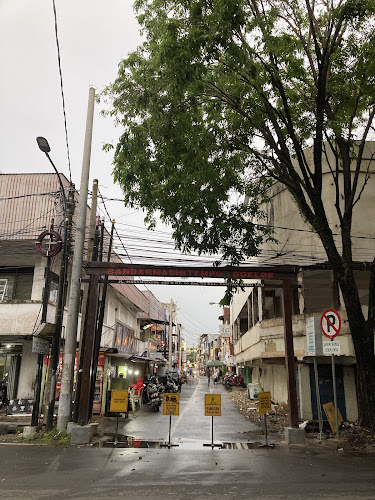
Old Town of Banjarmasin
About Old Town of Banjarmasin
Description
The Old Town of Banjarmasin feels like stepping into a living museum that just happens to float on water. It’s one of those places that quietly seeps into your memory — not because it’s polished or overly commercial, but because it’s raw, real, and full of life. The heart of this historic quarter beats along the Martapura and Barito Rivers, where wooden houses lean slightly over the water, and locals still wave at passing boats like it’s second nature. There’s a sense of continuity here, a feeling that the past hasn’t been entirely swept away by the modern world.
Walking through the narrow lanes (or gliding past them by klotok boat, which I highly recommend), you’ll catch glimpses of old merchant houses from the Dutch colonial era, mosques with layered roofs influenced by Javanese and Malay styles, and markets that spill right onto the river. The sounds of chatter, the smell of fried bananas, and the sight of children jumping into the water all blend into this chaotic yet oddly peaceful rhythm. It’s not spotless or overly curated — and that’s exactly what makes it authentic.
While some travelers might find the area a bit rustic, others fall in love with its character. The Old Town isn’t about grand monuments or luxury experiences; it’s about people, stories, and the unfiltered charm of daily life. It’s a place where you can still see how Banjarmasin earned its nickname as the “City of a Thousand Rivers.” And if you’re lucky enough to chat with the locals, they’ll tell you tales of traders, river pirates, and royal connections that go back centuries. There’s history in every ripple of the water here.
Key Features
- Historic wooden houses showcasing traditional Banjar architecture, many still inhabited by local families.
- Easy access to the famous floating markets where traders sell fruits, vegetables, and souvenirs directly from their boats.
- Proximity to iconic landmarks such as the Sultan Suriansyah Mosque, one of the oldest in South Kalimantan.
- Local eateries serving classic Banjar dishes like Soto Banjar and ketupat kandangan — both hearty and delicious.
- Opportunities for river tours that reveal the daily life of residents along the waterways.
- Friendly locals who are usually happy to share stories or pose for photos — though it’s always polite to ask first.
- Public restrooms available in certain areas, though facilities can be basic.
- Family-friendly environment with plenty of open spaces where kids can safely explore and interact.
Best Time to Visit
If you ask me, the Old Town is best experienced early in the morning — just as the sun rises and the air is still cool. That’s when the floating markets are alive with energy, and the light hits the water in the most beautiful way. Generally, the dry season between June and September is ideal for visiting since the humidity is lower and boat rides are smoother. But even during the rainy months, there’s something poetic about watching raindrops ripple across the river while sipping hot tea from a riverside stall.
Avoid midday if you can — the heat can be relentless, and shade is limited in some areas. Evenings are pleasant too, especially when the old town lights reflect off the water, giving everything a soft golden glow. It’s a photographer’s dream, honestly. And if you’re into festivals, plan your trip around local cultural events like the Banjarmasin Anniversary celebration, which often includes traditional boat parades along the river.
How to Get There
Reaching the Old Town of Banjarmasin is fairly straightforward. Most travelers arrive via Syamsudin Noor International Airport, which connects to major cities like Jakarta and Surabaya. From the airport, it’s about a 45-minute drive to the city center. You can hire a taxi, book a ride through an app, or hop on a local angkot (minibus) if you’re feeling adventurous — though be prepared for a bit of a squeeze.
Once in Banjarmasin, getting to the Old Town area is half the fun. You can take a traditional wooden klotok boat from various river piers, which offers a scenic approach and a great introduction to life on the water. Alternatively, you can walk or rent a motorbike if you prefer exploring at your own pace. Roads can be narrow, and traffic unpredictable, but that’s part of the local charm. I once got slightly lost trying to find a specific riverside café, only to stumble upon a small boat workshop where craftsmen were building canoes by hand — one of those happy travel accidents you remember for years.
Tips for Visiting
First and foremost, take your time. The Old Town isn’t a place to rush through with a checklist. It’s more about soaking in the atmosphere — watching, listening, and maybe even chatting with the locals. Bring cash, as many small shops and food stalls don’t accept cards. And keep small bills handy; it makes transactions smoother and friendlier.
Wear comfortable shoes that can handle uneven paths, and don’t forget sunscreen and a hat — the tropical sun doesn’t mess around. If you’re planning to explore by boat, carry a light rain jacket or poncho just in case. Photography enthusiasts should visit in the early morning or late afternoon for the best natural lighting. And please, be respectful when taking photos of people or private homes. A smile and a polite gesture go a long way.
If you’re traveling with kids, they’ll probably love the boat rides and the chance to see monkeys or colorful birds along the riverbanks. Just keep an eye on them near the water. For those with mobility challenges, accessibility can be limited; the area’s old infrastructure means some paths and docks aren’t wheelchair-friendly. Still, with a bit of planning and local assistance, it’s possible to enjoy parts of the old town comfortably.
One last thing — go hungry. The food scene here is simple but unforgettable. Try the local Soto Banjar, a chicken soup with noodles and spices that tastes like comfort in a bowl. Or grab some fried bananas from a street vendor; they’re crispy, sweet, and dangerously addictive. I still think about those bananas sometimes when I’m back home, thousands of miles away.
In the end, the Old Town of Banjarmasin isn’t about ticking off landmarks. It’s about connecting — with people, with history, with the rhythm of the river itself. It’s a reminder that not every beautiful place shines with polish; some glow quietly with the warmth of everyday life. And that’s exactly what makes it worth the trip.
Key Features
- Historic wooden houses showcasing traditional Banjar architecture, many still inhabited by local families.
- Easy access to the famous floating markets where traders sell fruits, vegetables, and souvenirs directly from their boats.
- Proximity to iconic landmarks such as the Sultan Suriansyah Mosque, one of the oldest in South Kalimantan.
- Local eateries serving classic Banjar dishes like Soto Banjar and ketupat kandangan — both hearty and delicious.
- Opportunities for river tours that reveal the daily life of residents along the waterways.
- Friendly locals who are usually happy to share stories or pose for photos — though it’s always polite to ask first.
- Public restrooms available in certain areas, though facilities can be basic.
- Family-friendly environment with plenty of open spaces where kids can safely explore and interact.
More Details
Updated November 7, 2025
Table of Contents
Description
The Old Town of Banjarmasin feels like stepping into a living museum that just happens to float on water. It’s one of those places that quietly seeps into your memory — not because it’s polished or overly commercial, but because it’s raw, real, and full of life. The heart of this historic quarter beats along the Martapura and Barito Rivers, where wooden houses lean slightly over the water, and locals still wave at passing boats like it’s second nature. There’s a sense of continuity here, a feeling that the past hasn’t been entirely swept away by the modern world.
Walking through the narrow lanes (or gliding past them by klotok boat, which I highly recommend), you’ll catch glimpses of old merchant houses from the Dutch colonial era, mosques with layered roofs influenced by Javanese and Malay styles, and markets that spill right onto the river. The sounds of chatter, the smell of fried bananas, and the sight of children jumping into the water all blend into this chaotic yet oddly peaceful rhythm. It’s not spotless or overly curated — and that’s exactly what makes it authentic.
While some travelers might find the area a bit rustic, others fall in love with its character. The Old Town isn’t about grand monuments or luxury experiences; it’s about people, stories, and the unfiltered charm of daily life. It’s a place where you can still see how Banjarmasin earned its nickname as the “City of a Thousand Rivers.” And if you’re lucky enough to chat with the locals, they’ll tell you tales of traders, river pirates, and royal connections that go back centuries. There’s history in every ripple of the water here.
Key Features
- Historic wooden houses showcasing traditional Banjar architecture, many still inhabited by local families.
- Easy access to the famous floating markets where traders sell fruits, vegetables, and souvenirs directly from their boats.
- Proximity to iconic landmarks such as the Sultan Suriansyah Mosque, one of the oldest in South Kalimantan.
- Local eateries serving classic Banjar dishes like Soto Banjar and ketupat kandangan — both hearty and delicious.
- Opportunities for river tours that reveal the daily life of residents along the waterways.
- Friendly locals who are usually happy to share stories or pose for photos — though it’s always polite to ask first.
- Public restrooms available in certain areas, though facilities can be basic.
- Family-friendly environment with plenty of open spaces where kids can safely explore and interact.
Best Time to Visit
If you ask me, the Old Town is best experienced early in the morning — just as the sun rises and the air is still cool. That’s when the floating markets are alive with energy, and the light hits the water in the most beautiful way. Generally, the dry season between June and September is ideal for visiting since the humidity is lower and boat rides are smoother. But even during the rainy months, there’s something poetic about watching raindrops ripple across the river while sipping hot tea from a riverside stall.
Avoid midday if you can — the heat can be relentless, and shade is limited in some areas. Evenings are pleasant too, especially when the old town lights reflect off the water, giving everything a soft golden glow. It’s a photographer’s dream, honestly. And if you’re into festivals, plan your trip around local cultural events like the Banjarmasin Anniversary celebration, which often includes traditional boat parades along the river.
How to Get There
Reaching the Old Town of Banjarmasin is fairly straightforward. Most travelers arrive via Syamsudin Noor International Airport, which connects to major cities like Jakarta and Surabaya. From the airport, it’s about a 45-minute drive to the city center. You can hire a taxi, book a ride through an app, or hop on a local angkot (minibus) if you’re feeling adventurous — though be prepared for a bit of a squeeze.
Once in Banjarmasin, getting to the Old Town area is half the fun. You can take a traditional wooden klotok boat from various river piers, which offers a scenic approach and a great introduction to life on the water. Alternatively, you can walk or rent a motorbike if you prefer exploring at your own pace. Roads can be narrow, and traffic unpredictable, but that’s part of the local charm. I once got slightly lost trying to find a specific riverside café, only to stumble upon a small boat workshop where craftsmen were building canoes by hand — one of those happy travel accidents you remember for years.
Tips for Visiting
First and foremost, take your time. The Old Town isn’t a place to rush through with a checklist. It’s more about soaking in the atmosphere — watching, listening, and maybe even chatting with the locals. Bring cash, as many small shops and food stalls don’t accept cards. And keep small bills handy; it makes transactions smoother and friendlier.
Wear comfortable shoes that can handle uneven paths, and don’t forget sunscreen and a hat — the tropical sun doesn’t mess around. If you’re planning to explore by boat, carry a light rain jacket or poncho just in case. Photography enthusiasts should visit in the early morning or late afternoon for the best natural lighting. And please, be respectful when taking photos of people or private homes. A smile and a polite gesture go a long way.
If you’re traveling with kids, they’ll probably love the boat rides and the chance to see monkeys or colorful birds along the riverbanks. Just keep an eye on them near the water. For those with mobility challenges, accessibility can be limited; the area’s old infrastructure means some paths and docks aren’t wheelchair-friendly. Still, with a bit of planning and local assistance, it’s possible to enjoy parts of the old town comfortably.
One last thing — go hungry. The food scene here is simple but unforgettable. Try the local Soto Banjar, a chicken soup with noodles and spices that tastes like comfort in a bowl. Or grab some fried bananas from a street vendor; they’re crispy, sweet, and dangerously addictive. I still think about those bananas sometimes when I’m back home, thousands of miles away.
In the end, the Old Town of Banjarmasin isn’t about ticking off landmarks. It’s about connecting — with people, with history, with the rhythm of the river itself. It’s a reminder that not every beautiful place shines with polish; some glow quietly with the warmth of everyday life. And that’s exactly what makes it worth the trip.
Key Highlights
- Historic wooden houses showcasing traditional Banjar architecture, many still inhabited by local families.
- Easy access to the famous floating markets where traders sell fruits, vegetables, and souvenirs directly from their boats.
- Proximity to iconic landmarks such as the Sultan Suriansyah Mosque, one of the oldest in South Kalimantan.
- Local eateries serving classic Banjar dishes like Soto Banjar and ketupat kandangan — both hearty and delicious.
- Opportunities for river tours that reveal the daily life of residents along the waterways.
- Friendly locals who are usually happy to share stories or pose for photos — though it’s always polite to ask first.
- Public restrooms available in certain areas, though facilities can be basic.
- Family-friendly environment with plenty of open spaces where kids can safely explore and interact.
Location
Places to Stay Near Old Town of Banjarmasin
Find and Book a Tour
Explore More Travel Guides
No reviews found! Be the first to review!
Traveler Reviews for Old Town of Banjarmasin
There are no reviews yet. Be the first one to write one.
Have you visited Old Town of Banjarmasin? Help other travelers by sharing your review.
You Might Also Like

Taman Siring 0 Kilometer Banjarmasin
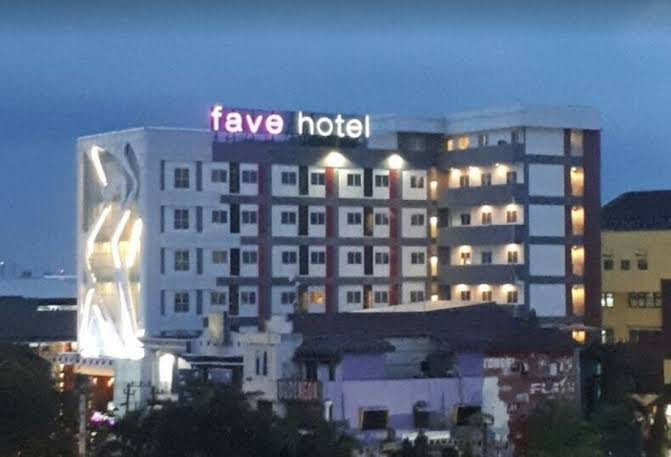
favehotel Ahmad Yani Banjarmasin

Zuri Express Banjarmasin
Find Accommodations Nearby
Recommended Tours & Activities
Visitor Reviews
There are no reviews yet. Be the first one to write one.
Share Your Experience
Have you visited Old Town of Banjarmasin? Help other travelers by leaving a review.