
Ogden Botanical Gardens
About Ogden Botanical Gardens
Description
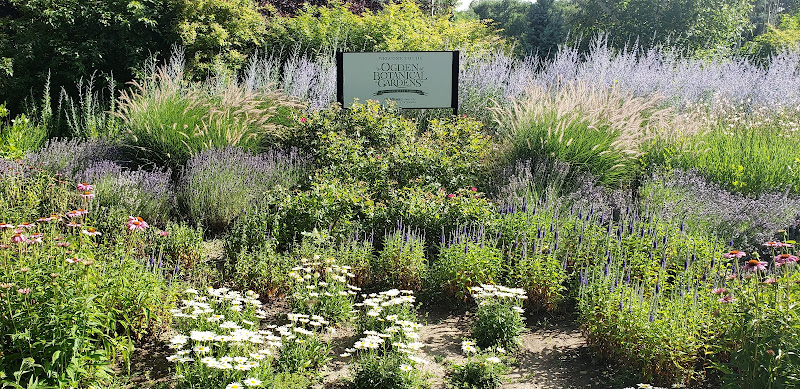
The Ogden Botanical Gardens represents one of those rare finds where nature meets thoughtful design without feeling overly manicured or artificial. Spread across well-maintained grounds in northern Utah, this botanical garden offers visitors a genuine escape from the everyday hustle without requiring a mountain hike or long road trip. I've always found that the best gardens are the ones that don't try too hard, and this place understands that philosophy perfectly. What sets this location apart from your typical botanical garden is its approach to green space. Rather than focusing solely on exotic plant collections behind roped-off displays, the gardens invite interaction and use. Families spread blankets on the lawns, couples stroll through distinct garden sections, and birthday parties unfold under the shade of mature trees. This isn't just a place to look at plants—it's a functional community space that happens to be beautiful. The garden's layout divides the property into several themed sections, each offering a different atmosphere and plant palette. Visitors can wander from one area to another, discovering new vistas and plantings around each corner. And honestly, that sense of discovery is what makes returning worthwhile. You'll notice different blooms depending on when you visit, different lighting conditions throughout the day, and seasonal changes that transform the entire character of the space. For travelers passing through Ogden or those staying in the area for other attractions, the botanical gardens provide a refreshing counterpoint to more strenuous outdoor activities. After hiking in the nearby Wasatch Range, there's something deeply satisfying about a leisurely walk through cultivated landscapes where the terrain stays blessedly flat.Key Features
The Ogden Botanical Gardens packs considerable variety into its grounds, offering amenities that extend well beyond typical botanical garden fare:- Multiple distinct garden sections showcasing different landscaping styles and plant collections that change character seasonally
- Spacious lawn areas perfect for picnicking, casual recreation, or simply lounging with a good book
- Dedicated barbecue grilling stations that make this an ideal spot for family gatherings and outdoor meals
- Well-maintained cycling lanes for those who prefer wheeled exploration
- Comprehensive accessibility features including wheelchair-friendly entrances, parking, and restrooms throughout the property
- A playground area that keeps younger visitors engaged while adults enjoy the gardens
- Multiple picnic tables strategically placed in shaded and sunny spots
- Clean public restrooms available during operating hours
- Dog-friendly policies allowing leashed pets to accompany their owners
- Free parking facilities eliminating one common travel expense
- Event spaces that host everything from outdoor concerts to community celebrations
- Kid-friendly hiking trails suitable for little legs and short attention spans
Best Time to Visit
Timing can make or break a botanical garden experience, and the Ogden location definitely has its sweet spots throughout the year. Late spring through early fall presents the most reliable window for visitors wanting to see the gardens at their peak. May and June bring explosive blooms and that fresh green intensity that only happens when plants first wake up for the season. But here's where personal preference comes in. I've visited botanical gardens during their "off" seasons and often found them more enjoyable simply because crowds thin out and you get more space to yourself. The Ogden gardens in early autumn offer incredible value—temperatures moderate, colors shift to warmer tones, and that September light does magical things to the landscape. Summer obviously draws the biggest crowds, especially on weekends when families claim spots for picnics and birthday celebrations. If you're traveling with kids and want the full social atmosphere, summer weekends deliver. However, if you're seeking a more contemplative experience or hoping to photograph the gardens without dozens of people in every frame, consider weekday mornings during shoulder seasons. Early morning visits any time between April and October reward early risers with cooler temperatures, fewer visitors, and often better wildlife viewing. Birds are particularly active before mid-morning, and you'll catch the gardens before the heat of the day settles in. Late afternoon visits offer different advantages—the slanting light enhances colors and textures, and you can potentially catch evening events scheduled during warmer months. Winter transforms the character entirely. The gardens don't close, but they certainly sleep. For travelers comfortable with cold weather, winter visits offer stark beauty and complete solitude. Just bundle up and adjust expectations accordingly—you're not coming for blooms, but for structure, form, and the quiet that only happens when snow blankets everything. Weather in Ogden can surprise people unfamiliar with northern Utah's climate. Summer afternoons occasionally turn hot, with temperatures pushing into the 90s. Bring sun protection and plenty of water. Spring and fall can swing dramatically—warm afternoons following chilly mornings. Layered clothing serves travelers better than committing to shorts or jackets alone.How to Get There
Getting to the Ogden Botanical Gardens proves straightforward for most travelers, whether you're arriving from out of state or exploring locally. The gardens sit within Ogden city limits, making access convenient from major highways and local roads. For those flying into the region, Salt Lake City International Airport serves as the primary gateway, located roughly 40 miles south of Ogden. The drive north takes about 40 to 50 minutes depending on traffic, following Interstate 15 through the greater Salt Lake metropolitan area. Rental car services at the airport provide the most flexibility for travelers planning to explore multiple northern Utah destinations. Driving from Salt Lake City to Ogden follows a simple route along I-15 North. The highway offers clear signage, and once you reach Ogden proper, local navigation apps reliably guide visitors to the gardens. The free parking lot eliminates concerns about metered spaces or parking fees—a genuinely appreciated feature when you're budgeting a trip. For travelers already exploring Utah's national parks or other attractions, Ogden serves as an excellent northern hub. The city sits at the junction of I-15 and I-84, making it accessible from multiple directions. Road trippers coming from Idaho, Wyoming, or eastern Utah will find the gardens a worthy stop that doesn't require significant detours. Public transportation options exist through the Utah Transit Authority, though having a personal vehicle grants considerably more freedom for exploring the gardens and surrounding Ogden area. The UTA offers bus routes throughout Ogden, and visitors comfortable with public transit can research current schedules and routes online before arriving. Local travelers from communities like Layton, Roy, or other Wasatch Front cities will find the gardens an easy day trip destination. The proximity to major population centers explains the garden's popularity among locals—it's genuinely convenient without feeling suburban or generic.Tips for Visiting
Making the most of your time at the Ogden Botanical Gardens doesn't require extensive planning, but a few practical considerations enhance the experience considerably. First things first—bring provisions if you plan to spend more than an hour or two. The gardens don't operate concession stands or food vendors, so packing a picnic actually makes sense rather than just being a quaint idea. Those grilling stations aren't just decorative; they're fully functional and available for visitor use. Speaking of food, the picnic potential here genuinely impresses. Unlike botanical gardens that prohibit outside food or limit where you can eat, this location embraces the picnic tradition. Families regularly set up elaborate spreads, and honestly, there's something wonderful about dining surrounded by intentional beauty rather than in a crowded restaurant. Just remember to pack out everything you pack in—maintaining the gardens' cleanliness depends on visitor responsibility. The dog-friendly policy deserves emphasis because it's not universal among botanical gardens. Your leashed pup can accompany you through most areas, making this an ideal stop for travelers road-tripping with pets. Just be mindful of other visitors and always clean up after your animal. The gardens maintain their welcoming atmosphere partly because most visitors respect shared spaces. Photography enthusiasts should know that the gardens provide excellent subject matter without requiring special permits for personal use. The varied garden sections create multiple backdrops within a compact area, and professional photographers occasionally use the grounds for portrait sessions. If you're traveling and building a photo collection, budget extra time for capturing images during optimal lighting conditions. Families traveling with children will appreciate the playground facilities, but don't overlook the educational aspects scattered throughout the gardens. Various plantings include identification markers, and the trail system offers gentle introduction to outdoor recreation for kids just developing hiking skills. Birthday party potential runs high here—the combination of playground, open lawn, grilling stations, and pretty surroundings creates an all-in-one celebration venue. Accessibility features work well in practice, not just on paper. The paved pathways accommodate wheelchairs and strollers without difficulty, and the restroom facilities maintain accessibility standards. Travelers with mobility considerations can genuinely enjoy the full garden experience rather than being limited to certain sections. Seasonal events pop up throughout the warmer months, though scheduled programming varies year to year. Checking current calendars before visiting helps travelers potentially align their visit with concerts, plant sales, or community celebrations. But honestly, the gardens function perfectly well as an unscheduled stop—you don't need special events to justify spending time here. Weather preparation matters more than people sometimes expect. Utah's high desert climate means intense sun exposure, low humidity, and temperature swings. Sunscreen, hats, and water bottles qualify as essentials rather than suggestions during summer months. Spring and fall visits might require light jackets even when afternoons warm up nicely. Finally, adjust your timeline expectations based on your interests. A quick walk-through takes maybe 30 minutes. A leisurely exploration with photography stops might consume two hours. A full picnic afternoon with recreation easily fills three to four hours. The gardens work for quick stops and extended visits equally well, so tailor your plans to your travel schedule and energy levels.Key Features
- Themed gardens showcasing Utah-adapted and ornamental plants
- Pollinator-friendly plantings and native species displays
- Winding pathways and intimate sitting areas for quiet reflection
- Educational signage and occasional community classes/events
- Accessible location near Ogden’s historic districts and trails
More Details
Updated March 30, 2026
Table of Contents
Description
The Ogden Botanical Gardens represents one of those rare finds where nature meets thoughtful design without feeling overly manicured or artificial. Spread across well-maintained grounds in northern Utah, this botanical garden offers visitors a genuine escape from the everyday hustle without requiring a mountain hike or long road trip. I’ve always found that the best gardens are the ones that don’t try too hard, and this place understands that philosophy perfectly.
What sets this location apart from your typical botanical garden is its approach to green space. Rather than focusing solely on exotic plant collections behind roped-off displays, the gardens invite interaction and use. Families spread blankets on the lawns, couples stroll through distinct garden sections, and birthday parties unfold under the shade of mature trees. This isn’t just a place to look at plants—it’s a functional community space that happens to be beautiful.
The garden’s layout divides the property into several themed sections, each offering a different atmosphere and plant palette. Visitors can wander from one area to another, discovering new vistas and plantings around each corner. And honestly, that sense of discovery is what makes returning worthwhile. You’ll notice different blooms depending on when you visit, different lighting conditions throughout the day, and seasonal changes that transform the entire character of the space.
For travelers passing through Ogden or those staying in the area for other attractions, the botanical gardens provide a refreshing counterpoint to more strenuous outdoor activities. After hiking in the nearby Wasatch Range, there’s something deeply satisfying about a leisurely walk through cultivated landscapes where the terrain stays blessedly flat.
Key Features
The Ogden Botanical Gardens packs considerable variety into its grounds, offering amenities that extend well beyond typical botanical garden fare:
- Multiple distinct garden sections showcasing different landscaping styles and plant collections that change character seasonally
- Spacious lawn areas perfect for picnicking, casual recreation, or simply lounging with a good book
- Dedicated barbecue grilling stations that make this an ideal spot for family gatherings and outdoor meals
- Well-maintained cycling lanes for those who prefer wheeled exploration
- Comprehensive accessibility features including wheelchair-friendly entrances, parking, and restrooms throughout the property
- A playground area that keeps younger visitors engaged while adults enjoy the gardens
- Multiple picnic tables strategically placed in shaded and sunny spots
- Clean public restrooms available during operating hours
- Dog-friendly policies allowing leashed pets to accompany their owners
- Free parking facilities eliminating one common travel expense
- Event spaces that host everything from outdoor concerts to community celebrations
- Kid-friendly hiking trails suitable for little legs and short attention spans
Best Time to Visit
Timing can make or break a botanical garden experience, and the Ogden location definitely has its sweet spots throughout the year. Late spring through early fall presents the most reliable window for visitors wanting to see the gardens at their peak. May and June bring explosive blooms and that fresh green intensity that only happens when plants first wake up for the season.
But here’s where personal preference comes in. I’ve visited botanical gardens during their “off” seasons and often found them more enjoyable simply because crowds thin out and you get more space to yourself. The Ogden gardens in early autumn offer incredible value—temperatures moderate, colors shift to warmer tones, and that September light does magical things to the landscape.
Summer obviously draws the biggest crowds, especially on weekends when families claim spots for picnics and birthday celebrations. If you’re traveling with kids and want the full social atmosphere, summer weekends deliver. However, if you’re seeking a more contemplative experience or hoping to photograph the gardens without dozens of people in every frame, consider weekday mornings during shoulder seasons.
Early morning visits any time between April and October reward early risers with cooler temperatures, fewer visitors, and often better wildlife viewing. Birds are particularly active before mid-morning, and you’ll catch the gardens before the heat of the day settles in. Late afternoon visits offer different advantages—the slanting light enhances colors and textures, and you can potentially catch evening events scheduled during warmer months.
Winter transforms the character entirely. The gardens don’t close, but they certainly sleep. For travelers comfortable with cold weather, winter visits offer stark beauty and complete solitude. Just bundle up and adjust expectations accordingly—you’re not coming for blooms, but for structure, form, and the quiet that only happens when snow blankets everything.
Weather in Ogden can surprise people unfamiliar with northern Utah’s climate. Summer afternoons occasionally turn hot, with temperatures pushing into the 90s. Bring sun protection and plenty of water. Spring and fall can swing dramatically—warm afternoons following chilly mornings. Layered clothing serves travelers better than committing to shorts or jackets alone.
How to Get There
Getting to the Ogden Botanical Gardens proves straightforward for most travelers, whether you’re arriving from out of state or exploring locally. The gardens sit within Ogden city limits, making access convenient from major highways and local roads.
For those flying into the region, Salt Lake City International Airport serves as the primary gateway, located roughly 40 miles south of Ogden. The drive north takes about 40 to 50 minutes depending on traffic, following Interstate 15 through the greater Salt Lake metropolitan area. Rental car services at the airport provide the most flexibility for travelers planning to explore multiple northern Utah destinations.
Driving from Salt Lake City to Ogden follows a simple route along I-15 North. The highway offers clear signage, and once you reach Ogden proper, local navigation apps reliably guide visitors to the gardens. The free parking lot eliminates concerns about metered spaces or parking fees—a genuinely appreciated feature when you’re budgeting a trip.
For travelers already exploring Utah’s national parks or other attractions, Ogden serves as an excellent northern hub. The city sits at the junction of I-15 and I-84, making it accessible from multiple directions. Road trippers coming from Idaho, Wyoming, or eastern Utah will find the gardens a worthy stop that doesn’t require significant detours.
Public transportation options exist through the Utah Transit Authority, though having a personal vehicle grants considerably more freedom for exploring the gardens and surrounding Ogden area. The UTA offers bus routes throughout Ogden, and visitors comfortable with public transit can research current schedules and routes online before arriving.
Local travelers from communities like Layton, Roy, or other Wasatch Front cities will find the gardens an easy day trip destination. The proximity to major population centers explains the garden’s popularity among locals—it’s genuinely convenient without feeling suburban or generic.
Tips for Visiting
Making the most of your time at the Ogden Botanical Gardens doesn’t require extensive planning, but a few practical considerations enhance the experience considerably. First things first—bring provisions if you plan to spend more than an hour or two. The gardens don’t operate concession stands or food vendors, so packing a picnic actually makes sense rather than just being a quaint idea. Those grilling stations aren’t just decorative; they’re fully functional and available for visitor use.
Speaking of food, the picnic potential here genuinely impresses. Unlike botanical gardens that prohibit outside food or limit where you can eat, this location embraces the picnic tradition. Families regularly set up elaborate spreads, and honestly, there’s something wonderful about dining surrounded by intentional beauty rather than in a crowded restaurant. Just remember to pack out everything you pack in—maintaining the gardens’ cleanliness depends on visitor responsibility.
The dog-friendly policy deserves emphasis because it’s not universal among botanical gardens. Your leashed pup can accompany you through most areas, making this an ideal stop for travelers road-tripping with pets. Just be mindful of other visitors and always clean up after your animal. The gardens maintain their welcoming atmosphere partly because most visitors respect shared spaces.
Photography enthusiasts should know that the gardens provide excellent subject matter without requiring special permits for personal use. The varied garden sections create multiple backdrops within a compact area, and professional photographers occasionally use the grounds for portrait sessions. If you’re traveling and building a photo collection, budget extra time for capturing images during optimal lighting conditions.
Families traveling with children will appreciate the playground facilities, but don’t overlook the educational aspects scattered throughout the gardens. Various plantings include identification markers, and the trail system offers gentle introduction to outdoor recreation for kids just developing hiking skills. Birthday party potential runs high here—the combination of playground, open lawn, grilling stations, and pretty surroundings creates an all-in-one celebration venue.
Accessibility features work well in practice, not just on paper. The paved pathways accommodate wheelchairs and strollers without difficulty, and the restroom facilities maintain accessibility standards. Travelers with mobility considerations can genuinely enjoy the full garden experience rather than being limited to certain sections.
Seasonal events pop up throughout the warmer months, though scheduled programming varies year to year. Checking current calendars before visiting helps travelers potentially align their visit with concerts, plant sales, or community celebrations. But honestly, the gardens function perfectly well as an unscheduled stop—you don’t need special events to justify spending time here.
Weather preparation matters more than people sometimes expect. Utah’s high desert climate means intense sun exposure, low humidity, and temperature swings. Sunscreen, hats, and water bottles qualify as essentials rather than suggestions during summer months. Spring and fall visits might require light jackets even when afternoons warm up nicely.
Finally, adjust your timeline expectations based on your interests. A quick walk-through takes maybe 30 minutes. A leisurely exploration with photography stops might consume two hours. A full picnic afternoon with recreation easily fills three to four hours. The gardens work for quick stops and extended visits equally well, so tailor your plans to your travel schedule and energy levels.
Key Highlights
- Themed gardens showcasing Utah-adapted and ornamental plants
- Pollinator-friendly plantings and native species displays
- Winding pathways and intimate sitting areas for quiet reflection
- Educational signage and occasional community classes/events
- Accessible location near Ogden’s historic districts and trails
Location
Places to Stay Near Ogden Botanical Gardens
Find and Book a Tour
Explore More Travel Guides
No reviews found! Be the first to review!
Ogden Botanical Gardens is a prominent Botanical garden located in Ogden.
Visit us at: 1750 Monroe Blvd, Ogden, UT 84401, États-Unis.
Traveler Reviews for Ogden Botanical Gardens
There are no reviews yet. Be the first one to write one.
Have you visited Ogden Botanical Gardens? Help other travelers by sharing your review.
Nearby Attractions
You Might Also Like

Browning-Kimball Classic Car Museum

Star Noodle Dragon

Fort Buenaventura Park
Find Accommodations Nearby
Recommended Tours & Activities
Visitor Reviews
There are no reviews yet. Be the first one to write one.
Share Your Experience
Have you visited Ogden Botanical Gardens? Help other travelers by leaving a review.