
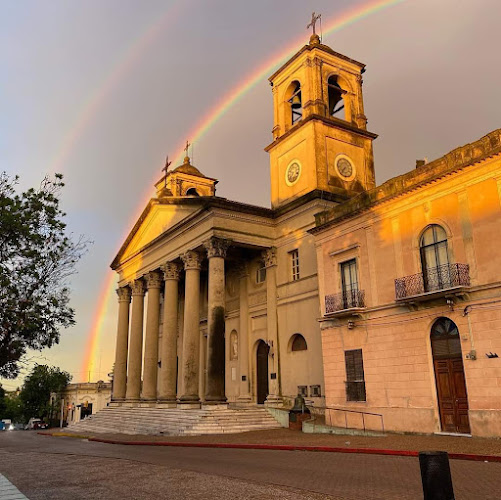
Nuestra Señora del Rosario y San Benito de Palermo, Paysandú
About Nuestra Señora del Rosario y San Benito de Palermo, Paysandú
Description
The Nuestra Señora del Rosario y San Benito de Palermo stands as one of Uruguay's most significant religious landmarks, drawing thousands of pilgrims and travelers to Paysandú each year. This impressive basilica holds the distinguished honor of being the country's primary center for devotion to San Benito de Palermo, the patron saint of African descendants and those facing difficult circumstances.
What strikes most visitors first is the basilica's remarkable architecture – it's not your typical colonial church that you'll find scattered throughout South America. The building showcases a unique blend of styles that reflects the multicultural heritage of the region. And honestly, the facade alone is worth the journey, with its towering spires reaching toward the sky like prayers made manifest in stone and mortar.
Inside, the atmosphere shifts to something almost mystical. The interior houses the revered image of San Benito de Palermo, which has been drawing devotees since the early 20th century. But what really sets this place apart is the palpable sense of faith that permeates every corner – you don't have to be religious to feel the spiritual energy that visitors bring to this sacred space.
The basilica serves not just as a place of worship, but as a cultural melting pot where African-Uruguayan traditions blend seamlessly with Catholic practices. This fusion creates something truly special that you won't experience in many other religious sites across South America. The devotion here runs deep, and it's reflected in everything from the carefully maintained grounds to the warm welcome extended to travelers from around the world.
Key Features
Travelers will discover several remarkable features that make the Nuestra Señora del Rosario y San Benito de Palermo a standout destination:
- Architectural Marvel: The basilica's distinctive design combines traditional Catholic church elements with unique regional influences, creating a visual masterpiece that photographs beautifully
- Sacred Image of San Benito: The centerpiece shrine houses the venerated statue of San Benito de Palermo, considered miraculous by many faithful visitors
- Cultural Heritage Site: One of the few places in Uruguay where African-descended spiritual traditions are actively celebrated within a Catholic framework
- Accessibility Features: The basilica welcomes all visitors with wheelchair-accessible entrances and parking facilities, ensuring everyone can experience this sacred space
- Community Outreach Programs: The church operates clothing recycling initiatives, reflecting its commitment to social responsibility and environmental stewardship
- Annual Pilgrimage Destination: Each January, thousands gather for the Feast of San Benito, transforming the usually quiet surroundings into a festival atmosphere
- Peaceful Gardens: The surrounding grounds offer tranquil spaces for reflection and meditation, perfect for travelers seeking a moment of calm
- Historical Significance: The basilica represents over a century of continuous worship and community building in Paysandú
Best Time to Visit
Timing your visit to the Nuestra Señora del Rosario y San Benito de Palermo can dramatically enhance your experience, and I've learned this lesson the hard way after visiting during both peak and quiet periods.
The absolute best time to visit is during the Feast of San Benito de Palermo in January – specifically around January 6th. But here's the thing: while this period offers the most authentic cultural experience with processions, traditional music, and thousands of pilgrims, it's also incredibly crowded. If you're the type of traveler who thrives in bustling, energetic environments, this is your moment. The atmosphere becomes electric with devotion and celebration.
However, for a more contemplative experience, I'd recommend visiting during Uruguay's autumn months (March through May). The weather is pleasantly mild, perfect for exploring both the basilica and the surrounding area without the intense summer heat. Plus, you'll have more space to appreciate the architectural details and spend quiet time in reflection.
Winter visits (June through August) offer their own charm – there's something particularly moving about experiencing this sacred space when it's less crowded and the light filters differently through the windows. The cooler temperatures make walking around the grounds more comfortable, though you'll want to dress warmly.
Spring (September through November) brings beautiful weather and flowering gardens around the basilica. It's particularly photogenic during this season, making it ideal for travelers who want to capture the spiritual beauty of the place.
One insider tip: try to avoid major Uruguayan holidays when planning your visit, unless you're specifically interested in observing local religious customs. The basilica operates year-round, but services and accessibility can vary during national celebrations.
How to Get There
Getting to the Nuestra Señora del Rosario y San Benito de Palermo requires some planning, but the journey itself becomes part of the pilgrimage experience – and trust me, I've made this trip more than once, each time discovering something new about the route.
From Montevideo, your most straightforward option is driving, which takes approximately 3 hours via Route 3. The road conditions are generally excellent, and the drive offers beautiful countryside views that make the journey enjoyable. You'll pass through charming small towns that are worth brief stops if you have extra time.
Bus travel is equally viable and often preferred by solo travelers or those without rental cars. Several bus companies operate daily services between Montevideo and Paysandú, with comfortable coaches that make the trip pleasant. The journey takes about 4 hours, giving you time to read up on the basilica's history or simply enjoy the Uruguayan landscape rolling by.
If you're already in Paysandú city center, local buses provide regular service to the basilica area, though schedules can be irregular on Sundays and holidays. Many visitors choose to walk from the city center – it's roughly a 20-minute stroll that takes you through residential neighborhoods where you can observe daily life in this riverside city.
For international travelers, the closest major airport is in Montevideo, but there are also connections through Buenos Aires if you're coming from elsewhere in South America. Some adventurous visitors even cross over from Argentina via the General Artigas Bridge, making this a multi-country spiritual journey.
One practical note: parking is available on-site and it's wheelchair accessible, but during major religious celebrations, spaces fill up quickly. Arriving early in the day generally ensures you'll find convenient parking.
Tips for Visiting
After several visits to this remarkable basilica, I've gathered some practical insights that can help make your experience more meaningful and smooth.
First and foremost, dress respectfully – this is an active place of worship where locals come to pray and seek solace. While there isn't a strict dress code enforced, covering shoulders and avoiding overly casual attire shows respect for the sacred space and the community that cherishes it.
Photography is generally permitted, but always ask permission before taking photos during services or of people praying. The morning light creates particularly beautiful conditions for architectural photography, streaming through the windows in ways that highlight the basilica's unique features.
Learn a few basic Spanish phrases before your visit. While some staff members speak English, showing effort to communicate in the local language opens doors and hearts. Simple phrases like "¿Puedo tomar una foto?" (Can I take a photo?) go a long way.
Consider bringing a small donation. Like many religious sites, the basilica relies on contributions for maintenance and community programs. Even small amounts are appreciated and help preserve this cultural treasure for future visitors.
If you're visiting during the Feast of San Benito, prepare for crowds but also embrace the communal experience. Bring water, wear comfortable shoes for standing, and allow extra time for everything. The energy during religious celebrations is incredible, but it requires patience and flexibility.
Take time to explore the surrounding area – Paysandú itself offers additional attractions including riverside walks along the Uruguay River and local restaurants serving authentic Uruguayan cuisine. The contrast between the spiritual atmosphere of the basilica and the laid-back river town vibe creates a well-rounded travel experience.
Finally, keep your visit flexible. Some of the most profound moments happen when you least expect them – maybe it's witnessing a spontaneous prayer session or chatting with a local who shares the personal significance of San Benito in their life. These unplanned encounters often become the most treasured memories of the journey.
Key Features
- Key Features
- Best Time to Visit
- How to Get There
- Tips for Visiting
More Details
Updated September 15, 2025
Table of Contents
- Description
- Key Features
- Best Time to Visit
- How to Get There
- Tips for Visiting
- Key Highlights
- Location
- Places to Stay Near Nuestra Señora del Rosario y San Benito de Palermo, Paysandú
- Find and Book a Tour
- Explore More Travel Guides
- Traveler Reviews for Nuestra Señora del Rosario y San Benito de Palermo, Paysandú
- Share Your Experience
Description
The Nuestra Señora del Rosario y San Benito de Palermo stands as one of Uruguay’s most significant religious landmarks, drawing thousands of pilgrims and travelers to Paysandú each year. This impressive basilica holds the distinguished honor of being the country’s primary center for devotion to San Benito de Palermo, the patron saint of African descendants and those facing difficult circumstances.
What strikes most visitors first is the basilica’s remarkable architecture – it’s not your typical colonial church that you’ll find scattered throughout South America. The building showcases a unique blend of styles that reflects the multicultural heritage of the region. And honestly, the facade alone is worth the journey, with its towering spires reaching toward the sky like prayers made manifest in stone and mortar.
Inside, the atmosphere shifts to something almost mystical. The interior houses the revered image of San Benito de Palermo, which has been drawing devotees since the early 20th century. But what really sets this place apart is the palpable sense of faith that permeates every corner – you don’t have to be religious to feel the spiritual energy that visitors bring to this sacred space.
The basilica serves not just as a place of worship, but as a cultural melting pot where African-Uruguayan traditions blend seamlessly with Catholic practices. This fusion creates something truly special that you won’t experience in many other religious sites across South America. The devotion here runs deep, and it’s reflected in everything from the carefully maintained grounds to the warm welcome extended to travelers from around the world.
Key Features
Travelers will discover several remarkable features that make the Nuestra Señora del Rosario y San Benito de Palermo a standout destination:
- Architectural Marvel: The basilica’s distinctive design combines traditional Catholic church elements with unique regional influences, creating a visual masterpiece that photographs beautifully
- Sacred Image of San Benito: The centerpiece shrine houses the venerated statue of San Benito de Palermo, considered miraculous by many faithful visitors
- Cultural Heritage Site: One of the few places in Uruguay where African-descended spiritual traditions are actively celebrated within a Catholic framework
- Accessibility Features: The basilica welcomes all visitors with wheelchair-accessible entrances and parking facilities, ensuring everyone can experience this sacred space
- Community Outreach Programs: The church operates clothing recycling initiatives, reflecting its commitment to social responsibility and environmental stewardship
- Annual Pilgrimage Destination: Each January, thousands gather for the Feast of San Benito, transforming the usually quiet surroundings into a festival atmosphere
- Peaceful Gardens: The surrounding grounds offer tranquil spaces for reflection and meditation, perfect for travelers seeking a moment of calm
- Historical Significance: The basilica represents over a century of continuous worship and community building in Paysandú
Best Time to Visit
Timing your visit to the Nuestra Señora del Rosario y San Benito de Palermo can dramatically enhance your experience, and I’ve learned this lesson the hard way after visiting during both peak and quiet periods.
The absolute best time to visit is during the Feast of San Benito de Palermo in January – specifically around January 6th. But here’s the thing: while this period offers the most authentic cultural experience with processions, traditional music, and thousands of pilgrims, it’s also incredibly crowded. If you’re the type of traveler who thrives in bustling, energetic environments, this is your moment. The atmosphere becomes electric with devotion and celebration.
However, for a more contemplative experience, I’d recommend visiting during Uruguay’s autumn months (March through May). The weather is pleasantly mild, perfect for exploring both the basilica and the surrounding area without the intense summer heat. Plus, you’ll have more space to appreciate the architectural details and spend quiet time in reflection.
Winter visits (June through August) offer their own charm – there’s something particularly moving about experiencing this sacred space when it’s less crowded and the light filters differently through the windows. The cooler temperatures make walking around the grounds more comfortable, though you’ll want to dress warmly.
Spring (September through November) brings beautiful weather and flowering gardens around the basilica. It’s particularly photogenic during this season, making it ideal for travelers who want to capture the spiritual beauty of the place.
One insider tip: try to avoid major Uruguayan holidays when planning your visit, unless you’re specifically interested in observing local religious customs. The basilica operates year-round, but services and accessibility can vary during national celebrations.
How to Get There
Getting to the Nuestra Señora del Rosario y San Benito de Palermo requires some planning, but the journey itself becomes part of the pilgrimage experience – and trust me, I’ve made this trip more than once, each time discovering something new about the route.
From Montevideo, your most straightforward option is driving, which takes approximately 3 hours via Route 3. The road conditions are generally excellent, and the drive offers beautiful countryside views that make the journey enjoyable. You’ll pass through charming small towns that are worth brief stops if you have extra time.
Bus travel is equally viable and often preferred by solo travelers or those without rental cars. Several bus companies operate daily services between Montevideo and Paysandú, with comfortable coaches that make the trip pleasant. The journey takes about 4 hours, giving you time to read up on the basilica’s history or simply enjoy the Uruguayan landscape rolling by.
If you’re already in Paysandú city center, local buses provide regular service to the basilica area, though schedules can be irregular on Sundays and holidays. Many visitors choose to walk from the city center – it’s roughly a 20-minute stroll that takes you through residential neighborhoods where you can observe daily life in this riverside city.
For international travelers, the closest major airport is in Montevideo, but there are also connections through Buenos Aires if you’re coming from elsewhere in South America. Some adventurous visitors even cross over from Argentina via the General Artigas Bridge, making this a multi-country spiritual journey.
One practical note: parking is available on-site and it’s wheelchair accessible, but during major religious celebrations, spaces fill up quickly. Arriving early in the day generally ensures you’ll find convenient parking.
Tips for Visiting
After several visits to this remarkable basilica, I’ve gathered some practical insights that can help make your experience more meaningful and smooth.
First and foremost, dress respectfully – this is an active place of worship where locals come to pray and seek solace. While there isn’t a strict dress code enforced, covering shoulders and avoiding overly casual attire shows respect for the sacred space and the community that cherishes it.
Photography is generally permitted, but always ask permission before taking photos during services or of people praying. The morning light creates particularly beautiful conditions for architectural photography, streaming through the windows in ways that highlight the basilica’s unique features.
Learn a few basic Spanish phrases before your visit. While some staff members speak English, showing effort to communicate in the local language opens doors and hearts. Simple phrases like “¿Puedo tomar una foto?” (Can I take a photo?) go a long way.
Consider bringing a small donation. Like many religious sites, the basilica relies on contributions for maintenance and community programs. Even small amounts are appreciated and help preserve this cultural treasure for future visitors.
If you’re visiting during the Feast of San Benito, prepare for crowds but also embrace the communal experience. Bring water, wear comfortable shoes for standing, and allow extra time for everything. The energy during religious celebrations is incredible, but it requires patience and flexibility.
Take time to explore the surrounding area – Paysandú itself offers additional attractions including riverside walks along the Uruguay River and local restaurants serving authentic Uruguayan cuisine. The contrast between the spiritual atmosphere of the basilica and the laid-back river town vibe creates a well-rounded travel experience.
Finally, keep your visit flexible. Some of the most profound moments happen when you least expect them – maybe it’s witnessing a spontaneous prayer session or chatting with a local who shares the personal significance of San Benito in their life. These unplanned encounters often become the most treasured memories of the journey.
Key Highlights
- Key Features
- Best Time to Visit
- How to Get There
- Tips for Visiting
Location
Places to Stay Near Nuestra Señora del Rosario y San Benito de Palermo, Paysandú
Find and Book a Tour
Explore More Travel Guides
No reviews found! Be the first to review!
Traveler Reviews for Nuestra Señora del Rosario y San Benito de Palermo, Paysandú
There are no reviews yet. Be the first one to write one.
Have you visited Nuestra Señora del Rosario y San Benito de Palermo, Paysandú? Help other travelers by sharing your review.
You Might Also Like
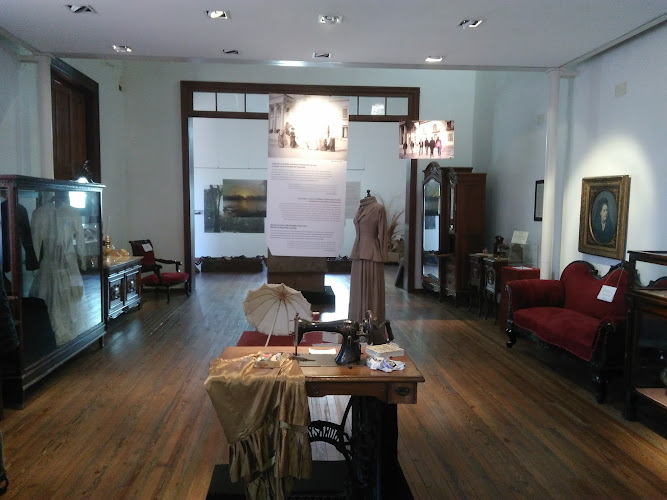
Museo Histórico
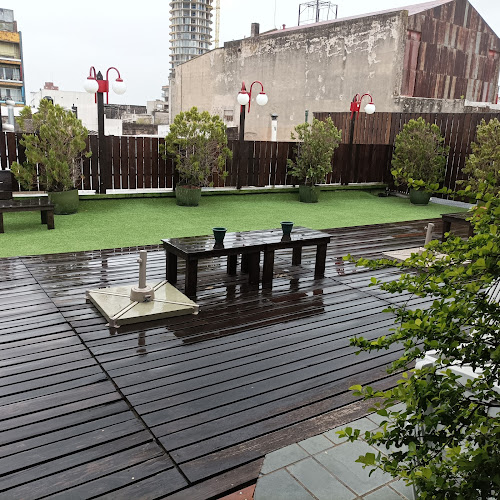
Hotel Park Center
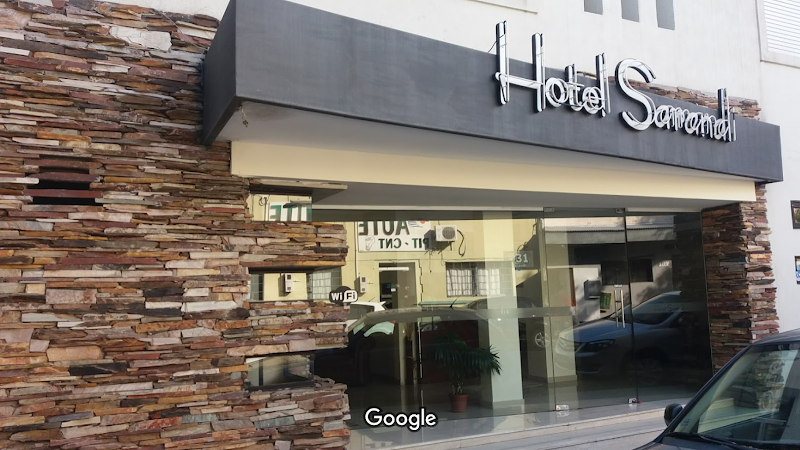
Hotel Sarandí
Find Accommodations Nearby
Recommended Tours & Activities
Visitor Reviews
There are no reviews yet. Be the first one to write one.
Share Your Experience
Have you visited Nuestra Señora del Rosario y San Benito de Palermo, Paysandú? Help other travelers by leaving a review.