
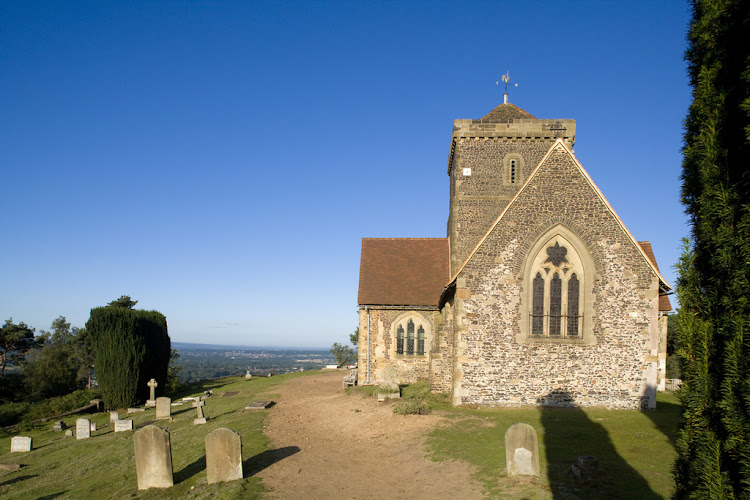
North Downs Way National Trail
About North Downs Way National Trail
Description
Anyone who’s got a pair of walking boots and a curious streak, the North Downs Way National Trail is like Britain’s best-kept open secret waiting right under your nose. Stretching over 153 miles, this historic footpath snakes its way from Farnham in Surrey all the way to Dover on the Kent coast. It’s not just for serious hikers ticking off National Trails—weekend ramblers, dog walkers, birdwatchers, and even caffeine-hunting cake lovers can all slip into the rhythm of the Kentish countryside out here. I’ve seen entire families ambling along for just a mile or two, kids in tow with muddy knees and beaming grins, and the next minute, a solo ultra-runner breezing past, probably training for that infamous North Downs Way 100.
There’s something special about the North Downs Way that sets it apart from other National Trails. It’s not all wild remoteness—it weaves through chocolate-box villages like Wye, along sun-drenched chalk ridges, past fields that flip from emerald green to golden yellow as the seasons turn, and into light-dappled woods alive with songbirds. Blink and you’ll miss the ancient yew groves, or the curious white horses carved in the hillside. If you’re the sort to get excited by history, this trail quite literally marches you along part of the ancient Via Francigena pilgrimage route, linking centuries-old cathedrals and castles, many with a story or two to tell if you care to ask the locals at the village pub. (On that note, there are plenty of those—nothing says “British hiking” quite like ending your day with a pint by the fireplace.)
For those of us whose interests switch between a chatty walk with friends, a moment’s solitude on a misty ridge, or wrangling energetic dogs, the North Downs Way delivers in spades. It’s honestly hard to convey the variety without sounding like I’m exaggerating, but the section by Wye, for instance, just outside Ashford, was designed for drama—those steep chalk escarpments, the legendary Devil’s Kneading Trough, and views that make you forget to check your phone. And yet, on a crisp autumn day, you might equally treasure the quiet intimacy of the woods around Boughton Aluph, squirrels scattering overhead, or the slow reveal of Canterbury Cathedral’s spires on the horizon.
Accessibility is a major plus—this isn’t some isolated route you need a Sherpa and six maps to reach. There are regular railways, handy car parks, waymarked footpaths, and spots that make it easy to dip in or sample just a loop or two. Dogs are positively welcomed (with the usual countryside common sense), and most sections are great for kids who don’t mind a little dirt under their fingernails. I’d say it’s just as common to find someone birdwatching in the hedgerows as it is a group tackling a section of the route on mountain bikes—they’ve even got an alternative riders’ route worked out in partnership with the British Horse Society, for anyone looking to extend their ride on bridleways and byways.
You’ll find a strong local spirit here too—Kent Downs Area of Outstanding Natural Beauty, quirky farm shops, occasional art installations tucked away, not to mention pop-up stands selling fresh berries or hot coffee outside sleepy hamlets. I’ve had some of my best conversations sitting on a stile or sharing a bench with fellow walkers trading tips about hidden valleys or where to catch a glimpse of a rare butterfly. In short: if you want a slice of South-East England’s prettiest countryside blended with big skies, heritage, a touch of adventure, and a real community feel, the North Downs Way is as real as it gets.
Key Features
- Length & Geography: Total trail is approximately 153 miles (246km), running from historic Farnham in Surrey all the way east to the dramatic white cliffs of Dover, winding past Ashford, Wye, and Canterbury along the way.
- Rich History: Follows tracks used for centuries—the trail traces part of the ancient Via Francigena pilgrimage route, including links to the famous Pilgrims’ Way. Walk in the footsteps of history, past medieval castles, Norman churches, and old coaching inns.
- Diverse Landscapes: Expect everything from rolling hills and chalk escarpments (like the Devil’s Kneading Trough near Wye) to quiet bluebell woods, open pastures, and panoramic viewpoints over the Kent Downs Area of Outstanding Natural Beauty.
- Village Life: Picturesque villages like Wye, Chilham, and Boughton Aluph—think traditional pubs, tearooms selling homemade cake, and village greens, all ideal for a mid-hike pause and a pint.
- Wildlife Encounters: The trail is a hotspot for birdwatching and nature lovers. On my last visit, I spotted red kites, buzzards, and even a shy deer grazing at sunrise. Seasonally, look out for butterflies and wild orchids in the meadows.
- Suitable for All: Routes range from gentle, kid-friendly segments to challenging hill climbs; dogs are welcome almost everywhere (just be aware of grazing livestock).
- Well-Marked Paths: Official waymarkers for the North Downs Way National Trail make navigation easy, whether you’re tackling a 2-mile stroll or a 20-mile adventure.
- Great Access: Hitch a ride on the railway to Wye or Chilham station for linear or circular walks; car parks are plentiful, as are links to nearby bus routes.
- Cycle & Horse-Friendly: For those who like to cycle or ride, an alternative ‘riders’ route’ for the North Downs has been developed, blending bridleways, byways, and quiet lanes—ideal for mountain bikes and horse riders.
- Loop Trails & Extensions: Loop and circular trails abound, making it easy to extend your ride or walk to suit your mood and stamina. Some of the most scenic side-trails wind off to ancient woods or local landmarks like the Wye Crown.
- Nearby Attractions: Close to historic Canterbury Cathedral, Leeds Castle, and a bevy of Kent’s best vineyards and breweries for those keen to sample local fare post-walk.
- Local Pubs: There’s a pub at just about every logical break—don’t miss a fireside seat or a Coldharbour ale after a leg-stretch.
Best Time to Visit
Not to sound evasive, but the “best” time is a bit like asking a parent to pick their favorite child—it depends what you want. Spring (April–June) is my personal highlight: bluebells carpet the woods, lambs bounce around the fields, and the air’s got that crisp, green promise to it. You’ll spot wildflowers, emerging butterflies, and if you’re lucky, some outrageously photogenic sunrises streaking across the Weald.
Summer is peak for those long luminous evenings, with views stretching for miles from chalk ridges and vibrant fields buzzing with insect life. If you thrive on energy (and don’t mind the odd gaggles of other explorers), this is the liveliest season along the coast path and hilltop pubs—just bring extra water, as shade can be scarce in exposed sections.
Autumn (September–November)? Oh—now we’re talking gold and russet leaves, quieter trails, and crisp air that makes every uphill pull feel more rewarding. I’ve done some of my favorite hikes here in October, crunching through leaves and stopping for thermos coffee at an overlook, uninterrupted except for a lone robin.
Winter has its stark beauty, too. The chalk ridges glisten with frost, and you’ll often have the National Trail practically to yourself. Just mind your footing, especially after rain; some descents can get slippery.
Quick warning for planners: muddy stretches aren’t uncommon with British weather, so check recent reports if you want to avoid a full-scale boot washing session. If you’re in it for classic “green England” and avoid heat or cold extremes, aim for late spring or early autumn.
How to Get There
Reaching the North Downs Way, especially the much-loved stretch between Wye, Ashford, and Chilham, is refreshingly straightforward. If you’re coming by rail, both Wye and Chilham have their own railway stations, with regular lines running from Ashford and Canterbury. I recommend checking timings in advance, especially on weekends—nothing sours a post-walk pint like missing the last train home.
For drivers, there’s decent parking at key trailheads—Wye, Chilham, and surrounding villages offer public car parks, and some pubs allow parking for walkers (just check with the staff and maybe grab a coffee for good karma). Access roads are, by Kent standards, well signed and maintained, but be aware some can be narrow and winding, especially after a downpour.
If you’re day-tripping from London or elsewhere in the South-East, trains from London St Pancras International zip you to Ashford International in under 40 minutes, and onward connections get you to the footpath with minimal faff. And for the full “green commute” experience, I’ve seen hardy cyclists connect via the Cantii Way or even bring bikes on the train (there are racks available). Local buses and taxis also do the rounds if you prefer to mix and match your hiking segments.
One little tip I sometimes forget myself: download an Ordnance Survey map or grab a paper copy at the village shop. Mobile reception is patchy on some ridges and inside thicker woods.
Tips for Visiting
- Plan Your Segments: The North Downs Way is best savored in manageable bites—don’t feel you have to tackle marathon distances unless you’re in serious training mode. Favor loop trails if you crave variety or get “trail FOMO.”
- Check Local Events: Kentish villages love a good fête or festival, and nothing beats stumbling onto a local market day or art installation. It’s not uncommon to time your walk with a pop-up on the green.
- Respect the Countryside Code: Please close gates, clean up after dogs, and stick to marked footpaths and bridleways—farmers are generally friendly, but nothing spoils a day like chasing a runaway sheep.
- Footwear Matters: The chalk and clay here can be surprisingly slick (I’ve had a few comic landings), so proper boots or trail shoes are a must, especially after rain.
- Layer Up: Kent weather is as changeable as a British queue—sunny one minute, blustery the next. Layers and a lightweight raincoat will save your day.
- Bring Water and Snacks: While village pubs and tea rooms are frequent, some stretches can feel gloriously remote. A flask of coffee and a couple of flapjacks can turn a routine walk into a treat.
- Dogs and Kids: Great for both, but keeping dogs on leads near livestock is a must. Younger children will love spotting birds or counting stiles, but consider loop walks for smaller legs.
- Stay for Sunset: If you can, plan to finish at a ridge with a view over the Weald or the Downs. Sunset up there, even on a breezy day, has a kind of peaceful magic to it.
- Extend Your Ride: Cyclists and equestrians should explore the alternative “riders’ route”—it links together bridleways, quiet lanes, and byways for a safe, continuous trail across the Downs.
- Explore Surroundings: Local landmarks like the Wye Crown, Devil’s Kneading Trough, and Chilham Castle are short detours that add character and a good stretch to any itinerary.
- Support Local: Don’t miss farm shops for seasonal fruit, independent cafés for top-notch coffee and cake, or village pubs for hearty Kentish fare—these places are the soul of the North Downs Way experience.
Visiting the North Downs Way National Trail is at once grounding and exhilarating. Whether you crave wide-open landscapes, a brush with history, or a lazy ramble with plenty of snack stops, you’ll find yourself wanting to come back for more—and probably bringing a few friends next time, too.
Key Features
- Accessible trailhead at Coldharbour Lane near Wye/Ashford
- Scenic chalk downland and beechwood landscapes
- Panoramic views over the Kentish Weald
- Good connections to nearby villages, pubs and transport
- Part of the 153-mile North Downs Way National Trail with waymarking
More Details
Updated September 16, 2025
Table of Contents
Description
Anyone who’s got a pair of walking boots and a curious streak, the North Downs Way National Trail is like Britain’s best-kept open secret waiting right under your nose. Stretching over 153 miles, this historic footpath snakes its way from Farnham in Surrey all the way to Dover on the Kent coast. It’s not just for serious hikers ticking off National Trails—weekend ramblers, dog walkers, birdwatchers, and even caffeine-hunting cake lovers can all slip into the rhythm of the Kentish countryside out here. I’ve seen entire families ambling along for just a mile or two, kids in tow with muddy knees and beaming grins, and the next minute, a solo ultra-runner breezing past, probably training for that infamous North Downs Way 100.
There’s something special about the North Downs Way that sets it apart from other National Trails. It’s not all wild remoteness—it weaves through chocolate-box villages like Wye, along sun-drenched chalk ridges, past fields that flip from emerald green to golden yellow as the seasons turn, and into light-dappled woods alive with songbirds. Blink and you’ll miss the ancient yew groves, or the curious white horses carved in the hillside. If you’re the sort to get excited by history, this trail quite literally marches you along part of the ancient Via Francigena pilgrimage route, linking centuries-old cathedrals and castles, many with a story or two to tell if you care to ask the locals at the village pub. (On that note, there are plenty of those—nothing says “British hiking” quite like ending your day with a pint by the fireplace.)
For those of us whose interests switch between a chatty walk with friends, a moment’s solitude on a misty ridge, or wrangling energetic dogs, the North Downs Way delivers in spades. It’s honestly hard to convey the variety without sounding like I’m exaggerating, but the section by Wye, for instance, just outside Ashford, was designed for drama—those steep chalk escarpments, the legendary Devil’s Kneading Trough, and views that make you forget to check your phone. And yet, on a crisp autumn day, you might equally treasure the quiet intimacy of the woods around Boughton Aluph, squirrels scattering overhead, or the slow reveal of Canterbury Cathedral’s spires on the horizon.
Accessibility is a major plus—this isn’t some isolated route you need a Sherpa and six maps to reach. There are regular railways, handy car parks, waymarked footpaths, and spots that make it easy to dip in or sample just a loop or two. Dogs are positively welcomed (with the usual countryside common sense), and most sections are great for kids who don’t mind a little dirt under their fingernails. I’d say it’s just as common to find someone birdwatching in the hedgerows as it is a group tackling a section of the route on mountain bikes—they’ve even got an alternative riders’ route worked out in partnership with the British Horse Society, for anyone looking to extend their ride on bridleways and byways.
You’ll find a strong local spirit here too—Kent Downs Area of Outstanding Natural Beauty, quirky farm shops, occasional art installations tucked away, not to mention pop-up stands selling fresh berries or hot coffee outside sleepy hamlets. I’ve had some of my best conversations sitting on a stile or sharing a bench with fellow walkers trading tips about hidden valleys or where to catch a glimpse of a rare butterfly. In short: if you want a slice of South-East England’s prettiest countryside blended with big skies, heritage, a touch of adventure, and a real community feel, the North Downs Way is as real as it gets.
Key Features
- Length & Geography: Total trail is approximately 153 miles (246km), running from historic Farnham in Surrey all the way east to the dramatic white cliffs of Dover, winding past Ashford, Wye, and Canterbury along the way.
- Rich History: Follows tracks used for centuries—the trail traces part of the ancient Via Francigena pilgrimage route, including links to the famous Pilgrims’ Way. Walk in the footsteps of history, past medieval castles, Norman churches, and old coaching inns.
- Diverse Landscapes: Expect everything from rolling hills and chalk escarpments (like the Devil’s Kneading Trough near Wye) to quiet bluebell woods, open pastures, and panoramic viewpoints over the Kent Downs Area of Outstanding Natural Beauty.
- Village Life: Picturesque villages like Wye, Chilham, and Boughton Aluph—think traditional pubs, tearooms selling homemade cake, and village greens, all ideal for a mid-hike pause and a pint.
- Wildlife Encounters: The trail is a hotspot for birdwatching and nature lovers. On my last visit, I spotted red kites, buzzards, and even a shy deer grazing at sunrise. Seasonally, look out for butterflies and wild orchids in the meadows.
- Suitable for All: Routes range from gentle, kid-friendly segments to challenging hill climbs; dogs are welcome almost everywhere (just be aware of grazing livestock).
- Well-Marked Paths: Official waymarkers for the North Downs Way National Trail make navigation easy, whether you’re tackling a 2-mile stroll or a 20-mile adventure.
- Great Access: Hitch a ride on the railway to Wye or Chilham station for linear or circular walks; car parks are plentiful, as are links to nearby bus routes.
- Cycle & Horse-Friendly: For those who like to cycle or ride, an alternative ‘riders’ route’ for the North Downs has been developed, blending bridleways, byways, and quiet lanes—ideal for mountain bikes and horse riders.
- Loop Trails & Extensions: Loop and circular trails abound, making it easy to extend your ride or walk to suit your mood and stamina. Some of the most scenic side-trails wind off to ancient woods or local landmarks like the Wye Crown.
- Nearby Attractions: Close to historic Canterbury Cathedral, Leeds Castle, and a bevy of Kent’s best vineyards and breweries for those keen to sample local fare post-walk.
- Local Pubs: There’s a pub at just about every logical break—don’t miss a fireside seat or a Coldharbour ale after a leg-stretch.
Best Time to Visit
Not to sound evasive, but the “best” time is a bit like asking a parent to pick their favorite child—it depends what you want. Spring (April–June) is my personal highlight: bluebells carpet the woods, lambs bounce around the fields, and the air’s got that crisp, green promise to it. You’ll spot wildflowers, emerging butterflies, and if you’re lucky, some outrageously photogenic sunrises streaking across the Weald.
Summer is peak for those long luminous evenings, with views stretching for miles from chalk ridges and vibrant fields buzzing with insect life. If you thrive on energy (and don’t mind the odd gaggles of other explorers), this is the liveliest season along the coast path and hilltop pubs—just bring extra water, as shade can be scarce in exposed sections.
Autumn (September–November)? Oh—now we’re talking gold and russet leaves, quieter trails, and crisp air that makes every uphill pull feel more rewarding. I’ve done some of my favorite hikes here in October, crunching through leaves and stopping for thermos coffee at an overlook, uninterrupted except for a lone robin.
Winter has its stark beauty, too. The chalk ridges glisten with frost, and you’ll often have the National Trail practically to yourself. Just mind your footing, especially after rain; some descents can get slippery.
Quick warning for planners: muddy stretches aren’t uncommon with British weather, so check recent reports if you want to avoid a full-scale boot washing session. If you’re in it for classic “green England” and avoid heat or cold extremes, aim for late spring or early autumn.
How to Get There
Reaching the North Downs Way, especially the much-loved stretch between Wye, Ashford, and Chilham, is refreshingly straightforward. If you’re coming by rail, both Wye and Chilham have their own railway stations, with regular lines running from Ashford and Canterbury. I recommend checking timings in advance, especially on weekends—nothing sours a post-walk pint like missing the last train home.
For drivers, there’s decent parking at key trailheads—Wye, Chilham, and surrounding villages offer public car parks, and some pubs allow parking for walkers (just check with the staff and maybe grab a coffee for good karma). Access roads are, by Kent standards, well signed and maintained, but be aware some can be narrow and winding, especially after a downpour.
If you’re day-tripping from London or elsewhere in the South-East, trains from London St Pancras International zip you to Ashford International in under 40 minutes, and onward connections get you to the footpath with minimal faff. And for the full “green commute” experience, I’ve seen hardy cyclists connect via the Cantii Way or even bring bikes on the train (there are racks available). Local buses and taxis also do the rounds if you prefer to mix and match your hiking segments.
One little tip I sometimes forget myself: download an Ordnance Survey map or grab a paper copy at the village shop. Mobile reception is patchy on some ridges and inside thicker woods.
Tips for Visiting
- Plan Your Segments: The North Downs Way is best savored in manageable bites—don’t feel you have to tackle marathon distances unless you’re in serious training mode. Favor loop trails if you crave variety or get “trail FOMO.”
- Check Local Events: Kentish villages love a good fête or festival, and nothing beats stumbling onto a local market day or art installation. It’s not uncommon to time your walk with a pop-up on the green.
- Respect the Countryside Code: Please close gates, clean up after dogs, and stick to marked footpaths and bridleways—farmers are generally friendly, but nothing spoils a day like chasing a runaway sheep.
- Footwear Matters: The chalk and clay here can be surprisingly slick (I’ve had a few comic landings), so proper boots or trail shoes are a must, especially after rain.
- Layer Up: Kent weather is as changeable as a British queue—sunny one minute, blustery the next. Layers and a lightweight raincoat will save your day.
- Bring Water and Snacks: While village pubs and tea rooms are frequent, some stretches can feel gloriously remote. A flask of coffee and a couple of flapjacks can turn a routine walk into a treat.
- Dogs and Kids: Great for both, but keeping dogs on leads near livestock is a must. Younger children will love spotting birds or counting stiles, but consider loop walks for smaller legs.
- Stay for Sunset: If you can, plan to finish at a ridge with a view over the Weald or the Downs. Sunset up there, even on a breezy day, has a kind of peaceful magic to it.
- Extend Your Ride: Cyclists and equestrians should explore the alternative “riders’ route”—it links together bridleways, quiet lanes, and byways for a safe, continuous trail across the Downs.
- Explore Surroundings: Local landmarks like the Wye Crown, Devil’s Kneading Trough, and Chilham Castle are short detours that add character and a good stretch to any itinerary.
- Support Local: Don’t miss farm shops for seasonal fruit, independent cafés for top-notch coffee and cake, or village pubs for hearty Kentish fare—these places are the soul of the North Downs Way experience.
Visiting the North Downs Way National Trail is at once grounding and exhilarating. Whether you crave wide-open landscapes, a brush with history, or a lazy ramble with plenty of snack stops, you’ll find yourself wanting to come back for more—and probably bringing a few friends next time, too.
Key Highlights
- Accessible trailhead at Coldharbour Lane near Wye/Ashford
- Scenic chalk downland and beechwood landscapes
- Panoramic views over the Kentish Weald
- Good connections to nearby villages, pubs and transport
- Part of the 153-mile North Downs Way National Trail with waymarking
Location
Places to Stay Near North Downs Way National Trail
Find and Book a Tour
Explore More Travel Guides
No reviews found! Be the first to review!
Traveler Reviews for North Downs Way National Trail
There are no reviews yet. Be the first one to write one.
Have you visited North Downs Way National Trail? Help other travelers by sharing your review.
Nearby Attractions
You Might Also Like

Ashford Community Woodland
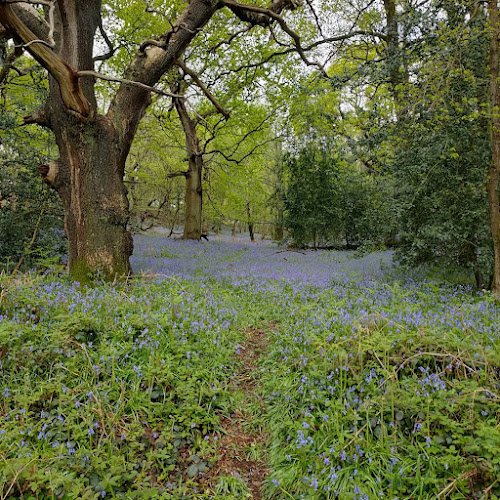
The Warren
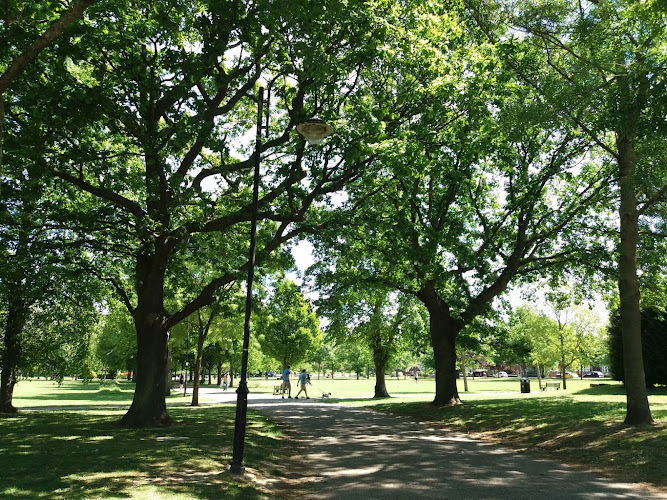
Victoria Park
Find Accommodations Nearby
Recommended Tours & Activities
Visitor Reviews
There are no reviews yet. Be the first one to write one.
Share Your Experience
Have you visited North Downs Way National Trail? Help other travelers by leaving a review.