
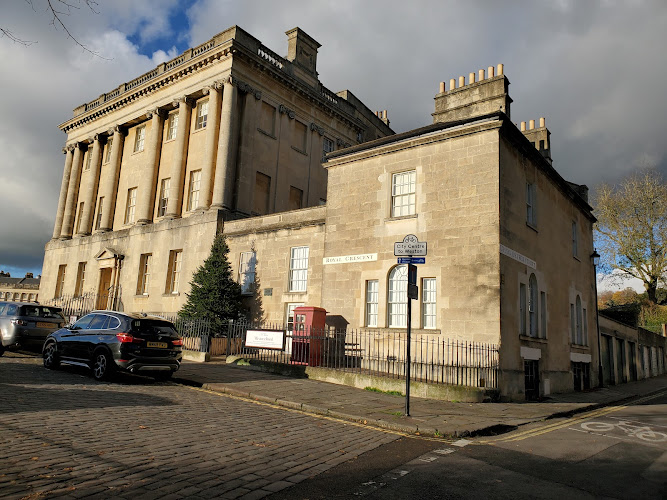
No. 1 Royal Crescent
About No. 1 Royal Crescent
Description
No. 1 Royal Crescent is one of those rare spots where history feels alive, not just stuck behind glass cases or dusty plaques. This 18th-century Palladian-style townhouse stands proud as a remarkable example of Georgian architecture, and walking through its doors is like stepping back into a world of powdered wigs, horse-drawn carriages, and grand social balls. But it’s not just about the building’s stunning facade—the inside is where the magic truly happens.
The house has been painstakingly restored to reflect the lifestyle of a wealthy Bath family in the late 1700s. The period rooms are decked out with authentic furnishings, intricate plasterwork, and fine art that really give you a sense of how the upper crust lived back in the day. It’s not just a static museum, either. The displays are thoughtfully curated to immerse you in the era’s social history, from the servants’ quarters to the lavish drawing rooms. And if you’re like me, you’ll find yourself lingering in the kitchens, imagining the hustle and bustle of staff preparing for a grand dinner party.
What’s really cool is how the museum manages to balance being educational without feeling stuffy. There’s a warmth to the place, and it’s surprisingly family-friendly—kids tend to enjoy the hands-on aspects and the chance to explore a real piece of history rather than just reading about it. Accessibility is also taken seriously here, with wheelchair-friendly entrances and assistive hearing loops, which means more people get to soak up the experience without hassle.
One thing I’ll admit caught me off guard was how peaceful it felt inside, despite being a popular tourist spot. The layout and design somehow keep the flow smooth, so you don’t feel like you’re stuck in a crowd. It’s the kind of place where you can take your time, snap some photos (without flash), and really appreciate the craftsmanship of the 18th century—something that’s all too rare these days.
Key Features
- Authentic 18th-century Palladian townhouse architecture with original design elements
- Elaborate period room displays showcasing Georgian lifestyle and social history
- Fine art collection featuring portraits and decorative pieces from the era
- Immersive servant quarters and kitchen areas that bring daily life to light
- Family-friendly environment with interactive exhibits suitable for children
- Accessibility features including wheelchair-accessible entrances, restrooms, and assistive hearing loops
- Onsite services available for a comfortable visit (though no restaurant on site, so plan accordingly)
- Restrooms available for visitor convenience
- Quiet and spacious interior allowing for relaxed exploration without feeling crowded
Best Time to Visit
Bath’s weather can be a bit unpredictable, but if you want to catch No. 1 Royal Crescent at its best, aim for the spring or early autumn months. April through June and September to October usually offer mild weather and fewer tourists, which means you’ll get a more intimate experience without the crush of summer crowds. I once visited in mid-July, and while the museum itself was manageable, the city was buzzing with tourists, making it harder to fully enjoy the calm inside the townhouse.
Weekdays are your friend here—especially in the morning when the place first opens. It’s a nice way to avoid the weekend rush and have a bit of quiet time to soak in the details. If you’re a history buff or just love architecture, visiting during one of Bath’s heritage festivals can add an extra layer of excitement, with special events and guided tours that dig deeper into the era.
Also, keep an eye out for seasonal exhibitions or special events hosted at No. 1 Royal Crescent. They often showcase unique aspects of Georgian life or highlight specific art pieces, which can make your visit feel fresh even if you’ve been before.
How to Get There
No. 1 Royal Crescent is smack dab in the heart of Bath, making it pretty accessible whether you’re arriving by train, bus, or car. The city’s compact nature means you can easily walk from Bath Spa railway station in about 15 minutes, which is a nice stroll through some charming streets. If you’re like me and enjoy a good walk, it’s a great way to get a feel for the city before diving into history.
Public transport options are solid too. Several local buses stop close by, so if you’re coming from farther afield or prefer not to walk, that’s a convenient choice. Just remember, parking in central Bath can be tricky and pricey, so if you’re driving, consider parking in one of the city’s park-and-ride lots and hopping on a bus or walking the rest of the way.
For wheelchair users or those with limited mobility, the accessible entrance is on the side street, so it’s worth checking the museum’s info ahead of time to plan your route. Once inside, the layout is pretty straightforward, but a heads-up: the townhouse’s historic nature means some areas might have narrow doorways or slight steps, so it’s always good to ask staff for assistance if you need it.
Tips for Visiting
Alright, so you’re gearing up for your visit to No. 1 Royal Crescent—here’s some insider advice to help you make the most of it. First off, give yourself at least an hour to explore. Trust me, it’s easy to breeze through this place too quickly, but the details are what make it special. Those intricate moldings, the period furniture, the art—they all tell stories that deserve a bit of time.
Bring your camera but remember, no flash photography is allowed inside. The natural light filtering through the sash windows does wonders for the atmosphere, so you’ll get some lovely shots without any hassle. Also, don’t be shy about chatting with the staff; they’re usually super knowledgeable and happy to share quirky tidbits or answer questions that pop up.
Since there’s no restaurant on site, plan your meals accordingly. There are plenty of cafes and eateries nearby in Bath’s city center, so maybe grab a bite before or after your visit. And if you’re traveling with kids, the interactive elements and the chance to roam through a real Georgian home usually keep them engaged, but a little prep about what they’ll see might help them appreciate it even more.
Finally, check the museum’s schedule before you go. Sometimes they have special tours or events that require booking in advance. If you’re lucky, you might catch a themed event or a behind-the-scenes tour that adds a whole new layer to the experience.
So yeah, No. 1 Royal Crescent isn’t just another museum—it’s a chance to live a little in the past, to imagine the clinking of teacups and the rustle of silk gowns in a home that’s been lovingly preserved for centuries. If you’re in Bath, it’s definitely worth carving out some time to soak up its charm and history.
Key Features
- Authentic 18th-century Palladian townhouse architecture with original design elements
- Elaborate period room displays showcasing Georgian lifestyle and social history
- Fine art collection featuring portraits and decorative pieces from the era
- Immersive servant quarters and kitchen areas that bring daily life to light
- Family-friendly environment with interactive exhibits suitable for children
- Accessibility features including wheelchair-accessible entrances, restrooms, and assistive hearing loops
- Onsite services available for a comfortable visit (though no restaurant on site, so plan accordingly)
- Restrooms available for visitor convenience
More Details
Updated July 17, 2025
Table of Contents
Description
No. 1 Royal Crescent is one of those rare spots where history feels alive, not just stuck behind glass cases or dusty plaques. This 18th-century Palladian-style townhouse stands proud as a remarkable example of Georgian architecture, and walking through its doors is like stepping back into a world of powdered wigs, horse-drawn carriages, and grand social balls. But it’s not just about the building’s stunning facade—the inside is where the magic truly happens.
The house has been painstakingly restored to reflect the lifestyle of a wealthy Bath family in the late 1700s. The period rooms are decked out with authentic furnishings, intricate plasterwork, and fine art that really give you a sense of how the upper crust lived back in the day. It’s not just a static museum, either. The displays are thoughtfully curated to immerse you in the era’s social history, from the servants’ quarters to the lavish drawing rooms. And if you’re like me, you’ll find yourself lingering in the kitchens, imagining the hustle and bustle of staff preparing for a grand dinner party.
What’s really cool is how the museum manages to balance being educational without feeling stuffy. There’s a warmth to the place, and it’s surprisingly family-friendly—kids tend to enjoy the hands-on aspects and the chance to explore a real piece of history rather than just reading about it. Accessibility is also taken seriously here, with wheelchair-friendly entrances and assistive hearing loops, which means more people get to soak up the experience without hassle.
One thing I’ll admit caught me off guard was how peaceful it felt inside, despite being a popular tourist spot. The layout and design somehow keep the flow smooth, so you don’t feel like you’re stuck in a crowd. It’s the kind of place where you can take your time, snap some photos (without flash), and really appreciate the craftsmanship of the 18th century—something that’s all too rare these days.
Key Features
- Authentic 18th-century Palladian townhouse architecture with original design elements
- Elaborate period room displays showcasing Georgian lifestyle and social history
- Fine art collection featuring portraits and decorative pieces from the era
- Immersive servant quarters and kitchen areas that bring daily life to light
- Family-friendly environment with interactive exhibits suitable for children
- Accessibility features including wheelchair-accessible entrances, restrooms, and assistive hearing loops
- Onsite services available for a comfortable visit (though no restaurant on site, so plan accordingly)
- Restrooms available for visitor convenience
- Quiet and spacious interior allowing for relaxed exploration without feeling crowded
Best Time to Visit
Bath’s weather can be a bit unpredictable, but if you want to catch No. 1 Royal Crescent at its best, aim for the spring or early autumn months. April through June and September to October usually offer mild weather and fewer tourists, which means you’ll get a more intimate experience without the crush of summer crowds. I once visited in mid-July, and while the museum itself was manageable, the city was buzzing with tourists, making it harder to fully enjoy the calm inside the townhouse.
Weekdays are your friend here—especially in the morning when the place first opens. It’s a nice way to avoid the weekend rush and have a bit of quiet time to soak in the details. If you’re a history buff or just love architecture, visiting during one of Bath’s heritage festivals can add an extra layer of excitement, with special events and guided tours that dig deeper into the era.
Also, keep an eye out for seasonal exhibitions or special events hosted at No. 1 Royal Crescent. They often showcase unique aspects of Georgian life or highlight specific art pieces, which can make your visit feel fresh even if you’ve been before.
How to Get There
No. 1 Royal Crescent is smack dab in the heart of Bath, making it pretty accessible whether you’re arriving by train, bus, or car. The city’s compact nature means you can easily walk from Bath Spa railway station in about 15 minutes, which is a nice stroll through some charming streets. If you’re like me and enjoy a good walk, it’s a great way to get a feel for the city before diving into history.
Public transport options are solid too. Several local buses stop close by, so if you’re coming from farther afield or prefer not to walk, that’s a convenient choice. Just remember, parking in central Bath can be tricky and pricey, so if you’re driving, consider parking in one of the city’s park-and-ride lots and hopping on a bus or walking the rest of the way.
For wheelchair users or those with limited mobility, the accessible entrance is on the side street, so it’s worth checking the museum’s info ahead of time to plan your route. Once inside, the layout is pretty straightforward, but a heads-up: the townhouse’s historic nature means some areas might have narrow doorways or slight steps, so it’s always good to ask staff for assistance if you need it.
Tips for Visiting
Alright, so you’re gearing up for your visit to No. 1 Royal Crescent—here’s some insider advice to help you make the most of it. First off, give yourself at least an hour to explore. Trust me, it’s easy to breeze through this place too quickly, but the details are what make it special. Those intricate moldings, the period furniture, the art—they all tell stories that deserve a bit of time.
Bring your camera but remember, no flash photography is allowed inside. The natural light filtering through the sash windows does wonders for the atmosphere, so you’ll get some lovely shots without any hassle. Also, don’t be shy about chatting with the staff; they’re usually super knowledgeable and happy to share quirky tidbits or answer questions that pop up.
Since there’s no restaurant on site, plan your meals accordingly. There are plenty of cafes and eateries nearby in Bath’s city center, so maybe grab a bite before or after your visit. And if you’re traveling with kids, the interactive elements and the chance to roam through a real Georgian home usually keep them engaged, but a little prep about what they’ll see might help them appreciate it even more.
Finally, check the museum’s schedule before you go. Sometimes they have special tours or events that require booking in advance. If you’re lucky, you might catch a themed event or a behind-the-scenes tour that adds a whole new layer to the experience.
So yeah, No. 1 Royal Crescent isn’t just another museum—it’s a chance to live a little in the past, to imagine the clinking of teacups and the rustle of silk gowns in a home that’s been lovingly preserved for centuries. If you’re in Bath, it’s definitely worth carving out some time to soak up its charm and history.
Key Highlights
- Authentic 18th-century Palladian townhouse architecture with original design elements
- Elaborate period room displays showcasing Georgian lifestyle and social history
- Fine art collection featuring portraits and decorative pieces from the era
- Immersive servant quarters and kitchen areas that bring daily life to light
- Family-friendly environment with interactive exhibits suitable for children
- Accessibility features including wheelchair-accessible entrances, restrooms, and assistive hearing loops
- Onsite services available for a comfortable visit (though no restaurant on site, so plan accordingly)
- Restrooms available for visitor convenience
Location
Places to Stay Near No. 1 Royal Crescent
Find and Book a Tour
Explore More Travel Guides
No reviews found! Be the first to review!
Traveler Reviews for No. 1 Royal Crescent
There are no reviews yet. Be the first one to write one.
Have you visited No. 1 Royal Crescent? Help other travelers by sharing your review.
You Might Also Like

Herschel Museum of Astronomy
Bath Abbey

National Trust - Prior Park Landscape Garden (no parking)
Find Accommodations Nearby
Recommended Tours & Activities
Visitor Reviews
There are no reviews yet. Be the first one to write one.
Share Your Experience
Have you visited No. 1 Royal Crescent? Help other travelers by leaving a review.