

Nitobe Memorial Garden
About Nitobe Memorial Garden
Description
The Nitobe Memorial Garden is one of those rare places that quietly humbles you the moment you step through its gates. It’s a traditional Japanese garden tucked within the University of British Columbia campus in Vancouver, but it feels worlds away from the city’s bustle. The garden was designed to honor Dr. Inazō Nitobe, a respected Japanese scholar and diplomat who dedicated his life to building bridges between Japan and the West. And honestly, you can feel that spirit of harmony in every stone, leaf, and ripple of water here.
Walking through the garden feels like stepping into a living poem. Every turn reveals something new yet perfectly balanced — a stone lantern half-hidden by moss, a curved bridge arching over a koi pond, or the soft crunch of gravel underfoot that somehow feels meditative. It’s not a large garden, roughly one hectare, but that’s part of its charm. The compactness invites you to slow down, to notice the tiny details — the way the maple leaves catch the sunlight or how the reflections in the pond shift with the breeze.
There’s a certain stillness here that’s hard to find elsewhere in Vancouver. I remember visiting one drizzly afternoon, umbrella in hand, and just standing by the tea house watching raindrops make perfect circles in the water. It was one of those rare moments when time seems to pause. That’s the kind of experience Nitobe offers — not loud or flashy, but deeply restorative.
The garden’s design follows traditional Japanese principles of balance and symbolism. Every element, from the placement of stones to the flow of water, has meaning. The paths represent life’s journey, the bridges symbolize transitions, and the ponds reflect the impermanence of all things. It’s beautiful, yes, but also deeply thoughtful. And while it’s meticulously maintained, it never feels artificial — nature and human intention coexist gracefully here.
Visitors often comment on the sense of peace that lingers long after they leave. Of course, not everyone connects with it in the same way — some find it too quiet or too small — but that’s part of its character. Nitobe isn’t trying to impress; it’s inviting you to reflect. And that’s what makes it special.
Key Features
- Authentic Japanese landscaping designed with traditional principles of harmony and symbolism
- Serene koi pond surrounded by meticulously pruned trees and shrubs
- Traditional wooden bridges offering picturesque views and photo opportunities
- Tea house where traditional Japanese tea ceremonies are occasionally held
- Seasonal beauty — cherry blossoms in spring, lush greenery in summer, fiery maples in autumn
- Wheelchair-accessible paths and facilities for inclusive access
- Peaceful atmosphere ideal for meditation, quiet walks, or photography
- Friendly and safe environment for LGBTQ+ visitors and families with children
- Accepts multiple payment methods including credit cards, debit cards, and mobile payments
Best Time to Visit
Honestly, there’s no bad time to visit Nitobe Memorial Garden — it transforms beautifully with the seasons. But if you’re after a bit of magic, spring and autumn are unbeatable. In spring, the cherry blossoms turn the garden into a soft pink dreamscape. It’s fleeting — maybe a week or two — but utterly worth planning for. I once arrived just as the petals started falling into the pond, and it looked like the water itself was blushing.
Summer brings a different kind of beauty — lush greens and the gentle hum of life everywhere. It’s a perfect time to linger on a bench and just breathe. Autumn, though, might be my personal favorite. The maples blaze in shades of crimson, orange, and gold, and the reflections in the pond look like a painting come to life. Winter is quieter, more contemplative. The bare branches and muted tones create a minimalist beauty that’s easy to overlook but deeply calming if you take the time to see it.
If you prefer fewer crowds, weekday mornings are ideal. You’ll often find yourself almost alone, save for a few ducks and the occasional gardener. Early mornings after a light rain are particularly special — the air smells fresh, and everything glistens just a little.
How to Get There
Reaching Nitobe Memorial Garden is fairly straightforward, especially if you’re already exploring Vancouver. The garden sits within the University of British Columbia area, which is well-connected by public transit. Several bus routes run directly from downtown Vancouver to UBC, and from the bus loop, it’s just a short walk to the garden’s entrance.
If you’re driving, there’s paid parking nearby, though spaces can fill up quickly during peak visiting hours or university events. I’ve found that arriving early — before 10 a.m. — usually guarantees a spot. Cycling is another great option, especially on a sunny day. Vancouver’s bike paths are well-maintained, and the ride out to UBC offers some lovely views along the way.
For those with accessibility needs, the garden provides wheelchair-accessible entrances and parking, making it easy for everyone to enjoy its tranquil paths. And don’t worry about getting lost — signage around UBC is clear and easy to follow.
Tips for Visiting
If you’re planning a visit, here are a few things that might make your experience even better. First, take your time. This isn’t the kind of place to rush through. Let yourself wander slowly, pause on a bridge, listen to the sound of water trickling, or watch the koi glide beneath the surface. It’s amazing how much calmer you feel after just half an hour here.
Bring a camera, but don’t spend the whole visit behind the lens. Some of the most memorable moments can’t really be captured — like the way the light filters through the bamboo or the subtle scent of pine after rain. If you’re lucky enough to catch a tea ceremony, definitely attend. They’re not held daily, but when they are, it’s a beautiful, intimate experience that offers a glimpse into Japanese culture and mindfulness.
Dress comfortably and wear shoes suitable for walking, especially if the weather’s damp. Vancouver’s climate can be unpredictable, so a light jacket or umbrella never hurts. And if you’re visiting in spring or fall, plan for a bit of chill in the air.
Families with kids will find it a surprisingly engaging place. The paths are safe, and children often love spotting the koi or crossing the bridges. Just remind them to keep voices low — part of the garden’s charm is its quiet atmosphere.
One more thing — don’t skip the nearby UBC Botanical Garden if you have time. It’s a completely different experience, but together they make for a day full of nature, reflection, and beauty.
Nitobe Memorial Garden isn’t about grand statements or flashy displays. It’s about subtlety, balance, and connection — with nature, with culture, and maybe even with yourself. Whether you’re a traveler seeking a peaceful detour, a local looking for a moment of calm, or simply someone who appreciates thoughtful design, this garden offers something rare: a space to just be. And in a world that never seems to stop moving, that’s a gift worth savoring.
Key Features
- Authentic Japanese landscaping designed with traditional principles of harmony and symbolism
- Serene koi pond surrounded by meticulously pruned trees and shrubs
- Traditional wooden bridges offering picturesque views and photo opportunities
- Tea house where traditional Japanese tea ceremonies are occasionally held
- Seasonal beauty — cherry blossoms in spring, lush greenery in summer, fiery maples in autumn
- Wheelchair-accessible paths and facilities for inclusive access
- Peaceful atmosphere ideal for meditation, quiet walks, or photography
- Friendly and safe environment for LGBTQ+ visitors and families with children
More Details
Updated November 7, 2025
Table of Contents
Description
The Nitobe Memorial Garden is one of those rare places that quietly humbles you the moment you step through its gates. It’s a traditional Japanese garden tucked within the University of British Columbia campus in Vancouver, but it feels worlds away from the city’s bustle. The garden was designed to honor Dr. Inazō Nitobe, a respected Japanese scholar and diplomat who dedicated his life to building bridges between Japan and the West. And honestly, you can feel that spirit of harmony in every stone, leaf, and ripple of water here.
Walking through the garden feels like stepping into a living poem. Every turn reveals something new yet perfectly balanced — a stone lantern half-hidden by moss, a curved bridge arching over a koi pond, or the soft crunch of gravel underfoot that somehow feels meditative. It’s not a large garden, roughly one hectare, but that’s part of its charm. The compactness invites you to slow down, to notice the tiny details — the way the maple leaves catch the sunlight or how the reflections in the pond shift with the breeze.
There’s a certain stillness here that’s hard to find elsewhere in Vancouver. I remember visiting one drizzly afternoon, umbrella in hand, and just standing by the tea house watching raindrops make perfect circles in the water. It was one of those rare moments when time seems to pause. That’s the kind of experience Nitobe offers — not loud or flashy, but deeply restorative.
The garden’s design follows traditional Japanese principles of balance and symbolism. Every element, from the placement of stones to the flow of water, has meaning. The paths represent life’s journey, the bridges symbolize transitions, and the ponds reflect the impermanence of all things. It’s beautiful, yes, but also deeply thoughtful. And while it’s meticulously maintained, it never feels artificial — nature and human intention coexist gracefully here.
Visitors often comment on the sense of peace that lingers long after they leave. Of course, not everyone connects with it in the same way — some find it too quiet or too small — but that’s part of its character. Nitobe isn’t trying to impress; it’s inviting you to reflect. And that’s what makes it special.
Key Features
- Authentic Japanese landscaping designed with traditional principles of harmony and symbolism
- Serene koi pond surrounded by meticulously pruned trees and shrubs
- Traditional wooden bridges offering picturesque views and photo opportunities
- Tea house where traditional Japanese tea ceremonies are occasionally held
- Seasonal beauty — cherry blossoms in spring, lush greenery in summer, fiery maples in autumn
- Wheelchair-accessible paths and facilities for inclusive access
- Peaceful atmosphere ideal for meditation, quiet walks, or photography
- Friendly and safe environment for LGBTQ+ visitors and families with children
- Accepts multiple payment methods including credit cards, debit cards, and mobile payments
Best Time to Visit
Honestly, there’s no bad time to visit Nitobe Memorial Garden — it transforms beautifully with the seasons. But if you’re after a bit of magic, spring and autumn are unbeatable. In spring, the cherry blossoms turn the garden into a soft pink dreamscape. It’s fleeting — maybe a week or two — but utterly worth planning for. I once arrived just as the petals started falling into the pond, and it looked like the water itself was blushing.
Summer brings a different kind of beauty — lush greens and the gentle hum of life everywhere. It’s a perfect time to linger on a bench and just breathe. Autumn, though, might be my personal favorite. The maples blaze in shades of crimson, orange, and gold, and the reflections in the pond look like a painting come to life. Winter is quieter, more contemplative. The bare branches and muted tones create a minimalist beauty that’s easy to overlook but deeply calming if you take the time to see it.
If you prefer fewer crowds, weekday mornings are ideal. You’ll often find yourself almost alone, save for a few ducks and the occasional gardener. Early mornings after a light rain are particularly special — the air smells fresh, and everything glistens just a little.
How to Get There
Reaching Nitobe Memorial Garden is fairly straightforward, especially if you’re already exploring Vancouver. The garden sits within the University of British Columbia area, which is well-connected by public transit. Several bus routes run directly from downtown Vancouver to UBC, and from the bus loop, it’s just a short walk to the garden’s entrance.
If you’re driving, there’s paid parking nearby, though spaces can fill up quickly during peak visiting hours or university events. I’ve found that arriving early — before 10 a.m. — usually guarantees a spot. Cycling is another great option, especially on a sunny day. Vancouver’s bike paths are well-maintained, and the ride out to UBC offers some lovely views along the way.
For those with accessibility needs, the garden provides wheelchair-accessible entrances and parking, making it easy for everyone to enjoy its tranquil paths. And don’t worry about getting lost — signage around UBC is clear and easy to follow.
Tips for Visiting
If you’re planning a visit, here are a few things that might make your experience even better. First, take your time. This isn’t the kind of place to rush through. Let yourself wander slowly, pause on a bridge, listen to the sound of water trickling, or watch the koi glide beneath the surface. It’s amazing how much calmer you feel after just half an hour here.
Bring a camera, but don’t spend the whole visit behind the lens. Some of the most memorable moments can’t really be captured — like the way the light filters through the bamboo or the subtle scent of pine after rain. If you’re lucky enough to catch a tea ceremony, definitely attend. They’re not held daily, but when they are, it’s a beautiful, intimate experience that offers a glimpse into Japanese culture and mindfulness.
Dress comfortably and wear shoes suitable for walking, especially if the weather’s damp. Vancouver’s climate can be unpredictable, so a light jacket or umbrella never hurts. And if you’re visiting in spring or fall, plan for a bit of chill in the air.
Families with kids will find it a surprisingly engaging place. The paths are safe, and children often love spotting the koi or crossing the bridges. Just remind them to keep voices low — part of the garden’s charm is its quiet atmosphere.
One more thing — don’t skip the nearby UBC Botanical Garden if you have time. It’s a completely different experience, but together they make for a day full of nature, reflection, and beauty.
Nitobe Memorial Garden isn’t about grand statements or flashy displays. It’s about subtlety, balance, and connection — with nature, with culture, and maybe even with yourself. Whether you’re a traveler seeking a peaceful detour, a local looking for a moment of calm, or simply someone who appreciates thoughtful design, this garden offers something rare: a space to just be. And in a world that never seems to stop moving, that’s a gift worth savoring.
Key Highlights
- Authentic Japanese landscaping designed with traditional principles of harmony and symbolism
- Serene koi pond surrounded by meticulously pruned trees and shrubs
- Traditional wooden bridges offering picturesque views and photo opportunities
- Tea house where traditional Japanese tea ceremonies are occasionally held
- Seasonal beauty — cherry blossoms in spring, lush greenery in summer, fiery maples in autumn
- Wheelchair-accessible paths and facilities for inclusive access
- Peaceful atmosphere ideal for meditation, quiet walks, or photography
- Friendly and safe environment for LGBTQ+ visitors and families with children
Location
Places to Stay Near Nitobe Memorial Garden
Find and Book a Tour
Explore More Travel Guides
No reviews found! Be the first to review!
Traveler Reviews for Nitobe Memorial Garden
There are no reviews yet. Be the first one to write one.
Have you visited Nitobe Memorial Garden? Help other travelers by sharing your review.
You Might Also Like

English Bay Beach
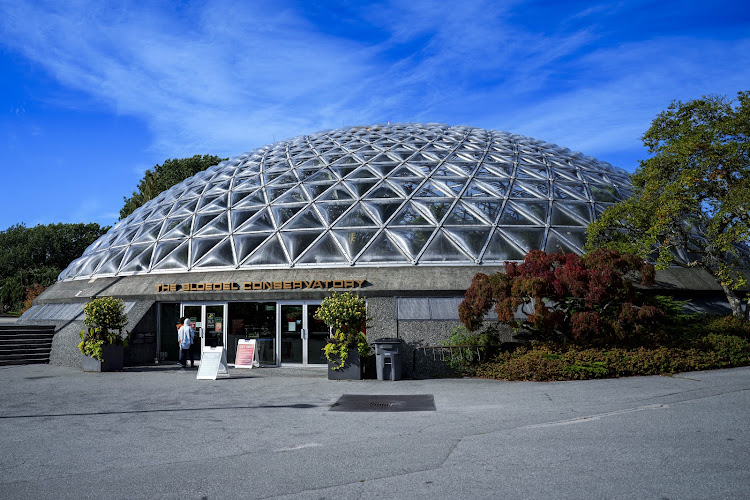
Bloedel Conservatory

Jericho Beach Park
Find Accommodations Nearby
Recommended Tours & Activities
Visitor Reviews
There are no reviews yet. Be the first one to write one.
Share Your Experience
Have you visited Nitobe Memorial Garden? Help other travelers by leaving a review.