

NITER – National Institute of Textile Engineering and Research
About NITER – National Institute of Textile Engineering and Research
Description
The National Institute of Textile Engineering and Research stands as Bangladesh's premier institution dedicated to textile education and innovation. This specialized public university campus attracts not just students and academics but also curious travelers interested in understanding the textile industry that forms the backbone of Bangladesh's economy. You might wonder why a university would be on your travel itinerary, but NITER represents something quite unique in the educational landscape of South Asia. Walking through this campus, you immediately sense the blend of academic rigor and industrial relevance that defines the institution. The buildings showcase modern architectural planning designed specifically for textile education, with laboratories and research centers that look more like high-tech manufacturing facilities than traditional university halls. And honestly, that's exactly what makes this place fascinating for visitors who want to understand how Bangladesh became one of the world's leading textile producers. What struck me during my visit was how accessible the campus feels. Unlike some academic institutions that seem deliberately imposing or exclusionary, NITER maintains an open atmosphere where visitors can genuinely appreciate the work happening within its walls. The campus has made thoughtful accommodations for wheelchair users, with proper entrance access and dedicated parking facilities that demonstrate the institution's commitment to inclusivity. The research facilities here produce work that directly impacts global fashion and textile manufacturing. You're looking at a place where innovations in sustainable fabric production, quality control methods, and textile chemistry actually happen. For travelers with backgrounds in fashion, manufacturing, or sustainability, this campus offers insights you simply won't find in textbooks or online articles.Key Features
The National Institute of Textile Engineering and Research offers several distinctive attributes that make it worth visiting: • Specialized textile laboratories featuring state-of-the-art equipment used in fabric testing, dyeing processes, and quality analysis that mirror industry standards • Research centers focused on sustainable textile production methods, addressing environmental concerns that plague the global fashion industry • Campus architecture specifically designed for textile education, with buildings that integrate both academic and practical training spaces • Full wheelchair accessibility including designated entrances and parking areas, making the campus welcoming for all visitors regardless of mobility needs • Exhibition spaces where students and researchers showcase innovative textile products and techniques developed through their studies • Industry collaboration zones where academic research meets real-world manufacturing challenges, creating a unique blend of theory and practice • Library collections specializing in textile engineering, fashion technology, and garment manufacturing that represent one of the region's most comprehensive resources • Student workshops producing actual textile products, offering visitors a chance to see the entire production process from fiber to finished fabric • Green spaces integrated throughout the campus that provide areas for contemplation and discussion among the academic buildings • Cultural events and technical symposiums that periodically open the campus to broader public participation and engagementBest Time to Visit
Timing your visit to NITER requires some strategic thinking if you want to maximize the experience. The academic calendar significantly influences what you'll encounter during your trip, and understanding these rhythms makes all the difference. The optimal period for visiting runs from October through February when Bangladesh experiences its cooler, drier months. During this time, the campus operates at full capacity with students engaged in both classroom learning and laboratory work. You'll witness the institution functioning at its most dynamic, with research projects in full swing and faculty members more available for discussions about their work. But here's something most visitors don't realize – the period just before major textile trade shows and exhibitions can be particularly fascinating. During these times, usually around March and September, research teams push to complete projects they'll showcase at industry events. The energy on campus becomes palpable, with extended laboratory hours and intensive collaborative work sessions. Avoiding the monsoon season from June through August generally makes sense from a comfort perspective. Heavy rains can limit your ability to move between buildings and explore the campus thoroughly. However, if you're specifically interested in textile dyeing and water management research, the rainy season actually provides unique opportunities to observe water conservation and treatment projects in action. The winter months around December and January also coincide with various technical symposiums and workshops that NITER hosts. These events often welcome external participants and provide chances for deeper engagement with textile research topics. You might find yourself attending presentations about innovations in eco-friendly dyeing techniques or discussions about supply chain optimization in garment manufacturing. Academic breaks during summer and winter holidays mean reduced campus activity. While the facilities remain accessible, you won't experience the full educational atmosphere that makes NITER particularly interesting. The campus feels somewhat empty during these periods, though some dedicated research teams continue their work year-round.How to Get There
Reaching NITER requires navigation through Bangladesh's transportation network, which can feel overwhelming but becomes manageable with proper planning. The campus location means you'll need to consider multiple transport options depending on your starting point and comfort level. Most international travelers arrive through Hazrat Shahjalal International Airport in Dhaka. From there, hiring a private car or using ride-sharing services provides the most straightforward route to the campus. The journey involves navigating through urban areas where traffic patterns can shift dramatically depending on time of day. Early morning or late evening travel typically offers smoother passage. Public transportation enthusiasts can utilize Bangladesh's extensive bus network, though this requires more patience and local knowledge. Local buses serve routes near the campus, but understanding the numbering system and route maps takes some research. I'd recommend downloading offline maps and having your destination clearly marked before attempting bus travel. Auto-rickshaws, known locally as CNGs due to their compressed natural gas fuel, offer a middle ground between private cars and public buses. These three-wheeled vehicles navigate narrow streets that larger vehicles can't access and provide more flexibility than fixed-route buses. Negotiating fares beforehand prevents misunderstandings, and having your destination written in Bengali helps ensure clear communication with drivers. Railway connections serve the broader region, and depending on where you're traveling from within Bangladesh, trains might offer a comfortable option for reaching the area. The railway system provides a glimpse into daily Bangladeshi life while avoiding road traffic entirely. From railway stations, you'll still need local transport to reach the campus itself. For visitors staying in nearby accommodations, walking or cycling might be viable during cooler months. The campus accessibility features extend beyond the entrance, making it genuinely navigable for visitors with various mobility needs once you arrive.Tips for Visiting
Making the most of your NITER visit requires some insider knowledge that typical travel guides don't cover. This isn't your standard tourist destination, so conventional travel wisdom doesn't always apply. First thing – contact the administration office ahead of your visit. While the campus maintains accessible entrances and welcomes visitors, coordinating with staff ensures you can access specific laboratories or research areas that might otherwise remain closed. Faculty members often appreciate advance notice if you're hoping to discuss their work, and arranging these conversations beforehand creates much richer experiences than simply wandering the grounds. Dress modestly and professionally. You're visiting an academic institution in a conservative country, and your attire affects how seriously staff and students take your interest. This doesn't mean formal business wear necessarily, but shoulders should be covered and clothing shouldn't be too tight or revealing. Comfortable walking shoes matter too, since you'll likely cover significant ground exploring the campus. Bring a notebook and pen rather than relying solely on your phone for taking notes. Battery life becomes an issue during extended campus tours, and writing things down the old-fashioned way actually helps with retention anyway. Photography policies vary by area, so always ask permission before photographing equipment, research projects, or people. Language considerations can't be ignored. While many faculty members and advanced students speak English, not everyone does. Having key phrases written in Bengali or using translation apps helps with basic interactions. That said, the universal language of enthusiasm and genuine interest transcends verbal communication barriers surprisingly well. The campus doesn't have extensive food facilities designed for tourists, so plan accordingly. Small canteens serve students and staff, offering authentic local cuisine at very reasonable prices. But if you have dietary restrictions or specific preferences, eating a substantial meal before your visit might be wise. Carrying water is essential, particularly during warmer months. Timing your visit to coincide with student project presentations or open laboratory sessions provides the most engaging experience. These events showcase the practical applications of textile research and let you interact with students passionate about their work. The enthusiasm of young researchers tackling real-world problems in sustainable textile production is genuinely infectious. Respect the working academic environment. This isn't a museum – it's an active educational institution where people are pursuing serious research and learning. Keeping voices down in laboratory areas, not disrupting classes, and being mindful of restricted zones maintains goodwill with the campus community. Consider hiring a local guide familiar with the textile industry. While the campus itself is the attraction, understanding the broader context of Bangladesh's garment sector makes everything you observe more meaningful. Guides can explain how NITER's research connects to factories employing millions of workers and producing clothing sold worldwide. Finally, manage your expectations appropriately. NITER offers a specialized experience focused on textile education and research. You won't find elaborate tourist amenities or entertainment options. What you will find is authentic insight into an industry that shapes global commerce and an educational system training the next generation of textile professionals. For travelers seeking understanding over entertainment, that trade-off feels absolutely worthwhile.Key Features
- Specialized textile laboratories and demonstration facilities
- Public–private partnership linking academia with industry
- Student design studios and fashion/apparel showcases
- Research centers focused on sustainable textiles and innovation
- Large campus environment with educational exhibits and occasional open events
More Details
Updated March 30, 2026
Table of Contents
- Description
- Key Features
- Best Time to Visit
- How to Get There
- Tips for Visiting
- Key Highlights
- Location
- Places to Stay Near NITER - National Institute of Textile Engineering and Research
- Find and Book a Tour
- Explore More Travel Guides
- Traveler Reviews for NITER – National Institute of Textile Engineering and Research
- Share Your Experience
Description
The National Institute of Textile Engineering and Research stands as Bangladesh’s premier institution dedicated to textile education and innovation. This specialized public university campus attracts not just students and academics but also curious travelers interested in understanding the textile industry that forms the backbone of Bangladesh’s economy. You might wonder why a university would be on your travel itinerary, but NITER represents something quite unique in the educational landscape of South Asia.
Walking through this campus, you immediately sense the blend of academic rigor and industrial relevance that defines the institution. The buildings showcase modern architectural planning designed specifically for textile education, with laboratories and research centers that look more like high-tech manufacturing facilities than traditional university halls. And honestly, that’s exactly what makes this place fascinating for visitors who want to understand how Bangladesh became one of the world’s leading textile producers.
What struck me during my visit was how accessible the campus feels. Unlike some academic institutions that seem deliberately imposing or exclusionary, NITER maintains an open atmosphere where visitors can genuinely appreciate the work happening within its walls. The campus has made thoughtful accommodations for wheelchair users, with proper entrance access and dedicated parking facilities that demonstrate the institution’s commitment to inclusivity.
The research facilities here produce work that directly impacts global fashion and textile manufacturing. You’re looking at a place where innovations in sustainable fabric production, quality control methods, and textile chemistry actually happen. For travelers with backgrounds in fashion, manufacturing, or sustainability, this campus offers insights you simply won’t find in textbooks or online articles.
Key Features
The National Institute of Textile Engineering and Research offers several distinctive attributes that make it worth visiting:
• Specialized textile laboratories featuring state-of-the-art equipment used in fabric testing, dyeing processes, and quality analysis that mirror industry standards
• Research centers focused on sustainable textile production methods, addressing environmental concerns that plague the global fashion industry
• Campus architecture specifically designed for textile education, with buildings that integrate both academic and practical training spaces
• Full wheelchair accessibility including designated entrances and parking areas, making the campus welcoming for all visitors regardless of mobility needs
• Exhibition spaces where students and researchers showcase innovative textile products and techniques developed through their studies
• Industry collaboration zones where academic research meets real-world manufacturing challenges, creating a unique blend of theory and practice
• Library collections specializing in textile engineering, fashion technology, and garment manufacturing that represent one of the region’s most comprehensive resources
• Student workshops producing actual textile products, offering visitors a chance to see the entire production process from fiber to finished fabric
• Green spaces integrated throughout the campus that provide areas for contemplation and discussion among the academic buildings
• Cultural events and technical symposiums that periodically open the campus to broader public participation and engagement
Best Time to Visit
Timing your visit to NITER requires some strategic thinking if you want to maximize the experience. The academic calendar significantly influences what you’ll encounter during your trip, and understanding these rhythms makes all the difference.
The optimal period for visiting runs from October through February when Bangladesh experiences its cooler, drier months. During this time, the campus operates at full capacity with students engaged in both classroom learning and laboratory work. You’ll witness the institution functioning at its most dynamic, with research projects in full swing and faculty members more available for discussions about their work.
But here’s something most visitors don’t realize – the period just before major textile trade shows and exhibitions can be particularly fascinating. During these times, usually around March and September, research teams push to complete projects they’ll showcase at industry events. The energy on campus becomes palpable, with extended laboratory hours and intensive collaborative work sessions.
Avoiding the monsoon season from June through August generally makes sense from a comfort perspective. Heavy rains can limit your ability to move between buildings and explore the campus thoroughly. However, if you’re specifically interested in textile dyeing and water management research, the rainy season actually provides unique opportunities to observe water conservation and treatment projects in action.
The winter months around December and January also coincide with various technical symposiums and workshops that NITER hosts. These events often welcome external participants and provide chances for deeper engagement with textile research topics. You might find yourself attending presentations about innovations in eco-friendly dyeing techniques or discussions about supply chain optimization in garment manufacturing.
Academic breaks during summer and winter holidays mean reduced campus activity. While the facilities remain accessible, you won’t experience the full educational atmosphere that makes NITER particularly interesting. The campus feels somewhat empty during these periods, though some dedicated research teams continue their work year-round.
How to Get There
Reaching NITER requires navigation through Bangladesh’s transportation network, which can feel overwhelming but becomes manageable with proper planning. The campus location means you’ll need to consider multiple transport options depending on your starting point and comfort level.
Most international travelers arrive through Hazrat Shahjalal International Airport in Dhaka. From there, hiring a private car or using ride-sharing services provides the most straightforward route to the campus. The journey involves navigating through urban areas where traffic patterns can shift dramatically depending on time of day. Early morning or late evening travel typically offers smoother passage.
Public transportation enthusiasts can utilize Bangladesh’s extensive bus network, though this requires more patience and local knowledge. Local buses serve routes near the campus, but understanding the numbering system and route maps takes some research. I’d recommend downloading offline maps and having your destination clearly marked before attempting bus travel.
Auto-rickshaws, known locally as CNGs due to their compressed natural gas fuel, offer a middle ground between private cars and public buses. These three-wheeled vehicles navigate narrow streets that larger vehicles can’t access and provide more flexibility than fixed-route buses. Negotiating fares beforehand prevents misunderstandings, and having your destination written in Bengali helps ensure clear communication with drivers.
Railway connections serve the broader region, and depending on where you’re traveling from within Bangladesh, trains might offer a comfortable option for reaching the area. The railway system provides a glimpse into daily Bangladeshi life while avoiding road traffic entirely. From railway stations, you’ll still need local transport to reach the campus itself.
For visitors staying in nearby accommodations, walking or cycling might be viable during cooler months. The campus accessibility features extend beyond the entrance, making it genuinely navigable for visitors with various mobility needs once you arrive.
Tips for Visiting
Making the most of your NITER visit requires some insider knowledge that typical travel guides don’t cover. This isn’t your standard tourist destination, so conventional travel wisdom doesn’t always apply.
First thing – contact the administration office ahead of your visit. While the campus maintains accessible entrances and welcomes visitors, coordinating with staff ensures you can access specific laboratories or research areas that might otherwise remain closed. Faculty members often appreciate advance notice if you’re hoping to discuss their work, and arranging these conversations beforehand creates much richer experiences than simply wandering the grounds.
Dress modestly and professionally. You’re visiting an academic institution in a conservative country, and your attire affects how seriously staff and students take your interest. This doesn’t mean formal business wear necessarily, but shoulders should be covered and clothing shouldn’t be too tight or revealing. Comfortable walking shoes matter too, since you’ll likely cover significant ground exploring the campus.
Bring a notebook and pen rather than relying solely on your phone for taking notes. Battery life becomes an issue during extended campus tours, and writing things down the old-fashioned way actually helps with retention anyway. Photography policies vary by area, so always ask permission before photographing equipment, research projects, or people.
Language considerations can’t be ignored. While many faculty members and advanced students speak English, not everyone does. Having key phrases written in Bengali or using translation apps helps with basic interactions. That said, the universal language of enthusiasm and genuine interest transcends verbal communication barriers surprisingly well.
The campus doesn’t have extensive food facilities designed for tourists, so plan accordingly. Small canteens serve students and staff, offering authentic local cuisine at very reasonable prices. But if you have dietary restrictions or specific preferences, eating a substantial meal before your visit might be wise. Carrying water is essential, particularly during warmer months.
Timing your visit to coincide with student project presentations or open laboratory sessions provides the most engaging experience. These events showcase the practical applications of textile research and let you interact with students passionate about their work. The enthusiasm of young researchers tackling real-world problems in sustainable textile production is genuinely infectious.
Respect the working academic environment. This isn’t a museum – it’s an active educational institution where people are pursuing serious research and learning. Keeping voices down in laboratory areas, not disrupting classes, and being mindful of restricted zones maintains goodwill with the campus community.
Consider hiring a local guide familiar with the textile industry. While the campus itself is the attraction, understanding the broader context of Bangladesh’s garment sector makes everything you observe more meaningful. Guides can explain how NITER’s research connects to factories employing millions of workers and producing clothing sold worldwide.
Finally, manage your expectations appropriately. NITER offers a specialized experience focused on textile education and research. You won’t find elaborate tourist amenities or entertainment options. What you will find is authentic insight into an industry that shapes global commerce and an educational system training the next generation of textile professionals. For travelers seeking understanding over entertainment, that trade-off feels absolutely worthwhile.
Key Highlights
- Specialized textile laboratories and demonstration facilities
- Public–private partnership linking academia with industry
- Student design studios and fashion/apparel showcases
- Research centers focused on sustainable textiles and innovation
- Large campus environment with educational exhibits and occasional open events
Location
Places to Stay Near NITER - National Institute of Textile Engineering and Research
Find and Book a Tour
Explore More Travel Guides
No reviews found! Be the first to review!
NITER – National Institute of Textile Engineering and Research is a prominent সরকারি বিশ্ববিদ্যালয় located in Dhaka.
Traveler Reviews for NITER – National Institute of Textile Engineering and Research
There are no reviews yet. Be the first one to write one.
Have you visited NITER – National Institute of Textile Engineering and Research? Help other travelers by sharing your review.
Nearby Attractions
You Might Also Like

Ramna Park
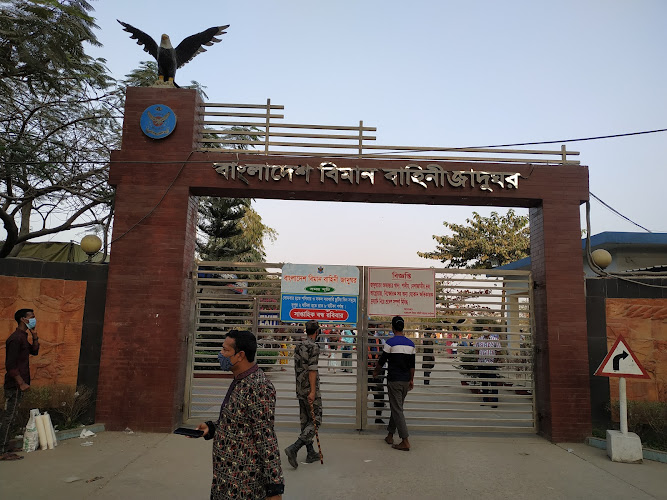
Bangladesh Air Force Museum
Chandrima Udyan
Find Accommodations Nearby
Recommended Tours & Activities
Visitor Reviews
There are no reviews yet. Be the first one to write one.
Share Your Experience
Have you visited NITER – National Institute of Textile Engineering and Research? Help other travelers by leaving a review.