Night Food Market
About Night Food Market
Description
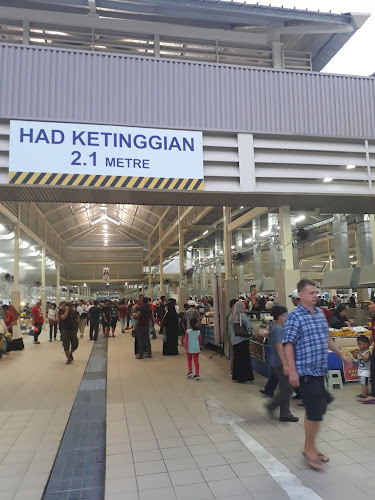
The Night Food Market has earned its reputation as one of Southeast Asia's culinary destinations where travelers can experience authentic street food culture in its purest form. This isn't just another tourist spot with watered-down flavors—it's the real deal, where locals and visitors alike gather under the evening sky to explore an incredible array of dishes that tell the story of the region's diverse food heritage. Walking through the market feels like stepping into a different world once the sun sets. The air fills with aromatic spices, sizzling woks, and the chatter of vendors calling out their specialties. You'll find everything from traditional noodle dishes to grilled meats, fresh seafood, exotic fruits, and desserts that'll make you question why you ever thought you didn't like certain ingredients. I remember my first visit years ago—I was overwhelmed by the choices and ended up eating way more than I should have, but honestly, that's part of the experience. What makes this market particularly special is its authenticity. The vendors here aren't putting on a show for tourists; they're cooking the same food they've been preparing for generations, using recipes passed down through families. You're getting food that's meant to be enjoyed by people who know what good street food should taste like. And yes, that means sometimes the presentation isn't Instagram-perfect, but the flavors? Absolutely unforgettable. The market operates on a cash-only basis, which keeps things simple and helps maintain that traditional market atmosphere. It's also genuinely family-friendly, something that surprised me initially. You'll see kids running around between stalls while their parents shop, grandparents enjoying their evening meals, and families sharing large plates of food at communal tables. This multigenerational appeal gives the market a warm, welcoming energy that you don't always find at more touristy spots.Key Features
The Night Food Market stands out for several compelling reasons that keep drawing both first-time visitors and regular patrons back again and again:- An extensive selection of Southeast Asian cuisine representing multiple countries and regional cooking styles all in one location
- Authentic street food prepared by experienced vendors using traditional cooking methods and family recipes
- Cash-only payment system that keeps the experience straightforward and traditional
- Family-friendly environment where children are welcome and accommodated
- Affordable pricing that allows travelers to sample multiple dishes without breaking their budget
- Evening operating hours that provide a perfect dinner and nighttime activity option
- Opportunity to watch food being prepared right in front of you at individual stalls
- Mix of seating options including communal tables and standing areas for eating on the go
- Local atmosphere where tourists can experience how residents actually enjoy street food culture
- Variety of vegetarian and seafood options alongside meat dishes
- Fresh ingredients prepared to order rather than sitting under heat lamps
- Chance to interact with local vendors and learn about different dishes and cooking techniques
Best Time to Visit
Timing your visit to the Night Food Market can make a significant difference in your experience, and I've learned this through trial and error over multiple visits. The market typically comes alive as the sun sets and continues well into the evening. If you arrive right when stalls are opening, you'll find smaller crowds but not all vendors might be fully set up yet. Personally, I think the sweet spot is arriving around 7 or 8 PM when the market hits its stride—everything's operating, the energy is high, but it's not so packed that you can't move. Weekends obviously draw bigger crowds, especially Saturday nights when locals have free time and are in the mood to socialize over good food. If you're someone who enjoys people-watching and doesn't mind navigating through bustling crowds, weekend evenings offer the most electric atmosphere. But if you prefer a more relaxed experience where you can take your time browsing without feeling rushed, weekday evenings are your friend. Weather considerations matter too. The market operates in an open-air setting, so visiting during the dry season generally provides a more comfortable experience. Rain can make things muddy and less pleasant, though some covered areas offer protection. I got caught in a sudden downpour once and while it made for an adventurous memory, I can't say it was ideal for enjoying noodles. Seasonally, visiting during local festivals can add another layer to your experience, though expect even larger crowds during these times. The trade-off is you might encounter special dishes or preparations that aren't available year-round.How to Get There
Getting to the Night Food Market is relatively straightforward, though having a game plan helps, especially if it's your first time navigating the area. Taxis and ride-sharing services are probably the easiest option for most travelers. Just make sure your driver knows exactly which night market you're talking about since many cities have multiple markets operating simultaneously. Having the name written down or showing it on your phone in the local language can prevent confusion. Public transportation works well if you're comfortable with local bus or train systems. Many visitors actually prefer this method since it's economical and gives you a better feel for how the city operates. Just be aware that services might reduce frequency later in the evening, so check the last departure times before you get too caught up enjoying the food. If you're staying relatively close by, walking can be a pleasant option, especially in the cooler evening hours. It gives you a chance to see the neighborhood and work up an appetite before diving into the food scene. I've found that walking to the market and then taking a taxi back works well since you're likely to be too full and tired for a long walk afterward. Some hotels offer shuttle services or can arrange transportation for guests heading to popular night markets. It's worth asking your accommodation about this since they might have partnerships or preferred drivers who know the best routes and drop-off points. For the adventurous types, renting a scooter or bicycle is possible in many locations, though parking near the market can get tricky during busy times. You'll need to be comfortable navigating evening traffic and finding secure parking.Tips for Visiting
After numerous visits and a few mistakes along the way, here's what I wish someone had told me before my first time at the Night Food Market. Bring cash—and I mean more than you think you'll need. It's cash-only, and while you might plan to only try a few things, the temptation to keep eating is real. There's usually an ATM nearby, but lines can be long and you don't want to interrupt your food exploration to hunt for money. I typically bring enough to comfortably order from five or six different stalls plus some extra buffer. Come hungry but pace yourself. This is probably the hardest advice to follow because everything looks and smells amazing. But trust me, nothing's worse than filling up on the first couple dishes you try and then discovering the perfect vendor three rows over. I like to do a full walk-through first, scoping out what's available before committing to any purchases. Don't be afraid to point and gesture if language barriers exist. Most vendors are used to international visitors and have systems in place for communication. Pointing at what other diners are eating works surprisingly well, and vendors often appreciate your enthusiasm even if your pronunciation of dish names isn't perfect. Hygiene standards at street markets can concern some travelers, and that's fair. Look for stalls with high turnover where food isn't sitting out for extended periods. Busy stalls are usually busy for good reason—the food's fresh and good. I follow the "cook it, peel it, or forget it" rule and have rarely had issues. Seating can be competitive during peak hours. If you're traveling as a group, consider having someone secure a table while others order food. Communal seating is common, so be prepared to share table space with strangers, which honestly can lead to interesting conversations and food recommendations. Bring hand sanitizer and wet wipes. Not all areas have easily accessible handwashing stations, and eating with your hands is common for certain dishes. These small items make the experience more comfortable. Dress casually and comfortably. You'll be walking, standing, and possibly squeezing through crowded aisles. Wear closed-toe shoes since floors can be slippery with spilled liquids and food debris. Leave your fancy clothes at the hotel. Try dishes you can't easily find elsewhere. Yes, the pad thai might be excellent, but this is your chance to try that weird-looking fruit or the regional specialty that your friends back home have never heard of. Some of my best food memories come from taking chances on unfamiliar dishes. Keep small bills available. Vendors appreciate not having to make change for large denominations, and transactions go faster when you have appropriate bills ready. Be patient and flexible. Lines form at popular stalls, preparation takes time, and sometimes items sell out. This is part of the authentic market experience—you're not at a fast food restaurant with unlimited supply and instant service. Traveling with kids? The market's family-friendly atmosphere means you'll see plenty of other families around. Milder dishes are available, and fruit stalls offer safe options for picky eaters. Just keep an eye on little ones since the crowds and heat can be overwhelming for some children. Finally, go with an open mind and adventurous spirit. Not every dish will be your favorite, and that's okay. The experience of exploring the Night Food Market is about more than just eating—it's about connecting with local food culture and creating memories that'll last long after your trip ends.Key Features
- Extensive fresh seafood selection cooked to order
- Lively open-air, seaside atmosphere with evening sea breeze
- Affordable, authentic local dishes (Malay, Chinese, indigenous influences)
- Multiple small stalls offering grilled seafood, skewers, noodles and desserts
- Popular with both locals and tourists — authentic street-food experience
More Details
Updated January 18, 2026
Table of Contents
Description
The Night Food Market has earned its reputation as one of Southeast Asia’s culinary destinations where travelers can experience authentic street food culture in its purest form. This isn’t just another tourist spot with watered-down flavors—it’s the real deal, where locals and visitors alike gather under the evening sky to explore an incredible array of dishes that tell the story of the region’s diverse food heritage.
Walking through the market feels like stepping into a different world once the sun sets. The air fills with aromatic spices, sizzling woks, and the chatter of vendors calling out their specialties. You’ll find everything from traditional noodle dishes to grilled meats, fresh seafood, exotic fruits, and desserts that’ll make you question why you ever thought you didn’t like certain ingredients. I remember my first visit years ago—I was overwhelmed by the choices and ended up eating way more than I should have, but honestly, that’s part of the experience.
What makes this market particularly special is its authenticity. The vendors here aren’t putting on a show for tourists; they’re cooking the same food they’ve been preparing for generations, using recipes passed down through families. You’re getting food that’s meant to be enjoyed by people who know what good street food should taste like. And yes, that means sometimes the presentation isn’t Instagram-perfect, but the flavors? Absolutely unforgettable.
The market operates on a cash-only basis, which keeps things simple and helps maintain that traditional market atmosphere. It’s also genuinely family-friendly, something that surprised me initially. You’ll see kids running around between stalls while their parents shop, grandparents enjoying their evening meals, and families sharing large plates of food at communal tables. This multigenerational appeal gives the market a warm, welcoming energy that you don’t always find at more touristy spots.
Key Features
The Night Food Market stands out for several compelling reasons that keep drawing both first-time visitors and regular patrons back again and again:
- An extensive selection of Southeast Asian cuisine representing multiple countries and regional cooking styles all in one location
- Authentic street food prepared by experienced vendors using traditional cooking methods and family recipes
- Cash-only payment system that keeps the experience straightforward and traditional
- Family-friendly environment where children are welcome and accommodated
- Affordable pricing that allows travelers to sample multiple dishes without breaking their budget
- Evening operating hours that provide a perfect dinner and nighttime activity option
- Opportunity to watch food being prepared right in front of you at individual stalls
- Mix of seating options including communal tables and standing areas for eating on the go
- Local atmosphere where tourists can experience how residents actually enjoy street food culture
- Variety of vegetarian and seafood options alongside meat dishes
- Fresh ingredients prepared to order rather than sitting under heat lamps
- Chance to interact with local vendors and learn about different dishes and cooking techniques
Best Time to Visit
Timing your visit to the Night Food Market can make a significant difference in your experience, and I’ve learned this through trial and error over multiple visits.
The market typically comes alive as the sun sets and continues well into the evening. If you arrive right when stalls are opening, you’ll find smaller crowds but not all vendors might be fully set up yet. Personally, I think the sweet spot is arriving around 7 or 8 PM when the market hits its stride—everything’s operating, the energy is high, but it’s not so packed that you can’t move.
Weekends obviously draw bigger crowds, especially Saturday nights when locals have free time and are in the mood to socialize over good food. If you’re someone who enjoys people-watching and doesn’t mind navigating through bustling crowds, weekend evenings offer the most electric atmosphere. But if you prefer a more relaxed experience where you can take your time browsing without feeling rushed, weekday evenings are your friend.
Weather considerations matter too. The market operates in an open-air setting, so visiting during the dry season generally provides a more comfortable experience. Rain can make things muddy and less pleasant, though some covered areas offer protection. I got caught in a sudden downpour once and while it made for an adventurous memory, I can’t say it was ideal for enjoying noodles.
Seasonally, visiting during local festivals can add another layer to your experience, though expect even larger crowds during these times. The trade-off is you might encounter special dishes or preparations that aren’t available year-round.
How to Get There
Getting to the Night Food Market is relatively straightforward, though having a game plan helps, especially if it’s your first time navigating the area.
Taxis and ride-sharing services are probably the easiest option for most travelers. Just make sure your driver knows exactly which night market you’re talking about since many cities have multiple markets operating simultaneously. Having the name written down or showing it on your phone in the local language can prevent confusion.
Public transportation works well if you’re comfortable with local bus or train systems. Many visitors actually prefer this method since it’s economical and gives you a better feel for how the city operates. Just be aware that services might reduce frequency later in the evening, so check the last departure times before you get too caught up enjoying the food.
If you’re staying relatively close by, walking can be a pleasant option, especially in the cooler evening hours. It gives you a chance to see the neighborhood and work up an appetite before diving into the food scene. I’ve found that walking to the market and then taking a taxi back works well since you’re likely to be too full and tired for a long walk afterward.
Some hotels offer shuttle services or can arrange transportation for guests heading to popular night markets. It’s worth asking your accommodation about this since they might have partnerships or preferred drivers who know the best routes and drop-off points.
For the adventurous types, renting a scooter or bicycle is possible in many locations, though parking near the market can get tricky during busy times. You’ll need to be comfortable navigating evening traffic and finding secure parking.
Tips for Visiting
After numerous visits and a few mistakes along the way, here’s what I wish someone had told me before my first time at the Night Food Market.
Bring cash—and I mean more than you think you’ll need. It’s cash-only, and while you might plan to only try a few things, the temptation to keep eating is real. There’s usually an ATM nearby, but lines can be long and you don’t want to interrupt your food exploration to hunt for money. I typically bring enough to comfortably order from five or six different stalls plus some extra buffer.
Come hungry but pace yourself. This is probably the hardest advice to follow because everything looks and smells amazing. But trust me, nothing’s worse than filling up on the first couple dishes you try and then discovering the perfect vendor three rows over. I like to do a full walk-through first, scoping out what’s available before committing to any purchases.
Don’t be afraid to point and gesture if language barriers exist. Most vendors are used to international visitors and have systems in place for communication. Pointing at what other diners are eating works surprisingly well, and vendors often appreciate your enthusiasm even if your pronunciation of dish names isn’t perfect.
Hygiene standards at street markets can concern some travelers, and that’s fair. Look for stalls with high turnover where food isn’t sitting out for extended periods. Busy stalls are usually busy for good reason—the food’s fresh and good. I follow the “cook it, peel it, or forget it” rule and have rarely had issues.
Seating can be competitive during peak hours. If you’re traveling as a group, consider having someone secure a table while others order food. Communal seating is common, so be prepared to share table space with strangers, which honestly can lead to interesting conversations and food recommendations.
Bring hand sanitizer and wet wipes. Not all areas have easily accessible handwashing stations, and eating with your hands is common for certain dishes. These small items make the experience more comfortable.
Dress casually and comfortably. You’ll be walking, standing, and possibly squeezing through crowded aisles. Wear closed-toe shoes since floors can be slippery with spilled liquids and food debris. Leave your fancy clothes at the hotel.
Try dishes you can’t easily find elsewhere. Yes, the pad thai might be excellent, but this is your chance to try that weird-looking fruit or the regional specialty that your friends back home have never heard of. Some of my best food memories come from taking chances on unfamiliar dishes.
Keep small bills available. Vendors appreciate not having to make change for large denominations, and transactions go faster when you have appropriate bills ready.
Be patient and flexible. Lines form at popular stalls, preparation takes time, and sometimes items sell out. This is part of the authentic market experience—you’re not at a fast food restaurant with unlimited supply and instant service.
Traveling with kids? The market’s family-friendly atmosphere means you’ll see plenty of other families around. Milder dishes are available, and fruit stalls offer safe options for picky eaters. Just keep an eye on little ones since the crowds and heat can be overwhelming for some children.
Finally, go with an open mind and adventurous spirit. Not every dish will be your favorite, and that’s okay. The experience of exploring the Night Food Market is about more than just eating—it’s about connecting with local food culture and creating memories that’ll last long after your trip ends.
Key Highlights
- Extensive fresh seafood selection cooked to order
- Lively open-air, seaside atmosphere with evening sea breeze
- Affordable, authentic local dishes (Malay, Chinese, indigenous influences)
- Multiple small stalls offering grilled seafood, skewers, noodles and desserts
- Popular with both locals and tourists — authentic street-food experience
Location
Places to Stay Near Night Food Market
Find and Book a Tour
Explore More Travel Guides
No reviews found! Be the first to review!
Traveler Reviews for Night Food Market
There are no reviews yet. Be the first one to write one.
Have you visited Night Food Market? Help other travelers by sharing your review.
Nearby Attractions
Find Accommodations Nearby
Recommended Tours & Activities
Visitor Reviews
There are no reviews yet. Be the first one to write one.
Share Your Experience
Have you visited Night Food Market? Help other travelers by leaving a review.
