

New Mexico Holocaust & Intolerance Museum and Gellert Center for Education
About New Mexico Holocaust & Intolerance Museum and Gellert Center for Education
Description
In the heart of downtown Albuquerque, the New Mexico Holocaust & Intolerance Museum and Gellert Center for Education stands as one of those places that quietly changes you. It’s not flashy or over-the-top, but there’s something about walking through its exhibits that makes you pause, think, and maybe even reflect on how you treat people in your own life. The museum isn’t just about the Holocaust—it takes a broader, deeper look at humanity’s recurring struggles with hate, prejudice, and indifference. It explores the Armenian, Greek, and Native American genocides too, connecting the dots between historical atrocities and the intolerance we still see today.
The exhibits here are emotional, yes, but they’re also educational in a way that leaves a lasting impression. You’ll find personal stories, artifacts, and multimedia displays that pull you in and make history feel very real. I remember standing in front of a display about a young survivor’s journey—it wasn’t just dates and numbers; it was a life, a voice. And that’s the magic of this museum. It doesn’t just tell you what happened; it helps you understand why it matters now.
What really sets this place apart is its mission to inspire “upstanders” rather than bystanders. The education center, named after the Gellert family, focuses on teaching children and adults alike how to recognize prejudice and take action against it. It’s a place that doesn’t shy away from hard truths but also leaves you with a sense of hope. You walk out feeling a little more aware, maybe even a little more responsible.
And while it’s a serious subject, the museum’s atmosphere is welcoming. The staff are friendly and knowledgeable, always ready to answer questions or share context that deepens your understanding. It’s family-friendly too, which might surprise some people, but the exhibits are curated thoughtfully to accommodate different ages and sensitivities. The museum’s accessibility features—like wheelchair access and gender-neutral restrooms—make it inclusive for everyone, which feels perfectly in line with its message of equality and understanding.
Key Features
- Exhibits exploring the Holocaust, Armenian, Greek, and Native American genocides through personal stories, artifacts, and interactive displays.
- Educational programs that engage students and visitors in conversations about prejudice, bullying, and social responsibility.
- The Gellert Center for Education, which hosts workshops, lectures, and community outreach events focused on empathy and tolerance.
- Wheelchair-accessible facilities, including parking, restrooms, and entrances, ensuring inclusivity for all visitors.
- Gender-neutral restrooms and a family-friendly environment suitable for visitors of all ages.
- Dedicated staff and volunteers who offer guided tours and personalized insights into the museum’s exhibits and mission.
- Rotating exhibits that highlight both historical and contemporary issues related to human rights and social justice.
One of the things I personally love about this museum is how it manages to stay relevant. It doesn’t just freeze history in time—it ties it to what’s happening in the world right now. You might see an exhibit about the Holocaust next to one that examines modern hate crimes or refugee crises. That connection between past and present makes it powerful. It reminds you that intolerance isn’t just history—it’s a challenge we still face.
Best Time to Visit
If you’re planning a trip, weekdays tend to be quieter, especially in the mornings. That’s when you can take your time, read every placard, and really absorb the stories without feeling rushed. Weekends can get a bit busier, particularly when school groups or tourists are in town. But even then, the museum never feels overwhelming—it’s intimate enough to stay personal, no matter the crowd.
Spring and fall are particularly nice times to visit Albuquerque in general, with comfortable weather that makes exploring downtown easy. After your visit, you can grab a coffee or lunch at one of the nearby local spots and let your thoughts settle. I found that taking a short walk afterward helped me process everything I’d seen. It’s that kind of place—it lingers with you in the best way.
How to Get There
The museum sits right in the downtown area, making it easy to reach by car, public transportation, or even on foot if you’re staying nearby. If you’re driving, there’s accessible parking close to the entrance, and you’ll find plenty of metered spots along the surrounding streets. Albuquerque’s public transit system also runs routes that stop within a short walk of the museum, which is great if you’d rather not deal with parking at all.
For out-of-towners, staying in a downtown hotel is a smart move—you can explore the museum, check out local art galleries, and enjoy some of the city’s best dining all within a few blocks. And if you’re the type who likes to plan ahead (I’m not, but I admire those who do), you can call ahead to confirm hours or ask about group tours or special events. They’re pretty accommodating about that sort of thing.
Tips for Visiting
Here’s the thing about visiting a museum like this: it’s not just another stop on your travel itinerary. It’s an experience that deserves your time and attention. Plan for at least an hour or two, though honestly, you might find yourself staying longer. There’s a lot to take in, and it’s worth moving slowly.
Bring an open mind—and maybe a notebook if you’re the reflective type. Some visitors jot down thoughts or quotes that resonate with them, and I think that’s a beautiful way to honor what you’re learning. If you’re visiting with kids, consider talking to them beforehand about what the museum covers. The staff are great at guiding families through the exhibits in a way that’s age-appropriate and meaningful.
Photography is usually limited in certain areas, so be sure to check before snapping pictures. Honestly, though, the most powerful moments here aren’t the kind you capture with a camera. They’re the quiet ones—the moments when you stand in front of a display and feel the weight of history settle in your chest. That’s what you’ll remember.
Wear comfortable shoes—there’s more to explore than you might expect—and maybe plan something light afterward. A walk through downtown or a visit to a nearby café is a good way to decompress. The museum can stir up some heavy emotions, and giving yourself a little space afterward helps you process it all.
And one last thing: don’t rush. Take your time. Talk to the staff if you can—they’re passionate about what they do, and their insights can add so much depth to your visit. Every time I’ve gone, I’ve learned something new, not just about history, but about people, compassion, and the importance of standing up for what’s right. That’s the kind of lesson that sticks with you long after you’ve left the building.
Whether you’re a history buff, a teacher, a traveler passing through, or just someone curious about the human experience, the New Mexico Holocaust & Intolerance Museum and Gellert Center for Education is absolutely worth your time. It’s not a place you forget—it’s one that quietly changes the way you see the world.
Key Features
- Exhibits exploring the Holocaust, Armenian, Greek, and Native American genocides through personal stories, artifacts, and interactive displays.
- Educational programs that engage students and visitors in conversations about prejudice, bullying, and social responsibility.
- The Gellert Center for Education, which hosts workshops, lectures, and community outreach events focused on empathy and tolerance.
- Wheelchair-accessible facilities, including parking, restrooms, and entrances, ensuring inclusivity for all visitors.
- Gender-neutral restrooms and a family-friendly environment suitable for visitors of all ages.
- Dedicated staff and volunteers who offer guided tours and personalized insights into the museum’s exhibits and mission.
- Rotating exhibits that highlight both historical and contemporary issues related to human rights and social justice.
More Details
Updated November 7, 2025
Table of Contents
- Description
- Key Features
- Best Time to Visit
- How to Get There
- Tips for Visiting
- Key Highlights
- Location
- Places to Stay Near New Mexico Holocaust & Intolerance Museum and Gellert Center for Education
- Find and Book a Tour
- Explore More Travel Guides
- Nearby Places You Might Like
- Traveler Reviews for New Mexico Holocaust & Intolerance Museum and Gellert Center for Education
- Share Your Experience
Description
In the heart of downtown Albuquerque, the New Mexico Holocaust & Intolerance Museum and Gellert Center for Education stands as one of those places that quietly changes you. It’s not flashy or over-the-top, but there’s something about walking through its exhibits that makes you pause, think, and maybe even reflect on how you treat people in your own life. The museum isn’t just about the Holocaust—it takes a broader, deeper look at humanity’s recurring struggles with hate, prejudice, and indifference. It explores the Armenian, Greek, and Native American genocides too, connecting the dots between historical atrocities and the intolerance we still see today.
The exhibits here are emotional, yes, but they’re also educational in a way that leaves a lasting impression. You’ll find personal stories, artifacts, and multimedia displays that pull you in and make history feel very real. I remember standing in front of a display about a young survivor’s journey—it wasn’t just dates and numbers; it was a life, a voice. And that’s the magic of this museum. It doesn’t just tell you what happened; it helps you understand why it matters now.
What really sets this place apart is its mission to inspire “upstanders” rather than bystanders. The education center, named after the Gellert family, focuses on teaching children and adults alike how to recognize prejudice and take action against it. It’s a place that doesn’t shy away from hard truths but also leaves you with a sense of hope. You walk out feeling a little more aware, maybe even a little more responsible.
And while it’s a serious subject, the museum’s atmosphere is welcoming. The staff are friendly and knowledgeable, always ready to answer questions or share context that deepens your understanding. It’s family-friendly too, which might surprise some people, but the exhibits are curated thoughtfully to accommodate different ages and sensitivities. The museum’s accessibility features—like wheelchair access and gender-neutral restrooms—make it inclusive for everyone, which feels perfectly in line with its message of equality and understanding.
Key Features
- Exhibits exploring the Holocaust, Armenian, Greek, and Native American genocides through personal stories, artifacts, and interactive displays.
- Educational programs that engage students and visitors in conversations about prejudice, bullying, and social responsibility.
- The Gellert Center for Education, which hosts workshops, lectures, and community outreach events focused on empathy and tolerance.
- Wheelchair-accessible facilities, including parking, restrooms, and entrances, ensuring inclusivity for all visitors.
- Gender-neutral restrooms and a family-friendly environment suitable for visitors of all ages.
- Dedicated staff and volunteers who offer guided tours and personalized insights into the museum’s exhibits and mission.
- Rotating exhibits that highlight both historical and contemporary issues related to human rights and social justice.
One of the things I personally love about this museum is how it manages to stay relevant. It doesn’t just freeze history in time—it ties it to what’s happening in the world right now. You might see an exhibit about the Holocaust next to one that examines modern hate crimes or refugee crises. That connection between past and present makes it powerful. It reminds you that intolerance isn’t just history—it’s a challenge we still face.
Best Time to Visit
If you’re planning a trip, weekdays tend to be quieter, especially in the mornings. That’s when you can take your time, read every placard, and really absorb the stories without feeling rushed. Weekends can get a bit busier, particularly when school groups or tourists are in town. But even then, the museum never feels overwhelming—it’s intimate enough to stay personal, no matter the crowd.
Spring and fall are particularly nice times to visit Albuquerque in general, with comfortable weather that makes exploring downtown easy. After your visit, you can grab a coffee or lunch at one of the nearby local spots and let your thoughts settle. I found that taking a short walk afterward helped me process everything I’d seen. It’s that kind of place—it lingers with you in the best way.
How to Get There
The museum sits right in the downtown area, making it easy to reach by car, public transportation, or even on foot if you’re staying nearby. If you’re driving, there’s accessible parking close to the entrance, and you’ll find plenty of metered spots along the surrounding streets. Albuquerque’s public transit system also runs routes that stop within a short walk of the museum, which is great if you’d rather not deal with parking at all.
For out-of-towners, staying in a downtown hotel is a smart move—you can explore the museum, check out local art galleries, and enjoy some of the city’s best dining all within a few blocks. And if you’re the type who likes to plan ahead (I’m not, but I admire those who do), you can call ahead to confirm hours or ask about group tours or special events. They’re pretty accommodating about that sort of thing.
Tips for Visiting
Here’s the thing about visiting a museum like this: it’s not just another stop on your travel itinerary. It’s an experience that deserves your time and attention. Plan for at least an hour or two, though honestly, you might find yourself staying longer. There’s a lot to take in, and it’s worth moving slowly.
Bring an open mind—and maybe a notebook if you’re the reflective type. Some visitors jot down thoughts or quotes that resonate with them, and I think that’s a beautiful way to honor what you’re learning. If you’re visiting with kids, consider talking to them beforehand about what the museum covers. The staff are great at guiding families through the exhibits in a way that’s age-appropriate and meaningful.
Photography is usually limited in certain areas, so be sure to check before snapping pictures. Honestly, though, the most powerful moments here aren’t the kind you capture with a camera. They’re the quiet ones—the moments when you stand in front of a display and feel the weight of history settle in your chest. That’s what you’ll remember.
Wear comfortable shoes—there’s more to explore than you might expect—and maybe plan something light afterward. A walk through downtown or a visit to a nearby café is a good way to decompress. The museum can stir up some heavy emotions, and giving yourself a little space afterward helps you process it all.
And one last thing: don’t rush. Take your time. Talk to the staff if you can—they’re passionate about what they do, and their insights can add so much depth to your visit. Every time I’ve gone, I’ve learned something new, not just about history, but about people, compassion, and the importance of standing up for what’s right. That’s the kind of lesson that sticks with you long after you’ve left the building.
Whether you’re a history buff, a teacher, a traveler passing through, or just someone curious about the human experience, the New Mexico Holocaust & Intolerance Museum and Gellert Center for Education is absolutely worth your time. It’s not a place you forget—it’s one that quietly changes the way you see the world.
Key Highlights
- Exhibits exploring the Holocaust, Armenian, Greek, and Native American genocides through personal stories, artifacts, and interactive displays.
- Educational programs that engage students and visitors in conversations about prejudice, bullying, and social responsibility.
- The Gellert Center for Education, which hosts workshops, lectures, and community outreach events focused on empathy and tolerance.
- Wheelchair-accessible facilities, including parking, restrooms, and entrances, ensuring inclusivity for all visitors.
- Gender-neutral restrooms and a family-friendly environment suitable for visitors of all ages.
- Dedicated staff and volunteers who offer guided tours and personalized insights into the museum’s exhibits and mission.
- Rotating exhibits that highlight both historical and contemporary issues related to human rights and social justice.
Location
Places to Stay Near New Mexico Holocaust & Intolerance Museum and Gellert Center for Education
Find and Book a Tour
Explore More Travel Guides
No reviews found! Be the first to review!
Traveler Reviews for New Mexico Holocaust & Intolerance Museum and Gellert Center for Education
There are no reviews yet. Be the first one to write one.
Have you visited New Mexico Holocaust & Intolerance Museum and Gellert Center for Education? Help other travelers by sharing your review.
You Might Also Like

Rattlesnake Museum & Gift Shop
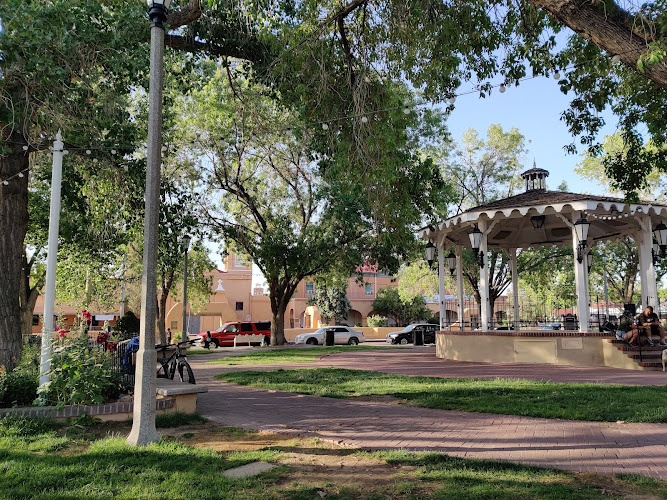
Old Town Plaza

Sandia Peak Tramway
Find Accommodations Nearby
Recommended Tours & Activities
Visitor Reviews
There are no reviews yet. Be the first one to write one.
Share Your Experience
Have you visited New Mexico Holocaust & Intolerance Museum and Gellert Center for Education? Help other travelers by leaving a review.