

New Jersey State Museum
About New Jersey State Museum
Description
The New Jersey State Museum in Trenton stands out as a curious mix of art room, history hall, and a little universe all rolled into one building. It presents fine art alongside cultural and natural history collections, archaeology finds, and — the part that often steals the show — a planetarium that still manages to make grown-ups whisper like kids. Visitors come expecting a museum and end up stretching their necks skyward in the planetarium or crouching to get a closer look at fossils that lived here long before anyone wrote a map of New Jersey.
On the galleries side, the museum showcases American and regional works of art with rotating exhibitions that highlight both historic pieces and contemporary voices. The art galleries are calm, not ostentatious; they invite slow looking, the kind where you spend more time than you planned considering brushstrokes and provenance. Nearby, cultural history exhibits tell parts of New Jersey's story through objects — textiles, household items, and artifacts from daily life — that make history feel tactile and, surprisingly, immediate.
The natural history and archaeology sections are substantial without being overwhelming. There are fossils, specimens, and archaeological finds arranged so that they build a narrative rather than a catalog. Kids love the fossils (they usually do), and teachers will appreciate how the exhibits line up with school topics in science and social studies. The museum takes a pragmatic approach to interpretation: clear labels, thoughtful displays, and occasional hands-on components that encourage you to actually touch (when allowed) rather than just look.
Then there is the planetarium, a compact jewel of a theater where planetarium shows mix science with storytelling. It’s intimate — not a gigantic dome but big enough to feel like a private sky show. The programming changes; sometimes it’s a classic star tour, sometimes a themed show about seasonal planets or space missions, and sometimes a lighter, family-friendly performance with music and bright visuals. Because seating is limited, the planetarium can feel like an event; arrive early if you don’t want to miss it. Shows are produced to be accessible for a general audience, and children respond especially well to the visual simplicity combined with engaging narration.
The museum also supports live performances and educational programming. Music, talks, and occasional live demonstrations add texture to a visit — this is not strictly a place for silent wandering. Guided tours are offered for groups and school visits, making it a practical destination for educational outings. There’s a gift shop with regionally themed items and museum-made souvenirs that make for nice takeaways without being tacky. Practical stuff is handled well: onsite restrooms, wheelchair-accessible entrances and parking, and free on-site parking make the logistics easy (a detail many travelers silently, gratefully notice).
Admission is charged, which helps the museum maintain exhibits and planetarium programming. It’s worth noting that the museum aims to balance scholarly care of objects with presentation that’s enjoyable for casual visitors. The curatorial voice favors context over spectacle — so while blockbuster showmanship isn’t the goal, the content is rich, thoughtfully organized, and often surprising in its depth.
There’s a certain friendliness in the place that doesn’t try too hard. Docents and staff are approachable and will happily answer questions about an artifact or the next planetarium show. And because the museum occupies a civic-minded role, it often features special exhibits and programs that reflect statewide history and topics, including archaeology projects and displays that highlight Native American heritage and local industries. Those exhibits can spark a deeper appreciation of New Jersey’s layered past, beyond stereotype and commute maps.
For travelers, the museum makes a comfortable stop — good for a focused hour or a lazy half-day. It’s well-suited for families (children-friendly exhibits and programming), for history buffs looking for state-level collections, and for art-minded visitors who appreciate quiet galleries. But casual sightseers benefit too; the planetarium alone often converts a quick visit into a proper memory. Expect to see school groups on weekday mornings and a mix of locals and out-of-towners during weekends and special events.
Practical quirks worth mentioning: exhibit rotation means that repeat visits reward the curious (there’s always something new to catch), and live performances or planetarium scheduling can change seasonally, so timing affects experience. The museum’s focus on education — guided tours, programs, and family activities — makes it especially suitable if someone in your group is eager to learn rather than just browse. Also, because it is a state museum, some exhibitions highlight archival or governmental collections that are rarer to find in smaller private museums; these are the kinds of displays that surprise visitors who came only for the planetarium.
In short, the New Jersey State Museum in Trenton is a multifaceted cultural stop: art to admire, artifacts to ponder, fossils to fascinate, and a planetarium to remind people how small and spectacular the sky looks from below. It’s the kind of place that rewards curiosity — go with a loose plan, bring a bit of patience, and leave with a few fresh facts and maybe a new favorite painting or an odd fossil story you’ll retell at dinner.
Key Features
More Details
Updated August 29, 2025
Table of Contents
Description
The New Jersey State Museum in Trenton stands out as a curious mix of art room, history hall, and a little universe all rolled into one building. It presents fine art alongside cultural and natural history collections, archaeology finds, and — the part that often steals the show — a planetarium that still manages to make grown-ups whisper like kids. Visitors come expecting a museum and end up stretching their necks skyward in the planetarium or crouching to get a closer look at fossils that lived here long before anyone wrote a map of New Jersey.
On the galleries side, the museum showcases American and regional works of art with rotating exhibitions that highlight both historic pieces and contemporary voices. The art galleries are calm, not ostentatious; they invite slow looking, the kind where you spend more time than you planned considering brushstrokes and provenance. Nearby, cultural history exhibits tell parts of New Jersey’s story through objects — textiles, household items, and artifacts from daily life — that make history feel tactile and, surprisingly, immediate.
The natural history and archaeology sections are substantial without being overwhelming. There are fossils, specimens, and archaeological finds arranged so that they build a narrative rather than a catalog. Kids love the fossils (they usually do), and teachers will appreciate how the exhibits line up with school topics in science and social studies. The museum takes a pragmatic approach to interpretation: clear labels, thoughtful displays, and occasional hands-on components that encourage you to actually touch (when allowed) rather than just look.
Then there is the planetarium, a compact jewel of a theater where planetarium shows mix science with storytelling. It’s intimate — not a gigantic dome but big enough to feel like a private sky show. The programming changes; sometimes it’s a classic star tour, sometimes a themed show about seasonal planets or space missions, and sometimes a lighter, family-friendly performance with music and bright visuals. Because seating is limited, the planetarium can feel like an event; arrive early if you don’t want to miss it. Shows are produced to be accessible for a general audience, and children respond especially well to the visual simplicity combined with engaging narration.
The museum also supports live performances and educational programming. Music, talks, and occasional live demonstrations add texture to a visit — this is not strictly a place for silent wandering. Guided tours are offered for groups and school visits, making it a practical destination for educational outings. There’s a gift shop with regionally themed items and museum-made souvenirs that make for nice takeaways without being tacky. Practical stuff is handled well: onsite restrooms, wheelchair-accessible entrances and parking, and free on-site parking make the logistics easy (a detail many travelers silently, gratefully notice).
Admission is charged, which helps the museum maintain exhibits and planetarium programming. It’s worth noting that the museum aims to balance scholarly care of objects with presentation that’s enjoyable for casual visitors. The curatorial voice favors context over spectacle — so while blockbuster showmanship isn’t the goal, the content is rich, thoughtfully organized, and often surprising in its depth.
There’s a certain friendliness in the place that doesn’t try too hard. Docents and staff are approachable and will happily answer questions about an artifact or the next planetarium show. And because the museum occupies a civic-minded role, it often features special exhibits and programs that reflect statewide history and topics, including archaeology projects and displays that highlight Native American heritage and local industries. Those exhibits can spark a deeper appreciation of New Jersey’s layered past, beyond stereotype and commute maps.
For travelers, the museum makes a comfortable stop — good for a focused hour or a lazy half-day. It’s well-suited for families (children-friendly exhibits and programming), for history buffs looking for state-level collections, and for art-minded visitors who appreciate quiet galleries. But casual sightseers benefit too; the planetarium alone often converts a quick visit into a proper memory. Expect to see school groups on weekday mornings and a mix of locals and out-of-towners during weekends and special events.
Practical quirks worth mentioning: exhibit rotation means that repeat visits reward the curious (there’s always something new to catch), and live performances or planetarium scheduling can change seasonally, so timing affects experience. The museum’s focus on education — guided tours, programs, and family activities — makes it especially suitable if someone in your group is eager to learn rather than just browse. Also, because it is a state museum, some exhibitions highlight archival or governmental collections that are rarer to find in smaller private museums; these are the kinds of displays that surprise visitors who came only for the planetarium.
In short, the New Jersey State Museum in Trenton is a multifaceted cultural stop: art to admire, artifacts to ponder, fossils to fascinate, and a planetarium to remind people how small and spectacular the sky looks from below. It’s the kind of place that rewards curiosity — go with a loose plan, bring a bit of patience, and leave with a few fresh facts and maybe a new favorite painting or an odd fossil story you’ll retell at dinner.
Key Highlights
New Jersey State Museum
Location
Places to Stay Near New Jersey State Museum
Find and Book a Tour
Explore More Travel Guides
No reviews found! Be the first to review!
Traveler Reviews for New Jersey State Museum
There are no reviews yet. Be the first one to write one.
Have you visited New Jersey State Museum? Help other travelers by sharing your review.
You Might Also Like
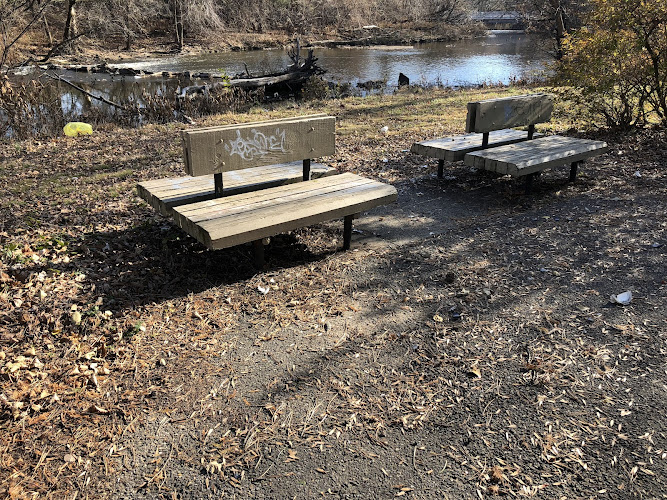
Mulberry Street Park
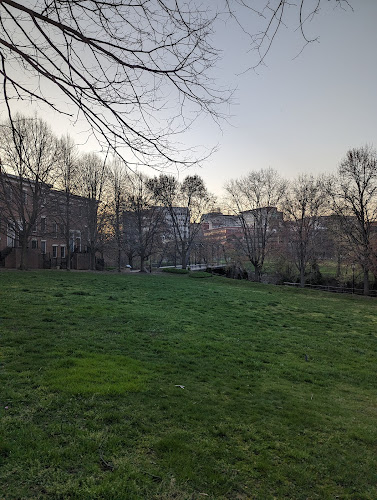
Mill Hill Park
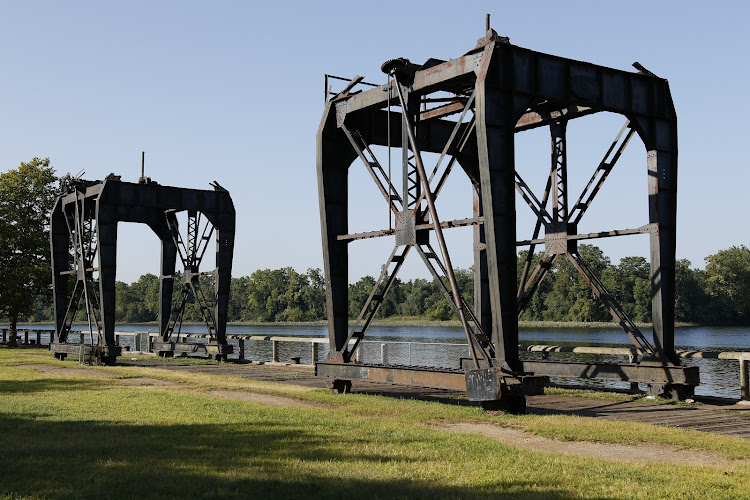
Marine Terminal Park
Find Accommodations Nearby
Recommended Tours & Activities
Visitor Reviews
There are no reviews yet. Be the first one to write one.
Share Your Experience
Have you visited New Jersey State Museum? Help other travelers by leaving a review.