
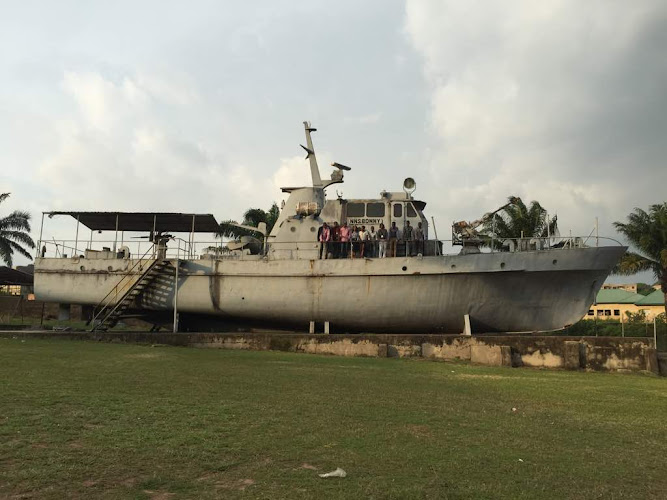
National War Museum, Umuahia
About National War Museum, Umuahia
Description
The National War Museum in Umuahia is one of those places that really makes you stop and think. It’s not just another museum where you stroll past dusty displays; it’s a space that holds the weight of Nigeria’s history, especially the Nigerian Civil War. Opened in the mid-1980s, the museum was designed to preserve artifacts, stories, and memories of conflicts that shaped the nation. And walking through it, you can feel that intention. Some visitors describe it as sobering, others find it educational, and a few even say it’s a bit overwhelming—but that’s the point. War isn’t pretty, and the museum doesn’t sugarcoat it.
The grounds are surprisingly large, with outdoor exhibits of tanks, aircraft, and artillery that look like they’ve been frozen in time. Inside, the galleries display photographs, documents, and relics that piece together the story of Nigeria’s struggles and resilience. Personally, I found myself lingering at the exhibits showing how ordinary people lived during the war—those moments felt more human and relatable than the heavy machinery outside. It’s not always easy to process, but it’s meaningful.
It’s not perfect, of course. Some displays could use better maintenance, and at times you may wish for more detailed explanations. But overall, the museum delivers on its mission: to educate, to remind, and to honor. For travelers curious about Nigeria’s past, it’s one of the most important stops in the southeast.
Key Features
- Extensive outdoor collection of military equipment, including tanks, armored vehicles, and aircraft.
- Indoor galleries showcasing photographs, documents, and relics from the Nigerian Civil War.
- Sections dedicated to the role of civilians during wartime, highlighting resilience and survival.
- Wheelchair accessible entrance, parking, and restrooms for inclusive access.
- On-site restaurant and restrooms, making it easier to spend a few hours exploring.
- Good for school trips and family visits, with exhibits that can spark curiosity in kids.
- A research hub for those interested in Nigeria’s military history and heritage.
Best Time to Visit
If you’re planning a trip, the dry season (roughly November through March) is the most comfortable time to visit. The outdoor exhibits are a big part of the experience, and trust me, wandering around tanks in the blazing rainy-season humidity isn’t much fun. Weekdays are generally quieter, so you’ll have more space and time to reflect without the bustle of larger groups. That said, weekends can be lively, especially with school tours or family outings, which adds a different kind of energy.
How to Get There
The museum sits just outside the main city center, along a major road that makes it fairly easy to reach. If you’re coming from within Umuahia, local taxis and ride-hailing services are the most straightforward options. For those traveling from other cities in southeastern Nigeria, buses and shared cars into Umuahia are common, and from there a short ride gets you to the museum. The road conditions are generally okay, though like much of Nigeria, traffic can be unpredictable—so plan some buffer time.
Tips for Visiting
Here are a few things I wish someone had told me before my first visit:
- Buy tickets in advance if you can. It saves time at the gate, especially on busy days.
- Bring water. Exploring the outdoor exhibits under the sun can leave you parched quickly.
- Wear comfortable shoes. The grounds are spread out, and you’ll be walking a fair bit.
- Take your time inside. The galleries aren’t massive, but they’re dense with information and artifacts that deserve attention.
- Be respectful. Remember, this is a memorial as much as it is a museum. Some visitors come to honor loved ones.
- Good for kids, but prepare them. Some exhibits may be heavy or graphic, so it helps to explain things in advance depending on their age.
- Ask questions. If you see a guide or staff member, don’t hesitate to chat—they often know stories that aren’t written on the walls.
In the end, the National War Museum is more than just a stop on a travel itinerary. It’s a place that challenges you to think about conflict, loss, and resilience in a very real way. And while you might leave with mixed emotions, you’ll also carry a deeper understanding of Nigeria’s history—and that’s worth the visit.
Key Features
- Extensive outdoor collection of military equipment, including tanks, armored vehicles, and aircraft.
- Indoor galleries showcasing photographs, documents, and relics from the Nigerian Civil War.
- Sections dedicated to the role of civilians during wartime, highlighting resilience and survival.
- Wheelchair accessible entrance, parking, and restrooms for inclusive access.
- On-site restaurant and restrooms, making it easier to spend a few hours exploring.
- Good for school trips and family visits, with exhibits that can spark curiosity in kids.
- A research hub for those interested in Nigeria’s military history and heritage.
More Details
Updated October 1, 2025
Table of Contents
Description
The National War Museum in Umuahia is one of those places that really makes you stop and think. It’s not just another museum where you stroll past dusty displays; it’s a space that holds the weight of Nigeria’s history, especially the Nigerian Civil War. Opened in the mid-1980s, the museum was designed to preserve artifacts, stories, and memories of conflicts that shaped the nation. And walking through it, you can feel that intention. Some visitors describe it as sobering, others find it educational, and a few even say it’s a bit overwhelming—but that’s the point. War isn’t pretty, and the museum doesn’t sugarcoat it.
The grounds are surprisingly large, with outdoor exhibits of tanks, aircraft, and artillery that look like they’ve been frozen in time. Inside, the galleries display photographs, documents, and relics that piece together the story of Nigeria’s struggles and resilience. Personally, I found myself lingering at the exhibits showing how ordinary people lived during the war—those moments felt more human and relatable than the heavy machinery outside. It’s not always easy to process, but it’s meaningful.
It’s not perfect, of course. Some displays could use better maintenance, and at times you may wish for more detailed explanations. But overall, the museum delivers on its mission: to educate, to remind, and to honor. For travelers curious about Nigeria’s past, it’s one of the most important stops in the southeast.
Key Features
- Extensive outdoor collection of military equipment, including tanks, armored vehicles, and aircraft.
- Indoor galleries showcasing photographs, documents, and relics from the Nigerian Civil War.
- Sections dedicated to the role of civilians during wartime, highlighting resilience and survival.
- Wheelchair accessible entrance, parking, and restrooms for inclusive access.
- On-site restaurant and restrooms, making it easier to spend a few hours exploring.
- Good for school trips and family visits, with exhibits that can spark curiosity in kids.
- A research hub for those interested in Nigeria’s military history and heritage.
Best Time to Visit
If you’re planning a trip, the dry season (roughly November through March) is the most comfortable time to visit. The outdoor exhibits are a big part of the experience, and trust me, wandering around tanks in the blazing rainy-season humidity isn’t much fun. Weekdays are generally quieter, so you’ll have more space and time to reflect without the bustle of larger groups. That said, weekends can be lively, especially with school tours or family outings, which adds a different kind of energy.
How to Get There
The museum sits just outside the main city center, along a major road that makes it fairly easy to reach. If you’re coming from within Umuahia, local taxis and ride-hailing services are the most straightforward options. For those traveling from other cities in southeastern Nigeria, buses and shared cars into Umuahia are common, and from there a short ride gets you to the museum. The road conditions are generally okay, though like much of Nigeria, traffic can be unpredictable—so plan some buffer time.
Tips for Visiting
Here are a few things I wish someone had told me before my first visit:
- Buy tickets in advance if you can. It saves time at the gate, especially on busy days.
- Bring water. Exploring the outdoor exhibits under the sun can leave you parched quickly.
- Wear comfortable shoes. The grounds are spread out, and you’ll be walking a fair bit.
- Take your time inside. The galleries aren’t massive, but they’re dense with information and artifacts that deserve attention.
- Be respectful. Remember, this is a memorial as much as it is a museum. Some visitors come to honor loved ones.
- Good for kids, but prepare them. Some exhibits may be heavy or graphic, so it helps to explain things in advance depending on their age.
- Ask questions. If you see a guide or staff member, don’t hesitate to chat—they often know stories that aren’t written on the walls.
In the end, the National War Museum is more than just a stop on a travel itinerary. It’s a place that challenges you to think about conflict, loss, and resilience in a very real way. And while you might leave with mixed emotions, you’ll also carry a deeper understanding of Nigeria’s history—and that’s worth the visit.
Key Highlights
- Extensive outdoor collection of military equipment, including tanks, armored vehicles, and aircraft.
- Indoor galleries showcasing photographs, documents, and relics from the Nigerian Civil War.
- Sections dedicated to the role of civilians during wartime, highlighting resilience and survival.
- Wheelchair accessible entrance, parking, and restrooms for inclusive access.
- On-site restaurant and restrooms, making it easier to spend a few hours exploring.
- Good for school trips and family visits, with exhibits that can spark curiosity in kids.
- A research hub for those interested in Nigeria’s military history and heritage.
Location
Places to Stay Near National War Museum, Umuahia
Find and Book a Tour
Explore More Travel Guides
No reviews found! Be the first to review!
Traveler Reviews for National War Museum, Umuahia
There are no reviews yet. Be the first one to write one.
Have you visited National War Museum, Umuahia? Help other travelers by sharing your review.
You Might Also Like

umumass park

Peace Mass Transit Umuahia

Umuahia
Find Accommodations Nearby
Recommended Tours & Activities
Visitor Reviews
There are no reviews yet. Be the first one to write one.
Share Your Experience
Have you visited National War Museum, Umuahia? Help other travelers by leaving a review.