
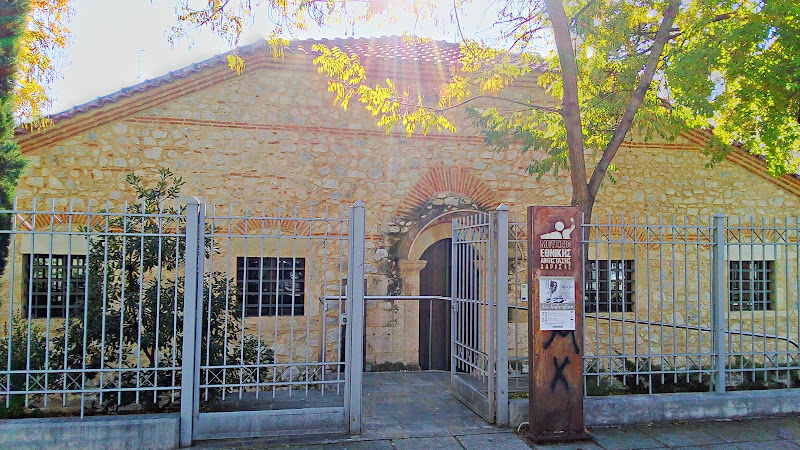
National Resistance Museum
About National Resistance Museum
Description
The National Resistance Museum in Champigny-sur-Marne is one of those places that quietly leaves a mark long after you’ve walked out its doors. Dedicated to the French Resistance during World War II, the museum doesn’t just showcase dusty artifacts or old photographs—it tells stories of courage, sacrifice, and everyday people who stood up when it mattered most. Spread across three floors and about 1,000 square meters, the space is thoughtfully designed to guide visitors through the events of the occupation, the rise of resistance networks, and ultimately, the liberation of France.
What makes it stand out is its human touch. Much of the collection comes directly from donations—personal letters, clandestine newspapers, uniforms, and even handmade tools used in secret operations. You can almost feel the weight of history in the small details. It’s not a flashy museum, and honestly, that’s part of its charm. It’s more about reflection than spectacle. Families often find it approachable because the exhibits are presented in a way that sparks curiosity, even for kids who may not yet grasp the full historical context. And for adults, there’s a sobering reminder of what resilience looks like when freedom is under threat.
The atmosphere is respectful and contemplative, but not heavy-handed. Some visitors might find certain parts emotionally challenging—after all, you’re confronted with stories of loss and oppression—but overall it leaves you with a sense of admiration for the bravery of ordinary men and women. Accessibility is taken seriously here too, with wheelchair-friendly entrances, restrooms, and even gender-neutral facilities. It’s a museum that opens its doors wide, both literally and figuratively.
Key Features
- Extensive collection of artifacts donated by former Resistance fighters and their families
- Exhibits covering the occupation, clandestine press, underground networks, and liberation
- Educational spaces, including the Aimé Césaire learning area for deeper exploration
- Wheelchair accessible entrances and restrooms for inclusive access
- Family-friendly environment with exhibits that engage both adults and children
- Free Wi-Fi available throughout the museum
- Restrooms with gender-neutral options
- Quiet, reflective atmosphere ideal for thoughtful visits
Best Time to Visit
There isn’t really a “bad” time to step into the National Resistance Museum, but weekdays tend to be calmer if you prefer a quieter visit. Weekends can get a little busier with families and school groups, though it never feels overwhelming. Personally, I’d recommend going in the morning when your mind is fresh—it’s the kind of place where you’ll want to take your time to read, watch, and think. Spring and autumn are particularly pleasant if you’re combining your visit with a stroll around Champigny-sur-Marne, since the weather makes exploring outside just as enjoyable.
Special events, like temporary exhibitions or commemorative days, can add an extra layer of meaning to your visit. But even on a regular day, you’ll find plenty to absorb. If you’re the type who enjoys lingering, plan for at least two to three hours. You’ll thank yourself for not rushing it.
How to Get There
Reaching the National Resistance Museum is fairly straightforward from Paris. Champigny-sur-Marne sits just east of the city, and it’s accessible by public transport. Trains and RER lines connect you from central Paris in under an hour, and from the station, it’s a short bus or walk to the museum. If you’re driving, there are parking options nearby, though like any urban area, spaces can be limited during peak times. Honestly, I’d stick to public transport—it’s less hassle, and you get to skip the stress of traffic.
For those who enjoy a bit of exploring, the trip itself can be part of the experience. The surrounding area has a local charm that feels different from the bustle of Paris proper, so it’s worth giving yourself some extra time to wander.
Tips for Visiting
A few things can make your visit smoother and more rewarding. First, give yourself time—this isn’t a museum to rush through. Bring a notebook if you’re the type who likes jotting down thoughts; there’s a lot that might resonate. If you’re visiting with kids, prepare them with a bit of context beforehand. The museum does a solid job of presenting history in an accessible way, but a little background goes a long way in keeping younger visitors engaged.
Wear comfortable shoes, because you’ll be moving through multiple floors, and while it’s not physically demanding, you’ll be on your feet a fair bit. There’s no on-site restaurant, so grab a bite before or plan to eat afterward—though honestly, that’s a good excuse to try one of the local cafés nearby. Wi-Fi is available, which is handy if you want to look up more details as you go, but I’d suggest putting your phone away for most of the visit. There’s something powerful about just being present with the exhibits.
And here’s a personal tip: don’t just focus on the “big” displays. Some of the smallest items—like a smuggled letter or a child’s drawing—carry the most emotional weight. Those are the details that stick with you. Lastly, be respectful of the space. It’s not a somber place exactly, but it is one that deserves quiet attention. If you go in with an open mind and a bit of patience, you’ll walk away with more than just knowledge—you’ll carry a piece of history with you.
Key Features
- Extensive collection of artifacts donated by former Resistance fighters and their families
- Exhibits covering the occupation, clandestine press, underground networks, and liberation
- Educational spaces, including the Aimé Césaire learning area for deeper exploration
- Wheelchair accessible entrances and restrooms for inclusive access
- Family-friendly environment with exhibits that engage both adults and children
- Free Wi-Fi available throughout the museum
- Restrooms with gender-neutral options
- Quiet, reflective atmosphere ideal for thoughtful visits
More Details
Updated September 9, 2025
Table of Contents
Description
The National Resistance Museum in Champigny-sur-Marne is one of those places that quietly leaves a mark long after you’ve walked out its doors. Dedicated to the French Resistance during World War II, the museum doesn’t just showcase dusty artifacts or old photographs—it tells stories of courage, sacrifice, and everyday people who stood up when it mattered most. Spread across three floors and about 1,000 square meters, the space is thoughtfully designed to guide visitors through the events of the occupation, the rise of resistance networks, and ultimately, the liberation of France.
What makes it stand out is its human touch. Much of the collection comes directly from donations—personal letters, clandestine newspapers, uniforms, and even handmade tools used in secret operations. You can almost feel the weight of history in the small details. It’s not a flashy museum, and honestly, that’s part of its charm. It’s more about reflection than spectacle. Families often find it approachable because the exhibits are presented in a way that sparks curiosity, even for kids who may not yet grasp the full historical context. And for adults, there’s a sobering reminder of what resilience looks like when freedom is under threat.
The atmosphere is respectful and contemplative, but not heavy-handed. Some visitors might find certain parts emotionally challenging—after all, you’re confronted with stories of loss and oppression—but overall it leaves you with a sense of admiration for the bravery of ordinary men and women. Accessibility is taken seriously here too, with wheelchair-friendly entrances, restrooms, and even gender-neutral facilities. It’s a museum that opens its doors wide, both literally and figuratively.
Key Features
- Extensive collection of artifacts donated by former Resistance fighters and their families
- Exhibits covering the occupation, clandestine press, underground networks, and liberation
- Educational spaces, including the Aimé Césaire learning area for deeper exploration
- Wheelchair accessible entrances and restrooms for inclusive access
- Family-friendly environment with exhibits that engage both adults and children
- Free Wi-Fi available throughout the museum
- Restrooms with gender-neutral options
- Quiet, reflective atmosphere ideal for thoughtful visits
Best Time to Visit
There isn’t really a “bad” time to step into the National Resistance Museum, but weekdays tend to be calmer if you prefer a quieter visit. Weekends can get a little busier with families and school groups, though it never feels overwhelming. Personally, I’d recommend going in the morning when your mind is fresh—it’s the kind of place where you’ll want to take your time to read, watch, and think. Spring and autumn are particularly pleasant if you’re combining your visit with a stroll around Champigny-sur-Marne, since the weather makes exploring outside just as enjoyable.
Special events, like temporary exhibitions or commemorative days, can add an extra layer of meaning to your visit. But even on a regular day, you’ll find plenty to absorb. If you’re the type who enjoys lingering, plan for at least two to three hours. You’ll thank yourself for not rushing it.
How to Get There
Reaching the National Resistance Museum is fairly straightforward from Paris. Champigny-sur-Marne sits just east of the city, and it’s accessible by public transport. Trains and RER lines connect you from central Paris in under an hour, and from the station, it’s a short bus or walk to the museum. If you’re driving, there are parking options nearby, though like any urban area, spaces can be limited during peak times. Honestly, I’d stick to public transport—it’s less hassle, and you get to skip the stress of traffic.
For those who enjoy a bit of exploring, the trip itself can be part of the experience. The surrounding area has a local charm that feels different from the bustle of Paris proper, so it’s worth giving yourself some extra time to wander.
Tips for Visiting
A few things can make your visit smoother and more rewarding. First, give yourself time—this isn’t a museum to rush through. Bring a notebook if you’re the type who likes jotting down thoughts; there’s a lot that might resonate. If you’re visiting with kids, prepare them with a bit of context beforehand. The museum does a solid job of presenting history in an accessible way, but a little background goes a long way in keeping younger visitors engaged.
Wear comfortable shoes, because you’ll be moving through multiple floors, and while it’s not physically demanding, you’ll be on your feet a fair bit. There’s no on-site restaurant, so grab a bite before or plan to eat afterward—though honestly, that’s a good excuse to try one of the local cafés nearby. Wi-Fi is available, which is handy if you want to look up more details as you go, but I’d suggest putting your phone away for most of the visit. There’s something powerful about just being present with the exhibits.
And here’s a personal tip: don’t just focus on the “big” displays. Some of the smallest items—like a smuggled letter or a child’s drawing—carry the most emotional weight. Those are the details that stick with you. Lastly, be respectful of the space. It’s not a somber place exactly, but it is one that deserves quiet attention. If you go in with an open mind and a bit of patience, you’ll walk away with more than just knowledge—you’ll carry a piece of history with you.
Key Highlights
- Extensive collection of artifacts donated by former Resistance fighters and their families
- Exhibits covering the occupation, clandestine press, underground networks, and liberation
- Educational spaces, including the Aimé Césaire learning area for deeper exploration
- Wheelchair accessible entrances and restrooms for inclusive access
- Family-friendly environment with exhibits that engage both adults and children
- Free Wi-Fi available throughout the museum
- Restrooms with gender-neutral options
- Quiet, reflective atmosphere ideal for thoughtful visits
Location
Places to Stay Near National Resistance Museum
Find and Book a Tour
Explore More Travel Guides
No reviews found! Be the first to review!
Traveler Reviews for National Resistance Museum
There are no reviews yet. Be the first one to write one.
Have you visited National Resistance Museum? Help other travelers by sharing your review.
You Might Also Like

Folklore Museum of Larissa

Glinou Park

Diachronic Museum of Larissa
Find Accommodations Nearby
Recommended Tours & Activities
Visitor Reviews
There are no reviews yet. Be the first one to write one.
Share Your Experience
Have you visited National Resistance Museum? Help other travelers by leaving a review.