About National Museum of Cambodia

Description

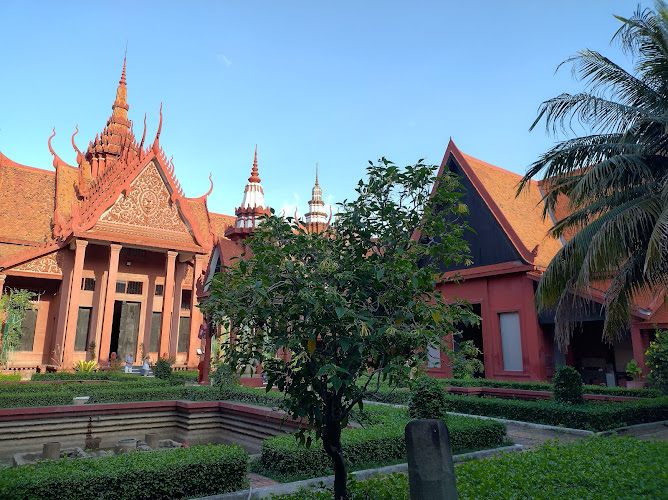
The National Museum of Cambodia is one of those places that feels both timeless and grounding. Built in the 1920s, its design draws inspiration from Khmer temple architecture, which means you’ll spot those sweeping roofs and intricate details that echo the sacred buildings of Angkor. Step inside and you’re greeted with a vast collection of traditional Khmer art, sculptures, and religious artifacts that tell the story of Cambodia’s past in a way that’s both scholarly and deeply human. It’s not just a museum—it’s more like a living archive of the country’s soul.

Now, to be fair, not every visitor walks away dazzled. Some find the displays a little sparse or wish there were more interactive exhibits. But others rave about the sheer beauty of the building itself and the chance to see centuries-old statues up close without the crowds you might expect at bigger international museums. Personally, I think the slower pace is part of its charm. You’re not rushed, you’re not overwhelmed—you can just take your time and let the history sink in.

And here’s something I really appreciate: it’s not just about dusty relics. The museum often hosts live performances in the courtyard, making the whole experience feel more alive. If you’re traveling with kids, it’s manageable too—plenty of open space, restrooms, and even a small restaurant on site for when you need a break. Accessibility has also been considered, with wheelchair-friendly parking available, which isn’t always the case in older cultural sites in Southeast Asia.

Key Features

  • Beautiful 1920s building influenced by Khmer temple architecture
  • Extensive collection of Khmer art and religious artifacts
  • Audio guides available for deeper context during your visit
  • Onsite restaurant and restrooms for convenience
  • Live performances held in the museum courtyard
  • Wheelchair accessible parking lot for easier access
  • Family-friendly environment suitable for children

Best Time to Visit

If you’re anything like me, you’ll want to avoid the midday heat in Phnom Penh—it can be relentless. The museum opens at 8:00 AM, and that’s honestly the sweet spot. The morning light is softer, the air is cooler, and the crowds haven’t built up yet. By the time the sun really starts to bear down, you’ll already be sitting in the shaded courtyard or grabbing a cold drink nearby.

Late afternoons are another good option, especially if you’re planning to wander over to the Royal Palace afterward. Just keep in mind that the last ticket is sold at 4:30 PM, so don’t cut it too close. Personally, I’d say mornings win the race, but if you’re not an early riser, the golden hour glow on the museum’s red walls is worth seeing at least once.

How to Get There

Phnom Penh is a city where tuk-tuks rule the road, and honestly, that’s the easiest way to get to the National Museum. Drivers know the spot well, so you won’t have to fumble with directions. If you’re staying near the riverside or central area, it’s just a short ride away. You can also walk if you’re close by, though the heat can make even a ten-minute stroll feel like a marathon.

For those who prefer more comfort, taxis and ride-hailing apps are available and fairly inexpensive compared to Western standards. I once tried cycling there—romantic idea, but I’ll admit Phnom Penh traffic isn’t exactly forgiving. Stick to tuk-tuks unless you’re feeling adventurous.

Tips for Visiting

Here’s where I’ll share the little things I wish someone had told me before my first visit. First off, dress respectfully. While the museum isn’t as strict as temples, it’s still a cultural institution, and modest clothing just feels more appropriate. Plus, the building isn’t heavily air-conditioned, so lightweight fabrics are your friend.

Bring water. You’ll thank yourself later. There’s a restaurant inside, but having a bottle on hand makes wandering through the galleries more comfortable. And don’t rush it—give yourself at least an hour or two. The collections might not be overwhelming in size, but the details deserve your attention.

If you’re into photography, the courtyard is stunning, especially in the morning or late afternoon when the light hits the red walls just right. Inside, though, photography rules may vary, so double-check before snapping away. Audio guides are worth considering too—they add context that really brings the artifacts to life.

One last thing: go in with balanced expectations. This isn’t the Louvre, and it’s not trying to be. It’s a quieter, more personal experience that reflects Cambodia’s own journey through history. And in my book, that’s what makes it so special.

Key Features

  • Beautiful 1920s building influenced by Khmer temple architecture
  • Extensive collection of Khmer art and religious artifacts
  • Audio guides available for deeper context during your visit
  • Onsite restaurant and restrooms for convenience
  • Live performances held in the museum courtyard
  • Wheelchair accessible parking lot for easier access
  • Family-friendly environment suitable for children

More Details

Updated September 8, 2025


Description

The National Museum of Cambodia is one of those places that feels both timeless and grounding. Built in the 1920s, its design draws inspiration from Khmer temple architecture, which means you’ll spot those sweeping roofs and intricate details that echo the sacred buildings of Angkor. Step inside and you’re greeted with a vast collection of traditional Khmer art, sculptures, and religious artifacts that tell the story of Cambodia’s past in a way that’s both scholarly and deeply human. It’s not just a museum—it’s more like a living archive of the country’s soul.

Now, to be fair, not every visitor walks away dazzled. Some find the displays a little sparse or wish there were more interactive exhibits. But others rave about the sheer beauty of the building itself and the chance to see centuries-old statues up close without the crowds you might expect at bigger international museums. Personally, I think the slower pace is part of its charm. You’re not rushed, you’re not overwhelmed—you can just take your time and let the history sink in.

And here’s something I really appreciate: it’s not just about dusty relics. The museum often hosts live performances in the courtyard, making the whole experience feel more alive. If you’re traveling with kids, it’s manageable too—plenty of open space, restrooms, and even a small restaurant on site for when you need a break. Accessibility has also been considered, with wheelchair-friendly parking available, which isn’t always the case in older cultural sites in Southeast Asia.

Key Features

  • Beautiful 1920s building influenced by Khmer temple architecture
  • Extensive collection of Khmer art and religious artifacts
  • Audio guides available for deeper context during your visit
  • Onsite restaurant and restrooms for convenience
  • Live performances held in the museum courtyard
  • Wheelchair accessible parking lot for easier access
  • Family-friendly environment suitable for children

Best Time to Visit

If you’re anything like me, you’ll want to avoid the midday heat in Phnom Penh—it can be relentless. The museum opens at 8:00 AM, and that’s honestly the sweet spot. The morning light is softer, the air is cooler, and the crowds haven’t built up yet. By the time the sun really starts to bear down, you’ll already be sitting in the shaded courtyard or grabbing a cold drink nearby.

Late afternoons are another good option, especially if you’re planning to wander over to the Royal Palace afterward. Just keep in mind that the last ticket is sold at 4:30 PM, so don’t cut it too close. Personally, I’d say mornings win the race, but if you’re not an early riser, the golden hour glow on the museum’s red walls is worth seeing at least once.

How to Get There

Phnom Penh is a city where tuk-tuks rule the road, and honestly, that’s the easiest way to get to the National Museum. Drivers know the spot well, so you won’t have to fumble with directions. If you’re staying near the riverside or central area, it’s just a short ride away. You can also walk if you’re close by, though the heat can make even a ten-minute stroll feel like a marathon.

For those who prefer more comfort, taxis and ride-hailing apps are available and fairly inexpensive compared to Western standards. I once tried cycling there—romantic idea, but I’ll admit Phnom Penh traffic isn’t exactly forgiving. Stick to tuk-tuks unless you’re feeling adventurous.

Tips for Visiting

Here’s where I’ll share the little things I wish someone had told me before my first visit. First off, dress respectfully. While the museum isn’t as strict as temples, it’s still a cultural institution, and modest clothing just feels more appropriate. Plus, the building isn’t heavily air-conditioned, so lightweight fabrics are your friend.

Bring water. You’ll thank yourself later. There’s a restaurant inside, but having a bottle on hand makes wandering through the galleries more comfortable. And don’t rush it—give yourself at least an hour or two. The collections might not be overwhelming in size, but the details deserve your attention.

If you’re into photography, the courtyard is stunning, especially in the morning or late afternoon when the light hits the red walls just right. Inside, though, photography rules may vary, so double-check before snapping away. Audio guides are worth considering too—they add context that really brings the artifacts to life.

One last thing: go in with balanced expectations. This isn’t the Louvre, and it’s not trying to be. It’s a quieter, more personal experience that reflects Cambodia’s own journey through history. And in my book, that’s what makes it so special.

Key Highlights

  • Beautiful 1920s building influenced by Khmer temple architecture
  • Extensive collection of Khmer art and religious artifacts
  • Audio guides available for deeper context during your visit
  • Onsite restaurant and restrooms for convenience
  • Live performances held in the museum courtyard
  • Wheelchair accessible parking lot for easier access
  • Family-friendly environment suitable for children

Location

Places to Stay Near National Museum of Cambodia

Find and Book a Tour

Explore More Travel Guides

No reviews found! Be the first to review!

Traveler Reviews for National Museum of Cambodia

There are no reviews yet. Be the first one to write one.

Share Your Experience

Have you visited National Museum of Cambodia? Help other travelers by sharing your review.

Find Accommodations Nearby

Recommended Tours & Activities

Visitor Reviews

There are no reviews yet. Be the first one to write one.

Share Your Experience

Have you visited National Museum of Cambodia? Help other travelers by leaving a review.