

Nashville Conservation Reserve
About Nashville Conservation Reserve
Description
The Nashville Conservation Reserve is one of those places that quietly captures your heart without trying too hard. It’s not flashy or crowded, and that’s exactly what makes it special. Stretching across rolling hills and tucked along the Humber Valley Heritage Trail, this reserve feels like a deep breath of fresh air after a week of city noise. The trails weave through forests, meadows, and wetlands, creating a patchwork of green that changes with every season. You might spot deer grazing in the distance or hear the rhythmic chatter of chickadees overhead—nature doing its thing, unbothered by the world outside.
For travelers who crave something a bit more grounded than the usual tourist stops, this place offers a genuine connection with the land. It’s not about manicured lawns or curated experiences; it’s about mud on your boots, wind in your hair, and that satisfying ache in your legs after a long hike. The reserve’s trails are well-marked but still wild enough to keep you on your toes. And if you’re like me, you’ll probably find yourself stopping every few minutes just to take in the stillness—or snap a photo that never quite captures how peaceful it really feels in person.
It’s also a surprisingly family-friendly spot. I’ve seen parents with strollers tackling the gentler paths and kids darting off to inspect every bug and rock. Dogs are welcome too, which adds to the lively, communal feel of the place. Just remember to bring a leash and a few extra treats. The only thing to keep in mind is that accessibility is limited; the trails aren’t ideal for wheelchairs or those needing paved paths. But for anyone able to explore on foot, the reward is a slice of Ontario wilderness that feels refreshingly untouched.
Key Features
- Expansive network of hiking trails ranging from easy strolls to moderate treks
- Dog-friendly environment—perfect for travelers with pets
- Kid-friendly routes ideal for family outings and nature walks
- Diverse landscapes including forests, meadows, and riverside paths
- Rich local wildlife—keep an eye out for deer, birds, and small mammals
- Peaceful atmosphere with limited crowds, even on weekends
- Great spot for nature photography and quiet reflection
Best Time to Visit
If you ask me, there’s no wrong time to visit the Nashville Conservation Reserve—but each season has its own charm. Spring bursts with color as wildflowers carpet the trails and the air smells like rain and new beginnings. Summer is lush and green, perfect for longer hikes or picnics under the trees, though you’ll want to bring bug spray (trust me on that one). Autumn, though, is pure magic. The forest lights up in fiery oranges and reds, and the trails crunch beneath your boots—it’s the kind of scene that makes you stop mid-step just to soak it in. Winter, while quieter, has its own calm beauty. Snow transforms the landscape into a silent wonderland, and if you don’t mind the chill, you’ll likely have the trails all to yourself.
How to Get There
Getting to the reserve is fairly straightforward, though it helps to plan ahead since it’s a bit off the main tourist routes. Most travelers arrive by car, following local roads that wind through small communities and open countryside. There’s parking available near the trailheads, but it can fill up on sunny weekends. If you’re coming from downtown Toronto, expect about a 40-minute drive depending on traffic. Public transportation options are limited, so driving or carpooling is your best bet. I always suggest bringing a printed map or downloading the trail layout beforehand—cell service can be spotty in some areas, and it’s nice to wander without worrying about GPS.
Tips for Visiting
A few practical tips can make your visit smoother and more enjoyable. First off, wear good hiking shoes. The terrain can get muddy after rain, and some sections have roots or loose gravel. Bring water and snacks, especially if you plan to explore for more than an hour or two—there aren’t any food vendors or rest stops inside the reserve. And don’t forget your camera; the light filtering through the trees in late afternoon is something you’ll want to capture.
If you’re visiting with kids, pick one of the shorter loops to keep things fun and manageable. There are plenty of spots to stop and rest, and little explorers will love spotting wildlife or collecting colorful leaves. For dog owners, it’s a dream—just remember to keep your pup leashed and clean up after them.
One thing I’ve learned from my own hikes here: slow down. It’s tempting to rush through to “see it all,” but the magic of this place is in the details—the texture of the moss on a fallen log, the sound of water trickling through a hidden stream, the way sunlight flickers through the canopy. Take your time. Let the quiet sink in. You’ll leave feeling lighter, calmer, and maybe even a little more connected to the world around you.
For travelers who love nature but don’t want to venture too far from the city, the Nashville Conservation Reserve is a gem worth discovering. It’s the kind of place that reminds you that adventure doesn’t always mean grand vistas or epic climbs—sometimes, it’s just a simple walk through the woods that stays with you long after you’ve gone home.
Key Features
- Expansive network of hiking trails ranging from easy strolls to moderate treks
- Dog-friendly environment—perfect for travelers with pets
- Kid-friendly routes ideal for family outings and nature walks
- Diverse landscapes including forests, meadows, and riverside paths
- Rich local wildlife—keep an eye out for deer, birds, and small mammals
- Peaceful atmosphere with limited crowds, even on weekends
- Great spot for nature photography and quiet reflection
More Details
Updated November 10, 2025
Table of Contents
Description
The Nashville Conservation Reserve is one of those places that quietly captures your heart without trying too hard. It’s not flashy or crowded, and that’s exactly what makes it special. Stretching across rolling hills and tucked along the Humber Valley Heritage Trail, this reserve feels like a deep breath of fresh air after a week of city noise. The trails weave through forests, meadows, and wetlands, creating a patchwork of green that changes with every season. You might spot deer grazing in the distance or hear the rhythmic chatter of chickadees overhead—nature doing its thing, unbothered by the world outside.
For travelers who crave something a bit more grounded than the usual tourist stops, this place offers a genuine connection with the land. It’s not about manicured lawns or curated experiences; it’s about mud on your boots, wind in your hair, and that satisfying ache in your legs after a long hike. The reserve’s trails are well-marked but still wild enough to keep you on your toes. And if you’re like me, you’ll probably find yourself stopping every few minutes just to take in the stillness—or snap a photo that never quite captures how peaceful it really feels in person.
It’s also a surprisingly family-friendly spot. I’ve seen parents with strollers tackling the gentler paths and kids darting off to inspect every bug and rock. Dogs are welcome too, which adds to the lively, communal feel of the place. Just remember to bring a leash and a few extra treats. The only thing to keep in mind is that accessibility is limited; the trails aren’t ideal for wheelchairs or those needing paved paths. But for anyone able to explore on foot, the reward is a slice of Ontario wilderness that feels refreshingly untouched.
Key Features
- Expansive network of hiking trails ranging from easy strolls to moderate treks
- Dog-friendly environment—perfect for travelers with pets
- Kid-friendly routes ideal for family outings and nature walks
- Diverse landscapes including forests, meadows, and riverside paths
- Rich local wildlife—keep an eye out for deer, birds, and small mammals
- Peaceful atmosphere with limited crowds, even on weekends
- Great spot for nature photography and quiet reflection
Best Time to Visit
If you ask me, there’s no wrong time to visit the Nashville Conservation Reserve—but each season has its own charm. Spring bursts with color as wildflowers carpet the trails and the air smells like rain and new beginnings. Summer is lush and green, perfect for longer hikes or picnics under the trees, though you’ll want to bring bug spray (trust me on that one). Autumn, though, is pure magic. The forest lights up in fiery oranges and reds, and the trails crunch beneath your boots—it’s the kind of scene that makes you stop mid-step just to soak it in. Winter, while quieter, has its own calm beauty. Snow transforms the landscape into a silent wonderland, and if you don’t mind the chill, you’ll likely have the trails all to yourself.
How to Get There
Getting to the reserve is fairly straightforward, though it helps to plan ahead since it’s a bit off the main tourist routes. Most travelers arrive by car, following local roads that wind through small communities and open countryside. There’s parking available near the trailheads, but it can fill up on sunny weekends. If you’re coming from downtown Toronto, expect about a 40-minute drive depending on traffic. Public transportation options are limited, so driving or carpooling is your best bet. I always suggest bringing a printed map or downloading the trail layout beforehand—cell service can be spotty in some areas, and it’s nice to wander without worrying about GPS.
Tips for Visiting
A few practical tips can make your visit smoother and more enjoyable. First off, wear good hiking shoes. The terrain can get muddy after rain, and some sections have roots or loose gravel. Bring water and snacks, especially if you plan to explore for more than an hour or two—there aren’t any food vendors or rest stops inside the reserve. And don’t forget your camera; the light filtering through the trees in late afternoon is something you’ll want to capture.
If you’re visiting with kids, pick one of the shorter loops to keep things fun and manageable. There are plenty of spots to stop and rest, and little explorers will love spotting wildlife or collecting colorful leaves. For dog owners, it’s a dream—just remember to keep your pup leashed and clean up after them.
One thing I’ve learned from my own hikes here: slow down. It’s tempting to rush through to “see it all,” but the magic of this place is in the details—the texture of the moss on a fallen log, the sound of water trickling through a hidden stream, the way sunlight flickers through the canopy. Take your time. Let the quiet sink in. You’ll leave feeling lighter, calmer, and maybe even a little more connected to the world around you.
For travelers who love nature but don’t want to venture too far from the city, the Nashville Conservation Reserve is a gem worth discovering. It’s the kind of place that reminds you that adventure doesn’t always mean grand vistas or epic climbs—sometimes, it’s just a simple walk through the woods that stays with you long after you’ve gone home.
Key Highlights
- Expansive network of hiking trails ranging from easy strolls to moderate treks
- Dog-friendly environment—perfect for travelers with pets
- Kid-friendly routes ideal for family outings and nature walks
- Diverse landscapes including forests, meadows, and riverside paths
- Rich local wildlife—keep an eye out for deer, birds, and small mammals
- Peaceful atmosphere with limited crowds, even on weekends
- Great spot for nature photography and quiet reflection
Location
Places to Stay Near Nashville Conservation Reserve
Find and Book a Tour
Explore More Travel Guides
No reviews found! Be the first to review!
Traveler Reviews for Nashville Conservation Reserve
There are no reviews yet. Be the first one to write one.
Have you visited Nashville Conservation Reserve? Help other travelers by sharing your review.
You Might Also Like
RFV5+MQ

Elder’s Mills Nature Reserve
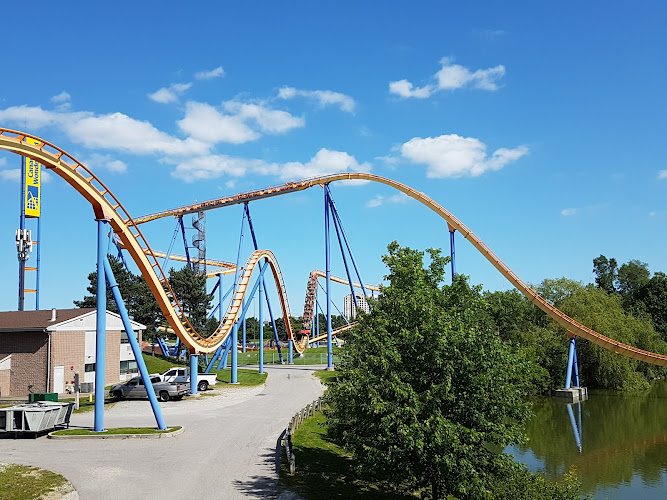
Behemoth
Find Accommodations Nearby
Recommended Tours & Activities
Visitor Reviews
There are no reviews yet. Be the first one to write one.
Share Your Experience
Have you visited Nashville Conservation Reserve? Help other travelers by leaving a review.