
Nan Lian Garden
About Nan Lian Garden
History and Significance
If you’re in Hong Kong and craving a tranquil oasis that beautifully balances tradition, artistry, and natural beauty, the Nan Lian Garden is your go-to spot. Unlike crowded urban parks, this meticulously crafted classical Chinese garden offers a slice of serenity carved from centuries-old inspirations. Opened in 2006, Nan Lian Garden is a stunning example of Tang Dynasty garden design, carefully aligned with principles of harmony between nature and art. The garden isn’t just a leisure spot—it’s a living exhibition of Chinese culture, philosophy, and aesthetics rendered in wood, stone, water, and greenery.
The garden's significance stretches beyond its visual appeal. It serves as a cultural bridge connecting modern-day visitors with one of China’s most culturally rich dynastic eras, the Tang Dynasty, widely regarded as a golden age of art, poetry, and garden creativity. Nan Lian Garden stands as a tribute to craftsmanship, embodying traditional woodworking and landscaping techniques that you rarely see so impeccably preserved today.
Nestled in Hong Kong’s Diamond Hill District, the garden simultaneously constitutes a calm retreat from city buzz and a testament to heritage preservation within one of the world’s busiest metropolises. For locals and travelers alike, Nan Lian Garden is a place for reflection, inspiration, and a unique journey back in time.
Main Attractions and Activities
From your first step into Nan Lian Garden, the sense of thoughtful design envelops you. Every corner, curve, and stone feels deliberately placed to optimize balance, peace, and beauty.
Main highlights include:
-
The Pavilion of Absolute Perfection: This iconic wooden structure with its elegant orange hues and sweeping roofs draws countless photography enthusiasts. It’s a masterclass in Tang architectural aesthetics.
-
Artificial Mountains and Rock Formations: The dramatic, jagged rocks arranged throughout the garden mimic natural mountain ranges, offering breathtaking contrasts to the meticulously trimmed plants.
-
Central Water Features: Streams and lotus ponds form reflective lenses across the garden, enhancing tranquility and offering glimpses of koi and dragonflies.
-
The Flowing Stream and Waterfalls: These dynamic water features add gentle soundscapes, creating a multisensory experience grounded in natural elements.
-
Ornate Bridges and Paths: Step over winding wooden bridges and along pebble pathways that invite slow walking and deep appreciation of the surroundings.
-
Tea House: For a full cultural immersion, stop at the garden’s tea house, where you can savor traditional Chinese teas amid peaceful garden views.
-
Exhibition Hall: The Nan Lian Garden Resource Centre nearby offers exhibitions on Chinese garden history and the garden’s construction process, rich with photographic and video documentation.
-
Seasonal Flower Displays: While the garden is beautiful year-round, spring and autumn bring vibrant floral highlights, enhancing the natural canvas.
-
Cultural Events and Workshops: Periodically, the garden hosts calligraphy classes, bonsai demonstrations, and traditional music performances, enriching your cultural journey.
Visitor Experience
Doming your visit around Nan Lian Garden is like walking through a carefully composed poem—a place where every leaf, stone, and ripple has a measured purpose. The garden wraps you in calm almost immediately, inviting you to shed city stress and reconnect with nature through an ancient lens.
I once spent a late afternoon admiring the soft shadows cast by sunlight filtering through pavilion eaves, the air redolent with the scent of pine and water. The koi darted beneath lily pads, and a fountain splash punctuated the quiet like a whispered secret. Couples clicked cameras while elders exchanged smiles on wooden benches.
The garden’s atmosphere lends itself beautifully to solitude and socializing alike. Whether you’re alone or with friends, ideas of balance and elegance underpin your experience. The aesthetic silence, broken only by gentle footsteps or rustling leaves, encourages thought and creativity.
Nan Lian Garden feels like a sacred pause button—momentarily whisking you away from the relentless pace of urban life into a timeless, contemplative space.
Tips for Visitors
To truly enjoy Nan Lian Garden, consider the following:
-
Plan your visit early in the day or late afternoon for softer light and fewer crowds.
-
Wear comfortable shoes because the garden’s pathways encourage slow strolling and exploration.
-
Stop by the tea house for a perfect pause and cultural flavor—try traditional jasmine or oolong teas.
-
Bring a camera or smartphone—you won’t regret capturing the striking architecture and tranquil views.
-
Visit the Resource Centre to deepen your appreciation through curated exhibits and documentaries.
-
Check the schedule for cultural events or workshops—they offer enriching hands-on experiences.
-
Avoid weekends if possible when the garden fills with families and tourists.
-
Carry a water bottle and light snacks—food options inside are limited, though there are nearby cafes.
Accessibility and Facilities
Nan Lian Garden has made great strides in welcoming all visitors:
-
Smooth, wide paths and ramps accommodate wheelchairs and strollers in most areas.
-
Restrooms and drinking fountains are clean and regularly maintained.
-
Visitor maps and signage are clear and available in multiple languages.
-
The tea house and gift shop provide comfortable rest stops.
-
Located within easy reach of public transportation, the Diamond Hill MTR station is minutes away.
-
Parking is limited, reinforcing the garden’s design to encourage access by public transport or walking.
Unique Features
Several aspects make Nan Lian Garden stand out:
-
It is a perfect modern replication of Tang Dynasty gardening principles, emphasizing natural harmony, asymmetry, and the balance of elements.
-
The use of traditional architecture and craftsmanship techniques lends authenticity and cultural depth rarely matched in urban gardens.
-
It hosts a diverse ecosystem within a manicured space, integrating flora, fauna, water, and stone in intricate choreography.
-
The garden serves as a living cultural stage with rotating art exhibits, performances, and educational programs that keep the space lively and relevant.
-
Its location in the heart of a bustling city offers an immediate, accessible connection to nature and tranquility.
Overall Impressions
Honestly, Nan Lian Garden feels like a masterpiece of design and serenity, a true sanctuary where the chaos of Hong Kong fades into the background. Whether you’re a lover of garden design, a weary city wanderer, or a seeker of cultural depth, this garden never disappoints.
It’s a space that speaks softly but profoundly, reminding you that beauty and balance are found in the smallest details— the twist of a branch, the ripple of a pond, the elegant curve of a rooftop.
Walking through Nan Lian, you’ll leave with a refreshed spirit and a renewed appreciation for the enduring wisdom of classical Chinese aesthetics.
Pros and Cons
| Pros | Cons |
|---|---|
| Stunning, authentic Tang Dynasty garden design | It can be crowded on weekends and holidays |
| Extensive cultural programming and exhibitions | Food and drink options inside the garden are limited |
| Accessible pathways and visitor-friendly facilities | Not a large garden—can be explored in 1-2 hours |
| Beautiful tea house offering cultural immersion | Entrance fee applies |
| Peaceful oasis in the middle of a busy city | Sometimes busy with tourist groups |
| Easily accessible via public transport | Photography restrictions in select areas |
Key Features
- Tang‑dynasty style architecture and landscaping
- Golden Pavilion and traditional wooden structures
- Ponds, streams and Long Man Lou waterfall
- Carefully arranged scholar’s rocks and old specimen trees
- Adjacent Chi Lin Nunnery and museum/shop/vegetarian tea house
More Details
Updated August 21, 2025
Table of Contents
- History and Significance
- Main Attractions and Activities
- Visitor Experience
- Tips for Visitors
- Accessibility and Facilities
- Unique Features
- Overall Impressions
- Pros and Cons
- Key Highlights
- Location
- Places to Stay Near Nan Lian Garden
- Find and Book a Tour
- Explore More Travel Guides
- Nearby Places You Might Like
- Traveler Reviews for Nan Lian Garden
- Share Your Experience
History and Significance
If you’re in Hong Kong and craving a tranquil oasis that beautifully balances tradition, artistry, and natural beauty, the Nan Lian Garden is your go-to spot. Unlike crowded urban parks, this meticulously crafted classical Chinese garden offers a slice of serenity carved from centuries-old inspirations. Opened in 2006, Nan Lian Garden is a stunning example of Tang Dynasty garden design, carefully aligned with principles of harmony between nature and art. The garden isn’t just a leisure spot—it’s a living exhibition of Chinese culture, philosophy, and aesthetics rendered in wood, stone, water, and greenery.
The garden’s significance stretches beyond its visual appeal. It serves as a cultural bridge connecting modern-day visitors with one of China’s most culturally rich dynastic eras, the Tang Dynasty, widely regarded as a golden age of art, poetry, and garden creativity. Nan Lian Garden stands as a tribute to craftsmanship, embodying traditional woodworking and landscaping techniques that you rarely see so impeccably preserved today.
Nestled in Hong Kong’s Diamond Hill District, the garden simultaneously constitutes a calm retreat from city buzz and a testament to heritage preservation within one of the world’s busiest metropolises. For locals and travelers alike, Nan Lian Garden is a place for reflection, inspiration, and a unique journey back in time.
Main Attractions and Activities
From your first step into Nan Lian Garden, the sense of thoughtful design envelops you. Every corner, curve, and stone feels deliberately placed to optimize balance, peace, and beauty.
Main highlights include:
-
The Pavilion of Absolute Perfection: This iconic wooden structure with its elegant orange hues and sweeping roofs draws countless photography enthusiasts. It’s a masterclass in Tang architectural aesthetics.
-
Artificial Mountains and Rock Formations: The dramatic, jagged rocks arranged throughout the garden mimic natural mountain ranges, offering breathtaking contrasts to the meticulously trimmed plants.
-
Central Water Features: Streams and lotus ponds form reflective lenses across the garden, enhancing tranquility and offering glimpses of koi and dragonflies.
-
The Flowing Stream and Waterfalls: These dynamic water features add gentle soundscapes, creating a multisensory experience grounded in natural elements.
-
Ornate Bridges and Paths: Step over winding wooden bridges and along pebble pathways that invite slow walking and deep appreciation of the surroundings.
-
Tea House: For a full cultural immersion, stop at the garden’s tea house, where you can savor traditional Chinese teas amid peaceful garden views.
-
Exhibition Hall: The Nan Lian Garden Resource Centre nearby offers exhibitions on Chinese garden history and the garden’s construction process, rich with photographic and video documentation.
-
Seasonal Flower Displays: While the garden is beautiful year-round, spring and autumn bring vibrant floral highlights, enhancing the natural canvas.
-
Cultural Events and Workshops: Periodically, the garden hosts calligraphy classes, bonsai demonstrations, and traditional music performances, enriching your cultural journey.
Visitor Experience
Doming your visit around Nan Lian Garden is like walking through a carefully composed poem—a place where every leaf, stone, and ripple has a measured purpose. The garden wraps you in calm almost immediately, inviting you to shed city stress and reconnect with nature through an ancient lens.
I once spent a late afternoon admiring the soft shadows cast by sunlight filtering through pavilion eaves, the air redolent with the scent of pine and water. The koi darted beneath lily pads, and a fountain splash punctuated the quiet like a whispered secret. Couples clicked cameras while elders exchanged smiles on wooden benches.
The garden’s atmosphere lends itself beautifully to solitude and socializing alike. Whether you’re alone or with friends, ideas of balance and elegance underpin your experience. The aesthetic silence, broken only by gentle footsteps or rustling leaves, encourages thought and creativity.
Nan Lian Garden feels like a sacred pause button—momentarily whisking you away from the relentless pace of urban life into a timeless, contemplative space.
Tips for Visitors
To truly enjoy Nan Lian Garden, consider the following:
-
Plan your visit early in the day or late afternoon for softer light and fewer crowds.
-
Wear comfortable shoes because the garden’s pathways encourage slow strolling and exploration.
-
Stop by the tea house for a perfect pause and cultural flavor—try traditional jasmine or oolong teas.
-
Bring a camera or smartphone—you won’t regret capturing the striking architecture and tranquil views.
-
Visit the Resource Centre to deepen your appreciation through curated exhibits and documentaries.
-
Check the schedule for cultural events or workshops—they offer enriching hands-on experiences.
-
Avoid weekends if possible when the garden fills with families and tourists.
-
Carry a water bottle and light snacks—food options inside are limited, though there are nearby cafes.
Accessibility and Facilities
Nan Lian Garden has made great strides in welcoming all visitors:
-
Smooth, wide paths and ramps accommodate wheelchairs and strollers in most areas.
-
Restrooms and drinking fountains are clean and regularly maintained.
-
Visitor maps and signage are clear and available in multiple languages.
-
The tea house and gift shop provide comfortable rest stops.
-
Located within easy reach of public transportation, the Diamond Hill MTR station is minutes away.
-
Parking is limited, reinforcing the garden’s design to encourage access by public transport or walking.
Unique Features
Several aspects make Nan Lian Garden stand out:
-
It is a perfect modern replication of Tang Dynasty gardening principles, emphasizing natural harmony, asymmetry, and the balance of elements.
-
The use of traditional architecture and craftsmanship techniques lends authenticity and cultural depth rarely matched in urban gardens.
-
It hosts a diverse ecosystem within a manicured space, integrating flora, fauna, water, and stone in intricate choreography.
-
The garden serves as a living cultural stage with rotating art exhibits, performances, and educational programs that keep the space lively and relevant.
-
Its location in the heart of a bustling city offers an immediate, accessible connection to nature and tranquility.
Overall Impressions
Honestly, Nan Lian Garden feels like a masterpiece of design and serenity, a true sanctuary where the chaos of Hong Kong fades into the background. Whether you’re a lover of garden design, a weary city wanderer, or a seeker of cultural depth, this garden never disappoints.
It’s a space that speaks softly but profoundly, reminding you that beauty and balance are found in the smallest details— the twist of a branch, the ripple of a pond, the elegant curve of a rooftop.
Walking through Nan Lian, you’ll leave with a refreshed spirit and a renewed appreciation for the enduring wisdom of classical Chinese aesthetics.
Pros and Cons
| Pros | Cons |
|---|---|
| Stunning, authentic Tang Dynasty garden design | It can be crowded on weekends and holidays |
| Extensive cultural programming and exhibitions | Food and drink options inside the garden are limited |
| Accessible pathways and visitor-friendly facilities | Not a large garden—can be explored in 1-2 hours |
| Beautiful tea house offering cultural immersion | Entrance fee applies |
| Peaceful oasis in the middle of a busy city | Sometimes busy with tourist groups |
| Easily accessible via public transport | Photography restrictions in select areas |
Key Highlights
- Tang‑dynasty style architecture and landscaping
- Golden Pavilion and traditional wooden structures
- Ponds, streams and Long Man Lou waterfall
- Carefully arranged scholar’s rocks and old specimen trees
- Adjacent Chi Lin Nunnery and museum/shop/vegetarian tea house
Location
Places to Stay Near Nan Lian Garden
Find and Book a Tour
Explore More Travel Guides
No reviews found! Be the first to review!
Traveler Reviews for Nan Lian Garden
There are no reviews yet. Be the first one to write one.
Have you visited Nan Lian Garden? Help other travelers by sharing your review.
Nearby Attractions
You Might Also Like
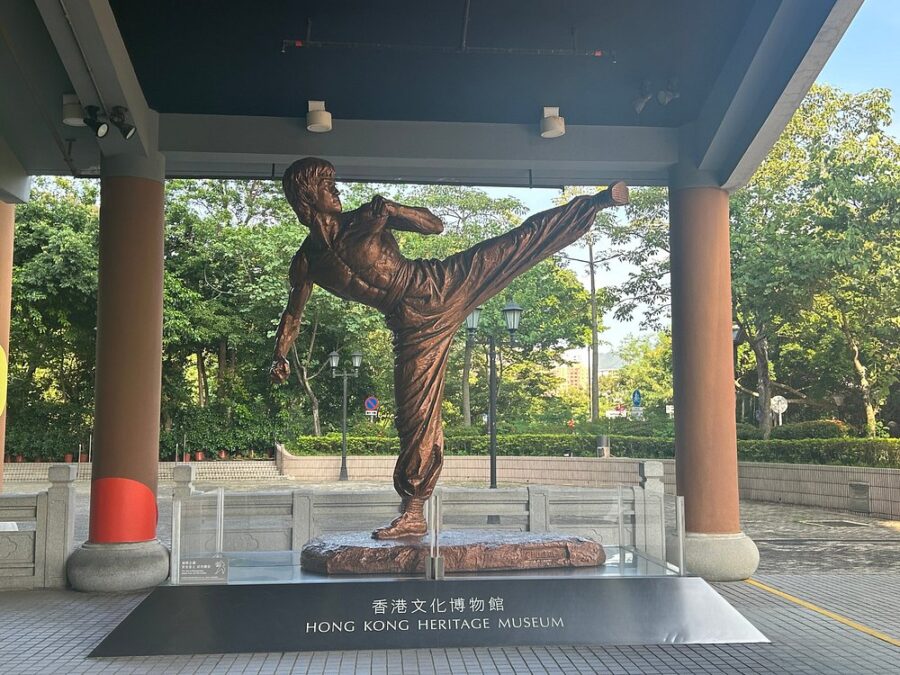
Hong Kong Heritage Museum

Former Kowloon-Canton Railway Clock Tower
King Yin Lei
Find Accommodations Nearby
Recommended Tours & Activities
Visitor Reviews
There are no reviews yet. Be the first one to write one.
Share Your Experience
Have you visited Nan Lian Garden? Help other travelers by leaving a review.