

Museum of the Weird
About Museum of the Weird
The Museum of the Weird in Austin stands out as a curious crossroads between a sideshow emporium and a small, fiercely curated cabinet of oddities. Visitors will find an eclectic mix of preserved oddities, sideshow memorabilia, and theatrical presentation that leans into the playful and the macabre without taking itself too seriously. The collection ranges from Bigfoot casts and alleged cryptid relics to shrunken heads, unusual taxidermy, vintage carnival posters, and cabinets of curios that encourage lingering and second glances. A gift shop stocked with quirky souvenirs, books, and novelty items rounds out the experience, so folks leave with something tangible to remember the visit.
This museum works like a compact, immersive story: each display feels like a page turned in a small-town traveling showbook. The layout is intentionally intimate — sometimes narrow aisles, low lights, a close-up look at objects that make people grin, squirm, and ask questions. And yes, the atmosphere is theatrical. Soundscapes, handwritten placards, and occasionally staff who explain background lore create a sense of being inside a living odditorium rather than a sterile exhibit hall. The museum offers onsite tours, giving context to exhibits and adding a storyteller's voice that many visitors say elevates the experience from mere gawking to a memorable narrative.
Accessibility is taken into account with a wheelchair accessible entrance, making the museum reasonably navigable for guests with mobility needs. Still, because the space is compact and the displays are intentionally close-up, wheel users and visitors with strollers should expect a bit of maneuvering; a heads-up helps. There are no restrooms on site, which is the kind of detail that catches people off guard when they're already deep into the exhibits, so planning ahead is a good idea. Paid parking options — both lot and street — are available nearby, reflecting the museum's downtown location and the busy entertainment district vibe around it.
One of the fun things about this place is how it balances kitsch with genuine curiosity. Some items are clearly theatrical reproductions while others are presented with provenance and careful label work. That mix prompts conversations — about science, folklore, ethics of display, and how people construct belief. For travelers who like to poke at cultural oddities and ponder the stories behind them, this museum offers both visual spectacle and a little food for thought. For families, it's often labeled as good for kids, though parents should decide how much of the spookier material is age-appropriate for their children; little ones can be delighted or unnerved depending on temperament.
Practicalities matter here. There is an admission fee, and many visitors opt to join a guided tour to get the most from the exhibits. Tours tend to provide behind-the-scenes anecdotes, contextual history about sideshow culture, and a clearer sense of what is genuine artifact and what is theatrical reproduction. Staff attitude skews friendly and a bit irreverent, which fits the museum's personality: it invites curiosity without heavy-handedness. Many patrons appreciate the balance, though expectations should be calibrated — this is a small, highly focused museum rather than a sprawling natural history institution.
What many travelers don't immediately realize is how much personality the place has beyond the main displays. The gift shop is more than a tacky afterthought; it's a carefully chosen extension of the museum's voice, offering oddball art prints, replica curios, books on cryptozoology and sideshow history, and novelty items that make for perfect souvenirs or travel conversation starters. The museum's layout often directs visitors from exhibit to exhibit in a way that feels like a guided treasure hunt, and the staff sometimes add context about provenance, local lore, or the artists and collectors who contributed items.
For people who enjoy the theatrical, timing a visit around a staff-led tour can reveal little-known backstories and occasional live demonstrations that lean into sideshow tradition. Those who prefer to explore at their own pace will still find enough to occupy 45–90 minutes depending on curiosity levels. And if someone is in a hurry, the compact size makes it an efficient stop — no marathon wandering required, but one can easily linger for deeper discovery.
It must be said: reactions vary. Some visitors walk out enchanted and eager to recommend it; others see it as a kitschy stop best enjoyed briefly. That range is part of the charm. The museum courts the traveler who enjoys offbeat attractions, the person curious about fringe culture, and anyone who likes stories told through objects. For the tourist who has already hit the usual Austin highlights and wants a different flavor of local color, this museum provides a memorable detour.
There are a few lesser-known perks that seasoned visitors appreciate. First, the staff sometimes share tips on complementary sights nearby — small antiquarian shops, old neon signs, and other oddities tucked into the surrounding entertainment district — which makes combining stops easy. Second, despite the downtown location, the museum can feel like a time capsule: a slice of old-school sideshow culture preserved amid a rapidly changing city scene. And third, the museum occasionally rotates displays or features guest items, so repeat visits can yield surprises rather than the same setup every time.
One anecdote that comes up often from visitors: a traveler from out of state ducked in to escape an unexpected storm and wound up spending two hours captivated by exhibit labels and the gift shop, later saying it was the highlight of an otherwise packed itinerary. Small places like this have a habit of sneaking into travel memories precisely because they are unusual and intimate. The Museum of the Weird tends to do that — it surprises people who expect a quick glance and delivers more color and context than a strip-mall curiosity might suggest.
From a planning perspective, it's helpful to consider the museum as part of a broader outing. Combining a visit with nearby restaurants and evening entertainment in Austin's downtown area makes sense, but remember the practical snag: no on-site restrooms. Also, parking costs and the admission fee are typical downtown considerations. Those coming in groups may want to check tour availability in advance to reserve a guided experience; tours often make the oddities feel more alive, and they can turn a simple stop into an engaging storytelling session perfect for travel photos with context.
In terms of safety and appropriateness, the museum is family-friendly but with caveats. Parents should preview whether certain preserved specimens or darker displays match their child's sensibilities. For adults and older teens, the tone is playful and occasionally unsettling by design. The museum consciously inhabits the borderland between curiosity and shock, and it rewards those who enjoy a little theatrical tension.
Overall, the Museum of the Weird in Austin functions as a compact, entertaining, and occasionally provocative stop for travelers seeking the offbeat side of culture. It respects its roots in sideshow tradition without pretending to be something it’s not — a small, personality-driven attraction that invites questions, sparking conversations about folklore, showmanship, and what people choose to collect. Those who go expecting authenticity in every item might be amused by the theatrical touches; those who go looking for storytelling and atmosphere will likely leave satisfied. And for anyone who keeps a travel notebook, it’s the kind of place that earns an entry: quirky exhibits, memorable placards, and a gift shop with goods that prompt many a chuckle on the trip home.
Key Features
Museum of the Weird
You Might Also Like
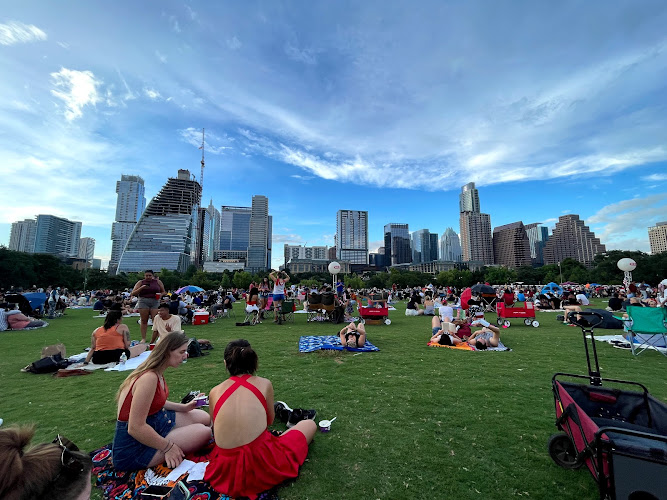
Auditorium Shores at Town Lake Metropolitan Park
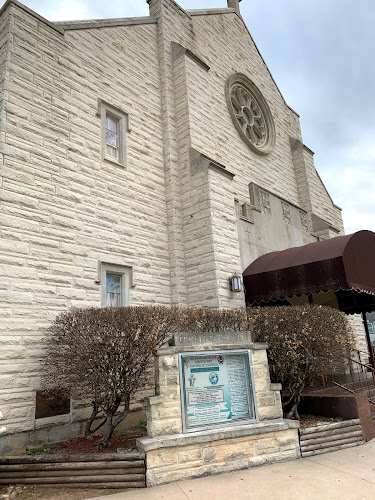
Cristo Rey Catholic Church
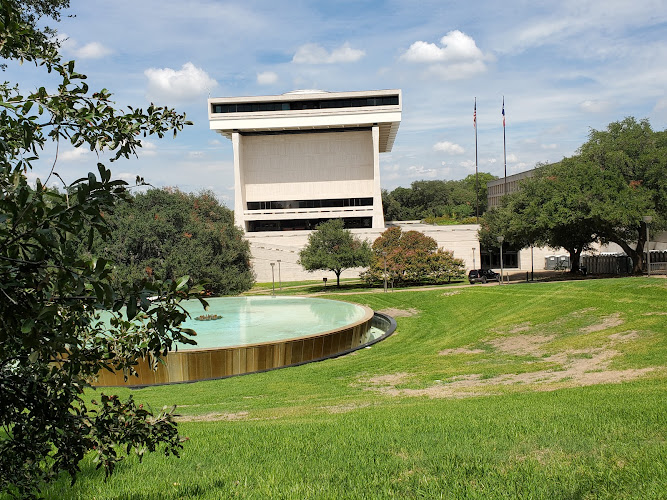
LBJ Presidential Library
Tours & Activities
GetYourGuide provides this tour inventory. We may earn a commission if you book through it; verify current availability, prices, and terms with the provider.
Visitor Reviews
There are no reviews yet. Be the first one to write one.
Share Your Experience
Have you visited Museum of the Weird? Help other travelers by leaving a review.