
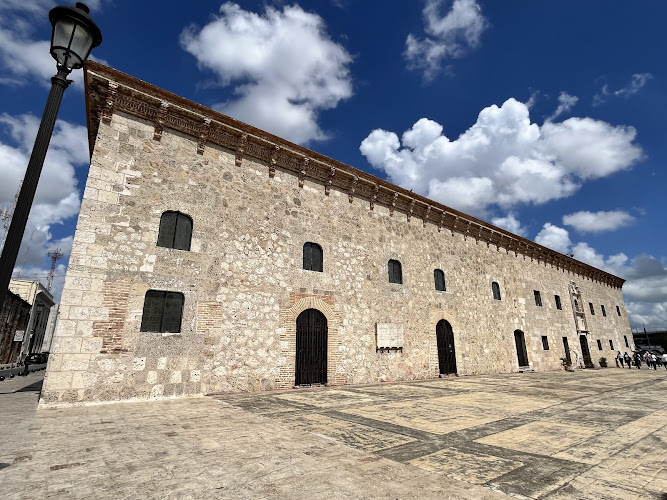
Museum of the Royal Houses
About Museum of the Royal Houses
Description
The Museum of the Royal Houses in Santo Domingo is one of those places where history doesn’t just sit behind glass—it feels alive, almost like the walls themselves are whispering stories. Built in the early 1500s, this complex once served as the administrative hub of Spain’s colonial rule in the Caribbean. Imagine walking through the same corridors where governors, judges, and royal officials once debated the future of the New World. It’s not just a museum; it’s a time capsule, and stepping inside feels like peeling back centuries in one go.
The museum is grand, yet approachable. Some visitors are blown away by the sheer depth of the exhibits, while others feel it’s more of a quiet, contemplative stop rather than a flashy attraction. And honestly, that’s part of its charm. It isn’t trying to dazzle with gimmicks. Instead, it offers a thoughtful look at the Dominican Republic’s colonial past, from 1492 through the early 19th century. You’ll find artifacts, maps, furniture, weapons, and even old cannons that once guarded the city. For me, the most moving part was standing in the audience hall, imagining the weight of decisions made there that shaped the entire region.
It’s a place that rewards curiosity. If you’re the type who likes to linger over details, you’ll appreciate the well-preserved rooms and the way the exhibits are laid out. Families often enjoy it too, since it’s calm enough for kids to wander without feeling overwhelmed. Just know that while the museum is accessible in some ways (like restrooms), the historic building itself has a few limitations for those with mobility challenges. Still, it’s one of the most authentic ways to connect with the story of Santo Domingo and the wider Caribbean.
Key Features
- Housed in two connected 16th-century buildings: the Palace of the Governors and the Royal Audience.
- Extensive exhibits covering the island’s history from 1492 to 1821.
- Displays include colonial maps, antique furniture, weaponry, and maritime artifacts.
- Original audience hall where colonial administration and justice were carried out.
- Spanish colonial cannons and architectural details preserved from the 1500s.
- Good for families and history enthusiasts seeking a deeper understanding of the Caribbean’s past.
- Wheelchair accessible restrooms, though parking accessibility is limited.
- Restrooms available on site, though no restaurant inside the museum.
Best Time to Visit
If you’re planning to explore the Museum of the Royal Houses, mornings are often the sweet spot. The air is cooler, the rooms are quieter, and you’ll have more space to wander at your own pace. Weekdays tend to be less busy compared to weekends, which can get a little crowded with tour groups. Personally, I love visiting in the late afternoon when the golden light spills through the windows—it adds a kind of cinematic glow to the old stone walls.
Weather-wise, Santo Domingo is hot year-round, but if you’re sensitive to heat, avoid the midday hours. The museum is indoors, but like many historic buildings, it doesn’t have the kind of modern climate control you might expect. If you’re in town during the cooler months (December through March), that’s an especially comfortable time to go. And here’s a little tip: combine your visit with a stroll down Calle Las Damas, the oldest paved street in the Americas, which runs right alongside the museum. It’s like getting two history lessons in one.
How to Get There
Reaching the Museum of the Royal Houses is straightforward if you’re already in Santo Domingo’s Colonial Zone. It’s located right in the heart of the district, so you can easily walk from most nearby hotels and landmarks. If you’re coming from outside the Colonial Zone, taxis and ride-hailing apps are reliable options, and they’ll drop you off close to the entrance.
For drivers, parking can be a mixed bag. There’s some free street parking nearby, but it fills up quickly, especially during peak hours. Paid parking lots and garages are available within walking distance, which is usually the less stressful choice. Public transportation is another option, though it can be a bit confusing if you’re not familiar with the routes. Honestly, if you’re staying nearby, walking is the most enjoyable way to arrive—you’ll pass by other historic buildings and get a feel for the rhythm of the Colonial Zone.
Tips for Visiting
First off, give yourself at least an hour, maybe two, to really take it all in. It’s not massive like some European museums, but there’s a lot of detail packed into its halls. If you rush, you’ll miss the little things—like the intricate woodwork or the faded maps that tell their own stories.
Bring a bottle of water, especially if you’re visiting during warmer months. While the museum itself is shaded, the Colonial Zone can get hot, and you’ll likely be walking around before or after your visit. Comfortable shoes are a must too—the cobblestone streets outside can be unforgiving if you’re in flimsy sandals.
Photography is usually allowed, but be respectful. Some rooms are dimly lit to preserve the artifacts, so don’t expect perfect lighting for your Instagram shots. And while most of the signage is in Spanish, even if you don’t speak the language, the visual storytelling is strong enough to still enjoy the experience. If you want a deeper dive, consider hiring a local guide—many are passionate storytellers who can bring the history to life in ways that a placard never could.
Lastly, I’d suggest pairing your visit with nearby attractions. The Alcázar de Colón and the Cathedral of Santa María la Menor are both within walking distance, and together they create a fuller picture of Santo Domingo’s colonial era. But don’t overload your day—part of the joy of the Museum of the Royal Houses is slowing down, wandering through centuries-old rooms, and letting your imagination do the rest.
Key Features
- Housed in two connected 16th-century buildings: the Palace of the Governors and the Royal Audience.
- Extensive exhibits covering the island’s history from 1492 to 1821.
- Displays include colonial maps, antique furniture, weaponry, and maritime artifacts.
- Original audience hall where colonial administration and justice were carried out.
- Spanish colonial cannons and architectural details preserved from the 1500s.
- Good for families and history enthusiasts seeking a deeper understanding of the Caribbean’s past.
- Wheelchair accessible restrooms, though parking accessibility is limited.
- Restrooms available on site, though no restaurant inside the museum.
More Details
Updated October 1, 2025
Table of Contents
Description
The Museum of the Royal Houses in Santo Domingo is one of those places where history doesn’t just sit behind glass—it feels alive, almost like the walls themselves are whispering stories. Built in the early 1500s, this complex once served as the administrative hub of Spain’s colonial rule in the Caribbean. Imagine walking through the same corridors where governors, judges, and royal officials once debated the future of the New World. It’s not just a museum; it’s a time capsule, and stepping inside feels like peeling back centuries in one go.
The museum is grand, yet approachable. Some visitors are blown away by the sheer depth of the exhibits, while others feel it’s more of a quiet, contemplative stop rather than a flashy attraction. And honestly, that’s part of its charm. It isn’t trying to dazzle with gimmicks. Instead, it offers a thoughtful look at the Dominican Republic’s colonial past, from 1492 through the early 19th century. You’ll find artifacts, maps, furniture, weapons, and even old cannons that once guarded the city. For me, the most moving part was standing in the audience hall, imagining the weight of decisions made there that shaped the entire region.
It’s a place that rewards curiosity. If you’re the type who likes to linger over details, you’ll appreciate the well-preserved rooms and the way the exhibits are laid out. Families often enjoy it too, since it’s calm enough for kids to wander without feeling overwhelmed. Just know that while the museum is accessible in some ways (like restrooms), the historic building itself has a few limitations for those with mobility challenges. Still, it’s one of the most authentic ways to connect with the story of Santo Domingo and the wider Caribbean.
Key Features
- Housed in two connected 16th-century buildings: the Palace of the Governors and the Royal Audience.
- Extensive exhibits covering the island’s history from 1492 to 1821.
- Displays include colonial maps, antique furniture, weaponry, and maritime artifacts.
- Original audience hall where colonial administration and justice were carried out.
- Spanish colonial cannons and architectural details preserved from the 1500s.
- Good for families and history enthusiasts seeking a deeper understanding of the Caribbean’s past.
- Wheelchair accessible restrooms, though parking accessibility is limited.
- Restrooms available on site, though no restaurant inside the museum.
Best Time to Visit
If you’re planning to explore the Museum of the Royal Houses, mornings are often the sweet spot. The air is cooler, the rooms are quieter, and you’ll have more space to wander at your own pace. Weekdays tend to be less busy compared to weekends, which can get a little crowded with tour groups. Personally, I love visiting in the late afternoon when the golden light spills through the windows—it adds a kind of cinematic glow to the old stone walls.
Weather-wise, Santo Domingo is hot year-round, but if you’re sensitive to heat, avoid the midday hours. The museum is indoors, but like many historic buildings, it doesn’t have the kind of modern climate control you might expect. If you’re in town during the cooler months (December through March), that’s an especially comfortable time to go. And here’s a little tip: combine your visit with a stroll down Calle Las Damas, the oldest paved street in the Americas, which runs right alongside the museum. It’s like getting two history lessons in one.
How to Get There
Reaching the Museum of the Royal Houses is straightforward if you’re already in Santo Domingo’s Colonial Zone. It’s located right in the heart of the district, so you can easily walk from most nearby hotels and landmarks. If you’re coming from outside the Colonial Zone, taxis and ride-hailing apps are reliable options, and they’ll drop you off close to the entrance.
For drivers, parking can be a mixed bag. There’s some free street parking nearby, but it fills up quickly, especially during peak hours. Paid parking lots and garages are available within walking distance, which is usually the less stressful choice. Public transportation is another option, though it can be a bit confusing if you’re not familiar with the routes. Honestly, if you’re staying nearby, walking is the most enjoyable way to arrive—you’ll pass by other historic buildings and get a feel for the rhythm of the Colonial Zone.
Tips for Visiting
First off, give yourself at least an hour, maybe two, to really take it all in. It’s not massive like some European museums, but there’s a lot of detail packed into its halls. If you rush, you’ll miss the little things—like the intricate woodwork or the faded maps that tell their own stories.
Bring a bottle of water, especially if you’re visiting during warmer months. While the museum itself is shaded, the Colonial Zone can get hot, and you’ll likely be walking around before or after your visit. Comfortable shoes are a must too—the cobblestone streets outside can be unforgiving if you’re in flimsy sandals.
Photography is usually allowed, but be respectful. Some rooms are dimly lit to preserve the artifacts, so don’t expect perfect lighting for your Instagram shots. And while most of the signage is in Spanish, even if you don’t speak the language, the visual storytelling is strong enough to still enjoy the experience. If you want a deeper dive, consider hiring a local guide—many are passionate storytellers who can bring the history to life in ways that a placard never could.
Lastly, I’d suggest pairing your visit with nearby attractions. The Alcázar de Colón and the Cathedral of Santa María la Menor are both within walking distance, and together they create a fuller picture of Santo Domingo’s colonial era. But don’t overload your day—part of the joy of the Museum of the Royal Houses is slowing down, wandering through centuries-old rooms, and letting your imagination do the rest.
Key Highlights
- Housed in two connected 16th-century buildings: the Palace of the Governors and the Royal Audience.
- Extensive exhibits covering the island’s history from 1492 to 1821.
- Displays include colonial maps, antique furniture, weaponry, and maritime artifacts.
- Original audience hall where colonial administration and justice were carried out.
- Spanish colonial cannons and architectural details preserved from the 1500s.
- Good for families and history enthusiasts seeking a deeper understanding of the Caribbean’s past.
- Wheelchair accessible restrooms, though parking accessibility is limited.
- Restrooms available on site, though no restaurant inside the museum.
Location
Places to Stay Near Museum of the Royal Houses
Find and Book a Tour
Explore More Travel Guides
No reviews found! Be the first to review!
Traveler Reviews for Museum of the Royal Houses
There are no reviews yet. Be the first one to write one.
Have you visited Museum of the Royal Houses? Help other travelers by sharing your review.
You Might Also Like
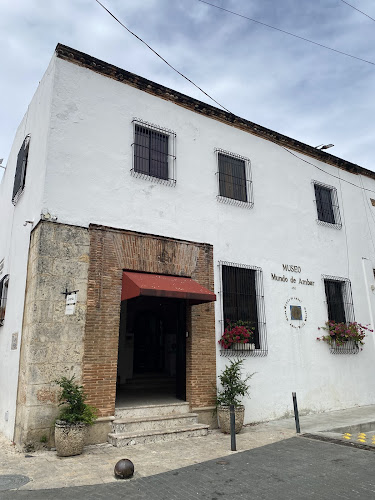
Amber World Museum
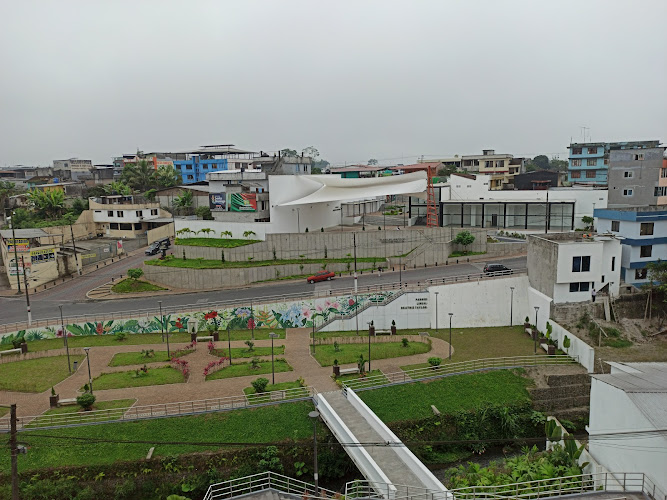
las lavandería Park

Museum Of Rum
Find Accommodations Nearby
Recommended Tours & Activities
Visitor Reviews
There are no reviews yet. Be the first one to write one.
Share Your Experience
Have you visited Museum of the Royal Houses? Help other travelers by leaving a review.