
Museum of the City of Lodz
About Museum of the City of Lodz
Description
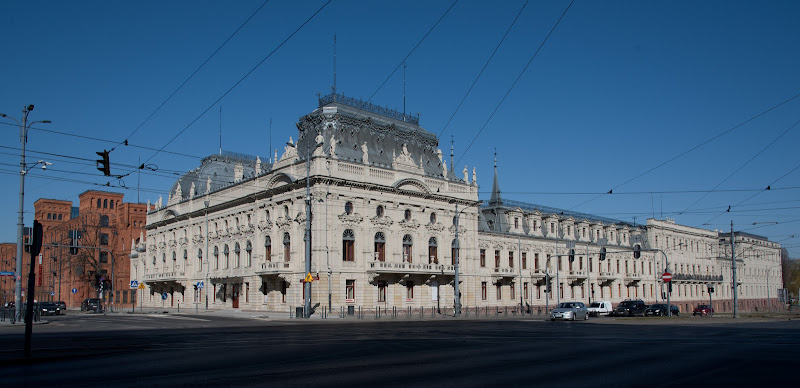
There’s something irresistibly grand about walking up the sweeping driveway of the Museum of the City of Lodz. Maybe it’s the ornate façade of the old Izrael Poznański Palace, shimmering with a kind of faded industrial glory. Or maybe it’s the sense that behind those tall doors lies the story of an entire city—its triumphs, struggles, and eccentric characters. Either way, stepping inside feels a bit like wandering into Lodz’s soul.
The museum sits inside what was once the residence of one of Lodz’s most powerful industrialists, Izrael Poznański. And honestly, it shows. The interiors are lavish—think marble staircases, gilded ceilings, chandeliers that look like they’ve seen a few too many grand dinners. Yet, beyond the opulence, the museum tells a deeply human story. It’s about workers and weavers, artists and innovators, the people who turned Lodz from a sleepy settlement into Poland’s industrial powerhouse. Each room feels like a time capsule, preserving the rhythm of a city that has reinvented itself more than once.
I remember my first visit here—it was a chilly autumn afternoon, and the smell of rain clung to my coat. I wandered through the Artur Rubinstein Room (dedicated to the world-famous pianist born in Lodz), and for a moment, I swear I could hear the faint echo of piano keys. That’s what this museum does so well—it makes history feel alive, not just displayed behind glass.
While most visitors gush about the palace’s grandeur, what really stands out is how personal the exhibits feel. You’ll find portraits of Lodz’s multicultural past—Polish, Jewish, German, and Russian influences all woven together like threads in a tapestry. The museum doesn’t shy away from the city’s darker chapters either, including the years of war and hardship. It’s honest, layered, and surprisingly emotional. And that’s why people keep coming back—it’s not just a museum; it’s a living memory of Lodz itself.
Key Features
- Historic Setting: Housed in the 19th-century Poznański Palace, one of the most stunning architectural landmarks in Lodz.
- Artur Rubinstein Gallery: Celebrates the life and achievements of the legendary pianist with personal memorabilia and recordings.
- Multicultural Exhibits: Showcases the diverse cultural fabric of Lodz through artifacts, photographs, and personal stories.
- Decorative Interiors: Lavish rooms with original furnishings, intricate woodwork, and ornate ceilings that capture the city’s industrial-era wealth.
- Temporary Exhibitions: Rotating displays on modern art, local photography, and social history keep the experience fresh for repeat visitors.
- Accessibility: Fully wheelchair-accessible with accessible restrooms and wide corridors for easy navigation.
- Family-Friendly: Engaging displays and interactive sections make it a great spot for kids to learn about history in a hands-on way.
- Free Entry Days: On certain weekdays, entry to permanent exhibitions is free—a nice bonus for budget-conscious travelers.
- Wi-Fi Access: Free Wi-Fi available throughout the museum, perfect for sharing your experience in real-time.
Best Time to Visit
If you ask me, the best time to visit the Museum of the City of Lodz is in the late spring or early autumn. That’s when the weather is kind enough for long walks around the city, and the crowds haven’t quite hit their peak. The palace gardens look especially photogenic when the light hits the stone façade just before sunset—it’s one of those moments you’ll want to capture, even if you’re not much of a photographer.
Weekdays, especially mid-mornings, are perfect if you prefer a quieter experience. You can take your time admiring the details without feeling rushed. Fridays and weekends tend to get busier, but there’s a certain charm to the buzz of families and travelers exploring together. And if you happen to be in Lodz during one of the city’s cultural festivals, the museum often hosts special events that tie into the celebrations—it’s worth checking the schedule in advance.
How to Get There
Reaching the museum is quite straightforward, no matter where you’re coming from within Lodz. The location is central enough that you can easily walk there from the main shopping streets or hop on one of the city’s trams. Public transportation in Lodz is reliable and inexpensive, and several tram and bus lines stop nearby. If you’re driving, there’s parking available in the surrounding area, though it can fill up quickly on weekends.
For those staying in the city center, I’d actually recommend walking. The route takes you past some of Lodz’s most interesting architecture—old factories turned into lofts, quirky cafés, and colorful murals that give the city its unique creative vibe. It’s part of the experience, really. You arrive at the museum already immersed in the story of Lodz before you even step inside.
Tips for Visiting
Here’s where a few insider tips can make your visit smoother—and more memorable. First off, give yourself at least two hours. The museum isn’t massive, but there’s a lot to take in, and you’ll want time to linger in certain rooms. The palace interiors alone deserve a slow walk-through. If you’re into photography, bring your camera (or at least your phone fully charged). The light filtering through the stained glass and the ornate hallways make for some truly stunning shots.
Don’t skip the Artur Rubinstein exhibition, even if you’re not a classical music buff. It’s surprisingly moving, and you’ll probably leave with a newfound respect for the man. Also, check out the museum’s temporary exhibits—they often feature local artists or historical themes that give you a deeper sense of Lodz’s character. I once stumbled upon a small photography exhibition about post-industrial neighborhoods—it was raw, beautiful, and totally unexpected.
There’s no restaurant inside the museum, so it’s smart to grab a bite beforehand or plan to eat afterward. Luckily, the surrounding area is packed with great options—everything from cozy Polish bistros to modern cafés. I usually stop by a nearby spot for pierogi and coffee afterward; it’s a nice way to reflect on everything you’ve just seen.
Families will find the museum quite accommodating. It’s stroller-friendly, and the exhibits have enough visual appeal to keep younger visitors interested. Plus, the staff are friendly and helpful if you need anything. And yes, there’s free Wi-Fi—handy if you want to look up more about what you’re seeing or share your visit on social media.
One last thing—take a moment to stand outside the palace before you leave. Look up at its ornate façade, the detailed carvings, the sheer scale of it all. It’s a reminder of how far Lodz has come—from a booming industrial center to a city that now celebrates its creative and cultural spirit. The Museum of the City of Lodz captures that transformation beautifully, and you’ll walk away not just with facts and photos, but with a genuine sense of connection to the city itself.
So, whether you’re a history enthusiast, an architecture lover, or just someone curious about the stories that shape a place, this museum is absolutely worth your time. It’s one of those rare spots that manages to be both grand and intimate, historical and deeply personal. And honestly, that’s what makes it unforgettable.
Key Features
- Key Features
- Best Time to Visit
- How to Get There
- Tips for Visiting
More Details
Updated November 7, 2025
Table of Contents
Description
There’s something irresistibly grand about walking up the sweeping driveway of the Museum of the City of Lodz. Maybe it’s the ornate façade of the old Izrael Poznański Palace, shimmering with a kind of faded industrial glory. Or maybe it’s the sense that behind those tall doors lies the story of an entire city—its triumphs, struggles, and eccentric characters. Either way, stepping inside feels a bit like wandering into Lodz’s soul.
The museum sits inside what was once the residence of one of Lodz’s most powerful industrialists, Izrael Poznański. And honestly, it shows. The interiors are lavish—think marble staircases, gilded ceilings, chandeliers that look like they’ve seen a few too many grand dinners. Yet, beyond the opulence, the museum tells a deeply human story. It’s about workers and weavers, artists and innovators, the people who turned Lodz from a sleepy settlement into Poland’s industrial powerhouse. Each room feels like a time capsule, preserving the rhythm of a city that has reinvented itself more than once.
I remember my first visit here—it was a chilly autumn afternoon, and the smell of rain clung to my coat. I wandered through the Artur Rubinstein Room (dedicated to the world-famous pianist born in Lodz), and for a moment, I swear I could hear the faint echo of piano keys. That’s what this museum does so well—it makes history feel alive, not just displayed behind glass.
While most visitors gush about the palace’s grandeur, what really stands out is how personal the exhibits feel. You’ll find portraits of Lodz’s multicultural past—Polish, Jewish, German, and Russian influences all woven together like threads in a tapestry. The museum doesn’t shy away from the city’s darker chapters either, including the years of war and hardship. It’s honest, layered, and surprisingly emotional. And that’s why people keep coming back—it’s not just a museum; it’s a living memory of Lodz itself.
Key Features
- Historic Setting: Housed in the 19th-century Poznański Palace, one of the most stunning architectural landmarks in Lodz.
- Artur Rubinstein Gallery: Celebrates the life and achievements of the legendary pianist with personal memorabilia and recordings.
- Multicultural Exhibits: Showcases the diverse cultural fabric of Lodz through artifacts, photographs, and personal stories.
- Decorative Interiors: Lavish rooms with original furnishings, intricate woodwork, and ornate ceilings that capture the city’s industrial-era wealth.
- Temporary Exhibitions: Rotating displays on modern art, local photography, and social history keep the experience fresh for repeat visitors.
- Accessibility: Fully wheelchair-accessible with accessible restrooms and wide corridors for easy navigation.
- Family-Friendly: Engaging displays and interactive sections make it a great spot for kids to learn about history in a hands-on way.
- Free Entry Days: On certain weekdays, entry to permanent exhibitions is free—a nice bonus for budget-conscious travelers.
- Wi-Fi Access: Free Wi-Fi available throughout the museum, perfect for sharing your experience in real-time.
Best Time to Visit
If you ask me, the best time to visit the Museum of the City of Lodz is in the late spring or early autumn. That’s when the weather is kind enough for long walks around the city, and the crowds haven’t quite hit their peak. The palace gardens look especially photogenic when the light hits the stone façade just before sunset—it’s one of those moments you’ll want to capture, even if you’re not much of a photographer.
Weekdays, especially mid-mornings, are perfect if you prefer a quieter experience. You can take your time admiring the details without feeling rushed. Fridays and weekends tend to get busier, but there’s a certain charm to the buzz of families and travelers exploring together. And if you happen to be in Lodz during one of the city’s cultural festivals, the museum often hosts special events that tie into the celebrations—it’s worth checking the schedule in advance.
How to Get There
Reaching the museum is quite straightforward, no matter where you’re coming from within Lodz. The location is central enough that you can easily walk there from the main shopping streets or hop on one of the city’s trams. Public transportation in Lodz is reliable and inexpensive, and several tram and bus lines stop nearby. If you’re driving, there’s parking available in the surrounding area, though it can fill up quickly on weekends.
For those staying in the city center, I’d actually recommend walking. The route takes you past some of Lodz’s most interesting architecture—old factories turned into lofts, quirky cafés, and colorful murals that give the city its unique creative vibe. It’s part of the experience, really. You arrive at the museum already immersed in the story of Lodz before you even step inside.
Tips for Visiting
Here’s where a few insider tips can make your visit smoother—and more memorable. First off, give yourself at least two hours. The museum isn’t massive, but there’s a lot to take in, and you’ll want time to linger in certain rooms. The palace interiors alone deserve a slow walk-through. If you’re into photography, bring your camera (or at least your phone fully charged). The light filtering through the stained glass and the ornate hallways make for some truly stunning shots.
Don’t skip the Artur Rubinstein exhibition, even if you’re not a classical music buff. It’s surprisingly moving, and you’ll probably leave with a newfound respect for the man. Also, check out the museum’s temporary exhibits—they often feature local artists or historical themes that give you a deeper sense of Lodz’s character. I once stumbled upon a small photography exhibition about post-industrial neighborhoods—it was raw, beautiful, and totally unexpected.
There’s no restaurant inside the museum, so it’s smart to grab a bite beforehand or plan to eat afterward. Luckily, the surrounding area is packed with great options—everything from cozy Polish bistros to modern cafés. I usually stop by a nearby spot for pierogi and coffee afterward; it’s a nice way to reflect on everything you’ve just seen.
Families will find the museum quite accommodating. It’s stroller-friendly, and the exhibits have enough visual appeal to keep younger visitors interested. Plus, the staff are friendly and helpful if you need anything. And yes, there’s free Wi-Fi—handy if you want to look up more about what you’re seeing or share your visit on social media.
One last thing—take a moment to stand outside the palace before you leave. Look up at its ornate façade, the detailed carvings, the sheer scale of it all. It’s a reminder of how far Lodz has come—from a booming industrial center to a city that now celebrates its creative and cultural spirit. The Museum of the City of Lodz captures that transformation beautifully, and you’ll walk away not just with facts and photos, but with a genuine sense of connection to the city itself.
So, whether you’re a history enthusiast, an architecture lover, or just someone curious about the stories that shape a place, this museum is absolutely worth your time. It’s one of those rare spots that manages to be both grand and intimate, historical and deeply personal. And honestly, that’s what makes it unforgettable.
Key Highlights
- Key Features
- Best Time to Visit
- How to Get There
- Tips for Visiting
Location
Places to Stay Near Museum of the City of Lodz
Find and Book a Tour
Explore More Travel Guides
No reviews found! Be the first to review!
Traveler Reviews for Museum of the City of Lodz
There are no reviews yet. Be the first one to write one.
Have you visited Museum of the City of Lodz? Help other travelers by sharing your review.
You Might Also Like
The Rose Passage
Księży Młyn
MS2 Art Museum
Find Accommodations Nearby
Recommended Tours & Activities
Visitor Reviews
There are no reviews yet. Be the first one to write one.
Share Your Experience
Have you visited Museum of the City of Lodz? Help other travelers by leaving a review.