
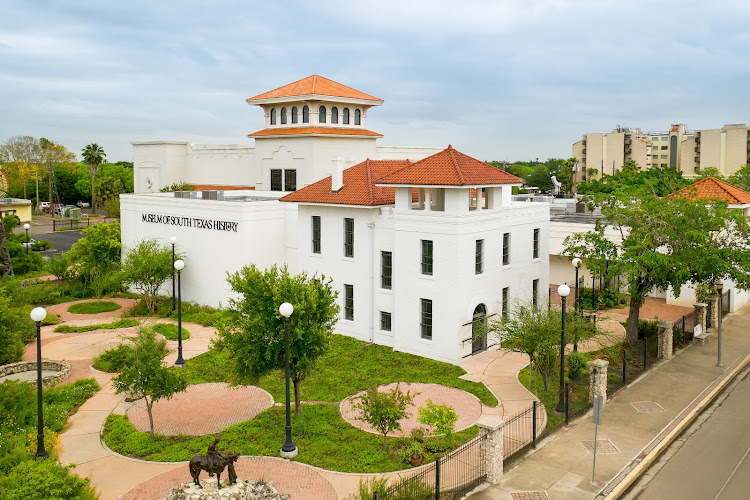
Museum of South Texas History
About Museum of South Texas History
Description
The Museum of South Texas History is one of those places that quietly sneaks up on you. You walk in thinking you’ll spend an hour, maybe two, and next thing you know you’re checking your phone and wondering where the afternoon went. That’s because this museum doesn’t rush its stories, and it doesn’t expect you to either. It stretches out across a spacious, landmark building and focuses on the Rio Grande Valley and the surrounding South Texas region, which, frankly, has a history way more layered than many travelers realize.
This is not a museum that just lines up dusty artifacts with tiny labels. It tells a long, sometimes complicated story about Indigenous cultures, Spanish colonization, ranching empires, border life, agriculture, immigration, and the everyday people who shaped the Valley. And yes, some of it gets heavy, but that’s part of the honesty here. I appreciate that. History should make you pause a bit.
I remember my first visit thinking it would be all about old maps and dates. But then I found myself lingering at recreated rooms, staring at clothing worn generations ago, and watching families around me explain things to their kids in hushed voices. There’s a calm, almost reflective mood inside, especially during the quieter weekday hours. And yet it never feels boring. It feels grounded, like the place knows exactly what it wants to say.
Travelers often overlook regional history museums, chasing bigger-name attractions instead. But skipping this one would be a mistake. The Museum of South Texas History gives context to everything you see once you step back outside, from the ranch lands to the border culture to the food on your plate that night. And once you’ve been, the Valley makes more sense. At least it did for me.
Key Features
- Extensive permanent exhibits covering Indigenous peoples, Spanish and Mexican influence, early settlers, and modern South Texas life
- Large, open galleries that never feel cramped, even when families and school groups are around
- Detailed dioramas and recreated historical spaces that help stories feel tangible
- Onsite theater showing short films and documentaries related to regional history
- Guided tours available for visitors who want deeper explanations and insider context
- Well-stocked gift shop with books, local items, and educational souvenirs that don’t feel gimmicky
- Wheelchair-accessible entrance, parking, and restrooms throughout the museum
- Free parking, which sounds small but feels like a gift when you’re road-tripping
- Family-friendly layout with exhibits that actually hold kids’ attention (no small miracle)
- Reliable Wi‑Fi for travelers who need to check plans or look things up on the go
Best Time to Visit
South Texas weather is no joke, so timing your visit matters. The most comfortable months are typically late fall through early spring, roughly November to March. During that stretch, the temperatures are kinder, and you won’t feel drained before you even walk through the doors. Winter afternoons here are especially pleasant, and the museum becomes a nice, cool refuge without blasting you with Arctic air-conditioning.
Weekdays tend to be quieter, especially mid-morning. If you’re like me and enjoy reading every panel without feeling rushed, that’s your sweet spot. Weekends are busier, with families and local visitors, but the museum handles crowds fairly well because of its size. It never feels chaotic, just lively.
Summer visits are still doable, especially if you’re already in the area. In fact, the museum can be a sanity-saver when the heat outside gets intense. Just be prepared for a bit more foot traffic, since locals often bring kids here during school breaks. And honestly, seeing children engaged with history is kind of refreshing, even if it means waiting an extra minute for an exhibit.
How to Get There
The Museum of South Texas History is easy to reach if you’re already traveling through the Rio Grande Valley. Most visitors arrive by car, and that’s usually the most practical option. Major highways and well-marked local roads guide you into the city, and from there the museum is clearly signposted. I’ve driven in from different directions over the years, and I’ve never felt lost or frustrated trying to find it.
If you’re staying nearby, rideshare services and taxis are an option, though having your own vehicle gives you more flexibility to explore the area afterward. And since the museum offers a free parking lot, there’s no stress about meters or time limits. You just park, take a breath, and head inside.
For travelers combining this visit with other South Texas attractions, the museum fits neatly into a day of exploring. It’s close enough to restaurants, parks, and other points of interest that you won’t feel stranded or stuck in one spot. That convenience matters more than people admit.
Tips for Visiting
First tip, and I say this from experience: give yourself more time than you think you’ll need. Two hours is a minimum if you want to do more than skim. Three hours feels right if you enjoy slowing down, watching a film, and poking around the gift shop. I once tried to rush through before dinner plans and regretted it immediately.
Take advantage of the guided tours if they’re available during your visit. The guides know the exhibits inside out and often share stories that aren’t written on the walls. Little details, family histories, or regional quirks that make the past feel personal. And if you’re traveling with kids, tours help keep them engaged without you having to play tour guide yourself.
Wear comfortable shoes. This sounds obvious, but the museum is large, and you’ll be on your feet more than you expect. There are places to sit, yes, but you’ll want to wander. And wander you will.
Photography policies can vary by exhibit, so pay attention to signage. Some areas welcome photos, others ask you to refrain. I usually take a few shots of general spaces and then put my phone away. Being present feels better here.
If you’re visiting with children, don’t worry about them getting bored. The museum does a solid job balancing educational depth with visual interest. Still, it helps to talk with them about what they’re seeing. Ask questions, let them lead sometimes. It turns the visit into a shared experience instead of a lecture.
There’s no restaurant onsite, so plan meals before or after your visit. That said, restrooms are clean and easy to find, and Wi‑Fi is available if you need to check nearby dining options. I’ve done exactly that, standing near a bench, plotting my next taco stop.
Finally, go in with an open mind. South Texas history isn’t always neat or comfortable, and the museum doesn’t pretend it is. That honesty is part of its strength. You’ll leave knowing more than you did when you arrived, and maybe thinking a bit differently too. For a traveler, that’s kind of the whole point, right?
Key Features
- Extensive permanent exhibits covering Indigenous peoples, Spanish and Mexican influence, early settlers, and modern South Texas life
- Large, open galleries that never feel cramped, even when families and school groups are around
- Detailed dioramas and recreated historical spaces that help stories feel tangible
- Onsite theater showing short films and documentaries related to regional history
- Guided tours available for visitors who want deeper explanations and insider context
- Well-stocked gift shop with books, local items, and educational souvenirs that don’t feel gimmicky
- Wheelchair-accessible entrance, parking, and restrooms throughout the museum
- Free parking, which sounds small but feels like a gift when you’re road-tripping
More Details
Updated January 1, 2026
Table of Contents
Description
The Museum of South Texas History is one of those places that quietly sneaks up on you. You walk in thinking you’ll spend an hour, maybe two, and next thing you know you’re checking your phone and wondering where the afternoon went. That’s because this museum doesn’t rush its stories, and it doesn’t expect you to either. It stretches out across a spacious, landmark building and focuses on the Rio Grande Valley and the surrounding South Texas region, which, frankly, has a history way more layered than many travelers realize.
This is not a museum that just lines up dusty artifacts with tiny labels. It tells a long, sometimes complicated story about Indigenous cultures, Spanish colonization, ranching empires, border life, agriculture, immigration, and the everyday people who shaped the Valley. And yes, some of it gets heavy, but that’s part of the honesty here. I appreciate that. History should make you pause a bit.
I remember my first visit thinking it would be all about old maps and dates. But then I found myself lingering at recreated rooms, staring at clothing worn generations ago, and watching families around me explain things to their kids in hushed voices. There’s a calm, almost reflective mood inside, especially during the quieter weekday hours. And yet it never feels boring. It feels grounded, like the place knows exactly what it wants to say.
Travelers often overlook regional history museums, chasing bigger-name attractions instead. But skipping this one would be a mistake. The Museum of South Texas History gives context to everything you see once you step back outside, from the ranch lands to the border culture to the food on your plate that night. And once you’ve been, the Valley makes more sense. At least it did for me.
Key Features
- Extensive permanent exhibits covering Indigenous peoples, Spanish and Mexican influence, early settlers, and modern South Texas life
- Large, open galleries that never feel cramped, even when families and school groups are around
- Detailed dioramas and recreated historical spaces that help stories feel tangible
- Onsite theater showing short films and documentaries related to regional history
- Guided tours available for visitors who want deeper explanations and insider context
- Well-stocked gift shop with books, local items, and educational souvenirs that don’t feel gimmicky
- Wheelchair-accessible entrance, parking, and restrooms throughout the museum
- Free parking, which sounds small but feels like a gift when you’re road-tripping
- Family-friendly layout with exhibits that actually hold kids’ attention (no small miracle)
- Reliable Wi‑Fi for travelers who need to check plans or look things up on the go
Best Time to Visit
South Texas weather is no joke, so timing your visit matters. The most comfortable months are typically late fall through early spring, roughly November to March. During that stretch, the temperatures are kinder, and you won’t feel drained before you even walk through the doors. Winter afternoons here are especially pleasant, and the museum becomes a nice, cool refuge without blasting you with Arctic air-conditioning.
Weekdays tend to be quieter, especially mid-morning. If you’re like me and enjoy reading every panel without feeling rushed, that’s your sweet spot. Weekends are busier, with families and local visitors, but the museum handles crowds fairly well because of its size. It never feels chaotic, just lively.
Summer visits are still doable, especially if you’re already in the area. In fact, the museum can be a sanity-saver when the heat outside gets intense. Just be prepared for a bit more foot traffic, since locals often bring kids here during school breaks. And honestly, seeing children engaged with history is kind of refreshing, even if it means waiting an extra minute for an exhibit.
How to Get There
The Museum of South Texas History is easy to reach if you’re already traveling through the Rio Grande Valley. Most visitors arrive by car, and that’s usually the most practical option. Major highways and well-marked local roads guide you into the city, and from there the museum is clearly signposted. I’ve driven in from different directions over the years, and I’ve never felt lost or frustrated trying to find it.
If you’re staying nearby, rideshare services and taxis are an option, though having your own vehicle gives you more flexibility to explore the area afterward. And since the museum offers a free parking lot, there’s no stress about meters or time limits. You just park, take a breath, and head inside.
For travelers combining this visit with other South Texas attractions, the museum fits neatly into a day of exploring. It’s close enough to restaurants, parks, and other points of interest that you won’t feel stranded or stuck in one spot. That convenience matters more than people admit.
Tips for Visiting
First tip, and I say this from experience: give yourself more time than you think you’ll need. Two hours is a minimum if you want to do more than skim. Three hours feels right if you enjoy slowing down, watching a film, and poking around the gift shop. I once tried to rush through before dinner plans and regretted it immediately.
Take advantage of the guided tours if they’re available during your visit. The guides know the exhibits inside out and often share stories that aren’t written on the walls. Little details, family histories, or regional quirks that make the past feel personal. And if you’re traveling with kids, tours help keep them engaged without you having to play tour guide yourself.
Wear comfortable shoes. This sounds obvious, but the museum is large, and you’ll be on your feet more than you expect. There are places to sit, yes, but you’ll want to wander. And wander you will.
Photography policies can vary by exhibit, so pay attention to signage. Some areas welcome photos, others ask you to refrain. I usually take a few shots of general spaces and then put my phone away. Being present feels better here.
If you’re visiting with children, don’t worry about them getting bored. The museum does a solid job balancing educational depth with visual interest. Still, it helps to talk with them about what they’re seeing. Ask questions, let them lead sometimes. It turns the visit into a shared experience instead of a lecture.
There’s no restaurant onsite, so plan meals before or after your visit. That said, restrooms are clean and easy to find, and Wi‑Fi is available if you need to check nearby dining options. I’ve done exactly that, standing near a bench, plotting my next taco stop.
Finally, go in with an open mind. South Texas history isn’t always neat or comfortable, and the museum doesn’t pretend it is. That honesty is part of its strength. You’ll leave knowing more than you did when you arrived, and maybe thinking a bit differently too. For a traveler, that’s kind of the whole point, right?
Key Highlights
- Extensive permanent exhibits covering Indigenous peoples, Spanish and Mexican influence, early settlers, and modern South Texas life
- Large, open galleries that never feel cramped, even when families and school groups are around
- Detailed dioramas and recreated historical spaces that help stories feel tangible
- Onsite theater showing short films and documentaries related to regional history
- Guided tours available for visitors who want deeper explanations and insider context
- Well-stocked gift shop with books, local items, and educational souvenirs that don’t feel gimmicky
- Wheelchair-accessible entrance, parking, and restrooms throughout the museum
- Free parking, which sounds small but feels like a gift when you’re road-tripping
Location
Places to Stay Near Museum of South Texas History
Find and Book a Tour
Explore More Travel Guides
No reviews found! Be the first to review!
Traveler Reviews for Museum of South Texas History
There are no reviews yet. Be the first one to write one.
Have you visited Museum of South Texas History? Help other travelers by sharing your review.
You Might Also Like

Dustin Michael Sekula Memorial Library
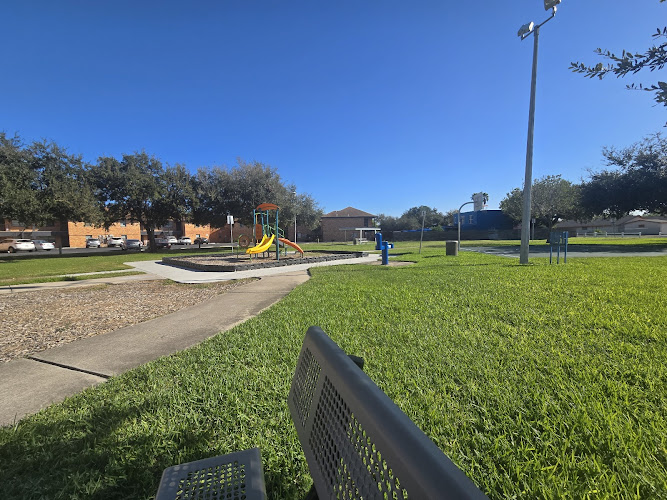
Citrus Park
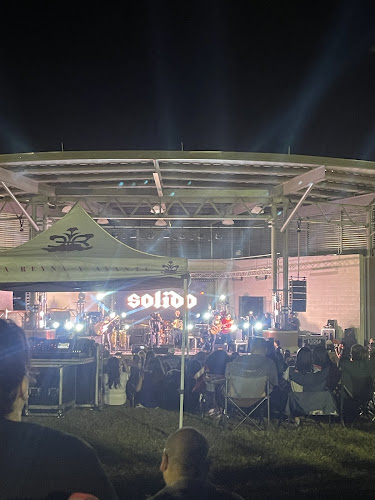
Promenade Park Amphitheater & Water Gardens
Find Accommodations Nearby
Recommended Tours & Activities
Visitor Reviews
There are no reviews yet. Be the first one to write one.
Share Your Experience
Have you visited Museum of South Texas History? Help other travelers by leaving a review.