

Museum of Podlasie in Bialystok
About Museum of Podlasie in Bialystok
Description
The Museum of Podlasie in Bialystok occupies a compact, quietly proud space in the heart of the city, housed in a former town hall that still wears its civic bones. It focuses on regional history and local art, and that combination gives visitors a very clear picture of life in Podlasie across the centuries — from folk craft and domestic objects to paintings that chart local tastes and national currents. The presentation is modest, not a blockbuster spectacle, but that is part of its charm: one can linger, read labels, and actually hear oneself think. Travelers who like museums that reward curiosity rather than dazzle with scale will feel right at home.
The building itself is worth a paragraph because it matters. It is a historic municipal hall — not an anonymous gallery block — and traces of the original layout remain. High ceilings in some rooms, intimate nooks in others, and the echo of courtroom-turned-exhibition-space all add personality. And yes, the museum sometimes surprises with a view: windows overlooking the city square and the rhythms of daily life, which is a neat counterpoint to exhibits about the past. The architecture is not ornate in the way of grand palaces, but it carries a sense of continuity; the place was for people, then and now.
Inside, the permanent collection emphasizes paintings and visual art that interpret the region. Expect portraits, landscapes, and scenes of ordinary life rendered by local and Polish artists. Many works date from the 18th to the early 20th century, but the curators mix in contemporary voices so the narrative of Podlasie does not stop in a dusty past. Folk objects — textiles, carved wood, ritual items — sit alongside canvases, giving cultural context: how people lived, what mattered, and how artistic expression responded to that world. For travelers who like to connect art with place, this interweaving is valuable: a painted farmer in a landscape is more telling when the wardrobe and tools shown in adjacent ethnographic displays are authentic.
The museum keeps a somewhat intimate scale of exhibits, which means a single visit rarely overwhelms. Most visitors can see the main galleries in an hour or two and still have time left for coffee nearby or a stroll through the surrounding streets. That compactness is practical — not every traveler wants to devote an entire afternoon to one museum. But it is also thoughtful: the curators have chosen to present highlights and to contextualize artifacts rather than to bury them in endless rooms. The result is a tidy, well-paced experience; one that feels curated for discovery rather than consumption.
Accessibility and visitor comfort are realistic and user-friendly in pragmatic ways. The museum offers a wheelchair-accessible entrance and seating, which matters for many travelers and families. There is Wi-Fi for those who want to check exhibit details or post a quick photo, and restrooms are available inside. There is no on-site restaurant, so plan ahead if hunger is imminent; however the surrounding area has cafés and bakeries often favored by locals, and that can lead to pleasant finds. Paid street parking is the norm near the museum; so drivers should budget a little time to find a spot. Families with children are welcomed — exhibits include approachable content and occasional interactive elements geared toward younger visitors, making the museum a good stop for mixed-age groups.
What the visitor will not always find is a glossy, tourist-targeted presentation. There is minimal gimmickry — no loud multimedia shows by default — and that can feel both refreshing and slightly old-fashioned. But the museum compensates by offering thoughtful didactics and friendly staff who are willing to answer questions. The exhibition texts often include bilingual labels; still, those who do not speak Polish might want to pick up an audio guide or a printed leaflet when available to deepen the experience. The museum rotates temporary exhibitions with themes that range from regional artists to focused studies on particular historical moments, so repeat visitors or longer stays in Bialystok can uncover new reasons to return.
For travelers aiming to understand Podlasie beyond the usual postcards, this museum is one of those small, pivotal stops that clarifies a lot. It connects the dots between landscape, folk traditions, and urban life. There is a local sensibility to the displays: small miracles of everyday creativity, practical objects that double as art, and paintings that refuse to be merely decorative. The curatorial approach privileges stories: the life of a village, the migration of motifs across borders, the shifting identity of a city that sits near different cultural frontiers. In short, the museum tells the region's story in human-scale terms.
The atmosphere is — forgive the slight hedging — quietly serious but not forbidding. Visitors often report that staff are approachable, willing to explain exhibits or recommend a related walk around the square. The museum’s compactness makes it great for combination visits: one can pair it with a coffee break, a visit to nearby gardens, or a walking route that explores churches and street markets. That practical itinerary planning makes it a favorite among travelers who prefer to stitch together experiences rather than spend all day in single institutions.
Practical notes that travel-savvy people care about: expect a balance of old and new in the displays, seasonal temporary exhibitions that may highlight contemporary Podlasie artists, and a family-friendly orientation. The museum is particularly valuable for those who enjoy regional museums because it goes beyond the big national narrative and reveals how local communities lived and imagined themselves. It also serves as a gentle introduction to Polish painting traditions if one approaches from that angle; the works are representative without being encyclopedic.
Visitors with a bit of curiosity will find unexpected pleasures. Among the less obvious highlights are small thematic rooms devoted to specific trades or rituals, where textiles, tools, and photographs form a miniature social history. These pockets of intimacy often spark the best questions: why a particular pattern recurs in local embroidery, how migration altered decorative styles, or how historical events shaped everyday life. A guidebook or a knowledgeable staff member can help unpack these threads, and the more one asks, the richer the visit becomes.
The museum’s modest scale also opens opportunities for reflection. There is space to sit with a painting, to notice brushwork, or to compare a photograph with a painted scene nearby. People who travel rapidly sometimes miss this pause. The Museum of Podlasie rewards slowing down. That said, it is not a snooze: exhibitions are curated to maintain interest and often include surprising juxtapositions that reframe familiar themes. For instance, a contemporary installation might be placed near a traditional artifact to show lineage rather than rupture — small curatorial moves that will please someone who loves connections.
Finally, the Museum of Podlasie is a practical stop for travelers who want to anchor their visit to Bialystok with cultural meaning. It occupies a useful place on the city map: close enough to central squares and gardens to be convenient, but intimate enough to feel like a local secret once one has been. If a traveler wants to come away with a clearer sense of Podlasie — its art, its people, its rhythms — this museum delivers. It does not promise grandeur, but it does promise a thoughtful, human-scale encounter with the region's cultural life. And honestly, that can be a much better souvenir than a glossy postcard.
Key Features
More Details
Updated August 29, 2025
Table of Contents
Description
The Museum of Podlasie in Bialystok occupies a compact, quietly proud space in the heart of the city, housed in a former town hall that still wears its civic bones. It focuses on regional history and local art, and that combination gives visitors a very clear picture of life in Podlasie across the centuries — from folk craft and domestic objects to paintings that chart local tastes and national currents. The presentation is modest, not a blockbuster spectacle, but that is part of its charm: one can linger, read labels, and actually hear oneself think. Travelers who like museums that reward curiosity rather than dazzle with scale will feel right at home.
The building itself is worth a paragraph because it matters. It is a historic municipal hall — not an anonymous gallery block — and traces of the original layout remain. High ceilings in some rooms, intimate nooks in others, and the echo of courtroom-turned-exhibition-space all add personality. And yes, the museum sometimes surprises with a view: windows overlooking the city square and the rhythms of daily life, which is a neat counterpoint to exhibits about the past. The architecture is not ornate in the way of grand palaces, but it carries a sense of continuity; the place was for people, then and now.
Inside, the permanent collection emphasizes paintings and visual art that interpret the region. Expect portraits, landscapes, and scenes of ordinary life rendered by local and Polish artists. Many works date from the 18th to the early 20th century, but the curators mix in contemporary voices so the narrative of Podlasie does not stop in a dusty past. Folk objects — textiles, carved wood, ritual items — sit alongside canvases, giving cultural context: how people lived, what mattered, and how artistic expression responded to that world. For travelers who like to connect art with place, this interweaving is valuable: a painted farmer in a landscape is more telling when the wardrobe and tools shown in adjacent ethnographic displays are authentic.
The museum keeps a somewhat intimate scale of exhibits, which means a single visit rarely overwhelms. Most visitors can see the main galleries in an hour or two and still have time left for coffee nearby or a stroll through the surrounding streets. That compactness is practical — not every traveler wants to devote an entire afternoon to one museum. But it is also thoughtful: the curators have chosen to present highlights and to contextualize artifacts rather than to bury them in endless rooms. The result is a tidy, well-paced experience; one that feels curated for discovery rather than consumption.
Accessibility and visitor comfort are realistic and user-friendly in pragmatic ways. The museum offers a wheelchair-accessible entrance and seating, which matters for many travelers and families. There is Wi-Fi for those who want to check exhibit details or post a quick photo, and restrooms are available inside. There is no on-site restaurant, so plan ahead if hunger is imminent; however the surrounding area has cafés and bakeries often favored by locals, and that can lead to pleasant finds. Paid street parking is the norm near the museum; so drivers should budget a little time to find a spot. Families with children are welcomed — exhibits include approachable content and occasional interactive elements geared toward younger visitors, making the museum a good stop for mixed-age groups.
What the visitor will not always find is a glossy, tourist-targeted presentation. There is minimal gimmickry — no loud multimedia shows by default — and that can feel both refreshing and slightly old-fashioned. But the museum compensates by offering thoughtful didactics and friendly staff who are willing to answer questions. The exhibition texts often include bilingual labels; still, those who do not speak Polish might want to pick up an audio guide or a printed leaflet when available to deepen the experience. The museum rotates temporary exhibitions with themes that range from regional artists to focused studies on particular historical moments, so repeat visitors or longer stays in Bialystok can uncover new reasons to return.
For travelers aiming to understand Podlasie beyond the usual postcards, this museum is one of those small, pivotal stops that clarifies a lot. It connects the dots between landscape, folk traditions, and urban life. There is a local sensibility to the displays: small miracles of everyday creativity, practical objects that double as art, and paintings that refuse to be merely decorative. The curatorial approach privileges stories: the life of a village, the migration of motifs across borders, the shifting identity of a city that sits near different cultural frontiers. In short, the museum tells the region’s story in human-scale terms.
The atmosphere is — forgive the slight hedging — quietly serious but not forbidding. Visitors often report that staff are approachable, willing to explain exhibits or recommend a related walk around the square. The museum’s compactness makes it great for combination visits: one can pair it with a coffee break, a visit to nearby gardens, or a walking route that explores churches and street markets. That practical itinerary planning makes it a favorite among travelers who prefer to stitch together experiences rather than spend all day in single institutions.
Practical notes that travel-savvy people care about: expect a balance of old and new in the displays, seasonal temporary exhibitions that may highlight contemporary Podlasie artists, and a family-friendly orientation. The museum is particularly valuable for those who enjoy regional museums because it goes beyond the big national narrative and reveals how local communities lived and imagined themselves. It also serves as a gentle introduction to Polish painting traditions if one approaches from that angle; the works are representative without being encyclopedic.
Visitors with a bit of curiosity will find unexpected pleasures. Among the less obvious highlights are small thematic rooms devoted to specific trades or rituals, where textiles, tools, and photographs form a miniature social history. These pockets of intimacy often spark the best questions: why a particular pattern recurs in local embroidery, how migration altered decorative styles, or how historical events shaped everyday life. A guidebook or a knowledgeable staff member can help unpack these threads, and the more one asks, the richer the visit becomes.
The museum’s modest scale also opens opportunities for reflection. There is space to sit with a painting, to notice brushwork, or to compare a photograph with a painted scene nearby. People who travel rapidly sometimes miss this pause. The Museum of Podlasie rewards slowing down. That said, it is not a snooze: exhibitions are curated to maintain interest and often include surprising juxtapositions that reframe familiar themes. For instance, a contemporary installation might be placed near a traditional artifact to show lineage rather than rupture — small curatorial moves that will please someone who loves connections.
Finally, the Museum of Podlasie is a practical stop for travelers who want to anchor their visit to Bialystok with cultural meaning. It occupies a useful place on the city map: close enough to central squares and gardens to be convenient, but intimate enough to feel like a local secret once one has been. If a traveler wants to come away with a clearer sense of Podlasie — its art, its people, its rhythms — this museum delivers. It does not promise grandeur, but it does promise a thoughtful, human-scale encounter with the region’s cultural life. And honestly, that can be a much better souvenir than a glossy postcard.
Key Highlights
Museum of Podlasie in Bialystok
Location
Places to Stay Near Museum of Podlasie in Bialystok
Find and Book a Tour
Explore More Travel Guides
No reviews found! Be the first to review!
Traveler Reviews for Museum of Podlasie in Bialystok
There are no reviews yet. Be the first one to write one.
Have you visited Museum of Podlasie in Bialystok? Help other travelers by sharing your review.
You Might Also Like

Park Planty

Białystok Museum of History
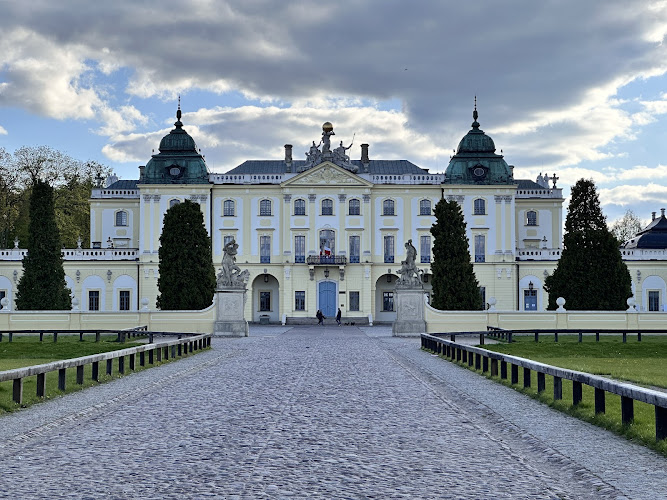
Branicki Palace
Find Accommodations Nearby
Recommended Tours & Activities
Visitor Reviews
There are no reviews yet. Be the first one to write one.
Share Your Experience
Have you visited Museum of Podlasie in Bialystok? Help other travelers by leaving a review.