
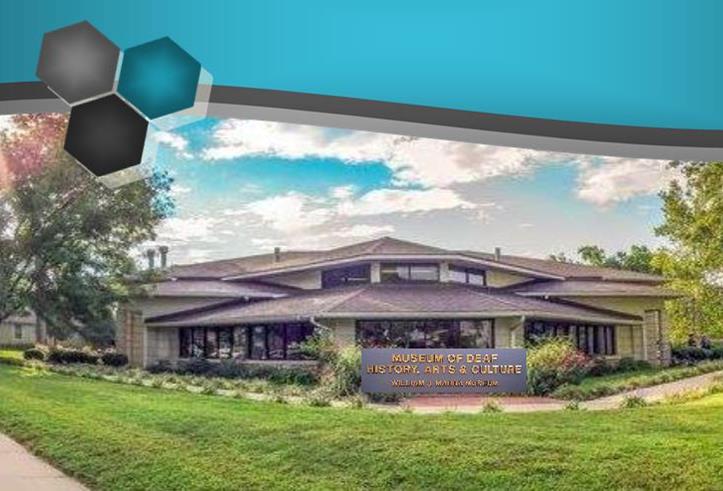
Museum of Deaf History, Arts and Culture
About Museum of Deaf History, Arts and Culture
Description
The Museum of Deaf History, Arts and Culture in Olathe, Kansas, is not your average museum stop. It’s a place that tells stories that most people have never heard before—literally and figuratively. This museum dives deep into the history of Deaf culture, American Sign Language (ASL), and the incredible contributions of Deaf individuals to art, sports, education, and society at large. It’s small compared to some big-city museums, but that’s part of its charm. You don’t get lost in endless galleries; instead, you feel like you’re being invited into a community’s living room, where every artifact and photograph has a personal story behind it.
What makes it so memorable is the way it balances education with emotion. You don’t just learn about Deaf pioneers like Chuck Baird, a Kansas-born Deaf artist who helped establish De’VIA (Deaf View/Image Art), you also get to see how Deaf history is woven into the broader American story. The exhibits highlight moments of resilience, creativity, and advocacy. And while most visitors walk in with limited knowledge of Deaf culture, they almost always walk out with a new perspective—and a bit more humility about how much they didn’t know before.
The museum is clean, accessible, and thoughtfully curated. It’s not flashy, but it’s heartfelt. Families, school groups, and solo travelers alike find it enriching. Sure, a handful of visitors might wish for bigger exhibits or more interactive technology, but the overwhelming feeling is one of appreciation and respect. It’s a hidden gem for anyone curious about history, culture, or simply humanity itself.
Key Features
- Exhibits on the history of American Sign Language and Deaf culture
- Stories of trailblazing Deaf figures in art, sports, and education
- Guided tours, often offered in ASL, with interpreters available
- Workshops and events that connect visitors with the Deaf community
- Wheelchair accessible entrance, parking, and restrooms
- On-site gift shop with Deaf culture-inspired items
- Kid-friendly displays that make learning engaging for younger visitors
- Free admission with donations encouraged
- On-site parking for easy access
Best Time to Visit
The museum is open year-round, but the best time to visit is when they’re hosting special events or workshops. Saturdays often feature guided tours in ASL, which add so much depth to the experience. If you’re traveling through Kansas in the spring or fall, those months are particularly pleasant because you can pair your museum visit with a stroll around Olathe’s parks or downtown. Summers in Kansas can be hot and sticky, so ducking into the museum’s air-conditioned space becomes a welcome break. Winter visits are cozy too, especially since you’re not dealing with big crowds.
Honestly, there’s never a bad time to go—it just depends on whether you want a quieter, reflective visit or a more interactive one during community events. I personally enjoyed going on a Saturday afternoon, catching a tour, and then chatting with volunteers afterward. It felt less like a tourist stop and more like being welcomed into a cultural hub.
How to Get There
Reaching the Museum of Deaf History, Arts and Culture is pretty straightforward if you’re already in the Kansas City metropolitan area. Olathe is about a 30-minute drive from downtown Kansas City, and the museum is located in a calm, suburban setting. Driving is by far the easiest option, since public transportation in this part of Kansas isn’t as robust as in bigger cities. Luckily, the museum offers free on-site parking, so you don’t have to worry about circling the block or feeding a meter.
For travelers flying in, Kansas City International Airport is the closest major airport. From there, renting a car is the most convenient way to reach Olathe. GPS directions are reliable, and the drive is simple—mostly highways and then a few local roads. If you’re already road-tripping through Kansas, the museum makes a perfect cultural stop to break up a long drive.
Tips for Visiting
First off, give yourself more time than you think you’ll need. The museum may look small from the outside, but once you start reading the exhibits and watching the videos, you’ll find yourself lingering. I thought I’d be in and out in under an hour, but I ended up staying almost two because I got caught up in the stories.
Secondly, don’t be shy about asking questions. The volunteers are often part of the Deaf community themselves, and they’re incredibly generous about sharing their experiences. If you know a little ASL, even just a few signs, this is the perfect place to practice—it’s welcomed and appreciated. And if you don’t know any, no worries. Communication is easy and friendly, and you’ll probably pick up a sign or two along the way.
Bring a small donation if you can. Admission is free, but supporting the museum helps keep the exhibits fresh and the programs running. The gift shop is also worth checking out; you’ll find unique items that make meaningful souvenirs or gifts.
For families: yes, it’s kid-friendly. The exhibits are accessible to children, and they’ll likely find it fascinating to learn about a different way of communicating. Just be ready to explain a few things in simpler terms.
One last tip—pair your visit with a stop at the nearby Kansas School for the Deaf. The school has a long, proud history (founded in 1861), and it’s closely tied to the museum’s story. Even if you just walk by, it adds context to what you’ve just learned inside.
In short, go with an open mind and a bit of curiosity. You’ll leave with more than just facts—you’ll leave with stories that stick with you long after the trip is over.
Key Features
- Exhibits on the history of American Sign Language and Deaf culture
- Stories of trailblazing Deaf figures in art, sports, and education
- Guided tours, often offered in ASL, with interpreters available
- Workshops and events that connect visitors with the Deaf community
- Wheelchair accessible entrance, parking, and restrooms
- On-site gift shop with Deaf culture-inspired items
- Kid-friendly displays that make learning engaging for younger visitors
- Free admission with donations encouraged
More Details
Updated September 9, 2025
Table of Contents
- Description
- Key Features
- Best Time to Visit
- How to Get There
- Tips for Visiting
- Key Highlights
- Location
- Places to Stay Near Museum of Deaf History, Arts and Culture
- Find and Book a Tour
- Explore More Travel Guides
- Nearby Places You Might Like
- Traveler Reviews for Museum of Deaf History, Arts and Culture
- Share Your Experience
Description
The Museum of Deaf History, Arts and Culture in Olathe, Kansas, is not your average museum stop. It’s a place that tells stories that most people have never heard before—literally and figuratively. This museum dives deep into the history of Deaf culture, American Sign Language (ASL), and the incredible contributions of Deaf individuals to art, sports, education, and society at large. It’s small compared to some big-city museums, but that’s part of its charm. You don’t get lost in endless galleries; instead, you feel like you’re being invited into a community’s living room, where every artifact and photograph has a personal story behind it.
What makes it so memorable is the way it balances education with emotion. You don’t just learn about Deaf pioneers like Chuck Baird, a Kansas-born Deaf artist who helped establish De’VIA (Deaf View/Image Art), you also get to see how Deaf history is woven into the broader American story. The exhibits highlight moments of resilience, creativity, and advocacy. And while most visitors walk in with limited knowledge of Deaf culture, they almost always walk out with a new perspective—and a bit more humility about how much they didn’t know before.
The museum is clean, accessible, and thoughtfully curated. It’s not flashy, but it’s heartfelt. Families, school groups, and solo travelers alike find it enriching. Sure, a handful of visitors might wish for bigger exhibits or more interactive technology, but the overwhelming feeling is one of appreciation and respect. It’s a hidden gem for anyone curious about history, culture, or simply humanity itself.
Key Features
- Exhibits on the history of American Sign Language and Deaf culture
- Stories of trailblazing Deaf figures in art, sports, and education
- Guided tours, often offered in ASL, with interpreters available
- Workshops and events that connect visitors with the Deaf community
- Wheelchair accessible entrance, parking, and restrooms
- On-site gift shop with Deaf culture-inspired items
- Kid-friendly displays that make learning engaging for younger visitors
- Free admission with donations encouraged
- On-site parking for easy access
Best Time to Visit
The museum is open year-round, but the best time to visit is when they’re hosting special events or workshops. Saturdays often feature guided tours in ASL, which add so much depth to the experience. If you’re traveling through Kansas in the spring or fall, those months are particularly pleasant because you can pair your museum visit with a stroll around Olathe’s parks or downtown. Summers in Kansas can be hot and sticky, so ducking into the museum’s air-conditioned space becomes a welcome break. Winter visits are cozy too, especially since you’re not dealing with big crowds.
Honestly, there’s never a bad time to go—it just depends on whether you want a quieter, reflective visit or a more interactive one during community events. I personally enjoyed going on a Saturday afternoon, catching a tour, and then chatting with volunteers afterward. It felt less like a tourist stop and more like being welcomed into a cultural hub.
How to Get There
Reaching the Museum of Deaf History, Arts and Culture is pretty straightforward if you’re already in the Kansas City metropolitan area. Olathe is about a 30-minute drive from downtown Kansas City, and the museum is located in a calm, suburban setting. Driving is by far the easiest option, since public transportation in this part of Kansas isn’t as robust as in bigger cities. Luckily, the museum offers free on-site parking, so you don’t have to worry about circling the block or feeding a meter.
For travelers flying in, Kansas City International Airport is the closest major airport. From there, renting a car is the most convenient way to reach Olathe. GPS directions are reliable, and the drive is simple—mostly highways and then a few local roads. If you’re already road-tripping through Kansas, the museum makes a perfect cultural stop to break up a long drive.
Tips for Visiting
First off, give yourself more time than you think you’ll need. The museum may look small from the outside, but once you start reading the exhibits and watching the videos, you’ll find yourself lingering. I thought I’d be in and out in under an hour, but I ended up staying almost two because I got caught up in the stories.
Secondly, don’t be shy about asking questions. The volunteers are often part of the Deaf community themselves, and they’re incredibly generous about sharing their experiences. If you know a little ASL, even just a few signs, this is the perfect place to practice—it’s welcomed and appreciated. And if you don’t know any, no worries. Communication is easy and friendly, and you’ll probably pick up a sign or two along the way.
Bring a small donation if you can. Admission is free, but supporting the museum helps keep the exhibits fresh and the programs running. The gift shop is also worth checking out; you’ll find unique items that make meaningful souvenirs or gifts.
For families: yes, it’s kid-friendly. The exhibits are accessible to children, and they’ll likely find it fascinating to learn about a different way of communicating. Just be ready to explain a few things in simpler terms.
One last tip—pair your visit with a stop at the nearby Kansas School for the Deaf. The school has a long, proud history (founded in 1861), and it’s closely tied to the museum’s story. Even if you just walk by, it adds context to what you’ve just learned inside.
In short, go with an open mind and a bit of curiosity. You’ll leave with more than just facts—you’ll leave with stories that stick with you long after the trip is over.
Key Highlights
- Exhibits on the history of American Sign Language and Deaf culture
- Stories of trailblazing Deaf figures in art, sports, and education
- Guided tours, often offered in ASL, with interpreters available
- Workshops and events that connect visitors with the Deaf community
- Wheelchair accessible entrance, parking, and restrooms
- On-site gift shop with Deaf culture-inspired items
- Kid-friendly displays that make learning engaging for younger visitors
- Free admission with donations encouraged
Location
Places to Stay Near Museum of Deaf History, Arts and Culture
Find and Book a Tour
Explore More Travel Guides
No reviews found! Be the first to review!
Traveler Reviews for Museum of Deaf History, Arts and Culture
There are no reviews yet. Be the first one to write one.
Have you visited Museum of Deaf History, Arts and Culture? Help other travelers by sharing your review.
You Might Also Like
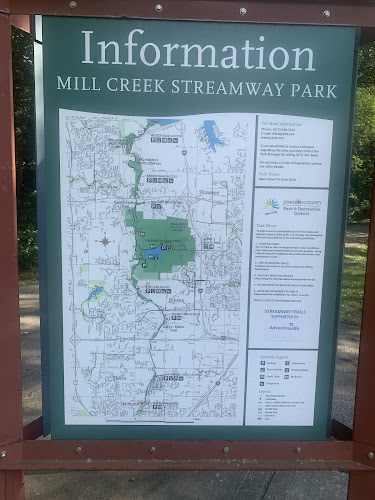
Mill Creek Streamway Park
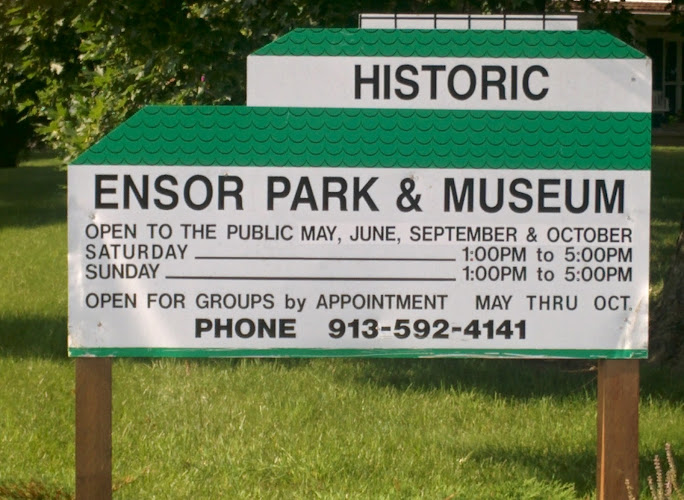
Ensor Park & Museum
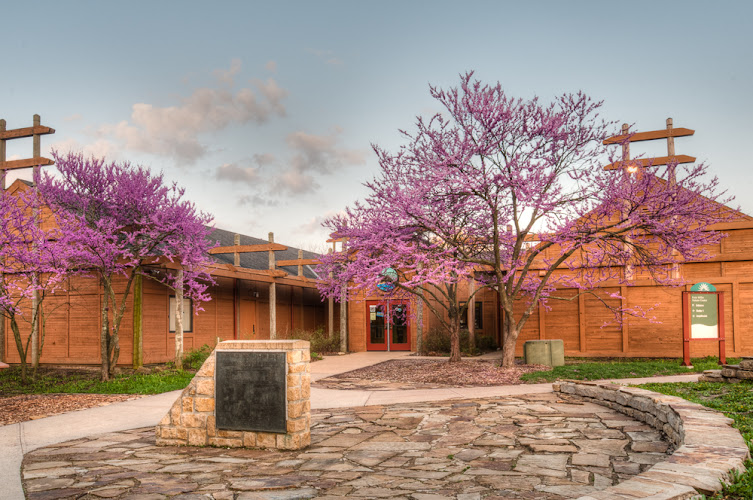
Ernie Miller Park & Nature Center
Find Accommodations Nearby
Recommended Tours & Activities
Visitor Reviews
There are no reviews yet. Be the first one to write one.
Share Your Experience
Have you visited Museum of Deaf History, Arts and Culture? Help other travelers by leaving a review.