
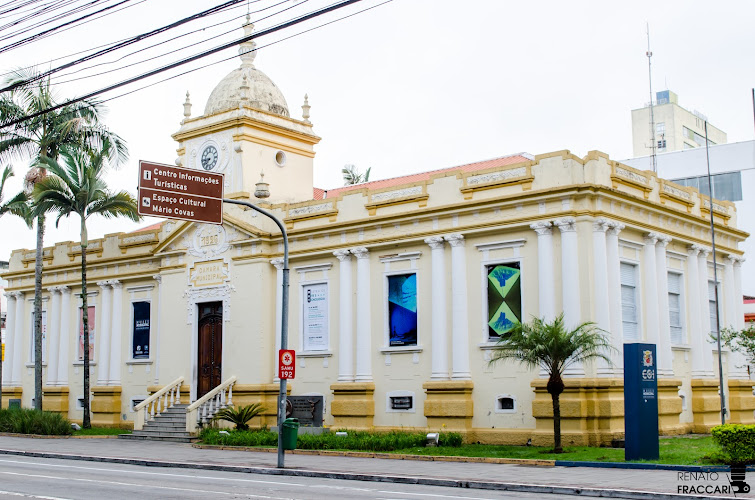
Museu Municipal de São José dos Campos
About Museu Municipal de São José dos Campos
Description
The Museu Municipal de São José dos Campos is one of those places that quietly surprises you. It’s not the kind of museum that screams for attention with flashy exteriors or massive crowds, but rather one that rewards curiosity and a bit of wandering. Tucked right in the city’s heart, it feels like stepping into a gentle pause in time. The building itself carries a certain charm—classic architecture with a touch of local history that whispers stories from decades past. Inside, you’ll find a blend of art, culture, and community spirit that feels deeply rooted in the identity of São José dos Campos.
What makes this museum so special isn’t just the art—it’s the soul behind it. Many of the exhibits pay homage to local artists, including tributes to Johann Gütlich, a respected professor and internationally recognized artist, and Estevão Nador, known for his role in the Ateliê Livre de Pintura and his connection to the concretist movement. You can sense their influence in the way the museum curates its pieces—thoughtful, expressive, and proudly regional. There’s something about standing in front of a painting knowing it was created just a few blocks away that makes the experience more intimate.
And honestly, it’s not one of those overwhelming museums where you feel like you need a map and three hours to see everything. It’s compact enough to explore comfortably, yet rich enough to leave you thinking long after you’ve left. The staff are friendly in that genuinely Brazilian way—happy to chat, share stories, and point out little details you might otherwise miss. For families, it’s a great stop; kids seem to enjoy the open, welcoming atmosphere, and there’s enough variety in the exhibits to keep everyone engaged without it feeling too formal.
Sure, it’s not perfect—some displays could use a bit of modern updating, and occasionally you might find a section closed for maintenance—but that’s part of its charm. It feels lived-in, loved, and real. A visit here gives you a glimpse not just into art, but into the heart of the community that built it. If you’re the type who enjoys discovering local stories and seeing how art reflects everyday life, this museum will likely hit the right note for you.
Key Features
- Exhibits dedicated to local and regional artists, including tributes to Johann Gütlich and Estevão Nador.
- Focus on the city’s artistic heritage and cultural evolution.
- Family-friendly environment with exhibits that appeal to all ages.
- Clean and accessible restrooms for visitors’ convenience.
- Located in a central area, making it easy to combine with other nearby attractions or a stroll through the city center.
- Rotating exhibitions that keep the experience fresh for repeat visitors.
- Occasional workshops and community art events that connect visitors with local creators.
Best Time to Visit
If you’re planning a trip, weekdays are your best bet. The museum tends to be quieter then, giving you space to really take in the exhibits without feeling rushed. Mornings are particularly pleasant—the lighting inside is soft, and the air has that calm, just-opened feel. On weekends, you’ll find more families and tourists, which adds a bit of lively energy but can make it harder to linger in front of your favorite pieces.
São José dos Campos has a tropical climate, so if you’re visiting during the summer months (December to February), it’s wise to go earlier in the day before the afternoon heat sets in. The cooler months, from May to August, are ideal for exploring the museum and then enjoying a walk around the nearby plaza. And if you happen to be in town during a local cultural festival, definitely check the museum’s schedule—they often host special exhibits or community events that are well worth attending.
How to Get There
Reaching the museum is straightforward, especially since it’s located right in the city center. If you’re staying nearby, it’s an easy walk from most hotels and restaurants. For those coming from other parts of São José dos Campos, local buses and taxis are reliable options. The central location also makes it convenient if you’re driving, though parking can be a bit tricky during busy hours—try arriving early or using one of the nearby parking lots.
If you’re coming from São Paulo, the drive takes about an hour and a half, depending on traffic. The route is scenic, with stretches of green countryside and glimpses of the Serra da Mantiqueira mountains along the way. For travelers without a car, intercity buses run frequently between São Paulo and São José dos Campos, and from the bus terminal, it’s just a short ride to the museum. Honestly, the journey itself can be part of the adventure—it’s a nice break from the urban pace of the capital.
Tips for Visiting
Here’s a bit of advice from someone who’s been there a couple of times. First, take your time. It’s tempting to breeze through smaller museums, but this one rewards patience. Spend a few minutes at each exhibit, read the descriptions, and maybe even chat with the staff—they’re often happy to share background stories that don’t appear on the plaques. If you’re into photography, bring your camera, but be respectful—some exhibits might have restrictions on flash or photos altogether.
There’s no restaurant inside, so grab a bite before or after your visit. Luckily, the surrounding area has plenty of cafés and small eateries where you can sit down for a coffee or a pastel (a local fried pastry that’s dangerously addictive). And if you’re traveling with kids, the plaza outside the museum is a good spot for them to stretch their legs before heading in.
One thing I always tell friends: check for temporary exhibitions before you go. The museum often rotates displays, and sometimes you’ll catch something truly unique—like a local art student showcase or a thematic exhibit about the city’s industrial past. Those moments give you a deeper sense of connection to the place and its people. Also, bring a bit of cash. While entry is often free or inexpensive, small donations help support the museum’s upkeep and future projects.
Lastly, don’t rush off right after you leave. The surrounding area is worth exploring—a mix of old architecture, street art, and the hum of local life that makes São José dos Campos feel both modern and historic at once. Sit on a bench, watch people pass by, and let the experience sink in. That’s what travel is really about, isn’t it? Finding those quiet, unexpected moments that linger long after the trip ends.
In the end, the Museu Municipal de São José dos Campos isn’t just a stop on a travel itinerary—it’s a window into the artistic soul of a city that values its roots. Whether you’re an art lover, a history buff, or just a curious traveler looking for something authentic, it’s a place that leaves an impression. And maybe, like me, you’ll walk out feeling a little more connected to Brazil’s quieter, creative side.
Key Features
- Exhibits dedicated to local and regional artists, including tributes to Johann Gütlich and Estevão Nador.
- Focus on the city’s artistic heritage and cultural evolution.
- Family-friendly environment with exhibits that appeal to all ages.
- Clean and accessible restrooms for visitors’ convenience.
- Located in a central area, making it easy to combine with other nearby attractions or a stroll through the city center.
- Rotating exhibitions that keep the experience fresh for repeat visitors.
- Occasional workshops and community art events that connect visitors with local creators.
More Details
Updated November 6, 2025
Table of Contents
- Description
- Key Features
- Best Time to Visit
- How to Get There
- Tips for Visiting
- Key Highlights
- Location
- Places to Stay Near Museu Municipal de São José dos Campos
- Find and Book a Tour
- Explore More Travel Guides
- Nearby Places You Might Like
- Traveler Reviews for Museu Municipal de São José dos Campos
- Share Your Experience
Description
The Museu Municipal de São José dos Campos is one of those places that quietly surprises you. It’s not the kind of museum that screams for attention with flashy exteriors or massive crowds, but rather one that rewards curiosity and a bit of wandering. Tucked right in the city’s heart, it feels like stepping into a gentle pause in time. The building itself carries a certain charm—classic architecture with a touch of local history that whispers stories from decades past. Inside, you’ll find a blend of art, culture, and community spirit that feels deeply rooted in the identity of São José dos Campos.
What makes this museum so special isn’t just the art—it’s the soul behind it. Many of the exhibits pay homage to local artists, including tributes to Johann Gütlich, a respected professor and internationally recognized artist, and Estevão Nador, known for his role in the Ateliê Livre de Pintura and his connection to the concretist movement. You can sense their influence in the way the museum curates its pieces—thoughtful, expressive, and proudly regional. There’s something about standing in front of a painting knowing it was created just a few blocks away that makes the experience more intimate.
And honestly, it’s not one of those overwhelming museums where you feel like you need a map and three hours to see everything. It’s compact enough to explore comfortably, yet rich enough to leave you thinking long after you’ve left. The staff are friendly in that genuinely Brazilian way—happy to chat, share stories, and point out little details you might otherwise miss. For families, it’s a great stop; kids seem to enjoy the open, welcoming atmosphere, and there’s enough variety in the exhibits to keep everyone engaged without it feeling too formal.
Sure, it’s not perfect—some displays could use a bit of modern updating, and occasionally you might find a section closed for maintenance—but that’s part of its charm. It feels lived-in, loved, and real. A visit here gives you a glimpse not just into art, but into the heart of the community that built it. If you’re the type who enjoys discovering local stories and seeing how art reflects everyday life, this museum will likely hit the right note for you.
Key Features
- Exhibits dedicated to local and regional artists, including tributes to Johann Gütlich and Estevão Nador.
- Focus on the city’s artistic heritage and cultural evolution.
- Family-friendly environment with exhibits that appeal to all ages.
- Clean and accessible restrooms for visitors’ convenience.
- Located in a central area, making it easy to combine with other nearby attractions or a stroll through the city center.
- Rotating exhibitions that keep the experience fresh for repeat visitors.
- Occasional workshops and community art events that connect visitors with local creators.
Best Time to Visit
If you’re planning a trip, weekdays are your best bet. The museum tends to be quieter then, giving you space to really take in the exhibits without feeling rushed. Mornings are particularly pleasant—the lighting inside is soft, and the air has that calm, just-opened feel. On weekends, you’ll find more families and tourists, which adds a bit of lively energy but can make it harder to linger in front of your favorite pieces.
São José dos Campos has a tropical climate, so if you’re visiting during the summer months (December to February), it’s wise to go earlier in the day before the afternoon heat sets in. The cooler months, from May to August, are ideal for exploring the museum and then enjoying a walk around the nearby plaza. And if you happen to be in town during a local cultural festival, definitely check the museum’s schedule—they often host special exhibits or community events that are well worth attending.
How to Get There
Reaching the museum is straightforward, especially since it’s located right in the city center. If you’re staying nearby, it’s an easy walk from most hotels and restaurants. For those coming from other parts of São José dos Campos, local buses and taxis are reliable options. The central location also makes it convenient if you’re driving, though parking can be a bit tricky during busy hours—try arriving early or using one of the nearby parking lots.
If you’re coming from São Paulo, the drive takes about an hour and a half, depending on traffic. The route is scenic, with stretches of green countryside and glimpses of the Serra da Mantiqueira mountains along the way. For travelers without a car, intercity buses run frequently between São Paulo and São José dos Campos, and from the bus terminal, it’s just a short ride to the museum. Honestly, the journey itself can be part of the adventure—it’s a nice break from the urban pace of the capital.
Tips for Visiting
Here’s a bit of advice from someone who’s been there a couple of times. First, take your time. It’s tempting to breeze through smaller museums, but this one rewards patience. Spend a few minutes at each exhibit, read the descriptions, and maybe even chat with the staff—they’re often happy to share background stories that don’t appear on the plaques. If you’re into photography, bring your camera, but be respectful—some exhibits might have restrictions on flash or photos altogether.
There’s no restaurant inside, so grab a bite before or after your visit. Luckily, the surrounding area has plenty of cafés and small eateries where you can sit down for a coffee or a pastel (a local fried pastry that’s dangerously addictive). And if you’re traveling with kids, the plaza outside the museum is a good spot for them to stretch their legs before heading in.
One thing I always tell friends: check for temporary exhibitions before you go. The museum often rotates displays, and sometimes you’ll catch something truly unique—like a local art student showcase or a thematic exhibit about the city’s industrial past. Those moments give you a deeper sense of connection to the place and its people. Also, bring a bit of cash. While entry is often free or inexpensive, small donations help support the museum’s upkeep and future projects.
Lastly, don’t rush off right after you leave. The surrounding area is worth exploring—a mix of old architecture, street art, and the hum of local life that makes São José dos Campos feel both modern and historic at once. Sit on a bench, watch people pass by, and let the experience sink in. That’s what travel is really about, isn’t it? Finding those quiet, unexpected moments that linger long after the trip ends.
In the end, the Museu Municipal de São José dos Campos isn’t just a stop on a travel itinerary—it’s a window into the artistic soul of a city that values its roots. Whether you’re an art lover, a history buff, or just a curious traveler looking for something authentic, it’s a place that leaves an impression. And maybe, like me, you’ll walk out feeling a little more connected to Brazil’s quieter, creative side.
Key Highlights
- Exhibits dedicated to local and regional artists, including tributes to Johann Gütlich and Estevão Nador.
- Focus on the city’s artistic heritage and cultural evolution.
- Family-friendly environment with exhibits that appeal to all ages.
- Clean and accessible restrooms for visitors’ convenience.
- Located in a central area, making it easy to combine with other nearby attractions or a stroll through the city center.
- Rotating exhibitions that keep the experience fresh for repeat visitors.
- Occasional workshops and community art events that connect visitors with local creators.
Location
Places to Stay Near Museu Municipal de São José dos Campos
Find and Book a Tour
Explore More Travel Guides
No reviews found! Be the first to review!
Traveler Reviews for Museu Municipal de São José dos Campos
There are no reviews yet. Be the first one to write one.
Have you visited Museu Municipal de São José dos Campos? Help other travelers by sharing your review.
You Might Also Like

MAB Brazilian Aerospace Memorial
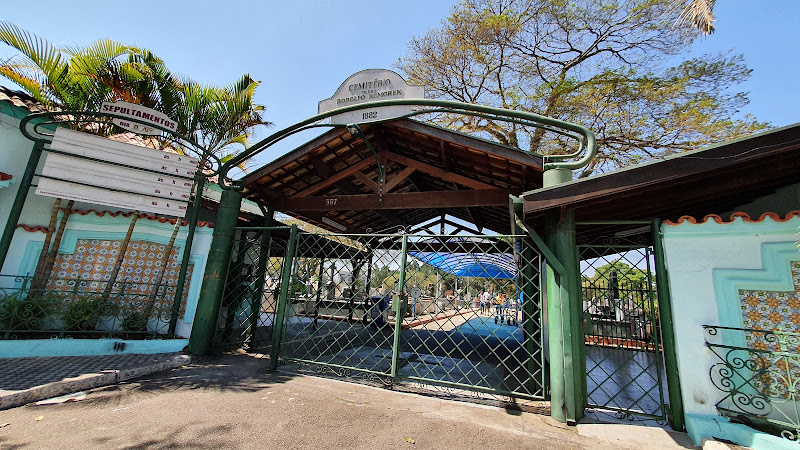
Cemitério Municipal Padre Rodolfo Komorek
Visit Vale Local Tour Operator
Find Accommodations Nearby
Recommended Tours & Activities
Visitor Reviews
There are no reviews yet. Be the first one to write one.
Share Your Experience
Have you visited Museu Municipal de São José dos Campos? Help other travelers by leaving a review.