

Museu de Arte Nova
About Museu de Arte Nova
Description
There’s a reason why the Museu de Arte Nova pops up time and time again in conversations about Aveiro, and honestly, it’s not just the facade—although, okay, that tiled front is absolutely irresistible. If you’ve spent any time rambling through the city’s winding streets, or even if you’ve just been scrolling through places to visit in Portugal, this spot has likely flashed across your radar. And for good reason.
What really gets me about this museum isn’t just the stunning architecture—Art Nouveau at its swirliest, with bits that feel plucked straight from a dream—but also the interesting mood inside. Lady luck was shining on me last spring: I rolled up on a drizzly Thursday, and the place was all golden light and a sort of mellow, unhurried buzz. You could feel the old bones of the building humming with stories, the kind only places with real character possess.
Inside, there’s this compact but very thoughtfully curated exhibit devoted entirely to Portuguese Art Nouveau (here they call it Arte Nova, which you’ll see everywhere if you’re the trivia type). It’s not Lisbon or Porto’s big, bustling museums, and honestly, that intimacy works to its advantage. Instead of overwhelming you with room after room, it’s more like being welcomed into someone’s beautiful (slightly eccentric) home.
The staff? Super friendly without hovering. If you’re there with the kids or just not a certified art buff, you’re still going to pick up on things—the colors, the curves, those unexpectedly lively details. Seriously, if architecture makes your heart race, you’ll want to bring your sketchbook. There’s no feeling rushed here. And good news if you’re visiting with someone who needs wheelchair access; the museum’s set up to be inclusive, which, in Portugal, sometimes isn’t the default.
All in all, it’s not the mind-blowing blockbuster some folk hope for, but here’s the thing: Sometimes a museum’s real magic lies in its subtlety. You come in expecting lovely tiles and elegant railings, but maybe you’ll leave curious about a period of history you never gave a second thought. I did. (And if you’re lucky enough to catch one of their impromptu workshops or little events, don’t hesitate. Those are the cherries on top.)
Key Features
- Original Art Nouveau Facade: The front of the museum is one of Aveiro’s most photographed spots—those shining green tiles, iron balconies, and artful windows have an Instagram following of their own.
- Specialized Art Nouveau Collection: Dive into decorative arts, design sketches, ceramics, stained glass, furniture, and everyday artifacts—all telling the story of the Portuguese take on this European artistic wave.
- Period Tea Room: There’s a restored 1920s tea room tucked away out back, where you can sip an old-school tea or coffee as if you’re an artist yourself, plotting the next movement. Not just a tourist trap—locals go, too.
- Family-Friendly: Kids aren’t left out. The museum has exhibits and hands-on activities now and then, a subtle way to get the little ones interested in art and design, which, let’s be honest, isn’t always easy.
- Wheelchair Accessible Facilities: They’ve made a point of being inclusive—ramps, accessible bathrooms, and a layout that really considers getting around with a stroller or mobility aid.
- Restrooms on Site: Maybe you don’t think about that until you need one, but it does matter, especially in older cities with lots of cobblestones and few public bathrooms.
- Quiet Space in City Center: It’s surprisingly peaceful considering its central location—an authentic pocket of calm where you can take a breather from buzzing nearby cafés and canals.
- Workshops & Temporary Exhibitions: Occasionally, the museum hosts special workshops, lectures, or art pop-ups—which, if you stumble into one, is a sweet bonus.
Best Time to Visit
Listen, I'm a shoulder season traveler whenever I can swing it. If you share my aversion to selfie-stick crowds and sweltering weather, late spring and early fall are practically made for strolls around Aveiro and, yes, for ducking into the Museu de Arte Nova. May and late September are particularly dreamy—the light is soft, the city’s a bit sleepier, and there’s room to linger by every exhibit.
You can visit year-round; Art Nouveau, after all, isn’t going out of style any time soon. Weekdays, especially in the late morning, tend to be quieter. I once stopped by on a rainy Tuesday and felt like I had the place mostly to myself. But if you’re hoping to combine your museum visit with one of their occasional workshops, check ahead—those can fill up quick, and they sometimes alter opening hours.
During the summer, be ready for a touch more bustle, both inside and out. Aveiro's central canal and squares come alive, but that also means lines can snake out the door, mainly on weekends. Early risers win here—the museum opens late morning, so arriving just after they open is your best friend.
My hot take: avoid the middle of August if you crave space and contemplation. I’ve done it once and, well, let’s just say I spent a little too much time shuffling behind tour groups. Still beautiful, just less serene.
How to Get There
If you’re hoofing it through Aveiro, you honestly can’t miss the Museu de Arte Nova—especially if you’re the sort who naturally drifts toward the city center (or, like me, gets a little gloriously lost exploring side streets).
Coming from the train station? Plan for a manageable 15-minute walk. I love making this little trek; you get to see more of the tiled houses and pass some of Aveiro’s lesser-known mural art. Don’t forget to give yourself time to poke around—those winding lanes sometimes lead to unexpected finds, like a phenomenal bakery calling your name.
If public transport is your jam, the city’s bus network stops pretty close. Just hop on a bus heading downtown and aim for the Commerce Square—it’s a five-minute stroll from there. Aveiro is decently walkable, but if you’re rolling with tired kids, backpacks, or just want to save your feet, consider nabbing a tuk-tuk (yes, they have those) or a taxi.
Parking can be, let’s say, creative in the city center, especially midday. There are some public parking lots on the periphery, and from there, it’s a breezy walk through colorful streets. Bring coins for the meters—cards aren’t a certainty.
Tips for Visiting
- Set Your Clock for Early Visits: I’m an unapologetic museum lingerer. If that’s you, try arriving right as doors open. The energy is different, and you have a better shot at enjoying exhibits in peace without feeling hurried by crowds.
- Photography Is Allowed—Mostly: Yep, you can snap shots of that iconic facade and most galleries, but watch for signage. Some artifacts and temporary exhibits have a strict no-photo rule. (Trust me, the staff will let you know; best to ask if in doubt.)
- Seasonal Events Are a Gem: Local art students sometimes show off their stuff in pop-ups hosted here—always worth seeking out because you get to see young artists riffing on tradition. I once caught a stained glass demo that has haunted me (in a good way) ever since.
- Treat Yourself to the Tea Room: Even if you’re more of a cappuccino crowd, leave time to linger at the period tea room. The vibe is homey but elegant, and you can imagine yourself writing secret letters to artistic conspirators. Prices are reasonable, with classic Portuguese pastries on offer.
- Accessibility Matters: Traveling with reduced mobility or little ones in tow? You’ll be relieved—the ramps and accessible restrooms really make life easier. It’s genuinely family-friendly without sacrificing atmosphere.
- Look Up: Seriously, some of the best Art Nouveau touches are overhead—wrought iron, whimsical lamp fixtures, those glassy flourishes that catch the light in a way my photos never quite capture.
- Allow for 45 Minutes to 1.5 Hours: You won’t need a whole morning here (unless you get blissfully caught up in sketching or journaling the details). The museum packs a lot of punch into a small space.
- Pair Your Visit: The surrounding district is bursting with fun shops, cheerful little bakeries, and, if you time your visit right, seasonal festivals. Make this stop part of a larger day exploring Aveiro’s canals, tile heritage, and mural-lined alleys.
Key Features
- Key Features
- Best Time to Visit
- How to Get There
- Tips for Visiting
More Details
Updated June 30, 2025
Table of Contents
Description
There’s a reason why the Museu de Arte Nova pops up time and time again in conversations about Aveiro, and honestly, it’s not just the facade—although, okay, that tiled front is absolutely irresistible. If you’ve spent any time rambling through the city’s winding streets, or even if you’ve just been scrolling through places to visit in Portugal, this spot has likely flashed across your radar. And for good reason.
What really gets me about this museum isn’t just the stunning architecture—Art Nouveau at its swirliest, with bits that feel plucked straight from a dream—but also the interesting mood inside. Lady luck was shining on me last spring: I rolled up on a drizzly Thursday, and the place was all golden light and a sort of mellow, unhurried buzz. You could feel the old bones of the building humming with stories, the kind only places with real character possess.
Inside, there’s this compact but very thoughtfully curated exhibit devoted entirely to Portuguese Art Nouveau (here they call it Arte Nova, which you’ll see everywhere if you’re the trivia type). It’s not Lisbon or Porto’s big, bustling museums, and honestly, that intimacy works to its advantage. Instead of overwhelming you with room after room, it’s more like being welcomed into someone’s beautiful (slightly eccentric) home.
The staff? Super friendly without hovering. If you’re there with the kids or just not a certified art buff, you’re still going to pick up on things—the colors, the curves, those unexpectedly lively details. Seriously, if architecture makes your heart race, you’ll want to bring your sketchbook. There’s no feeling rushed here. And good news if you’re visiting with someone who needs wheelchair access; the museum’s set up to be inclusive, which, in Portugal, sometimes isn’t the default.
All in all, it’s not the mind-blowing blockbuster some folk hope for, but here’s the thing: Sometimes a museum’s real magic lies in its subtlety. You come in expecting lovely tiles and elegant railings, but maybe you’ll leave curious about a period of history you never gave a second thought. I did. (And if you’re lucky enough to catch one of their impromptu workshops or little events, don’t hesitate. Those are the cherries on top.)
Key Features
- Original Art Nouveau Facade: The front of the museum is one of Aveiro’s most photographed spots—those shining green tiles, iron balconies, and artful windows have an Instagram following of their own.
- Specialized Art Nouveau Collection: Dive into decorative arts, design sketches, ceramics, stained glass, furniture, and everyday artifacts—all telling the story of the Portuguese take on this European artistic wave.
- Period Tea Room: There’s a restored 1920s tea room tucked away out back, where you can sip an old-school tea or coffee as if you’re an artist yourself, plotting the next movement. Not just a tourist trap—locals go, too.
- Family-Friendly: Kids aren’t left out. The museum has exhibits and hands-on activities now and then, a subtle way to get the little ones interested in art and design, which, let’s be honest, isn’t always easy.
- Wheelchair Accessible Facilities: They’ve made a point of being inclusive—ramps, accessible bathrooms, and a layout that really considers getting around with a stroller or mobility aid.
- Restrooms on Site: Maybe you don’t think about that until you need one, but it does matter, especially in older cities with lots of cobblestones and few public bathrooms.
- Quiet Space in City Center: It’s surprisingly peaceful considering its central location—an authentic pocket of calm where you can take a breather from buzzing nearby cafés and canals.
- Workshops & Temporary Exhibitions: Occasionally, the museum hosts special workshops, lectures, or art pop-ups—which, if you stumble into one, is a sweet bonus.
Best Time to Visit
Listen, I’m a shoulder season traveler whenever I can swing it. If you share my aversion to selfie-stick crowds and sweltering weather, late spring and early fall are practically made for strolls around Aveiro and, yes, for ducking into the Museu de Arte Nova. May and late September are particularly dreamy—the light is soft, the city’s a bit sleepier, and there’s room to linger by every exhibit.
You can visit year-round; Art Nouveau, after all, isn’t going out of style any time soon. Weekdays, especially in the late morning, tend to be quieter. I once stopped by on a rainy Tuesday and felt like I had the place mostly to myself. But if you’re hoping to combine your museum visit with one of their occasional workshops, check ahead—those can fill up quick, and they sometimes alter opening hours.
During the summer, be ready for a touch more bustle, both inside and out. Aveiro’s central canal and squares come alive, but that also means lines can snake out the door, mainly on weekends. Early risers win here—the museum opens late morning, so arriving just after they open is your best friend.
My hot take: avoid the middle of August if you crave space and contemplation. I’ve done it once and, well, let’s just say I spent a little too much time shuffling behind tour groups. Still beautiful, just less serene.
How to Get There
If you’re hoofing it through Aveiro, you honestly can’t miss the Museu de Arte Nova—especially if you’re the sort who naturally drifts toward the city center (or, like me, gets a little gloriously lost exploring side streets).
Coming from the train station? Plan for a manageable 15-minute walk. I love making this little trek; you get to see more of the tiled houses and pass some of Aveiro’s lesser-known mural art. Don’t forget to give yourself time to poke around—those winding lanes sometimes lead to unexpected finds, like a phenomenal bakery calling your name.
If public transport is your jam, the city’s bus network stops pretty close. Just hop on a bus heading downtown and aim for the Commerce Square—it’s a five-minute stroll from there. Aveiro is decently walkable, but if you’re rolling with tired kids, backpacks, or just want to save your feet, consider nabbing a tuk-tuk (yes, they have those) or a taxi.
Parking can be, let’s say, creative in the city center, especially midday. There are some public parking lots on the periphery, and from there, it’s a breezy walk through colorful streets. Bring coins for the meters—cards aren’t a certainty.
Tips for Visiting
- Set Your Clock for Early Visits: I’m an unapologetic museum lingerer. If that’s you, try arriving right as doors open. The energy is different, and you have a better shot at enjoying exhibits in peace without feeling hurried by crowds.
- Photography Is Allowed—Mostly: Yep, you can snap shots of that iconic facade and most galleries, but watch for signage. Some artifacts and temporary exhibits have a strict no-photo rule. (Trust me, the staff will let you know; best to ask if in doubt.)
- Seasonal Events Are a Gem: Local art students sometimes show off their stuff in pop-ups hosted here—always worth seeking out because you get to see young artists riffing on tradition. I once caught a stained glass demo that has haunted me (in a good way) ever since.
- Treat Yourself to the Tea Room: Even if you’re more of a cappuccino crowd, leave time to linger at the period tea room. The vibe is homey but elegant, and you can imagine yourself writing secret letters to artistic conspirators. Prices are reasonable, with classic Portuguese pastries on offer.
- Accessibility Matters: Traveling with reduced mobility or little ones in tow? You’ll be relieved—the ramps and accessible restrooms really make life easier. It’s genuinely family-friendly without sacrificing atmosphere.
- Look Up: Seriously, some of the best Art Nouveau touches are overhead—wrought iron, whimsical lamp fixtures, those glassy flourishes that catch the light in a way my photos never quite capture.
- Allow for 45 Minutes to 1.5 Hours: You won’t need a whole morning here (unless you get blissfully caught up in sketching or journaling the details). The museum packs a lot of punch into a small space.
-
Pair Your Visit: The surrounding district is bursting with fun shops, cheerful little bakeries, and, if you time your visit right, seasonal festivals. Make this stop part of a larger day exploring Aveiro’s canals, tile heritage, and mural-lined alleys.
Key Highlights
- Key Features
- Best Time to Visit
- How to Get There
- Tips for Visiting
Location
Places to Stay Near Museu de Arte Nova
Find and Book a Tour
Explore More Travel Guides
No reviews found! Be the first to review!
Traveler Reviews for Museu de Arte Nova
There are no reviews yet. Be the first one to write one.
Have you visited Museu de Arte Nova? Help other travelers by sharing your review.
You Might Also Like

Aveiro Salt Flats
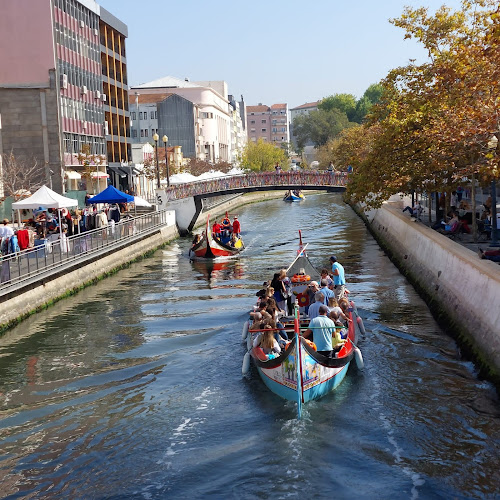
Aveiro
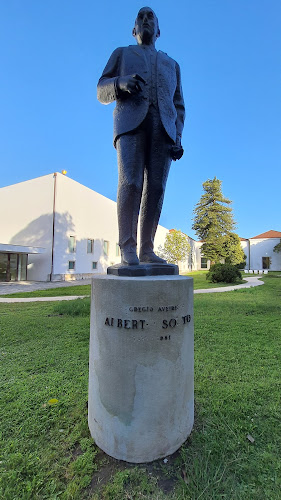
Estátua Dr. Alberto Souto
Find Accommodations Nearby
Recommended Tours & Activities
Visitor Reviews
There are no reviews yet. Be the first one to write one.
Share Your Experience
Have you visited Museu de Arte Nova? Help other travelers by leaving a review.