About Museu da Água de Piracicaba Francisco Salgot Castillon

Description

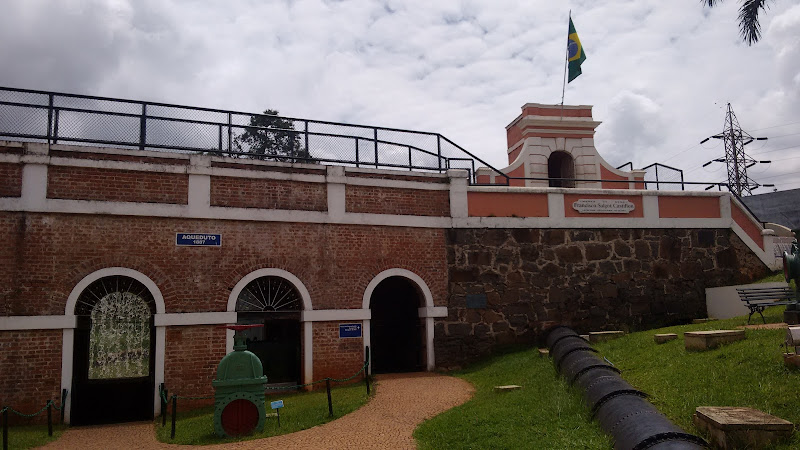
The Museu da Água de Piracicaba Francisco Salgot Castillon is one of those places that sneaks up on you. At first glance, you might think, Water museum? How interesting can that be? And then you walk in, and suddenly you’re standing inside a story about a city, a river, and the quiet power of something we all use every single day without much thought. Water. I’ve been to a lot of museums in my life, from flashy capitals to dusty small-town collections, and this one sticks with me for its honesty and its calm confidence.

Located in Piracicaba, a city deeply shaped by its relationship with rivers and water systems, the museum focuses on how water influenced local development, industry, public health, and daily life. It’s not trying to dazzle you with high-tech gimmicks. Instead, it leans into well-curated exhibits, real artifacts, historical documents, and hands-on educational displays that actually make sense. You leave knowing more than when you came in, which, frankly, is more than I can say for some bigger museums I’ve paid good money to see.

And yes, it’s clearly popular. You feel that energy right away. Families wander through at an easy pace, school groups cluster around displays, and solo travelers like you might find yourself lingering longer than planned. I remember visiting on a warm afternoon and thinking I’d pop in for 30 minutes. An hour and a half later, I was still there, reading old photos captions and learning how water distribution shaped entire neighborhoods.

The museum is named after Francisco Salgot Castillon, a key figure in local water management history. That name isn’t just ceremonial. His influence threads through the exhibits, helping frame how Piracicaba tackled challenges like sanitation, supply, and urban growth. It’s history, yes, but not the dusty kind. It’s practical, lived-in history, the sort that makes you glance at the tap later that night and think, huh, I never knew that.

Travelers who enjoy cultural attractions with substance will appreciate this place. It’s accessible, thoughtfully laid out, and surprisingly engaging even if you’re not a hardcore history buff. And if you’re traveling with kids, that’s another bonus. The museum manages to educate without boring them to tears, which is honestly a small miracle.

Key Features

  • Clear and engaging exhibits explaining the history of water supply and sanitation in Piracicaba
  • Original artifacts, photographs, and technical equipment related to water management
  • Educational panels that balance technical detail with easy-to-understand language
  • Interactive elements that work well for children and curious adults alike
  • Wheelchair accessible entrance, restrooms, and parking areas
  • Family-friendly environment that welcomes school groups and solo travelers
  • Free street parking nearby, which is always a relief when you’re road-tripping
  • Calm, walkable setting that doesn’t feel rushed or overcrowded

Best Time to Visit

The good news is that there’s no truly bad time to visit the Museu da Água de Piracicaba. It’s an indoor attraction, so weather isn’t a dealbreaker. That said, if you want a quieter experience, weekday mornings tend to be more relaxed. I’ve noticed afternoons, especially later in the week, bring in more families and student groups. Not a bad thing, just noisier.

If you’re visiting Piracicaba during hotter months, this museum makes a great midday stop. There’s something comforting about stepping out of the sun and into a cool, shaded space where you can slow down and actually think. And because the museum isn’t massive, it fits nicely between other sightseeing plans without eating up your whole day.

Weekends can be lively. You’ll feel the buzz, the chatter, the occasional kid running ahead of their parents. Personally, I don’t mind that atmosphere. It feels local, real. But if you’re the kind of traveler who likes quiet contemplation and reading every sign without interruption, aim for off-peak hours.

How to Get There

Getting to the Museu da Água de Piracicaba is refreshingly straightforward, which is something travelers don’t always get to say. The museum sits within the urban area, making it accessible whether you’re arriving by car, public transport, or on foot from nearby neighborhoods.

If you’re driving, you’ll appreciate the availability of free street parking nearby. That alone earns the place some goodwill in my book. Just keep an eye out for local parking rules, as enforcement can vary by time of day. For those using public transportation, local buses serve the surrounding area, and rideshare services are widely used in Piracicaba.

And if you’re staying somewhere central, walking can be a pleasant option. The sidewalks are manageable, and the surrounding area gives you a nice sense of everyday life in the city. Sometimes, those walks between attractions end up being just as memorable as the attractions themselves. I once stopped for a coffee nearby after my visit and ended up chatting with a local who proudly explained how the river shaped his childhood. That’s the kind of unplanned moment that makes travel worthwhile.

Tips for Visiting

First tip, and I say this from experience: give yourself more time than you think you’ll need. On paper, the museum looks compact. In reality, the stories pull you in. If you enjoy reading exhibits and absorbing context, plan at least an hour, maybe more.

Second, bring kids if you have them. The museum is genuinely good for children, not in a flashy, sugar-coated way, but through clear explanations and tangible displays. I’ve seen kids ask smart questions here, the kind that make parents pause and think too. That’s always a good sign.

Third, take advantage of the accessibility features. The museum is well-prepared for visitors with mobility needs, with accessible entrances and restrooms. It’s not an afterthought, and that matters. Travel should be inclusive, full stop.

Fourth, don’t expect a restaurant on-site. There are restrooms, yes, but no dining facilities inside. Eat beforehand or plan to grab something nearby afterward. Honestly, that can be part of the fun. Use the museum visit as a springboard into exploring local cafés and snack spots.

And finally, approach the visit with curiosity. This isn’t a museum that shouts for attention. It speaks in a steady, thoughtful voice. If you meet it halfway, it rewards you with insight into how something as simple as water can shape a city’s identity, economy, and future.

For travelers interested in museums, cultural attractions, and meaningful tourist experiences in Piracicaba, the Museu da Água de Piracicaba Francisco Salgot Castillon offers a grounded, informative stop that feels honest and well-loved. It may not be flashy, but it’s memorable. And sometimes, those are the places you think about long after the trip ends, when you’re back home, turning on the tap, and remembering a quiet museum in Brazil that taught you why water really matters.

Key Features

  • Clear and engaging exhibits explaining the history of water supply and sanitation in Piracicaba
  • Original artifacts, photographs, and technical equipment related to water management
  • Educational panels that balance technical detail with easy-to-understand language
  • Interactive elements that work well for children and curious adults alike
  • Wheelchair accessible entrance, restrooms, and parking areas
  • Family-friendly environment that welcomes school groups and solo travelers
  • Free street parking nearby, which is always a relief when you’re road-tripping
  • Calm, walkable setting that doesn’t feel rushed or overcrowded

More Details

Updated December 31, 2025

Description

The Museu da Água de Piracicaba Francisco Salgot Castillon is one of those places that sneaks up on you. At first glance, you might think, Water museum? How interesting can that be? And then you walk in, and suddenly you’re standing inside a story about a city, a river, and the quiet power of something we all use every single day without much thought. Water. I’ve been to a lot of museums in my life, from flashy capitals to dusty small-town collections, and this one sticks with me for its honesty and its calm confidence.

Located in Piracicaba, a city deeply shaped by its relationship with rivers and water systems, the museum focuses on how water influenced local development, industry, public health, and daily life. It’s not trying to dazzle you with high-tech gimmicks. Instead, it leans into well-curated exhibits, real artifacts, historical documents, and hands-on educational displays that actually make sense. You leave knowing more than when you came in, which, frankly, is more than I can say for some bigger museums I’ve paid good money to see.

And yes, it’s clearly popular. You feel that energy right away. Families wander through at an easy pace, school groups cluster around displays, and solo travelers like you might find yourself lingering longer than planned. I remember visiting on a warm afternoon and thinking I’d pop in for 30 minutes. An hour and a half later, I was still there, reading old photos captions and learning how water distribution shaped entire neighborhoods.

The museum is named after Francisco Salgot Castillon, a key figure in local water management history. That name isn’t just ceremonial. His influence threads through the exhibits, helping frame how Piracicaba tackled challenges like sanitation, supply, and urban growth. It’s history, yes, but not the dusty kind. It’s practical, lived-in history, the sort that makes you glance at the tap later that night and think, huh, I never knew that.

Travelers who enjoy cultural attractions with substance will appreciate this place. It’s accessible, thoughtfully laid out, and surprisingly engaging even if you’re not a hardcore history buff. And if you’re traveling with kids, that’s another bonus. The museum manages to educate without boring them to tears, which is honestly a small miracle.

Key Features

  • Clear and engaging exhibits explaining the history of water supply and sanitation in Piracicaba
  • Original artifacts, photographs, and technical equipment related to water management
  • Educational panels that balance technical detail with easy-to-understand language
  • Interactive elements that work well for children and curious adults alike
  • Wheelchair accessible entrance, restrooms, and parking areas
  • Family-friendly environment that welcomes school groups and solo travelers
  • Free street parking nearby, which is always a relief when you’re road-tripping
  • Calm, walkable setting that doesn’t feel rushed or overcrowded

Best Time to Visit

The good news is that there’s no truly bad time to visit the Museu da Água de Piracicaba. It’s an indoor attraction, so weather isn’t a dealbreaker. That said, if you want a quieter experience, weekday mornings tend to be more relaxed. I’ve noticed afternoons, especially later in the week, bring in more families and student groups. Not a bad thing, just noisier.

If you’re visiting Piracicaba during hotter months, this museum makes a great midday stop. There’s something comforting about stepping out of the sun and into a cool, shaded space where you can slow down and actually think. And because the museum isn’t massive, it fits nicely between other sightseeing plans without eating up your whole day.

Weekends can be lively. You’ll feel the buzz, the chatter, the occasional kid running ahead of their parents. Personally, I don’t mind that atmosphere. It feels local, real. But if you’re the kind of traveler who likes quiet contemplation and reading every sign without interruption, aim for off-peak hours.

How to Get There

Getting to the Museu da Água de Piracicaba is refreshingly straightforward, which is something travelers don’t always get to say. The museum sits within the urban area, making it accessible whether you’re arriving by car, public transport, or on foot from nearby neighborhoods.

If you’re driving, you’ll appreciate the availability of free street parking nearby. That alone earns the place some goodwill in my book. Just keep an eye out for local parking rules, as enforcement can vary by time of day. For those using public transportation, local buses serve the surrounding area, and rideshare services are widely used in Piracicaba.

And if you’re staying somewhere central, walking can be a pleasant option. The sidewalks are manageable, and the surrounding area gives you a nice sense of everyday life in the city. Sometimes, those walks between attractions end up being just as memorable as the attractions themselves. I once stopped for a coffee nearby after my visit and ended up chatting with a local who proudly explained how the river shaped his childhood. That’s the kind of unplanned moment that makes travel worthwhile.

Tips for Visiting

First tip, and I say this from experience: give yourself more time than you think you’ll need. On paper, the museum looks compact. In reality, the stories pull you in. If you enjoy reading exhibits and absorbing context, plan at least an hour, maybe more.

Second, bring kids if you have them. The museum is genuinely good for children, not in a flashy, sugar-coated way, but through clear explanations and tangible displays. I’ve seen kids ask smart questions here, the kind that make parents pause and think too. That’s always a good sign.

Third, take advantage of the accessibility features. The museum is well-prepared for visitors with mobility needs, with accessible entrances and restrooms. It’s not an afterthought, and that matters. Travel should be inclusive, full stop.

Fourth, don’t expect a restaurant on-site. There are restrooms, yes, but no dining facilities inside. Eat beforehand or plan to grab something nearby afterward. Honestly, that can be part of the fun. Use the museum visit as a springboard into exploring local cafés and snack spots.

And finally, approach the visit with curiosity. This isn’t a museum that shouts for attention. It speaks in a steady, thoughtful voice. If you meet it halfway, it rewards you with insight into how something as simple as water can shape a city’s identity, economy, and future.

For travelers interested in museums, cultural attractions, and meaningful tourist experiences in Piracicaba, the Museu da Água de Piracicaba Francisco Salgot Castillon offers a grounded, informative stop that feels honest and well-loved. It may not be flashy, but it’s memorable. And sometimes, those are the places you think about long after the trip ends, when you’re back home, turning on the tap, and remembering a quiet museum in Brazil that taught you why water really matters.

Key Highlights

  • Clear and engaging exhibits explaining the history of water supply and sanitation in Piracicaba
  • Original artifacts, photographs, and technical equipment related to water management
  • Educational panels that balance technical detail with easy-to-understand language
  • Interactive elements that work well for children and curious adults alike
  • Wheelchair accessible entrance, restrooms, and parking areas
  • Family-friendly environment that welcomes school groups and solo travelers
  • Free street parking nearby, which is always a relief when you’re road-tripping
  • Calm, walkable setting that doesn’t feel rushed or overcrowded

Location

Places to Stay Near Museu da Água de Piracicaba Francisco Salgot Castillon

Find and Book a Tour

Explore More Travel Guides

No reviews found! Be the first to review!

Traveler Reviews for Museu da Água de Piracicaba Francisco Salgot Castillon

There are no reviews yet. Be the first one to write one.

Share Your Experience

Have you visited Museu da Água de Piracicaba Francisco Salgot Castillon? Help other travelers by sharing your review.

Find Accommodations Nearby

Recommended Tours & Activities

Visitor Reviews

There are no reviews yet. Be the first one to write one.

Share Your Experience

Have you visited Museu da Água de Piracicaba Francisco Salgot Castillon? Help other travelers by leaving a review.