

Museo Municipal de Bellas Artes Juan B. Castagnino
About Museo Municipal de Bellas Artes Juan B. Castagnino
Description
There’s something quietly powerful about walking through the Museo Municipal de Bellas Artes Juan B. Castagnino in Rosario. Maybe it’s the way the sunlight filters through the tall windows, casting soft reflections on the marble floors, or maybe it’s the hush that falls over visitors as they stand before a painting by Antonio Berni. This museum isn’t just a building filled with art—it’s a living, breathing archive of Argentina’s creative soul. It opened its doors back in 1937, and ever since, it’s been a cornerstone of Argentine culture, bridging the gap between European classicism and the bold, emotional strokes of local artists.
Inside, the space feels both grand and intimate. The galleries are spacious yet inviting, with each room telling a different story—some filled with 19th-century European masters, others bursting with modern Argentine expression. You’ll find everything from delicate sculptures to abstract canvases that almost hum with energy. And if you linger long enough, you start to feel the rhythm of Rosario itself—the city’s grit, its passion, its relentless creativity—woven through every brushstroke.
What I personally love about this museum is that it doesn’t try too hard. It’s not flashy or pretentious. It’s just honest art, presented with care. You can stroll through at your own pace, take a seat on one of the benches, and just let the art wash over you. I’ve done that more than once, and every time I leave, I feel like I’ve learned something new—not just about art, but about how people express themselves when words fall short.
Key Features
- Diverse Collection: Over 5,000 works, including paintings, sculptures, and drawings by both Argentine and European artists, spanning from the 15th to the 20th century.
- Famous Argentine Artists: Features iconic works by Antonio Berni, one of Rosario’s most celebrated painters, alongside pieces by other national masters.
- Architectural Beauty: The building itself is an artwork—elegant, symmetrical, and filled with natural light that enhances the viewing experience.
- Accessibility: Fully wheelchair accessible, with assisted listening devices and gender-neutral restrooms available for an inclusive experience.
- Family-Friendly: A welcoming space for families and kids, complete with changing tables and educational programs that make art approachable for all ages.
- Gift Shop: Offers art books, prints, and unique souvenirs that make for meaningful keepsakes.
- Community Engagement: Hosts live performances, workshops, and rotating exhibitions that keep locals and travelers coming back.
- Free Wi-Fi: Visitors can stay connected and share their favorite moments instantly.
It’s worth noting that the museum has a deeply inclusive vibe. It’s LGBTQ+ friendly, a safe space for transgender visitors, and genuinely welcoming to everyone who walks through the door. That’s not something every museum can claim, and it’s one of the reasons I always recommend it to travelers who want a meaningful, human experience rather than just another photo stop.
Best Time to Visit
Honestly, there’s never a bad time to visit, but if you want to enjoy the museum without the crowds, weekdays are your best bet. From Wednesday to Friday, the atmosphere is calm and contemplative—you can take your time, have entire rooms to yourself, and really connect with the art. Weekends, on the other hand, bring a lively energy. Families, students, and tourists fill the halls, and sometimes you’ll stumble upon a guided tour or a live performance that adds an extra layer of magic to the experience.
Rosario’s weather plays a part, too. Spring (September to November) and autumn (March to May) are ideal seasons to explore both the museum and the nearby Parque Independencia. You can wander through the park’s leafy paths after your visit, maybe grab a coffee from a local café, and just let the day unfold naturally. Summer can be hot, but the museum’s cool interiors make it a perfect escape from the heat. Winter? It’s cozy inside, and there’s something special about admiring art while the city outside slows down a bit.
How to Get There
Getting to the museum is straightforward. If you’re staying anywhere near Rosario’s city center, it’s just a short taxi or bus ride away. The public transportation system in Rosario is reliable, and several bus lines stop within walking distance of the museum. For those who prefer exploring on foot, the walk through the surrounding neighborhoods is pleasant—tree-lined avenues, old mansions, and the occasional street mural that hints at the city’s artistic pulse.
If you’re driving, parking is usually available nearby, and the museum has accessible parking spaces for visitors with mobility needs. I’ve personally taken both the bus and a rental car, and honestly, I prefer walking. There’s something about approaching the museum on foot that feels right—like you’re slowly stepping into a different rhythm, leaving the noise of the city behind and entering a world of quiet contemplation.
Tips for Visiting
Here’s the thing: visiting the Museo Castagnino isn’t about rushing from one artwork to the next. It’s about slowing down. So, take your time. Bring a notebook if you like to jot down thoughts or sketches—there’s a lot here that can spark creativity. And don’t skip the upper floors; some of the most intriguing pieces are tucked away in corners where fewer people wander.
If you’re traveling with kids, the museum is surprisingly accommodating. The staff are friendly and patient, and there are usually activities or exhibits that appeal to younger visitors. Plus, the museum’s calm environment makes it easy for families to explore without stress. I once saw a group of schoolchildren sitting cross-legged on the floor, sketching a sculpture—it was one of those moments that reminded me why art matters so much.
Bring water, but remember that eating and drinking aren’t allowed inside the galleries. There’s no on-site restaurant, but several great cafés are just a short walk away, perfect for grabbing a snack or lunch afterward. And if you’re into photography, you’ll find plenty of photo-worthy details—the grand staircase, the ornate ceilings, even the way the light hits the marble busts in the afternoon. Just check the current photography policy before snapping away, as it can vary depending on the exhibition.
One more thing—don’t underestimate how much time you’ll want to spend here. What might seem like a quick stop can easily turn into a two- or three-hour visit. Between the permanent collection and the rotating exhibitions, there’s always something new to see. And if you’re lucky, you might catch a live performance or a temporary installation that completely changes the mood of the space.
In the end, the Museo Municipal de Bellas Artes Juan B. Castagnino isn’t just about art—it’s about connection. It’s about understanding a city, a culture, and maybe even a bit of yourself through the eyes of its artists. Whether you’re an art enthusiast or just someone looking for a meaningful way to spend an afternoon in Rosario, this museum delivers. It’s calm, it’s thoughtful, and it’s real. And honestly, that’s what makes it unforgettable.
Key Features
- Key Features
- Best Time to Visit
- How to Get There
- Tips for Visiting
More Details
Updated October 11, 2025
Table of Contents
- Description
- Key Features
- Best Time to Visit
- How to Get There
- Tips for Visiting
- Key Highlights
- Location
- Places to Stay Near Museo Municipal de Bellas Artes Juan B. Castagnino
- Find and Book a Tour
- Explore More Travel Guides
- Nearby Places You Might Like
- Traveler Reviews for Museo Municipal de Bellas Artes Juan B. Castagnino
- Share Your Experience
Description
There’s something quietly powerful about walking through the Museo Municipal de Bellas Artes Juan B. Castagnino in Rosario. Maybe it’s the way the sunlight filters through the tall windows, casting soft reflections on the marble floors, or maybe it’s the hush that falls over visitors as they stand before a painting by Antonio Berni. This museum isn’t just a building filled with art—it’s a living, breathing archive of Argentina’s creative soul. It opened its doors back in 1937, and ever since, it’s been a cornerstone of Argentine culture, bridging the gap between European classicism and the bold, emotional strokes of local artists.
Inside, the space feels both grand and intimate. The galleries are spacious yet inviting, with each room telling a different story—some filled with 19th-century European masters, others bursting with modern Argentine expression. You’ll find everything from delicate sculptures to abstract canvases that almost hum with energy. And if you linger long enough, you start to feel the rhythm of Rosario itself—the city’s grit, its passion, its relentless creativity—woven through every brushstroke.
What I personally love about this museum is that it doesn’t try too hard. It’s not flashy or pretentious. It’s just honest art, presented with care. You can stroll through at your own pace, take a seat on one of the benches, and just let the art wash over you. I’ve done that more than once, and every time I leave, I feel like I’ve learned something new—not just about art, but about how people express themselves when words fall short.
Key Features
- Diverse Collection: Over 5,000 works, including paintings, sculptures, and drawings by both Argentine and European artists, spanning from the 15th to the 20th century.
- Famous Argentine Artists: Features iconic works by Antonio Berni, one of Rosario’s most celebrated painters, alongside pieces by other national masters.
- Architectural Beauty: The building itself is an artwork—elegant, symmetrical, and filled with natural light that enhances the viewing experience.
- Accessibility: Fully wheelchair accessible, with assisted listening devices and gender-neutral restrooms available for an inclusive experience.
- Family-Friendly: A welcoming space for families and kids, complete with changing tables and educational programs that make art approachable for all ages.
- Gift Shop: Offers art books, prints, and unique souvenirs that make for meaningful keepsakes.
- Community Engagement: Hosts live performances, workshops, and rotating exhibitions that keep locals and travelers coming back.
- Free Wi-Fi: Visitors can stay connected and share their favorite moments instantly.
It’s worth noting that the museum has a deeply inclusive vibe. It’s LGBTQ+ friendly, a safe space for transgender visitors, and genuinely welcoming to everyone who walks through the door. That’s not something every museum can claim, and it’s one of the reasons I always recommend it to travelers who want a meaningful, human experience rather than just another photo stop.
Best Time to Visit
Honestly, there’s never a bad time to visit, but if you want to enjoy the museum without the crowds, weekdays are your best bet. From Wednesday to Friday, the atmosphere is calm and contemplative—you can take your time, have entire rooms to yourself, and really connect with the art. Weekends, on the other hand, bring a lively energy. Families, students, and tourists fill the halls, and sometimes you’ll stumble upon a guided tour or a live performance that adds an extra layer of magic to the experience.
Rosario’s weather plays a part, too. Spring (September to November) and autumn (March to May) are ideal seasons to explore both the museum and the nearby Parque Independencia. You can wander through the park’s leafy paths after your visit, maybe grab a coffee from a local café, and just let the day unfold naturally. Summer can be hot, but the museum’s cool interiors make it a perfect escape from the heat. Winter? It’s cozy inside, and there’s something special about admiring art while the city outside slows down a bit.
How to Get There
Getting to the museum is straightforward. If you’re staying anywhere near Rosario’s city center, it’s just a short taxi or bus ride away. The public transportation system in Rosario is reliable, and several bus lines stop within walking distance of the museum. For those who prefer exploring on foot, the walk through the surrounding neighborhoods is pleasant—tree-lined avenues, old mansions, and the occasional street mural that hints at the city’s artistic pulse.
If you’re driving, parking is usually available nearby, and the museum has accessible parking spaces for visitors with mobility needs. I’ve personally taken both the bus and a rental car, and honestly, I prefer walking. There’s something about approaching the museum on foot that feels right—like you’re slowly stepping into a different rhythm, leaving the noise of the city behind and entering a world of quiet contemplation.
Tips for Visiting
Here’s the thing: visiting the Museo Castagnino isn’t about rushing from one artwork to the next. It’s about slowing down. So, take your time. Bring a notebook if you like to jot down thoughts or sketches—there’s a lot here that can spark creativity. And don’t skip the upper floors; some of the most intriguing pieces are tucked away in corners where fewer people wander.
If you’re traveling with kids, the museum is surprisingly accommodating. The staff are friendly and patient, and there are usually activities or exhibits that appeal to younger visitors. Plus, the museum’s calm environment makes it easy for families to explore without stress. I once saw a group of schoolchildren sitting cross-legged on the floor, sketching a sculpture—it was one of those moments that reminded me why art matters so much.
Bring water, but remember that eating and drinking aren’t allowed inside the galleries. There’s no on-site restaurant, but several great cafés are just a short walk away, perfect for grabbing a snack or lunch afterward. And if you’re into photography, you’ll find plenty of photo-worthy details—the grand staircase, the ornate ceilings, even the way the light hits the marble busts in the afternoon. Just check the current photography policy before snapping away, as it can vary depending on the exhibition.
One more thing—don’t underestimate how much time you’ll want to spend here. What might seem like a quick stop can easily turn into a two- or three-hour visit. Between the permanent collection and the rotating exhibitions, there’s always something new to see. And if you’re lucky, you might catch a live performance or a temporary installation that completely changes the mood of the space.
In the end, the Museo Municipal de Bellas Artes Juan B. Castagnino isn’t just about art—it’s about connection. It’s about understanding a city, a culture, and maybe even a bit of yourself through the eyes of its artists. Whether you’re an art enthusiast or just someone looking for a meaningful way to spend an afternoon in Rosario, this museum delivers. It’s calm, it’s thoughtful, and it’s real. And honestly, that’s what makes it unforgettable.
Key Highlights
- Key Features
- Best Time to Visit
- How to Get There
- Tips for Visiting
Location
Places to Stay Near Museo Municipal de Bellas Artes Juan B. Castagnino
Find and Book a Tour
Explore More Travel Guides
No reviews found! Be the first to review!
Traveler Reviews for Museo Municipal de Bellas Artes Juan B. Castagnino
There are no reviews yet. Be the first one to write one.
Have you visited Museo Municipal de Bellas Artes Juan B. Castagnino? Help other travelers by sharing your review.
You Might Also Like
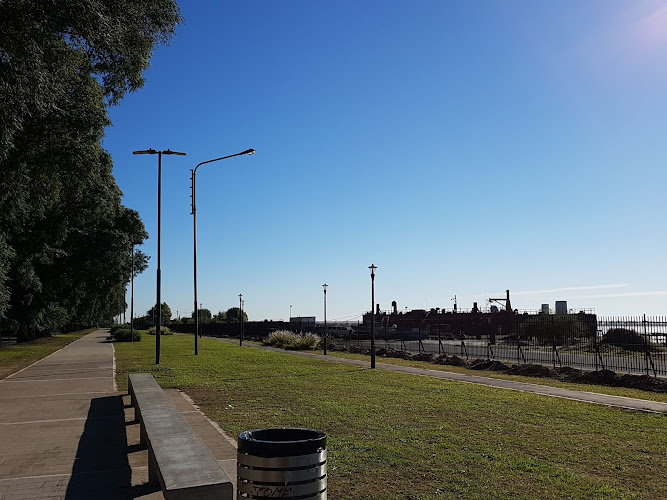
Paseo 20 de Junio.

Dr. Julio Marc Provincial Historical Museum

Circuito Del Puerto Rosario
Find Accommodations Nearby
Recommended Tours & Activities
Visitor Reviews
There are no reviews yet. Be the first one to write one.
Share Your Experience
Have you visited Museo Municipal de Bellas Artes Juan B. Castagnino? Help other travelers by leaving a review.