
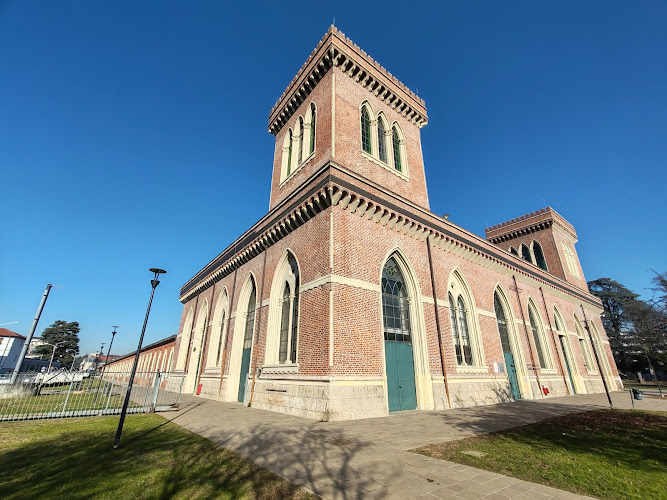
Museo del Tessile
About Museo del Tessile
Description
The Museo del Tessile stands as a fascinating testament to Italy's rich textile heritage, housed in a beautifully restored former industrial complex. Y'know, it's one of those places that really surprised me - I wasn't expecting to be so captivated by fabric and fashion history! The museum showcases the evolution of textile manufacturing from the 18th century to modern times, with an impressive collection of vintage machinery, fabric samples, and interactive exhibits that bring the story of textile production to life.Key Features
• Historical Machinery Collection - Including fully restored looms and spinning equipment that occasionally run for demonstrations • Textile Archive - Featuring over 6,000 fabric samples spanning three centuries • Interactive Exhibits - Where you can actually touch different fabric types and learn about weaving techniques • Educational Workshop Space - Regular hands-on activities and craft sessions for visitors of all ages • Temporary Exhibition Gallery - Rotating displays of contemporary textile art and fashion • Documentary Center - Housing rare documents and photographs from the region's textile industry • Historic Garden - A peaceful space showcasing plants traditionally used for natural dyesBest Time to Visit
From my experience, weekday mornings are absolutely perfect for exploring the museum - that's when it's usually quietest and you can really take your time with the exhibits. The lighting is also better for photography during morning hours, especially in the machinery hall. But here's a pro tip: try to catch one of their weekend demonstration days when they fire up some of the old machines - it's totally worth planning your visit around these special events! The museum tends to get busier during school terms with student groups, so if you're looking for a more relaxed visit, aim for school holidays or early afternoons.How to Get There
Getting to the Museo del Tessile is pretty straightforward. If you're using public transport, several local bus lines stop nearby - I usually hop on the one from the central station, it's about a 15-minute ride. For those driving, there's plenty of parking available right next to the museum. And honestly, I really enjoy walking there when the weather's nice - it's about a 20-minute stroll from the town center, and you get to see some cool old industrial architecture along the way.Tips for Visiting
Listen, I learned some of these the hard way, so here's what you should know: First off, wear comfortable shoes - you'll be doing more walking than you might expect. The museum is bigger than it looks from outside! Bring your camera because the lighting in the machinery hall is incredible for photos (just check if flash photography is allowed that day). Budget about 2-3 hours for your visit if you wanna really take everything in. The guided tours are totally worth it - the guides know their stuff and share amazing stories about the local textile industry that you won't find in the displays. Oh, and don't skip the hands-on area! Even if you're not typically into interactive exhibits, feeling the difference between various textile types really helps you understand the manufacturing process better. If you're visiting with kids, grab one of their activity sheets from the front desk - keeps them engaged throughout the whole visit. The museum shop is actually pretty good - they've got some unique locally-made textile products that make great souvenirs. And while there's no restaurant on-site, there are several nice cafes just a short walk away where you can grab lunch after your visit. If you're interested in the technical side of things, time your visit with one of their machinery demonstration sessions - they usually happen twice daily during peak season. And hey, don't forget to check their website before visiting - they often have special exhibitions that aren't part of the permanent collection. Lastly, if you're into photography, mornings are best for natural light, especially in the historic garden section. The machinery hall can be a bit tricky to photograph due to lighting contrasts, so a camera that handles low light well is useful.Key Features
- Key Features
- Best Time to Visit
- How to Get There
- Tips for Visiting
More Details
Updated May 18, 2025
Table of Contents
Description
The Museo del Tessile stands as a fascinating testament to Italy’s rich textile heritage, housed in a beautifully restored former industrial complex. Y’know, it’s one of those places that really surprised me – I wasn’t expecting to be so captivated by fabric and fashion history! The museum showcases the evolution of textile manufacturing from the 18th century to modern times, with an impressive collection of vintage machinery, fabric samples, and interactive exhibits that bring the story of textile production to life.
Key Features
• Historical Machinery Collection – Including fully restored looms and spinning equipment that occasionally run for demonstrations
• Textile Archive – Featuring over 6,000 fabric samples spanning three centuries
• Interactive Exhibits – Where you can actually touch different fabric types and learn about weaving techniques
• Educational Workshop Space – Regular hands-on activities and craft sessions for visitors of all ages
• Temporary Exhibition Gallery – Rotating displays of contemporary textile art and fashion
• Documentary Center – Housing rare documents and photographs from the region’s textile industry
• Historic Garden – A peaceful space showcasing plants traditionally used for natural dyes
Best Time to Visit
From my experience, weekday mornings are absolutely perfect for exploring the museum – that’s when it’s usually quietest and you can really take your time with the exhibits. The lighting is also better for photography during morning hours, especially in the machinery hall. But here’s a pro tip: try to catch one of their weekend demonstration days when they fire up some of the old machines – it’s totally worth planning your visit around these special events! The museum tends to get busier during school terms with student groups, so if you’re looking for a more relaxed visit, aim for school holidays or early afternoons.
How to Get There
Getting to the Museo del Tessile is pretty straightforward. If you’re using public transport, several local bus lines stop nearby – I usually hop on the one from the central station, it’s about a 15-minute ride. For those driving, there’s plenty of parking available right next to the museum. And honestly, I really enjoy walking there when the weather’s nice – it’s about a 20-minute stroll from the town center, and you get to see some cool old industrial architecture along the way.
Tips for Visiting
Listen, I learned some of these the hard way, so here’s what you should know: First off, wear comfortable shoes – you’ll be doing more walking than you might expect. The museum is bigger than it looks from outside! Bring your camera because the lighting in the machinery hall is incredible for photos (just check if flash photography is allowed that day).
Budget about 2-3 hours for your visit if you wanna really take everything in. The guided tours are totally worth it – the guides know their stuff and share amazing stories about the local textile industry that you won’t find in the displays.
Oh, and don’t skip the hands-on area! Even if you’re not typically into interactive exhibits, feeling the difference between various textile types really helps you understand the manufacturing process better. If you’re visiting with kids, grab one of their activity sheets from the front desk – keeps them engaged throughout the whole visit.
The museum shop is actually pretty good – they’ve got some unique locally-made textile products that make great souvenirs. And while there’s no restaurant on-site, there are several nice cafes just a short walk away where you can grab lunch after your visit.
If you’re interested in the technical side of things, time your visit with one of their machinery demonstration sessions – they usually happen twice daily during peak season. And hey, don’t forget to check their website before visiting – they often have special exhibitions that aren’t part of the permanent collection.
Lastly, if you’re into photography, mornings are best for natural light, especially in the historic garden section. The machinery hall can be a bit tricky to photograph due to lighting contrasts, so a camera that handles low light well is useful.
Key Highlights
- Key Features
- Best Time to Visit
- How to Get There
- Tips for Visiting
Location
Places to Stay Near Museo del Tessile
Find and Book a Tour
Explore More Travel Guides
No reviews found! Be the first to review!
Traveler Reviews for Museo del Tessile
There are no reviews yet. Be the first one to write one.
Have you visited Museo del Tessile? Help other travelers by sharing your review.
You Might Also Like
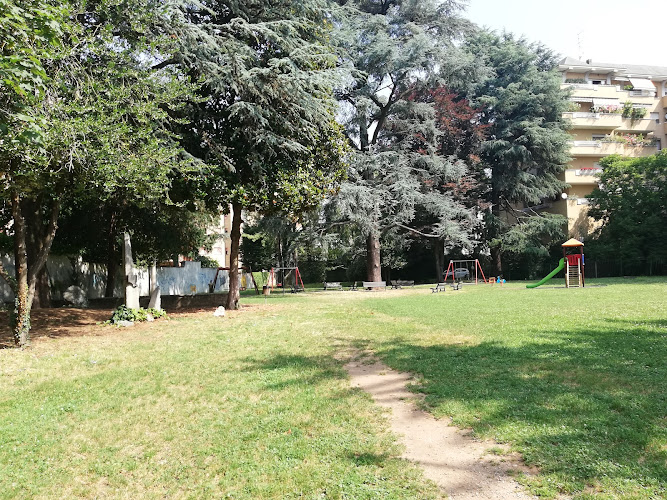
Parco Mameli
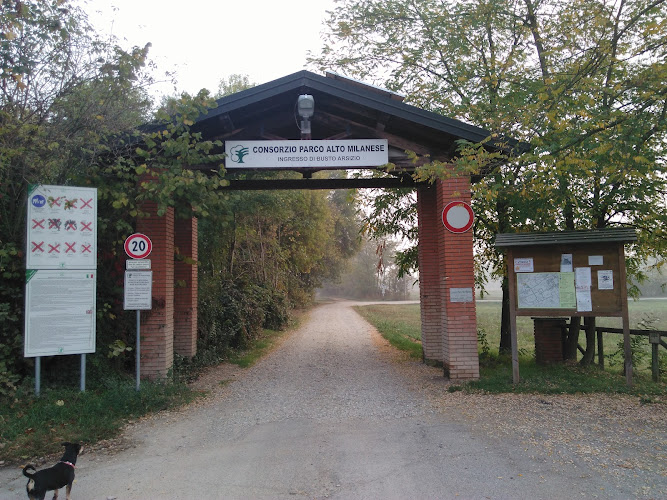
Consorzio Parco Alto Milanese
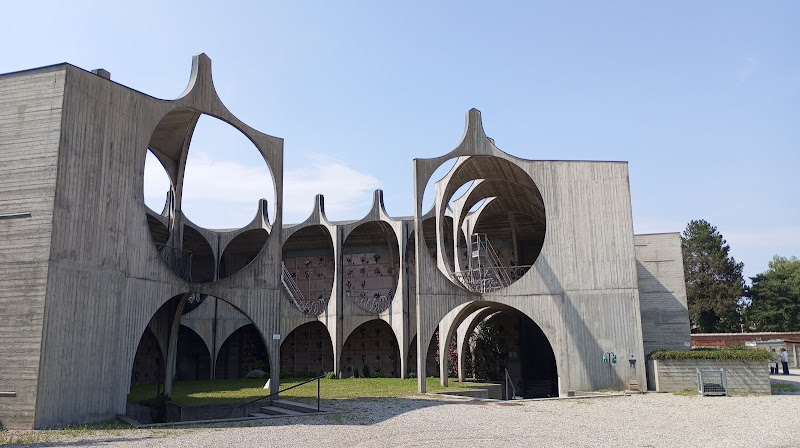
Main cemetery of Busto Arsizio
Find Accommodations Nearby
Recommended Tours & Activities
Visitor Reviews
There are no reviews yet. Be the first one to write one.
Share Your Experience
Have you visited Museo del Tessile? Help other travelers by leaving a review.