
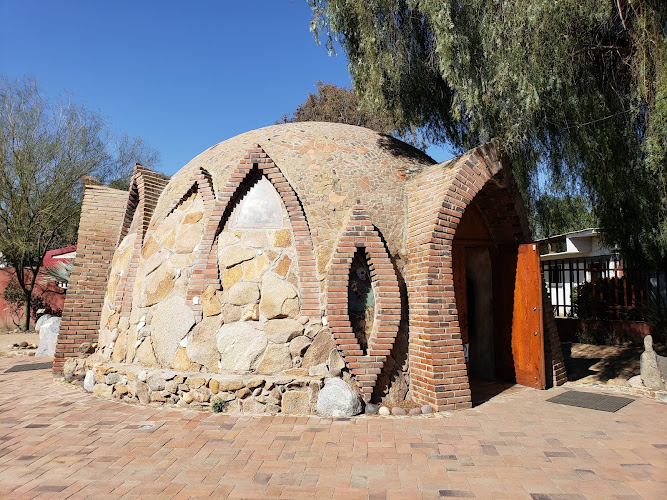
MUSEO COMUNITARIO DE TECATE
About MUSEO COMUNITARIO DE TECATE
Description
Set among the desert hills and borderland personality of Baja California, the MUSEO COMUNITARIO DE TECATE makes for a truly surprising stop—at least, that was my first experience. You'd be forgiven for thinking all border towns look mostly toward the future, not back, but walk through the doors here and suddenly you’re time traveling. It’s a community museum, sure, but it feels more like the soul of Tecate laid out before you: Kumiai culture seamlessly mixed with pioneer grit, old-school ranch life, indigenous stories, and that distinctive blend of Mexican-American borderland history.
This museum is not just four walls stacked with old things. It's a gathering place, a storytelling hub, run by locals who actually care that you "get it"—the history, the layers, the sometimes hard to define identity of the region. Permanent and rotating exhibits chart centuries of change, from ancient Kumiai artifacts and tools to photographs from the first days of the rancho era to Tecate’s rise thanks to the railway and even a nod to the town’s world-famous brewery. The layout isn’t flashy or sprawling like city museums, but, wow, it feels genuine—a living archive stitched together by neighbors who know what matters here.
It’s also got an endearing hands-on vibe. If you travel with kids, there’s stuff they’ll actually want to do, not just look at. You might catch a workshop, a local artisan at work, or hear live storytelling about Kumiai mythology—some days, if you’re lucky, elders or specialist guides are on hand to walk you through Kumiai cosmology, basket-making, and more. It’s not all ancient, though; modern Tecate—murals, community art projects, regional sculptures—are woven in, connecting yesterday and today. Accessibility is taken seriously here, too, so if you or someone you travel with uses a wheelchair, you’re in good hands. As someone who honestly gauges a spot partly by its friendliness, this place never feels pretentious or cold. Here, even the hardcore history buffs mingle with teens chasing local legends. That, to me, is the mark of a community museum done right.
Key Features
- Permanent exhibits focusing on Kumiai indigenous people—their culture, language, and life in the Baja California region
- Displays of early ranch and settlement history—think old adobe bricks, farming tools, and photos from the rancho days
- Exhibits on the development of Tecate, including the arrival of the railroad, and the local brewery’s importance
- Kumiai Museo Comunitario—special section dedicated to artifacts, crafts, and storytelling from the indigenous community. If you want authentic Baja lore, stop here!
- Educational guided tours (in Spanish, sometimes in English; ask when you arrive)—I highly recommend joining one, you’ll learn details you’d never pick up alone
- Rotating art exhibitions from local and regional artists—murals, sculptures, and multimedia that reflect Tecate’s border identity
- Interactive workshops and activities for all ages: from Kumiai crafts to regional history days (seriously, ask about the schedule, you might luck out)
- Thoughtful accessibility: wheelchair accessible entrance, restrooms, and parking lot. Families will appreciate how easy it is to get around with strollers and little ones in tow
- Community events that bring the museum to life—on holidays, the place feels like a block party meets a classroom. Locals gather, food trucks show up outside, and the museum staff go all-in on storytelling
- No onsite restaurant, but restrooms are available, and you’re within short walking distance of Tecate’s plaza, park, and cafes (grab a pan dulce or some tacos after your visit—your future self will thank you)
Best Time to Visit
Here’s where personal experience comes into play. Baja California’s weather is kinder than many folks expect. If you visit the MUSEO COMUNITARIO DE TECATE between October and April, the balmy, sunny days make for pleasant wandering without breaking a sweat. Tecate is quieter on weekday mornings—school groups tend to come in the afternoons—so you’ll have more time to soak in the exhibits at your own pace. Weekends, though, have a livelier vibe: Saturday often sees regional artists and community groups doing pop-up events, while Sunday sometimes brings free or reduced admission (check ahead, as these things can change with local budgets and events).
If cultural festivals or Kumiai events catch your eye, try to coincide your trip with spring or early autumn—those seasons are prime for music, outdoor storytelling sessions, and hands-on workshops. There’s also something magic about visiting Tecate during local fiestas, like Día de los Muertos or national holidays, when the museum puts on special exhibits and the mood in town is festive and neighborly (I personally love wandering out after dusk to listen to the plaza musicians). Avoid the hottest summer afternoons unless you thrive in dry heat, as the pace can slow down, and some events move indoors or take a pause.
How to Get There
You’ll find the MUSEO COMUNITARIO DE TECATE tucked in what feels, to an outsider, like the heart of the city—though Tecate keeps its downtown cozy and very walkable. Coming from Tijuana, the drive is straightforward: about an hour east through winding mountain roads, with views that make you want to pull over just for the vistas. From San Diego, border crossing permitting, it’s about 40 minutes—just long enough to justify a morning road trip. The drive in itself is part of the experience; you get a sense of the borderland geography that shapes so much of the region’s history and identity.
Parking isn’t generally a hassle in this part of Tecate. There’s both street and wheelchair-accessible parking close by; I’ve never had to do more than a two-minute walk, even on busy Saturdays. If you’re already in the city center, plan to walk from Plaza Hidalgo through Parque Miguel Hidalgo and along the city’s main avenues. You’ll spot murals, statues, and plenty of open-air charm en route.
If you prefer public transport, buses run regularly from Tijuana and Ensenada. Check schedules, though—they’re not like big-city lines. If you’re coming as part of a tour or educational group, contact the museum ahead for group visits; they’re accommodating and will help set up extra guides or activities.
Tips for Visiting
- Brush up on a little Spanish—most signage is bilingual, but the best stories and nuances often come out in conversation with museum hosts. Even a simple “¿Me puede contar más?” (Can you tell me more?) opens doors.
- Plan on 1-2 hours: The MUSEO COMUNITARIO DE TECATE isn’t sprawling, but there’s a lot to take in. Give yourself time to linger, read the photo captions, and chat with staff if you’re curious. You may end up wishing you’d set aside half a day—especially if you get drawn into a workshop or live demonstration (like I once did with a Kumiai elder, totally unexpectedly).
- No restaurant onsite: But you’re steps from the city plaza, where you can refuel with classic Mexican treats. Tecate’s bakeries are legendary—try a cheese-filled panecillo. Every time I come, I promise myself I’ll skip carbs. I never do.
- Accessibility is excellent: The whole layout is wheelchair and stroller-friendly, from the entrance to restrooms. If anyone in your group has accessibility needs, let the museum know when you arrive—they're happy to help.
- Photographs are allowed (usually without flash): Some temporary exhibits may have different rules, so check for signage. And, hey, be cool about not taking close-ups of sacred or sensitive artifact displays—it’s just good manners.
- Check event schedules: Special workshops—especially about Kumiai culture, local cuisine, or artisan crafts—can transform your visit. Some of my favorite travel memories come from “unexpected” finds, and this museum comes alive during their community days.
- Bring kids—seriously: This place is designed for curious little hands. There are interactive sections, and staff are patient. (Some parents report it’s the only museum their kids didn’t get bored in.)
- Combine your visit: Plan to stroll the park, snap a photo at the Tecate letters, or check out local shops. If you’re a beer aficionado, the Tecate brewery is close—though, heads up, brewery tours require scheduling elsewhere.
- Respect the space: The museum is a passion project for the Tecate community and Kumiai partners. Treat it like you’re in a neighbor’s living room by being courteous and giving space for school or community groups doing their thing.
- Not every museum is a “must-see” for everyone, but the MUSEO COMUNITARIO DE TECATE has a way of surprising even jaded travelers (this one included). Often, it’s the little stories and genuine people that stick with you when you leave.
Whether you're a hardcore history buff, a family looking for real cultural connection, an artist, or just driving through Baja California, stopping at this museum adds color and context to your journey. The stories of Tecate’s Kumiai, old townsfolk, and modern artists are worth your time—and who knows, maybe you’ll leave with a new perspective on what “community” means along the borderlands of Mexico.
Key Features
- Permanent displays of municipal and family artifacts (photographs, tools, household items)
- Exhibits highlighting the arrival of the railway and Tecate’s industrial history
- Kumiai traditional house reconstruction and ethnobotanical gardens
- Rotating temporary exhibitions and community-focused programming
- Located within Centro Cultural de Tecate (CECUTEC) with a small gift shop
More Details
Updated August 2, 2025
Table of Contents
Description
Set among the desert hills and borderland personality of Baja California, the MUSEO COMUNITARIO DE TECATE makes for a truly surprising stop—at least, that was my first experience. You’d be forgiven for thinking all border towns look mostly toward the future, not back, but walk through the doors here and suddenly you’re time traveling. It’s a community museum, sure, but it feels more like the soul of Tecate laid out before you: Kumiai culture seamlessly mixed with pioneer grit, old-school ranch life, indigenous stories, and that distinctive blend of Mexican-American borderland history.
This museum is not just four walls stacked with old things. It’s a gathering place, a storytelling hub, run by locals who actually care that you “get it”—the history, the layers, the sometimes hard to define identity of the region. Permanent and rotating exhibits chart centuries of change, from ancient Kumiai artifacts and tools to photographs from the first days of the rancho era to Tecate’s rise thanks to the railway and even a nod to the town’s world-famous brewery. The layout isn’t flashy or sprawling like city museums, but, wow, it feels genuine—a living archive stitched together by neighbors who know what matters here.
It’s also got an endearing hands-on vibe. If you travel with kids, there’s stuff they’ll actually want to do, not just look at. You might catch a workshop, a local artisan at work, or hear live storytelling about Kumiai mythology—some days, if you’re lucky, elders or specialist guides are on hand to walk you through Kumiai cosmology, basket-making, and more. It’s not all ancient, though; modern Tecate—murals, community art projects, regional sculptures—are woven in, connecting yesterday and today. Accessibility is taken seriously here, too, so if you or someone you travel with uses a wheelchair, you’re in good hands. As someone who honestly gauges a spot partly by its friendliness, this place never feels pretentious or cold. Here, even the hardcore history buffs mingle with teens chasing local legends. That, to me, is the mark of a community museum done right.
Key Features
- Permanent exhibits focusing on Kumiai indigenous people—their culture, language, and life in the Baja California region
- Displays of early ranch and settlement history—think old adobe bricks, farming tools, and photos from the rancho days
- Exhibits on the development of Tecate, including the arrival of the railroad, and the local brewery’s importance
- Kumiai Museo Comunitario—special section dedicated to artifacts, crafts, and storytelling from the indigenous community. If you want authentic Baja lore, stop here!
- Educational guided tours (in Spanish, sometimes in English; ask when you arrive)—I highly recommend joining one, you’ll learn details you’d never pick up alone
- Rotating art exhibitions from local and regional artists—murals, sculptures, and multimedia that reflect Tecate’s border identity
- Interactive workshops and activities for all ages: from Kumiai crafts to regional history days (seriously, ask about the schedule, you might luck out)
- Thoughtful accessibility: wheelchair accessible entrance, restrooms, and parking lot. Families will appreciate how easy it is to get around with strollers and little ones in tow
- Community events that bring the museum to life—on holidays, the place feels like a block party meets a classroom. Locals gather, food trucks show up outside, and the museum staff go all-in on storytelling
- No onsite restaurant, but restrooms are available, and you’re within short walking distance of Tecate’s plaza, park, and cafes (grab a pan dulce or some tacos after your visit—your future self will thank you)
Best Time to Visit
Here’s where personal experience comes into play. Baja California’s weather is kinder than many folks expect. If you visit the MUSEO COMUNITARIO DE TECATE between October and April, the balmy, sunny days make for pleasant wandering without breaking a sweat. Tecate is quieter on weekday mornings—school groups tend to come in the afternoons—so you’ll have more time to soak in the exhibits at your own pace. Weekends, though, have a livelier vibe: Saturday often sees regional artists and community groups doing pop-up events, while Sunday sometimes brings free or reduced admission (check ahead, as these things can change with local budgets and events).
If cultural festivals or Kumiai events catch your eye, try to coincide your trip with spring or early autumn—those seasons are prime for music, outdoor storytelling sessions, and hands-on workshops. There’s also something magic about visiting Tecate during local fiestas, like Día de los Muertos or national holidays, when the museum puts on special exhibits and the mood in town is festive and neighborly (I personally love wandering out after dusk to listen to the plaza musicians). Avoid the hottest summer afternoons unless you thrive in dry heat, as the pace can slow down, and some events move indoors or take a pause.
How to Get There
You’ll find the MUSEO COMUNITARIO DE TECATE tucked in what feels, to an outsider, like the heart of the city—though Tecate keeps its downtown cozy and very walkable. Coming from Tijuana, the drive is straightforward: about an hour east through winding mountain roads, with views that make you want to pull over just for the vistas. From San Diego, border crossing permitting, it’s about 40 minutes—just long enough to justify a morning road trip. The drive in itself is part of the experience; you get a sense of the borderland geography that shapes so much of the region’s history and identity.
Parking isn’t generally a hassle in this part of Tecate. There’s both street and wheelchair-accessible parking close by; I’ve never had to do more than a two-minute walk, even on busy Saturdays. If you’re already in the city center, plan to walk from Plaza Hidalgo through Parque Miguel Hidalgo and along the city’s main avenues. You’ll spot murals, statues, and plenty of open-air charm en route.
If you prefer public transport, buses run regularly from Tijuana and Ensenada. Check schedules, though—they’re not like big-city lines. If you’re coming as part of a tour or educational group, contact the museum ahead for group visits; they’re accommodating and will help set up extra guides or activities.
Tips for Visiting
- Brush up on a little Spanish—most signage is bilingual, but the best stories and nuances often come out in conversation with museum hosts. Even a simple “¿Me puede contar más?” (Can you tell me more?) opens doors.
- Plan on 1-2 hours: The MUSEO COMUNITARIO DE TECATE isn’t sprawling, but there’s a lot to take in. Give yourself time to linger, read the photo captions, and chat with staff if you’re curious. You may end up wishing you’d set aside half a day—especially if you get drawn into a workshop or live demonstration (like I once did with a Kumiai elder, totally unexpectedly).
- No restaurant onsite: But you’re steps from the city plaza, where you can refuel with classic Mexican treats. Tecate’s bakeries are legendary—try a cheese-filled panecillo. Every time I come, I promise myself I’ll skip carbs. I never do.
- Accessibility is excellent: The whole layout is wheelchair and stroller-friendly, from the entrance to restrooms. If anyone in your group has accessibility needs, let the museum know when you arrive—they’re happy to help.
- Photographs are allowed (usually without flash): Some temporary exhibits may have different rules, so check for signage. And, hey, be cool about not taking close-ups of sacred or sensitive artifact displays—it’s just good manners.
- Check event schedules: Special workshops—especially about Kumiai culture, local cuisine, or artisan crafts—can transform your visit. Some of my favorite travel memories come from “unexpected” finds, and this museum comes alive during their community days.
- Bring kids—seriously: This place is designed for curious little hands. There are interactive sections, and staff are patient. (Some parents report it’s the only museum their kids didn’t get bored in.)
- Combine your visit: Plan to stroll the park, snap a photo at the Tecate letters, or check out local shops. If you’re a beer aficionado, the Tecate brewery is close—though, heads up, brewery tours require scheduling elsewhere.
- Respect the space: The museum is a passion project for the Tecate community and Kumiai partners. Treat it like you’re in a neighbor’s living room by being courteous and giving space for school or community groups doing their thing.
- Not every museum is a “must-see” for everyone, but the MUSEO COMUNITARIO DE TECATE has a way of surprising even jaded travelers (this one included). Often, it’s the little stories and genuine people that stick with you when you leave.
Whether you’re a hardcore history buff, a family looking for real cultural connection, an artist, or just driving through Baja California, stopping at this museum adds color and context to your journey. The stories of Tecate’s Kumiai, old townsfolk, and modern artists are worth your time—and who knows, maybe you’ll leave with a new perspective on what “community” means along the borderlands of Mexico.
Key Highlights
- Permanent displays of municipal and family artifacts (photographs, tools, household items)
- Exhibits highlighting the arrival of the railway and Tecate’s industrial history
- Kumiai traditional house reconstruction and ethnobotanical gardens
- Rotating temporary exhibitions and community-focused programming
- Located within Centro Cultural de Tecate (CECUTEC) with a small gift shop
Location
Places to Stay Near MUSEO COMUNITARIO DE TECATE
Find and Book a Tour
Explore More Travel Guides
No reviews found! Be the first to review!
Traveler Reviews for MUSEO COMUNITARIO DE TECATE
There are no reviews yet. Be the first one to write one.
Have you visited MUSEO COMUNITARIO DE TECATE? Help other travelers by sharing your review.
Nearby Attractions
You Might Also Like
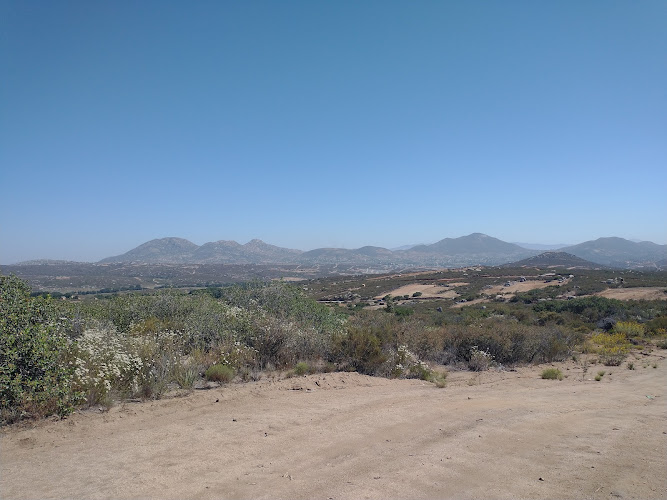
Las Cumbres de Tanama
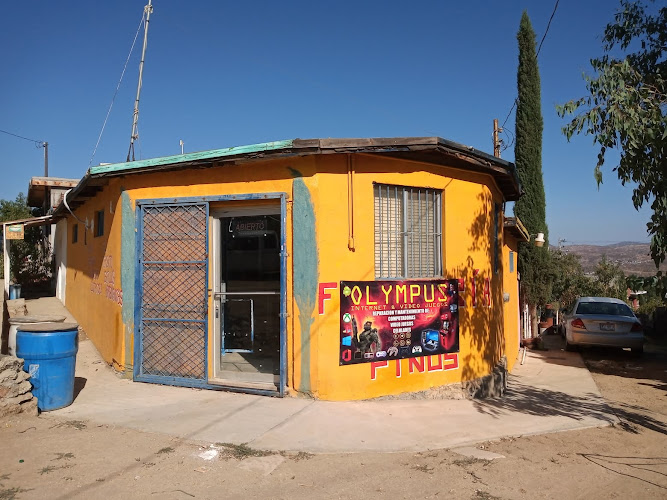
Olympus Internet Y Video Juegos
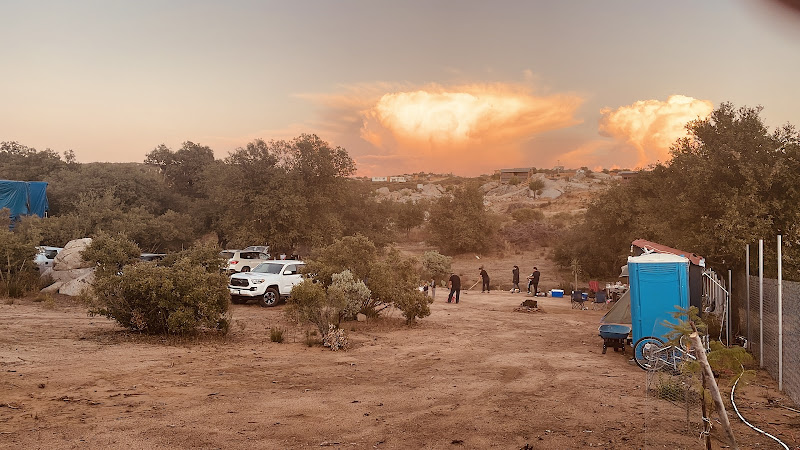
Finca San Andres
Find Accommodations Nearby
Recommended Tours & Activities
Visitor Reviews
There are no reviews yet. Be the first one to write one.
Share Your Experience
Have you visited MUSEO COMUNITARIO DE TECATE? Help other travelers by leaving a review.