About Municipality of Bahía Blanca

Description

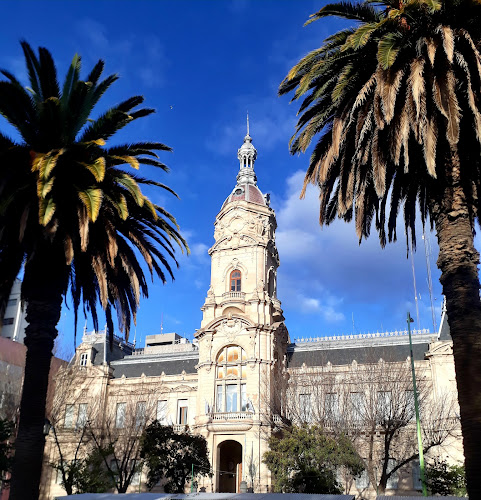
The Municipality of Bahía Blanca stands as the administrative heart of this southern Buenos Aires city, a place where daily governance meets the rhythm of local life. It’s not just a government office—it’s the pulse point of civic organization, where residents come for everything from permits to community events. The building itself feels both official and approachable, with its stately architecture reflecting the city’s long history since its founding in 1828 by Colonel Ramón Estomba. You can sense that blend of heritage and modernity the moment you walk in—the polished floors, the echo of footsteps in the hallways, the quiet hum of people getting things done.

What strikes many visitors, myself included, is how the place manages to balance formality with friendliness. The staff are generally helpful, though like anywhere, patience goes a long way. Some people leave with glowing impressions, others with a few grumbles about waiting times or paperwork—but that’s bureaucracy for you, right? Still, there’s something admirable about how the municipality keeps adapting, digitizing more services, and trying to make life easier for both locals and travelers who might need official assistance while in town.

The building is fully accessible, with wheelchair-friendly entrances and parking, and clean restrooms for public use. It’s clear the city has made an effort to ensure inclusivity, which says a lot about its character. And if you’re into architecture or civic history, you’ll find the structure itself worth a glance—its neoclassical touches and solid presence speak to Bahía Blanca’s growth from a fortified outpost to a bustling port city. Even if you’re not there on official business, it’s a meaningful stop for those curious about how the city functions behind the scenes.

Key Features

  • Architectural significance: The building reflects the city’s evolution, blending historical design with modern updates.
  • Accessibility: Wheelchair-accessible entrances and parking make it convenient for all visitors.
  • Public amenities: Restrooms and waiting areas are maintained for comfort and functionality.
  • Central location: Situated in the core of Bahía Blanca, close to cafes, shops, and cultural landmarks.
  • Local engagement: Hosts community meetings, public hearings, and cultural initiatives that connect citizens and travelers alike.
  • Helpful staff: While service experiences vary, most visitors find the personnel courteous and informative.

What I personally love about this place is how it feels like a snapshot of the city’s personality—organized, proud, yet grounded. You’ll often see locals chatting outside, maybe grabbing a coffee from a nearby kiosk, or students passing by on their way to class. It’s a small but telling piece of Bahía Blanca’s everyday life.

Best Time to Visit

If you’re planning to visit the Municipality of Bahía Blanca, timing can make a real difference. The best months to be in the city are from late September through early April, when the weather is mild and the streets feel alive. Summer brings warm breezes from the Atlantic, while spring paints the parks with jacaranda blooms. During these months, the city’s administrative offices operate in full swing, and you’ll find more cultural activities happening nearby—open-air concerts, artisan fairs, and food festivals that spill into the surrounding plazas.

Try to avoid visiting right around national holidays or the first week of January, when many Argentines take their vacations and government offices may have limited hours. Personally, I find early morning visits the best—there’s less foot traffic, the staff are fresh, and you can pair your trip with a leisurely breakfast at one of the cafés nearby. And if you’re a photographer, the soft morning light makes the building’s façade look particularly striking.

How to Get There

Reaching the Municipality of Bahía Blanca is straightforward. The city itself is a major hub in southern Buenos Aires Province, connected by road, rail, and air. If you’re coming from Buenos Aires City, you can catch a flight to Comandante Espora Airport, located about 12 kilometers from downtown. Taxis and rideshare services are available at the terminal, and the ride into the city takes roughly 20 minutes depending on traffic.

For those who prefer ground travel, long-distance buses run regularly from Buenos Aires and other major cities like Mar del Plata and Neuquén. The Bahía Blanca bus terminal is conveniently close to the city center, making it easy to reach the municipality by local bus, taxi, or even on foot if you don’t mind a short stroll. Driving is another good option—Argentina’s Route 3 connects Bahía Blanca directly with the capital and the southern Patagonia region, offering some beautiful coastal scenery along the way.

Once you’re in the city center, getting around is simple. The downtown area is compact and walkable, and most major landmarks, including the municipality, are within a few blocks of each other. If you’re staying nearby, you might even enjoy walking through the shaded streets, stopping for a medialuna (that’s a local pastry you’ll quickly fall in love with) before heading to your destination.

Tips for Visiting

Visiting a local government office while traveling might not sound like the most thrilling part of your itinerary, but in Bahía Blanca, it can be surprisingly insightful. Here are a few tips to make your visit smoother and maybe even enjoyable:

  • Go early: Like most administrative offices, mornings are the calmest time. Arriving right when it opens can save you a lot of waiting.
  • Bring identification: If you’re handling official matters, make sure to carry your passport or ID. Argentines are sticklers for paperwork, and you’ll need it for almost anything.
  • Ask for help: Don’t hesitate to ask staff for guidance—they’re used to assisting visitors and can often point you in the right direction faster than any sign can.
  • Learn a few Spanish phrases: English isn’t always widely spoken, so a friendly “buen día” or “gracias” goes a long way.
  • Explore the area: After your visit, take a short walk around the surrounding streets. You’ll find small bakeries, local shops, and even a few historic buildings that tell the story of Bahía Blanca’s growth.
  • Stay patient: Bureaucracy can be slow anywhere in the world. Take a deep breath, enjoy the process, and maybe people-watch while you wait—it’s part of the local experience.

One small personal story: the first time I went there, I was expecting the usual cold, bureaucratic vibe. But instead, I ended up chatting with a clerk who told me about his grandfather’s days working at the nearby port. That little conversation somehow made the entire visit feel warmer, more human. It reminded me that government buildings aren’t just about paperwork—they’re full of stories, of people who keep the city running day after day.

And if you’re the kind of traveler who likes to understand a place beyond its tourist attractions, the Municipality of Bahía Blanca offers a unique window into the city’s civic life. You’ll see how locals interact with their government, how the city organizes itself, and how tradition and progress coexist in this corner of Argentina. It’s a small detour that gives you a bigger picture of the community you’re exploring.

In short, whether you’re stopping by to handle something official, admire the architecture, or simply satisfy your curiosity, the Municipality of Bahía Blanca is worth your time. It’s an authentic piece of the city’s identity—steady, approachable, and quietly proud of its role in shaping everyday life. And who knows, you might even leave with a story of your own to tell.

Key Features

  • Key Features
  • Best Time to Visit
  • How to Get There
  • Tips for Visiting

More Details

Updated November 9, 2025

Description

The Municipality of Bahía Blanca stands as the administrative heart of this southern Buenos Aires city, a place where daily governance meets the rhythm of local life. It’s not just a government office—it’s the pulse point of civic organization, where residents come for everything from permits to community events. The building itself feels both official and approachable, with its stately architecture reflecting the city’s long history since its founding in 1828 by Colonel Ramón Estomba. You can sense that blend of heritage and modernity the moment you walk in—the polished floors, the echo of footsteps in the hallways, the quiet hum of people getting things done.

What strikes many visitors, myself included, is how the place manages to balance formality with friendliness. The staff are generally helpful, though like anywhere, patience goes a long way. Some people leave with glowing impressions, others with a few grumbles about waiting times or paperwork—but that’s bureaucracy for you, right? Still, there’s something admirable about how the municipality keeps adapting, digitizing more services, and trying to make life easier for both locals and travelers who might need official assistance while in town.

The building is fully accessible, with wheelchair-friendly entrances and parking, and clean restrooms for public use. It’s clear the city has made an effort to ensure inclusivity, which says a lot about its character. And if you’re into architecture or civic history, you’ll find the structure itself worth a glance—its neoclassical touches and solid presence speak to Bahía Blanca’s growth from a fortified outpost to a bustling port city. Even if you’re not there on official business, it’s a meaningful stop for those curious about how the city functions behind the scenes.

Key Features

  • Architectural significance: The building reflects the city’s evolution, blending historical design with modern updates.
  • Accessibility: Wheelchair-accessible entrances and parking make it convenient for all visitors.
  • Public amenities: Restrooms and waiting areas are maintained for comfort and functionality.
  • Central location: Situated in the core of Bahía Blanca, close to cafes, shops, and cultural landmarks.
  • Local engagement: Hosts community meetings, public hearings, and cultural initiatives that connect citizens and travelers alike.
  • Helpful staff: While service experiences vary, most visitors find the personnel courteous and informative.

What I personally love about this place is how it feels like a snapshot of the city’s personality—organized, proud, yet grounded. You’ll often see locals chatting outside, maybe grabbing a coffee from a nearby kiosk, or students passing by on their way to class. It’s a small but telling piece of Bahía Blanca’s everyday life.

Best Time to Visit

If you’re planning to visit the Municipality of Bahía Blanca, timing can make a real difference. The best months to be in the city are from late September through early April, when the weather is mild and the streets feel alive. Summer brings warm breezes from the Atlantic, while spring paints the parks with jacaranda blooms. During these months, the city’s administrative offices operate in full swing, and you’ll find more cultural activities happening nearby—open-air concerts, artisan fairs, and food festivals that spill into the surrounding plazas.

Try to avoid visiting right around national holidays or the first week of January, when many Argentines take their vacations and government offices may have limited hours. Personally, I find early morning visits the best—there’s less foot traffic, the staff are fresh, and you can pair your trip with a leisurely breakfast at one of the cafés nearby. And if you’re a photographer, the soft morning light makes the building’s façade look particularly striking.

How to Get There

Reaching the Municipality of Bahía Blanca is straightforward. The city itself is a major hub in southern Buenos Aires Province, connected by road, rail, and air. If you’re coming from Buenos Aires City, you can catch a flight to Comandante Espora Airport, located about 12 kilometers from downtown. Taxis and rideshare services are available at the terminal, and the ride into the city takes roughly 20 minutes depending on traffic.

For those who prefer ground travel, long-distance buses run regularly from Buenos Aires and other major cities like Mar del Plata and Neuquén. The Bahía Blanca bus terminal is conveniently close to the city center, making it easy to reach the municipality by local bus, taxi, or even on foot if you don’t mind a short stroll. Driving is another good option—Argentina’s Route 3 connects Bahía Blanca directly with the capital and the southern Patagonia region, offering some beautiful coastal scenery along the way.

Once you’re in the city center, getting around is simple. The downtown area is compact and walkable, and most major landmarks, including the municipality, are within a few blocks of each other. If you’re staying nearby, you might even enjoy walking through the shaded streets, stopping for a medialuna (that’s a local pastry you’ll quickly fall in love with) before heading to your destination.

Tips for Visiting

Visiting a local government office while traveling might not sound like the most thrilling part of your itinerary, but in Bahía Blanca, it can be surprisingly insightful. Here are a few tips to make your visit smoother and maybe even enjoyable:

  • Go early: Like most administrative offices, mornings are the calmest time. Arriving right when it opens can save you a lot of waiting.
  • Bring identification: If you’re handling official matters, make sure to carry your passport or ID. Argentines are sticklers for paperwork, and you’ll need it for almost anything.
  • Ask for help: Don’t hesitate to ask staff for guidance—they’re used to assisting visitors and can often point you in the right direction faster than any sign can.
  • Learn a few Spanish phrases: English isn’t always widely spoken, so a friendly “buen día” or “gracias” goes a long way.
  • Explore the area: After your visit, take a short walk around the surrounding streets. You’ll find small bakeries, local shops, and even a few historic buildings that tell the story of Bahía Blanca’s growth.
  • Stay patient: Bureaucracy can be slow anywhere in the world. Take a deep breath, enjoy the process, and maybe people-watch while you wait—it’s part of the local experience.

One small personal story: the first time I went there, I was expecting the usual cold, bureaucratic vibe. But instead, I ended up chatting with a clerk who told me about his grandfather’s days working at the nearby port. That little conversation somehow made the entire visit feel warmer, more human. It reminded me that government buildings aren’t just about paperwork—they’re full of stories, of people who keep the city running day after day.

And if you’re the kind of traveler who likes to understand a place beyond its tourist attractions, the Municipality of Bahía Blanca offers a unique window into the city’s civic life. You’ll see how locals interact with their government, how the city organizes itself, and how tradition and progress coexist in this corner of Argentina. It’s a small detour that gives you a bigger picture of the community you’re exploring.

In short, whether you’re stopping by to handle something official, admire the architecture, or simply satisfy your curiosity, the Municipality of Bahía Blanca is worth your time. It’s an authentic piece of the city’s identity—steady, approachable, and quietly proud of its role in shaping everyday life. And who knows, you might even leave with a story of your own to tell.

Key Highlights

  • Key Features
  • Best Time to Visit
  • How to Get There
  • Tips for Visiting

Location

Places to Stay Near Municipality of Bahía Blanca

Find and Book a Tour

Explore More Travel Guides

No reviews found! Be the first to review!

Traveler Reviews for Municipality of Bahía Blanca

There are no reviews yet. Be the first one to write one.

Share Your Experience

Have you visited Municipality of Bahía Blanca? Help other travelers by sharing your review.

Find Accommodations Nearby

Recommended Tours & Activities

Visitor Reviews

There are no reviews yet. Be the first one to write one.

Share Your Experience

Have you visited Municipality of Bahía Blanca? Help other travelers by leaving a review.