
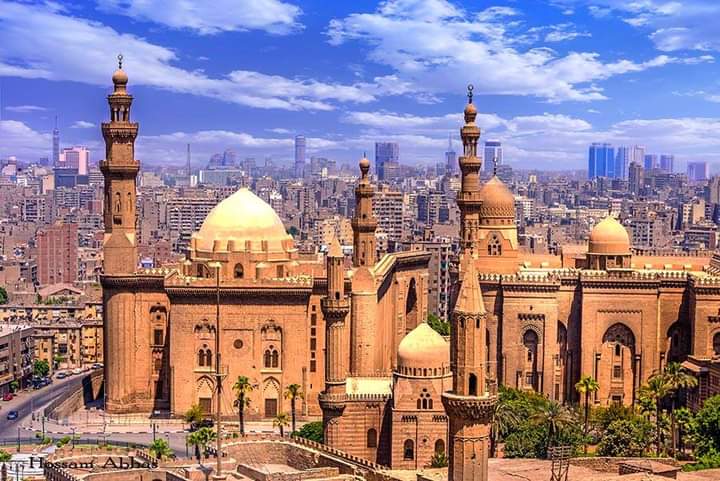
Mosque-Madrasa of Sultan Hassan
About Mosque-Madrasa of Sultan Hassan
Description
The Mosque-Madrasa of Sultan Hassan in Cairo is one of those rare places that make you stop mid-step and just stare. It’s not only massive—like, jaw-droppingly huge—but it’s also breathtakingly intricate. Built between 1356 and 1363 under the rule of Sultan an-Nasir Hasan, this Mamluk-era masterpiece is a blend of faith, power, and architectural ambition. It’s part mosque, part madrasa (school), and part mausoleum, all wrapped into one grand complex that has stood the test of time and Cairo’s ever-bustling chaos.
Walking through its towering entrance feels like stepping back into the 14th century. The echo of footsteps on the cool stone floors, the faint smell of dust and incense, and the play of light filtering through latticed windows—it all feels almost cinematic. The scale of the courtyard alone is staggering, framed by four iwans (vaulted halls) that represent the four Sunni schools of Islamic jurisprudence. And then there’s the central fountain, which seems to hum quietly in the middle of the vast space, offering a moment of calm in the heart of Cairo’s noise.
What’s fascinating is how this place manages to feel both grand and intimate. Sure, it’s monumental in design, but there’s a quiet spirituality that lingers in every corridor. The craftsmanship is meticulous—carved stone, geometric patterns, and inscriptions that look as though they were etched just yesterday. You can tell Sultan Hasan wanted something that would outlast him, and well, it did. Despite its age, the mosque still feels alive, still relevant, still awe-inspiring.
Key Features
- Architectural Grandeur: The mosque’s monumental scale—some 150 feet high at its main entrance—makes it one of the largest in the Islamic world.
- Four Madrasas: Each iwan represents one of the four Sunni schools of thought: Hanafi, Maliki, Shafi‘i, and Hanbali, a rare feature in Islamic architecture.
- Mausoleum of Sultan Hasan: The sultan’s intended resting place lies under a majestic dome, although history tells us he never actually made it there.
- Exquisite Stonework: The walls and mihrab are adorned with marble inlays and calligraphy that reflect the height of Mamluk artistry.
- Acoustic Perfection: The design allows a single voice to carry throughout the prayer hall, an impressive feat of medieval engineering.
- Accessibility: The site offers wheelchair-accessible entrances, restrooms, and parking, making it welcoming to all visitors.
- Peaceful Courtyard: The open-air courtyard framed by towering iwans is perfect for reflection or simply soaking in the atmosphere.
- Historical Significance: Built during a politically turbulent time, the mosque symbolized both Sultan Hasan’s ambition and the artistic peak of the Mamluk era.
Best Time to Visit
If you ask me, early morning is the sweet spot. The light hits the stone just right, casting long, soft shadows that make the carvings come alive. Plus, it’s quieter—you’ll likely have the place almost to yourself except for a few locals or caretakers sweeping the courtyard. Late afternoon is another magical time, especially when the call to prayer echoes through the old city. It’s one of those goosebump moments you don’t forget easily.
Cairo can get scorching hot, especially between June and August, so if you’re not a fan of melting in your shoes, plan your visit between October and April. The weather’s cooler, the air’s clearer, and you can actually enjoy wandering without constantly seeking shade. Fridays tend to be busier since it’s the main day of prayer, so weekdays are ideal if you want a more relaxed experience.
How to Get There
The Mosque-Madrasa of Sultan Hassan sits right in the heart of historic Cairo, not far from the Citadel. If you’re staying downtown, a short taxi or Uber ride will get you there in about 15 minutes, depending on traffic—which, let’s be honest, in Cairo can mean anything from a quick breeze to a full-blown adventure. Public buses and microbuses also pass nearby, but if you’re new to the city, a ride-share or private car might be the easier route.
Once you arrive, you’ll likely spot the mosque before you even realize it’s the destination. Its massive façade looms over the surrounding area, and right across the street stands the Al-Rifa’i Mosque—another beauty worth peeking into if you’ve got the time. Most visitors combine both in one trip, which makes for a perfect half-day of exploring Cairo’s architectural gems.
And here’s a small tip from personal experience: bring small change for entry fees or tips for the caretakers—they’re usually friendly and may even share a few stories about the place if you show genuine interest.
Tips for Visiting
There’s something about visiting a centuries-old mosque that demands a bit of mindfulness. This isn’t just a tourist attraction—it’s still a place of worship, and that deserves respect. Here are a few things to keep in mind:
- Dress Modestly: Long pants or skirts and covered shoulders are a must. Women might be asked to cover their hair, so carrying a light scarf is a good idea.
- Shoes Off: You’ll need to remove your shoes before entering prayer areas. Bring socks if you’re not keen on walking barefoot on stone floors.
- Photography: Photography is generally allowed, but always ask before snapping pictures of people. The architecture is stunning, so you’ll want to take your time capturing it.
- Quiet Reflection: The acoustics are so sharp that even whispers carry. Keep your voice low, especially if prayers are taking place.
- Combine Visits: Since the Al-Rifa’i Mosque is right next door, it’s worth exploring both sites together for a deeper dive into Cairo’s religious architecture.
- Hydrate: Cairo’s heat can sneak up on you. Bring water, but avoid drinking inside the prayer areas.
- Guided Tours: Hiring a local guide can really enhance your visit. They’ll share stories and details you’d easily miss on your own—like how the dome was once among the largest in the world when it was built.
One thing I’ve always loved about this place is how it surprises you. You expect grandeur, sure, but it’s the small things that stay with you—the echo of your footsteps, the flicker of sunlight on marble, the quiet nods of worshippers who’ve probably been coming here for decades. It’s humbling, really, to stand in a space that has witnessed so many centuries of faith, learning, and history.
And if you’re the kind of traveler who loves photography, architecture, or just getting lost in history, you’ll find yourself lingering here longer than planned. The Mosque-Madrasa of Sultan Hassan isn’t just a stop on a Cairo itinerary—it’s an experience that stays with you long after you’ve left.
So, take your time. Let the walls speak. And maybe, as you stand in that vast courtyard gazing up at the dome, you’ll feel a little of what Sultan Hasan might have felt centuries ago—a mix of pride, peace, and awe at what human hands and faith can build together.
Key Features
- Key Features
- Best Time to Visit
- How to Get There
- Tips for Visiting
More Details
Updated October 9, 2025
Table of Contents
Description
The Mosque-Madrasa of Sultan Hassan in Cairo is one of those rare places that make you stop mid-step and just stare. It’s not only massive—like, jaw-droppingly huge—but it’s also breathtakingly intricate. Built between 1356 and 1363 under the rule of Sultan an-Nasir Hasan, this Mamluk-era masterpiece is a blend of faith, power, and architectural ambition. It’s part mosque, part madrasa (school), and part mausoleum, all wrapped into one grand complex that has stood the test of time and Cairo’s ever-bustling chaos.
Walking through its towering entrance feels like stepping back into the 14th century. The echo of footsteps on the cool stone floors, the faint smell of dust and incense, and the play of light filtering through latticed windows—it all feels almost cinematic. The scale of the courtyard alone is staggering, framed by four iwans (vaulted halls) that represent the four Sunni schools of Islamic jurisprudence. And then there’s the central fountain, which seems to hum quietly in the middle of the vast space, offering a moment of calm in the heart of Cairo’s noise.
What’s fascinating is how this place manages to feel both grand and intimate. Sure, it’s monumental in design, but there’s a quiet spirituality that lingers in every corridor. The craftsmanship is meticulous—carved stone, geometric patterns, and inscriptions that look as though they were etched just yesterday. You can tell Sultan Hasan wanted something that would outlast him, and well, it did. Despite its age, the mosque still feels alive, still relevant, still awe-inspiring.
Key Features
- Architectural Grandeur: The mosque’s monumental scale—some 150 feet high at its main entrance—makes it one of the largest in the Islamic world.
- Four Madrasas: Each iwan represents one of the four Sunni schools of thought: Hanafi, Maliki, Shafi‘i, and Hanbali, a rare feature in Islamic architecture.
- Mausoleum of Sultan Hasan: The sultan’s intended resting place lies under a majestic dome, although history tells us he never actually made it there.
- Exquisite Stonework: The walls and mihrab are adorned with marble inlays and calligraphy that reflect the height of Mamluk artistry.
- Acoustic Perfection: The design allows a single voice to carry throughout the prayer hall, an impressive feat of medieval engineering.
- Accessibility: The site offers wheelchair-accessible entrances, restrooms, and parking, making it welcoming to all visitors.
- Peaceful Courtyard: The open-air courtyard framed by towering iwans is perfect for reflection or simply soaking in the atmosphere.
- Historical Significance: Built during a politically turbulent time, the mosque symbolized both Sultan Hasan’s ambition and the artistic peak of the Mamluk era.
Best Time to Visit
If you ask me, early morning is the sweet spot. The light hits the stone just right, casting long, soft shadows that make the carvings come alive. Plus, it’s quieter—you’ll likely have the place almost to yourself except for a few locals or caretakers sweeping the courtyard. Late afternoon is another magical time, especially when the call to prayer echoes through the old city. It’s one of those goosebump moments you don’t forget easily.
Cairo can get scorching hot, especially between June and August, so if you’re not a fan of melting in your shoes, plan your visit between October and April. The weather’s cooler, the air’s clearer, and you can actually enjoy wandering without constantly seeking shade. Fridays tend to be busier since it’s the main day of prayer, so weekdays are ideal if you want a more relaxed experience.
How to Get There
The Mosque-Madrasa of Sultan Hassan sits right in the heart of historic Cairo, not far from the Citadel. If you’re staying downtown, a short taxi or Uber ride will get you there in about 15 minutes, depending on traffic—which, let’s be honest, in Cairo can mean anything from a quick breeze to a full-blown adventure. Public buses and microbuses also pass nearby, but if you’re new to the city, a ride-share or private car might be the easier route.
Once you arrive, you’ll likely spot the mosque before you even realize it’s the destination. Its massive façade looms over the surrounding area, and right across the street stands the Al-Rifa’i Mosque—another beauty worth peeking into if you’ve got the time. Most visitors combine both in one trip, which makes for a perfect half-day of exploring Cairo’s architectural gems.
And here’s a small tip from personal experience: bring small change for entry fees or tips for the caretakers—they’re usually friendly and may even share a few stories about the place if you show genuine interest.
Tips for Visiting
There’s something about visiting a centuries-old mosque that demands a bit of mindfulness. This isn’t just a tourist attraction—it’s still a place of worship, and that deserves respect. Here are a few things to keep in mind:
- Dress Modestly: Long pants or skirts and covered shoulders are a must. Women might be asked to cover their hair, so carrying a light scarf is a good idea.
- Shoes Off: You’ll need to remove your shoes before entering prayer areas. Bring socks if you’re not keen on walking barefoot on stone floors.
- Photography: Photography is generally allowed, but always ask before snapping pictures of people. The architecture is stunning, so you’ll want to take your time capturing it.
- Quiet Reflection: The acoustics are so sharp that even whispers carry. Keep your voice low, especially if prayers are taking place.
- Combine Visits: Since the Al-Rifa’i Mosque is right next door, it’s worth exploring both sites together for a deeper dive into Cairo’s religious architecture.
- Hydrate: Cairo’s heat can sneak up on you. Bring water, but avoid drinking inside the prayer areas.
- Guided Tours: Hiring a local guide can really enhance your visit. They’ll share stories and details you’d easily miss on your own—like how the dome was once among the largest in the world when it was built.
One thing I’ve always loved about this place is how it surprises you. You expect grandeur, sure, but it’s the small things that stay with you—the echo of your footsteps, the flicker of sunlight on marble, the quiet nods of worshippers who’ve probably been coming here for decades. It’s humbling, really, to stand in a space that has witnessed so many centuries of faith, learning, and history.
And if you’re the kind of traveler who loves photography, architecture, or just getting lost in history, you’ll find yourself lingering here longer than planned. The Mosque-Madrasa of Sultan Hassan isn’t just a stop on a Cairo itinerary—it’s an experience that stays with you long after you’ve left.
So, take your time. Let the walls speak. And maybe, as you stand in that vast courtyard gazing up at the dome, you’ll feel a little of what Sultan Hasan might have felt centuries ago—a mix of pride, peace, and awe at what human hands and faith can build together.
Key Highlights
- Key Features
- Best Time to Visit
- How to Get There
- Tips for Visiting
Location
Places to Stay Near Mosque-Madrasa of Sultan Hassan
Find and Book a Tour
Explore More Travel Guides
No reviews found! Be the first to review!
Traveler Reviews for Mosque-Madrasa of Sultan Hassan
There are no reviews yet. Be the first one to write one.
Have you visited Mosque-Madrasa of Sultan Hassan? Help other travelers by sharing your review.
You Might Also Like


Find Accommodations Nearby
Recommended Tours & Activities
Visitor Reviews
There are no reviews yet. Be the first one to write one.
Share Your Experience
Have you visited Mosque-Madrasa of Sultan Hassan? Help other travelers by leaving a review.