

Moravian Museum
About Moravian Museum
Description
The Moravian Museum is the kind of place that quietly sneaks up on you. At first glance, it’s a stately Baroque building, elegant but not flashy, sitting there like it has all the time in the world. And honestly, it does. Inside these walls lives a story that stretches from prehistoric mammoth hunters all the way to modern Moravia, and it’s told with a calm confidence that feels refreshing in a world of over-designed attractions.
This museum isn’t about rushing you from room to room with blinking screens and noise. It invites you to slow down. You’ll find exhibitions covering archaeology, natural history, ethnography, and cultural development, layered in a way that makes sense even if you’re not a history buff. I remember thinking I’d breeze through in an hour, tops. Three hours later, my feet were tired and my brain was buzzing, and I still felt like I’d only scratched the surface.
What stands out most is the way Moravian identity is treated here. It’s not framed as a footnote to Czech history but as a deep, complex story in its own right. Folk traditions, scientific breakthroughs, religious shifts, and everyday life are given equal respect. And yes, there are glass cases and labels, but there’s also warmth. You get the sense that real people lived these lives, argued over these ideas, wore these clothes, cooked these meals.
The Baroque architecture plays a big role too. High ceilings, thick walls, and the occasional creaky floorboard remind you that the building itself is part of the exhibit. Sometimes I find ultra-modern museums distracting, but here the space and the content feel aligned. It’s calm, a little serious, but never dull. Well, maybe one or two text-heavy rooms drag a bit, but that’s real life, right?
For travelers who want more than selfies and souvenir magnets, the Moravian Museum delivers substance. It’s educational without being preachy, impressive without shouting. And it rewards curiosity. If you like asking why a region turned out the way it did, this place answers, patiently and thoughtfully.
Key Features
- Extensive exhibitions covering Moravian history from prehistory to the present day
- Impressive archaeological collections, including tools and artifacts thousands of years old
- Ethnographic displays showing traditional clothing, crafts, and rural life
- Natural history sections that explain local ecosystems and wildlife
- Baroque architecture that enhances the atmosphere rather than competing with it
- Clear, well-organized layout that’s easy to navigate even on a first visit
- Family-friendly exhibits that keep kids curious instead of restless
- Wheelchair-accessible entrance and restrooms, making it inclusive for most visitors
- Clean, well-maintained restrooms (trust me, that matters after a few hours)
- A generally calm, uncrowded feel compared to more famous European museums
Best Time to Visit
The Moravian Museum works year-round, but timing does change the experience. Late spring and early autumn are sweet spots. The weather is comfortable, tourist numbers are manageable, and you don’t feel rushed through galleries. Summer brings more visitors, especially families, and while it never feels chaotic, some rooms can get a bit noisy. If you’re like me and prefer to read labels without someone breathing down your neck, aim for weekday mornings.
Winter has its own charm. There’s something oddly satisfying about stepping inside a warm museum when it’s cold outside, coat still on, hands slowly thawing as you move through centuries of history. And winter crowds tend to be lighter. The trade-off is shorter daylight hours, but since you’re indoors anyway, it’s not a dealbreaker.
One little tip: school holidays can change the vibe. Kids are welcome here, and that’s great, but if you’re after a more contemplative visit, check local school calendars. Or lean into it. Children asking loud, honest questions can be surprisingly entertaining.
How to Get There
Getting to the Moravian Museum is refreshingly straightforward. It sits within easy reach of the city center, and public transportation does most of the work for you. Trams and buses stop nearby, and signage is generally clear, even if you don’t speak Czech. I once followed a group of elderly locals who clearly knew exactly where they were going, and sure enough, I ended up at the right entrance. Sometimes trust the crowd.
If you’re walking, which I highly recommend if the weather allows, the approach gives you a sense of context. You pass through streets that echo the museum’s themes, layers of old and new living side by side. Driving is possible, but parking can be a bit of a headache, especially during busy seasons. Honestly, save yourself the stress and use public transport.
For travelers coming from other cities, trains and long-distance buses connect smoothly to the area. From there, local transit or a short taxi ride finishes the job. No epic journeys, no confusing detours. It’s almost suspiciously easy.
Tips for Visiting
First tip, and I say this from experience: wear comfortable shoes. The museum is bigger than it looks, and those beautiful Baroque floors don’t care about your fashion choices. Plan at least two hours, three if you’re the type who reads everything. And if you think you’ll get hungry, eat beforehand. There’s a lot to absorb, and history hits harder on a full stomach.
Don’t rush straight to the most recent history sections. Start at the beginning. The prehistoric and early historical exhibits give essential context, and you’ll appreciate later rooms more if you’ve walked that long road. I skipped ahead once, then doubled back, feeling slightly silly but wiser.
If you’re visiting with kids, encourage them to look for objects rather than read everything. Tools, clothing, and animals catch their attention faster than text panels. The museum does a good job of being kid-friendly without dumbing things down, which I respect a lot.
Accessibility is solid here. Wheelchair users can enter comfortably, and restrooms are accessible too. It’s not something every historic building gets right, so it deserves mention. Staff are generally helpful, though not overly chatty. If you ask a question, you’ll get a thoughtful answer, not a rehearsed script.
And finally, give yourself permission to feel a bit overwhelmed. There’s a lot of information, and you won’t remember everything. That’s okay. Pick a few themes that resonate with you, focus on those, and let the rest wash over you. Museums aren’t exams. They’re conversations across time.
The Moravian Museum doesn’t scream for attention, but it earns it. For travelers who want to understand where they are, not just see it, this place delivers quietly, thoroughly, and with a certain old-world grace that’s hard to fake. And yeah, you might leave a little tired. But you’ll also leave smarter. And that’s a pretty good trade.
Key Features
- Extensive exhibitions covering Moravian history from prehistory to the present day
- Impressive archaeological collections, including tools and artifacts thousands of years old
- Ethnographic displays showing traditional clothing, crafts, and rural life
- Natural history sections that explain local ecosystems and wildlife
- Baroque architecture that enhances the atmosphere rather than competing with it
- Clear, well-organized layout that’s easy to navigate even on a first visit
- Family-friendly exhibits that keep kids curious instead of restless
- Wheelchair-accessible entrance and restrooms, making it inclusive for most visitors
More Details
Updated December 31, 2025
Table of Contents
Description
The Moravian Museum is the kind of place that quietly sneaks up on you. At first glance, it’s a stately Baroque building, elegant but not flashy, sitting there like it has all the time in the world. And honestly, it does. Inside these walls lives a story that stretches from prehistoric mammoth hunters all the way to modern Moravia, and it’s told with a calm confidence that feels refreshing in a world of over-designed attractions.
This museum isn’t about rushing you from room to room with blinking screens and noise. It invites you to slow down. You’ll find exhibitions covering archaeology, natural history, ethnography, and cultural development, layered in a way that makes sense even if you’re not a history buff. I remember thinking I’d breeze through in an hour, tops. Three hours later, my feet were tired and my brain was buzzing, and I still felt like I’d only scratched the surface.
What stands out most is the way Moravian identity is treated here. It’s not framed as a footnote to Czech history but as a deep, complex story in its own right. Folk traditions, scientific breakthroughs, religious shifts, and everyday life are given equal respect. And yes, there are glass cases and labels, but there’s also warmth. You get the sense that real people lived these lives, argued over these ideas, wore these clothes, cooked these meals.
The Baroque architecture plays a big role too. High ceilings, thick walls, and the occasional creaky floorboard remind you that the building itself is part of the exhibit. Sometimes I find ultra-modern museums distracting, but here the space and the content feel aligned. It’s calm, a little serious, but never dull. Well, maybe one or two text-heavy rooms drag a bit, but that’s real life, right?
For travelers who want more than selfies and souvenir magnets, the Moravian Museum delivers substance. It’s educational without being preachy, impressive without shouting. And it rewards curiosity. If you like asking why a region turned out the way it did, this place answers, patiently and thoughtfully.
Key Features
- Extensive exhibitions covering Moravian history from prehistory to the present day
- Impressive archaeological collections, including tools and artifacts thousands of years old
- Ethnographic displays showing traditional clothing, crafts, and rural life
- Natural history sections that explain local ecosystems and wildlife
- Baroque architecture that enhances the atmosphere rather than competing with it
- Clear, well-organized layout that’s easy to navigate even on a first visit
- Family-friendly exhibits that keep kids curious instead of restless
- Wheelchair-accessible entrance and restrooms, making it inclusive for most visitors
- Clean, well-maintained restrooms (trust me, that matters after a few hours)
- A generally calm, uncrowded feel compared to more famous European museums
Best Time to Visit
The Moravian Museum works year-round, but timing does change the experience. Late spring and early autumn are sweet spots. The weather is comfortable, tourist numbers are manageable, and you don’t feel rushed through galleries. Summer brings more visitors, especially families, and while it never feels chaotic, some rooms can get a bit noisy. If you’re like me and prefer to read labels without someone breathing down your neck, aim for weekday mornings.
Winter has its own charm. There’s something oddly satisfying about stepping inside a warm museum when it’s cold outside, coat still on, hands slowly thawing as you move through centuries of history. And winter crowds tend to be lighter. The trade-off is shorter daylight hours, but since you’re indoors anyway, it’s not a dealbreaker.
One little tip: school holidays can change the vibe. Kids are welcome here, and that’s great, but if you’re after a more contemplative visit, check local school calendars. Or lean into it. Children asking loud, honest questions can be surprisingly entertaining.
How to Get There
Getting to the Moravian Museum is refreshingly straightforward. It sits within easy reach of the city center, and public transportation does most of the work for you. Trams and buses stop nearby, and signage is generally clear, even if you don’t speak Czech. I once followed a group of elderly locals who clearly knew exactly where they were going, and sure enough, I ended up at the right entrance. Sometimes trust the crowd.
If you’re walking, which I highly recommend if the weather allows, the approach gives you a sense of context. You pass through streets that echo the museum’s themes, layers of old and new living side by side. Driving is possible, but parking can be a bit of a headache, especially during busy seasons. Honestly, save yourself the stress and use public transport.
For travelers coming from other cities, trains and long-distance buses connect smoothly to the area. From there, local transit or a short taxi ride finishes the job. No epic journeys, no confusing detours. It’s almost suspiciously easy.
Tips for Visiting
First tip, and I say this from experience: wear comfortable shoes. The museum is bigger than it looks, and those beautiful Baroque floors don’t care about your fashion choices. Plan at least two hours, three if you’re the type who reads everything. And if you think you’ll get hungry, eat beforehand. There’s a lot to absorb, and history hits harder on a full stomach.
Don’t rush straight to the most recent history sections. Start at the beginning. The prehistoric and early historical exhibits give essential context, and you’ll appreciate later rooms more if you’ve walked that long road. I skipped ahead once, then doubled back, feeling slightly silly but wiser.
If you’re visiting with kids, encourage them to look for objects rather than read everything. Tools, clothing, and animals catch their attention faster than text panels. The museum does a good job of being kid-friendly without dumbing things down, which I respect a lot.
Accessibility is solid here. Wheelchair users can enter comfortably, and restrooms are accessible too. It’s not something every historic building gets right, so it deserves mention. Staff are generally helpful, though not overly chatty. If you ask a question, you’ll get a thoughtful answer, not a rehearsed script.
And finally, give yourself permission to feel a bit overwhelmed. There’s a lot of information, and you won’t remember everything. That’s okay. Pick a few themes that resonate with you, focus on those, and let the rest wash over you. Museums aren’t exams. They’re conversations across time.
The Moravian Museum doesn’t scream for attention, but it earns it. For travelers who want to understand where they are, not just see it, this place delivers quietly, thoroughly, and with a certain old-world grace that’s hard to fake. And yeah, you might leave a little tired. But you’ll also leave smarter. And that’s a pretty good trade.
Key Highlights
- Extensive exhibitions covering Moravian history from prehistory to the present day
- Impressive archaeological collections, including tools and artifacts thousands of years old
- Ethnographic displays showing traditional clothing, crafts, and rural life
- Natural history sections that explain local ecosystems and wildlife
- Baroque architecture that enhances the atmosphere rather than competing with it
- Clear, well-organized layout that’s easy to navigate even on a first visit
- Family-friendly exhibits that keep kids curious instead of restless
- Wheelchair-accessible entrance and restrooms, making it inclusive for most visitors
Location
Places to Stay Near Moravian Museum
Find and Book a Tour
Explore More Travel Guides
No reviews found! Be the first to review!
Traveler Reviews for Moravian Museum
There are no reviews yet. Be the first one to write one.
Have you visited Moravian Museum? Help other travelers by sharing your review.
You Might Also Like
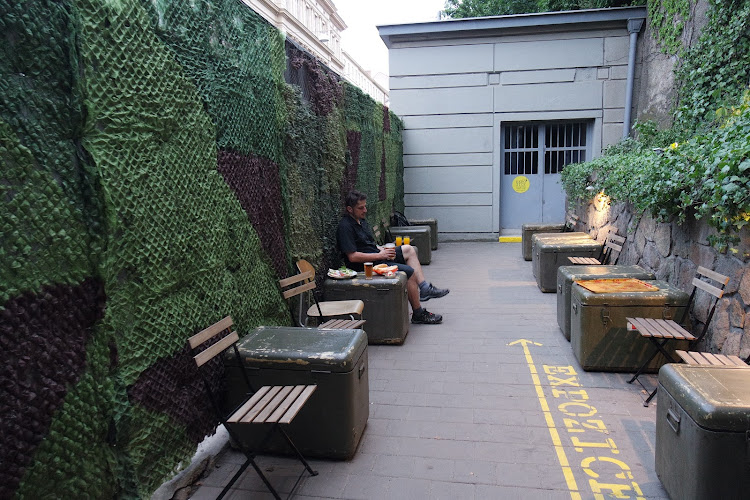
Bunker 10-Z
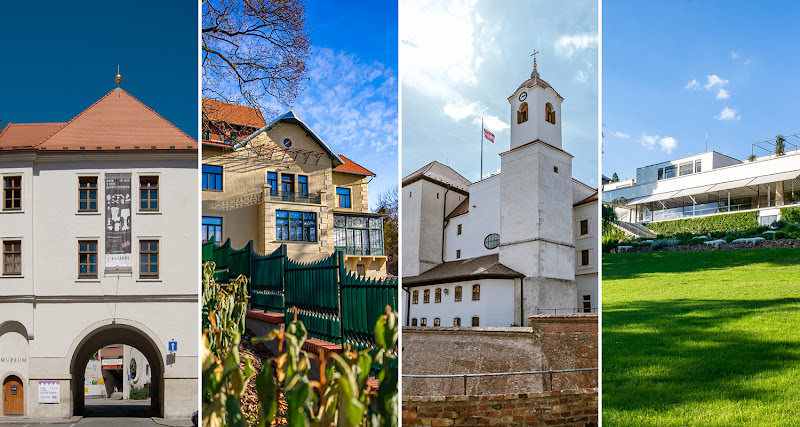
Museum of the City of Brno
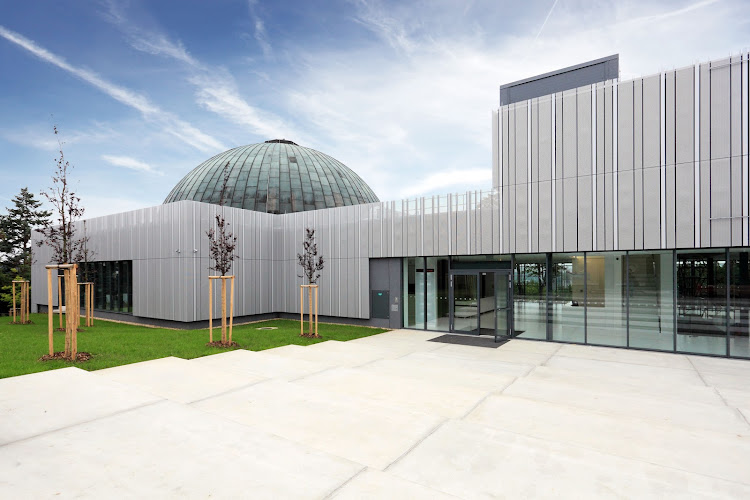
Brno Observatory and Planetarium
Find Accommodations Nearby
Recommended Tours & Activities
Visitor Reviews
There are no reviews yet. Be the first one to write one.
Share Your Experience
Have you visited Moravian Museum? Help other travelers by leaving a review.