
Monument to Laçador
About Monument to Laçador
Description
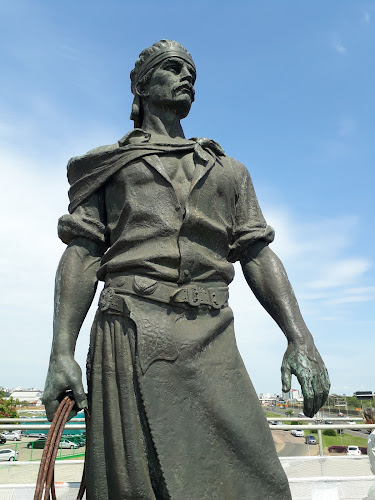
The Monument to Laçador is one of those landmarks that quietly commands your attention. Standing proudly in Porto Alegre, it’s not just a sculpture—it’s a symbol of the soul and spirit of Rio Grande do Sul. The bronze figure represents the traditional gaucho, that rugged cowboy of the pampas, complete with his bombacha pants, boots, hat, and rope in hand. It’s more than art; it’s identity cast in metal. Every time someone passes by, they’re reminded of the deep-rooted traditions that shaped the region’s culture.
Created by the sculptor Antônio Caringi in the mid-20th century, the monument has become an enduring emblem of local pride. It’s not massive in a way that overwhelms you, but it’s imposing enough to make you pause and take it in. The gaucho’s stance—firm, confident, and grounded—feels like a nod to the resilience of the people who call this part of Brazil home. And while it’s technically a statue, it feels more like a living story frozen in time. I remember the first time I saw it; the late afternoon sun hit the bronze just right, and for a moment, it almost looked alive. That’s the kind of quiet magic this place has.
Visitors often stop here to snap photos, stretch their legs, or just soak in a bit of local history. It’s not a flashy tourist trap, and honestly, that’s part of its charm. You won’t find crowds pushing for the perfect selfie (well, maybe a few), but you will find a sense of calm and authenticity. The area around the monument is open and accessible, with plenty of space to walk around. It’s also wheelchair-friendly, which is something I always appreciate seeing in public attractions. Accessibility matters, and here, it’s done right.
Of course, like any landmark, opinions vary. Some visitors come expecting a grand monument and leave a bit underwhelmed, while others are deeply moved by its cultural significance. Personally, I think it’s one of those places where you get out what you bring in. If you arrive curious, ready to learn a little about the gaucho heritage, you’ll walk away with a deeper appreciation for the region. If you’re just ticking off another stop, well, it might not hit the same way. But that’s travel, isn’t it? The best experiences are often the ones you meet halfway.
Key Features
- Iconic Gaucho Representation: The statue depicts a traditional gaucho, standing tall and proud, embodying the spirit of southern Brazil’s cowboy culture.
- Bronze Craftsmanship: Sculpted by Antônio Caringi, the monument showcases exquisite detail and artistry in bronze, giving it both durability and character.
- Cultural Landmark: Officially recognized as a symbol of Porto Alegre, it’s a point of pride for locals and a must-see for travelers interested in regional heritage.
- Accessible Facilities: The site includes wheelchair-accessible entrances and parking, ensuring that everyone can enjoy the monument comfortably.
- Photogenic Setting: The open surroundings and natural light create ideal conditions for photography, especially during sunrise and sunset.
- Historical Significance: The monument has stood for decades as a tribute to the gaucho way of life, an essential part of the state’s cultural identity.
One of the things I love most about visiting this monument is how it manages to be both simple and profound. You don’t need a guide to understand its importance—it speaks for itself. The detailing on the clothing, the expression on the gaucho’s face, even the way the rope hangs loosely from his hand—it’s all intentional. It’s like the sculptor managed to capture a moment of quiet strength, and it still resonates decades later.
Best Time to Visit
If you ask me, the best time to visit the Monument to Laçador is either early in the morning or late in the afternoon. The light is softer then, and the shadows play beautifully on the bronze surface. During midday, the sun can be harsh, and the heat might make it less comfortable to linger. But if you catch it at golden hour, you’ll understand why locals are so proud of it. The statue almost glows, and the sky behind it turns into this dramatic backdrop that makes every photo look like a postcard.
Weather-wise, Porto Alegre has its moods. Summer can get hot and humid, so if you’re not a fan of sticky weather, you might prefer visiting in the cooler months between April and September. The air feels fresher, and the crowds are thinner. I once visited in May, and it was perfect—just a light jacket, a gentle breeze, and that crisp smell of autumn in the air. Honestly, it made the whole experience feel even more nostalgic.
Weekdays tend to be quieter than weekends, which is great if you’re after a more reflective moment. But if you enjoy people-watching, weekends bring a nice buzz of activity—families taking photos, cyclists passing by, and the occasional street vendor selling snacks. It’s a slice of everyday life, and that’s what makes it special.
How to Get There
Getting to the Monument to Laçador is pretty straightforward, especially if you’re already in Porto Alegre. The monument sits near a major roadway, making it easily accessible by car or taxi. If you’re coming from the city center, it’s just a short drive—maybe 15 to 20 minutes, depending on traffic. And if you’re arriving from the airport, you’ll be pleasantly surprised to find that it’s actually quite close. In fact, many travelers spot it on their way into the city.
For those who prefer public transportation, several bus routes pass nearby. It’s a convenient option if you’re traveling on a budget or just want to experience the city like a local. I’ve taken the bus there once, and while it wasn’t the fastest route, it gave me a chance to see parts of Porto Alegre I might have otherwise missed. Sometimes the journey itself is as interesting as the destination, right?
Parking is available nearby, including accessible spaces for visitors with mobility needs. The area is open and well-maintained, so even if you’re driving, you shouldn’t have trouble finding a spot. Just keep an eye out for local signage, as traffic patterns can change during events or holidays.
Tips for Visiting
Here’s where a few insider tips can make your visit smoother and more enjoyable. First off, bring water and sunscreen if you’re visiting during the warmer months. The monument is outdoors, and while there’s some shade nearby, you’ll likely spend a good chunk of time in the sun. A hat doesn’t hurt either—trust me on that one. I forgot mine once and ended up regretting it halfway through my stroll.
If you’re into photography, plan your visit around the lighting. Early morning and late afternoon are best for capturing the statue’s details without harsh shadows. And don’t just shoot from the front—walk around it. The different angles reveal subtle nuances in the sculpting that you might miss otherwise. One of my favorite shots was actually taken from slightly behind, with the city skyline peeking through in the distance.
Take a moment to read about the gaucho culture before you go. Understanding who the gauchos were—their lifestyle, their values, their role in shaping southern Brazil—adds so much depth to what you’re seeing. It transforms a simple statue into a story of endurance, pride, and connection to the land. And if you’re traveling with kids, it’s a great opportunity to introduce them to a piece of living history in a way that feels tangible.
Another small but handy tip: if you’re driving, check your route beforehand. The monument is near a busy area, and depending on the time of day, traffic can be unpredictable. A quick check on your GPS can save you some frustration. Also, if you’re planning to visit multiple attractions in Porto Alegre, you can easily fit this stop into a half-day itinerary—it’s a quick visit, but a meaningful one.
Lastly, don’t rush it. Take a few minutes to just stand there and take it all in. You’ll notice the quiet hum of the city in the background, the occasional car passing by, maybe even a bird perched on the statue’s hat. It’s a small reminder that history isn’t locked away in museums—it lives among us, in places like this. And that, to me, is what makes the Monument to Laçador worth seeing.
So, whether you’re a history buff, a photographer, or simply someone who enjoys discovering the stories behind a place, this monument is worth your time. It’s not grand in the way of famous world monuments, but it has heart—and that’s something you can’t manufacture. When you leave, you’ll likely feel a quiet sense of connection to the people and culture that built this city. And who knows, maybe you’ll even find a bit of that gaucho spirit in yourself too.
Key Features
- Key Features
- Best Time to Visit
- How to Get There
- Tips for Visiting
More Details
Updated December 1, 2025
Table of Contents
Description
The Monument to Laçador is one of those landmarks that quietly commands your attention. Standing proudly in Porto Alegre, it’s not just a sculpture—it’s a symbol of the soul and spirit of Rio Grande do Sul. The bronze figure represents the traditional gaucho, that rugged cowboy of the pampas, complete with his bombacha pants, boots, hat, and rope in hand. It’s more than art; it’s identity cast in metal. Every time someone passes by, they’re reminded of the deep-rooted traditions that shaped the region’s culture.
Created by the sculptor Antônio Caringi in the mid-20th century, the monument has become an enduring emblem of local pride. It’s not massive in a way that overwhelms you, but it’s imposing enough to make you pause and take it in. The gaucho’s stance—firm, confident, and grounded—feels like a nod to the resilience of the people who call this part of Brazil home. And while it’s technically a statue, it feels more like a living story frozen in time. I remember the first time I saw it; the late afternoon sun hit the bronze just right, and for a moment, it almost looked alive. That’s the kind of quiet magic this place has.
Visitors often stop here to snap photos, stretch their legs, or just soak in a bit of local history. It’s not a flashy tourist trap, and honestly, that’s part of its charm. You won’t find crowds pushing for the perfect selfie (well, maybe a few), but you will find a sense of calm and authenticity. The area around the monument is open and accessible, with plenty of space to walk around. It’s also wheelchair-friendly, which is something I always appreciate seeing in public attractions. Accessibility matters, and here, it’s done right.
Of course, like any landmark, opinions vary. Some visitors come expecting a grand monument and leave a bit underwhelmed, while others are deeply moved by its cultural significance. Personally, I think it’s one of those places where you get out what you bring in. If you arrive curious, ready to learn a little about the gaucho heritage, you’ll walk away with a deeper appreciation for the region. If you’re just ticking off another stop, well, it might not hit the same way. But that’s travel, isn’t it? The best experiences are often the ones you meet halfway.
Key Features
- Iconic Gaucho Representation: The statue depicts a traditional gaucho, standing tall and proud, embodying the spirit of southern Brazil’s cowboy culture.
- Bronze Craftsmanship: Sculpted by Antônio Caringi, the monument showcases exquisite detail and artistry in bronze, giving it both durability and character.
- Cultural Landmark: Officially recognized as a symbol of Porto Alegre, it’s a point of pride for locals and a must-see for travelers interested in regional heritage.
- Accessible Facilities: The site includes wheelchair-accessible entrances and parking, ensuring that everyone can enjoy the monument comfortably.
- Photogenic Setting: The open surroundings and natural light create ideal conditions for photography, especially during sunrise and sunset.
- Historical Significance: The monument has stood for decades as a tribute to the gaucho way of life, an essential part of the state’s cultural identity.
One of the things I love most about visiting this monument is how it manages to be both simple and profound. You don’t need a guide to understand its importance—it speaks for itself. The detailing on the clothing, the expression on the gaucho’s face, even the way the rope hangs loosely from his hand—it’s all intentional. It’s like the sculptor managed to capture a moment of quiet strength, and it still resonates decades later.
Best Time to Visit
If you ask me, the best time to visit the Monument to Laçador is either early in the morning or late in the afternoon. The light is softer then, and the shadows play beautifully on the bronze surface. During midday, the sun can be harsh, and the heat might make it less comfortable to linger. But if you catch it at golden hour, you’ll understand why locals are so proud of it. The statue almost glows, and the sky behind it turns into this dramatic backdrop that makes every photo look like a postcard.
Weather-wise, Porto Alegre has its moods. Summer can get hot and humid, so if you’re not a fan of sticky weather, you might prefer visiting in the cooler months between April and September. The air feels fresher, and the crowds are thinner. I once visited in May, and it was perfect—just a light jacket, a gentle breeze, and that crisp smell of autumn in the air. Honestly, it made the whole experience feel even more nostalgic.
Weekdays tend to be quieter than weekends, which is great if you’re after a more reflective moment. But if you enjoy people-watching, weekends bring a nice buzz of activity—families taking photos, cyclists passing by, and the occasional street vendor selling snacks. It’s a slice of everyday life, and that’s what makes it special.
How to Get There
Getting to the Monument to Laçador is pretty straightforward, especially if you’re already in Porto Alegre. The monument sits near a major roadway, making it easily accessible by car or taxi. If you’re coming from the city center, it’s just a short drive—maybe 15 to 20 minutes, depending on traffic. And if you’re arriving from the airport, you’ll be pleasantly surprised to find that it’s actually quite close. In fact, many travelers spot it on their way into the city.
For those who prefer public transportation, several bus routes pass nearby. It’s a convenient option if you’re traveling on a budget or just want to experience the city like a local. I’ve taken the bus there once, and while it wasn’t the fastest route, it gave me a chance to see parts of Porto Alegre I might have otherwise missed. Sometimes the journey itself is as interesting as the destination, right?
Parking is available nearby, including accessible spaces for visitors with mobility needs. The area is open and well-maintained, so even if you’re driving, you shouldn’t have trouble finding a spot. Just keep an eye out for local signage, as traffic patterns can change during events or holidays.
Tips for Visiting
Here’s where a few insider tips can make your visit smoother and more enjoyable. First off, bring water and sunscreen if you’re visiting during the warmer months. The monument is outdoors, and while there’s some shade nearby, you’ll likely spend a good chunk of time in the sun. A hat doesn’t hurt either—trust me on that one. I forgot mine once and ended up regretting it halfway through my stroll.
If you’re into photography, plan your visit around the lighting. Early morning and late afternoon are best for capturing the statue’s details without harsh shadows. And don’t just shoot from the front—walk around it. The different angles reveal subtle nuances in the sculpting that you might miss otherwise. One of my favorite shots was actually taken from slightly behind, with the city skyline peeking through in the distance.
Take a moment to read about the gaucho culture before you go. Understanding who the gauchos were—their lifestyle, their values, their role in shaping southern Brazil—adds so much depth to what you’re seeing. It transforms a simple statue into a story of endurance, pride, and connection to the land. And if you’re traveling with kids, it’s a great opportunity to introduce them to a piece of living history in a way that feels tangible.
Another small but handy tip: if you’re driving, check your route beforehand. The monument is near a busy area, and depending on the time of day, traffic can be unpredictable. A quick check on your GPS can save you some frustration. Also, if you’re planning to visit multiple attractions in Porto Alegre, you can easily fit this stop into a half-day itinerary—it’s a quick visit, but a meaningful one.
Lastly, don’t rush it. Take a few minutes to just stand there and take it all in. You’ll notice the quiet hum of the city in the background, the occasional car passing by, maybe even a bird perched on the statue’s hat. It’s a small reminder that history isn’t locked away in museums—it lives among us, in places like this. And that, to me, is what makes the Monument to Laçador worth seeing.
So, whether you’re a history buff, a photographer, or simply someone who enjoys discovering the stories behind a place, this monument is worth your time. It’s not grand in the way of famous world monuments, but it has heart—and that’s something you can’t manufacture. When you leave, you’ll likely feel a quiet sense of connection to the people and culture that built this city. And who knows, maybe you’ll even find a bit of that gaucho spirit in yourself too.
Key Highlights
- Key Features
- Best Time to Visit
- How to Get There
- Tips for Visiting
Location
Places to Stay Near Monument to Laçador
Find and Book a Tour
Explore More Travel Guides
No reviews found! Be the first to review!
Traveler Reviews for Monument to Laçador
There are no reviews yet. Be the first one to write one.
Have you visited Monument to Laçador? Help other travelers by sharing your review.
You Might Also Like
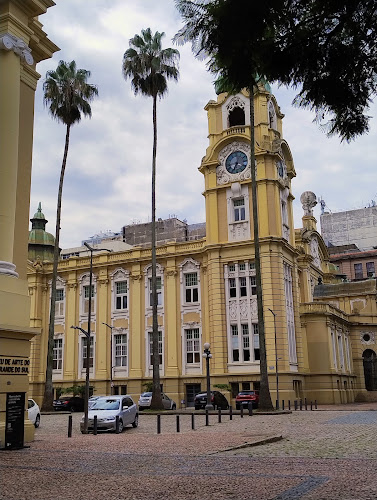
Rio Grande do Sul Museum of Art
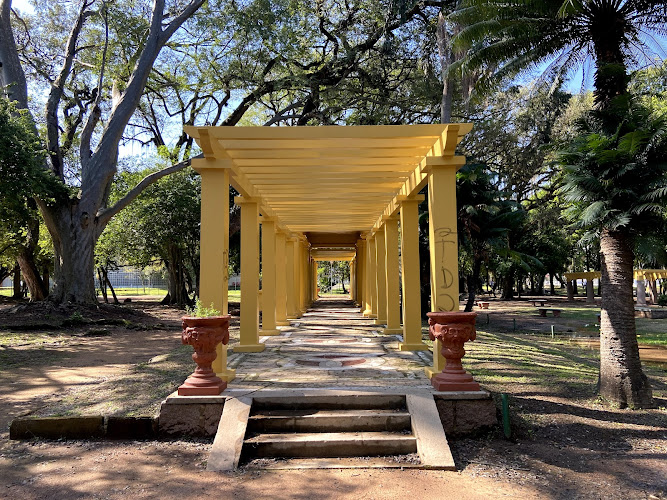
Parque Redenção
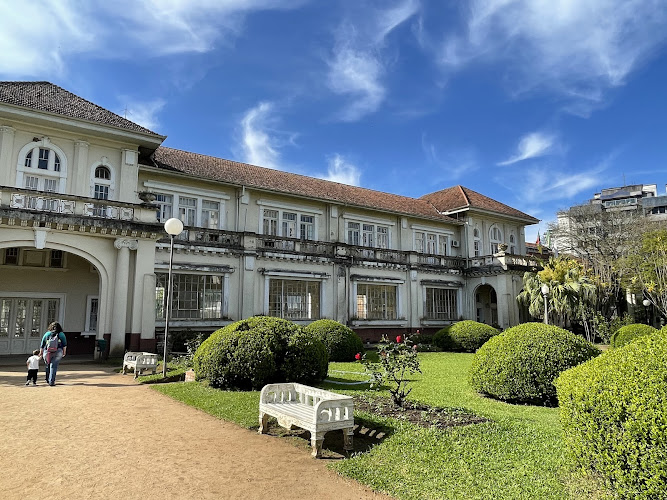
Hidráulica Moinhos de Vento
Find Accommodations Nearby
Recommended Tours & Activities
Visitor Reviews
There are no reviews yet. Be the first one to write one.
Share Your Experience
Have you visited Monument to Laçador? Help other travelers by leaving a review.