
Monasterio de San Paio de Antealtares
About Monasterio de San Paio de Antealtares
Description
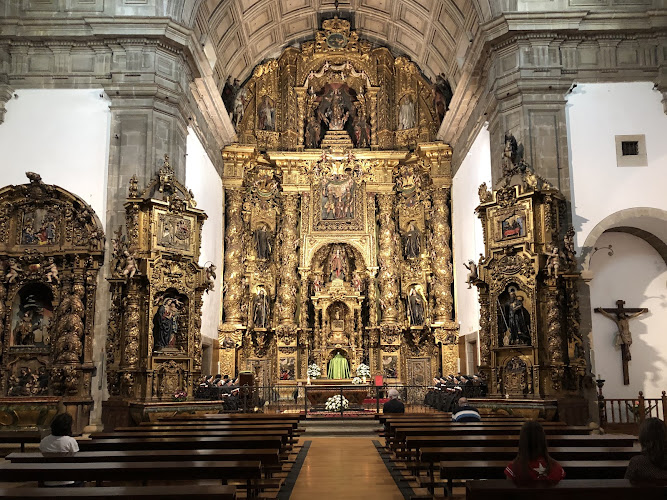
The Monasterio de San Paio de Antealtares is one of those places that quietly demands your attention once you step inside. It’s not just a Baroque medieval Catholic church and monastery; it’s a doorway into centuries of history, faith, and art all rolled into one. Founded way back in the 9th century under the reign of Alfonso II, this place was originally set up with twelve Benedictine monks tasked with guarding and honoring the recently discovered tomb of the Apostle Santiago. Over time, the original structure gave way to the Baroque style you see today, mostly rebuilt in the 17th and 18th centuries, but the spiritual and historical essence remains palpable.
What really sets San Paio de Antealtares apart is its dual role as both a living place of worship and a museum. You can catch a mass here, which is a deeply moving experience given the solemn architecture and the centuries-old tradition that echoes in the air. Then, just a few steps away, the museum showcases a remarkable collection of sacred art, liturgical objects, and devotional pieces that tell stories of faith, craftsmanship, and devotion. It’s a rare combo that lets you feel the living spirit of the monastery while soaking in its rich cultural heritage.
Walking through the cloisters and halls, you can’t help but reflect on the many generations of monks who lived, prayed, and worked here. The atmosphere is peaceful but not sterile — it hums with stories, from the humble beginnings to the grandeur of Baroque art. For travelers who appreciate history, art, or spiritual spaces, this place offers a quiet yet profound experience that lingers long after you leave.
Key Features
- Stunning Baroque architecture with intricate details reflecting 17th and 18th-century design
- Active Catholic church hosting regular masses, providing a glimpse into local religious life
- Museum housing an impressive collection of sacred art, liturgical objects, and devotional artifacts
- Historical significance tied to the Apostle Santiago and the early Christian period in Spain
- Peaceful cloisters perfect for quiet reflection or a contemplative stroll
- Location adjacent to the famous Plaza de la Quintana, offering easy access to other Santiago de Compostela landmarks
- Authentic experience blending spiritual, historical, and artistic elements in one site
Best Time to Visit
If you want to avoid the crowds and really soak in the atmosphere, aim for the shoulder seasons — late spring (May and June) or early autumn (September and October). The weather is usually mild and pleasant, which makes wandering around the monastery and the nearby historic center much more enjoyable. Summer can get busy, especially with pilgrims and tourists flooding Santiago de Compostela, so if you’re not a fan of elbow-to-elbow sightseeing, steer clear of July and August.
Also, consider timing your visit around a mass service. It’s an intimate way to experience the spiritual heartbeat of the monastery, and it’s free! Just be respectful and mindful of the worshippers. Winters are quieter, but the chill and shorter daylight hours might make exploring less comfortable unless you’re really into that off-season, cozy vibe.
How to Get There
The Monasterio de San Paio de Antealtares sits pretty much in the heart of Santiago de Compostela’s old town, so if you’re already in the city, it’s super easy to reach on foot. If you’re coming from outside, the city is well connected by train and bus from major Spanish cities like Madrid, Bilbao, or Porto if you’re crossing over from Portugal.
Once you arrive in Santiago de Compostela, just head towards the Plaza de la Quintana — the monastery’s side wall forms part of this lively square. From there, it’s a short walk through narrow cobbled streets that are part of the charm of the area. Parking near the old town can be tricky, so public transport or walking is your best bet. And hey, walking through these ancient streets is half the fun anyway!
Tips for Visiting
First off, wear comfortable shoes. The cobblestones and uneven floors can be a bit unforgiving after a while. Bring a camera, but remember that photography might be restricted inside the church and museum, so keep an eye out for signs and respect the rules.
Don’t rush. The monastery is a place to savor slowly. Take time to appreciate the intricate Baroque details, the quiet corners of the cloisters, and the exhibits in the museum. If you can, attend a mass — it’s a unique way to connect with the place beyond just the visuals.
Also, try to visit early in the day or late afternoon to avoid peak tourist times. And if you’re the curious type, ask about the history. The locals and guides often have fascinating stories that don’t make it into the usual guidebooks.
One last nugget — the monastery is part of the broader pilgrimage experience in Santiago de Compostela, so if you’re trekking the Camino, this spot is a meaningful stop to rest your feet and reflect on the journey. Even if you’re not a pilgrim, it’s a beautiful slice of history and spirituality that’s well worth your time.
Key Features
- Stunning Baroque architecture with intricate details reflecting 17th and 18th-century design
- Active Catholic church hosting regular masses, providing a glimpse into local religious life
- Museum housing an impressive collection of sacred art, liturgical objects, and devotional artifacts
- Historical significance tied to the Apostle Santiago and the early Christian period in Spain
- Peaceful cloisters perfect for quiet reflection or a contemplative stroll
- Location adjacent to the famous Plaza de la Quintana, offering easy access to other Santiago de Compostela landmarks
- Authentic experience blending spiritual, historical, and artistic elements in one site
More Details
Updated July 17, 2025
Table of Contents
- Description
- Key Features
- Best Time to Visit
- How to Get There
- Tips for Visiting
- Key Highlights
- Location
- Places to Stay Near Monasterio de San Paio de Antealtares
- Find and Book a Tour
- Explore More Travel Guides
- Nearby Places You Might Like
- Traveler Reviews for Monasterio de San Paio de Antealtares
- Share Your Experience
Description
The Monasterio de San Paio de Antealtares is one of those places that quietly demands your attention once you step inside. It’s not just a Baroque medieval Catholic church and monastery; it’s a doorway into centuries of history, faith, and art all rolled into one. Founded way back in the 9th century under the reign of Alfonso II, this place was originally set up with twelve Benedictine monks tasked with guarding and honoring the recently discovered tomb of the Apostle Santiago. Over time, the original structure gave way to the Baroque style you see today, mostly rebuilt in the 17th and 18th centuries, but the spiritual and historical essence remains palpable.
What really sets San Paio de Antealtares apart is its dual role as both a living place of worship and a museum. You can catch a mass here, which is a deeply moving experience given the solemn architecture and the centuries-old tradition that echoes in the air. Then, just a few steps away, the museum showcases a remarkable collection of sacred art, liturgical objects, and devotional pieces that tell stories of faith, craftsmanship, and devotion. It’s a rare combo that lets you feel the living spirit of the monastery while soaking in its rich cultural heritage.
Walking through the cloisters and halls, you can’t help but reflect on the many generations of monks who lived, prayed, and worked here. The atmosphere is peaceful but not sterile — it hums with stories, from the humble beginnings to the grandeur of Baroque art. For travelers who appreciate history, art, or spiritual spaces, this place offers a quiet yet profound experience that lingers long after you leave.
Key Features
- Stunning Baroque architecture with intricate details reflecting 17th and 18th-century design
- Active Catholic church hosting regular masses, providing a glimpse into local religious life
- Museum housing an impressive collection of sacred art, liturgical objects, and devotional artifacts
- Historical significance tied to the Apostle Santiago and the early Christian period in Spain
- Peaceful cloisters perfect for quiet reflection or a contemplative stroll
- Location adjacent to the famous Plaza de la Quintana, offering easy access to other Santiago de Compostela landmarks
- Authentic experience blending spiritual, historical, and artistic elements in one site
Best Time to Visit
If you want to avoid the crowds and really soak in the atmosphere, aim for the shoulder seasons — late spring (May and June) or early autumn (September and October). The weather is usually mild and pleasant, which makes wandering around the monastery and the nearby historic center much more enjoyable. Summer can get busy, especially with pilgrims and tourists flooding Santiago de Compostela, so if you’re not a fan of elbow-to-elbow sightseeing, steer clear of July and August.
Also, consider timing your visit around a mass service. It’s an intimate way to experience the spiritual heartbeat of the monastery, and it’s free! Just be respectful and mindful of the worshippers. Winters are quieter, but the chill and shorter daylight hours might make exploring less comfortable unless you’re really into that off-season, cozy vibe.
How to Get There
The Monasterio de San Paio de Antealtares sits pretty much in the heart of Santiago de Compostela’s old town, so if you’re already in the city, it’s super easy to reach on foot. If you’re coming from outside, the city is well connected by train and bus from major Spanish cities like Madrid, Bilbao, or Porto if you’re crossing over from Portugal.
Once you arrive in Santiago de Compostela, just head towards the Plaza de la Quintana — the monastery’s side wall forms part of this lively square. From there, it’s a short walk through narrow cobbled streets that are part of the charm of the area. Parking near the old town can be tricky, so public transport or walking is your best bet. And hey, walking through these ancient streets is half the fun anyway!
Tips for Visiting
First off, wear comfortable shoes. The cobblestones and uneven floors can be a bit unforgiving after a while. Bring a camera, but remember that photography might be restricted inside the church and museum, so keep an eye out for signs and respect the rules.
Don’t rush. The monastery is a place to savor slowly. Take time to appreciate the intricate Baroque details, the quiet corners of the cloisters, and the exhibits in the museum. If you can, attend a mass — it’s a unique way to connect with the place beyond just the visuals.
Also, try to visit early in the day or late afternoon to avoid peak tourist times. And if you’re the curious type, ask about the history. The locals and guides often have fascinating stories that don’t make it into the usual guidebooks.
One last nugget — the monastery is part of the broader pilgrimage experience in Santiago de Compostela, so if you’re trekking the Camino, this spot is a meaningful stop to rest your feet and reflect on the journey. Even if you’re not a pilgrim, it’s a beautiful slice of history and spirituality that’s well worth your time.
Key Highlights
- Stunning Baroque architecture with intricate details reflecting 17th and 18th-century design
- Active Catholic church hosting regular masses, providing a glimpse into local religious life
- Museum housing an impressive collection of sacred art, liturgical objects, and devotional artifacts
- Historical significance tied to the Apostle Santiago and the early Christian period in Spain
- Peaceful cloisters perfect for quiet reflection or a contemplative stroll
- Location adjacent to the famous Plaza de la Quintana, offering easy access to other Santiago de Compostela landmarks
- Authentic experience blending spiritual, historical, and artistic elements in one site
Location
Places to Stay Near Monasterio de San Paio de Antealtares
Find and Book a Tour
Explore More Travel Guides
No reviews found! Be the first to review!
Traveler Reviews for Monasterio de San Paio de Antealtares
There are no reviews yet. Be the first one to write one.
Have you visited Monasterio de San Paio de Antealtares? Help other travelers by sharing your review.
You Might Also Like
Monte do Viso

As Duas Marias

Parque Música en Compostela
Find Accommodations Nearby
Recommended Tours & Activities
Visitor Reviews
There are no reviews yet. Be the first one to write one.
Share Your Experience
Have you visited Monasterio de San Paio de Antealtares? Help other travelers by leaving a review.