

Moinhos de Vento de Alburrica
About Moinhos de Vento de Alburrica
Description
If you’re reading this, odds are you’re the kind of traveler who doesn’t just zip past the “big name” stuff—you linger where stories stick walls and where history gets real. That’s why Moinhos de Vento de Alburrica—yep, those windmills out in Barreiro—genuinely caught me off guard, in the best sort of way. I’ll be honest, my first visit was totally unplanned, mostly because the ferry back to Lisbon was running late. But isn’t it always those “oops” moments that turn out memorable? The Alburrica Windmills, perched out there snagging breezes by the marsh, aren’t just sweet for photos—though trust me, your Instagram will thank you. They’re relics of old-school Portugal, a dash of local flavor where flour was milled for ages, long before cities gobbled up all the fields around.
When you stroll down the riverside promenade (it’s all flat, very doable if you’re pushing a stroller or using a wheelchair), you’ll spot the trio of white, cylindrical windmills—each topped with a pointy roof that looks straight out of a storybook. And it’s peaceful. I mean, really peaceful. There’s often a gentle breeze, and during evenings locals appear with kids, dogs, and bikes, making it feel a bit like a secret neighborhood hangout nobody brags about too loudly. If windmills could talk, I figure they’d have a lot to say about battles with rain, salt air, and the steady thrum of modern life just across the river.
Don’t go expecting a slick museum or big fancy tours. What you will get is authenticity in spades, a pungent noseful of briny river air, and (if you’re lucky) the chance to catch one of the rare open days when you can poke around inside. Even from the outside, though, there’s something lovely about watching shadows stretch across the marshes and thinking about the centuries’ worth of baking that once relied on this very spot.
Key Features
- Three distinct windmills: Unlike most places that settle for just one, here you get a trio—with the “Gigante,” the “Papel,” and the “Nau”—each with their own quirks and, if you ask me, their own personality. The best view? Try looking back from the riverbank at sunset—those silhouettes are magic.
- Beautiful riverside walkway: The sidewalk and flat promenade mean you can wander at your own pace, whether on foot, bike, wheelchair, or with kids buzzing beside you. Plus, great birdwatching if you’re into herons and such.
- Kid friendly: Bring snacks, let the little ones roam, and consider it one of those rare places where you don’t need to shoosh them every two seconds.
- Wheelchair accessible: Ramps, smooth paths, and parking right nearby. Trust me, I watched a family wheeling with ease, and it’s so refreshing compared to “picturesque-but-awkward” cobblestoned old towns.
- Photography goldmine: Big sky, wild reeds, and those charming white mills—bring your camera, because golden hour here is no joke.
- Peaceful, crowd-free vibe: Even on weekends, you won’t be elbow-to-elbow like at more hyped Lisbon-area sites.
- Historic engineering: For the curious minds, each mill is a window into agricultural life centuries ago—back when wind was serious business.
- Local culture: You’re as likely to bump into Barreiro families out for a stroll as fellow travelers. It feels lived-in rather than “touristed up.”
Best Time to Visit
Let’s get this out of the way—Portugal is famous for its 300-ish sunny days a year. If you want those postcard-pretty photos, aim for spring (March to May) when everything is greening up and you might catch a few wildflowers by the river. I visited in late September, and honestly, the mellow autumn light and slightly crisp air gave the place a cozy, golden sort of calm I still think about.
Avoid high summer midday visits unless you love sweating under the Iberian sun (trust me—you don’t). Early mornings or late afternoons are where it’s at. There’s something unbeatable about watching the day wind down beside these ancient windmills as the river glows orange and traffic from the city feels a million miles away.
For those curious about what it looks like in winter: picture fog hovering low over the marsh and the wind giving those sails a good workout. Still walks well, though you’ll need an extra layer. It never quite gets frigid, but the damp can surprise you.
How to Get There
First things first: Barreiro is just across the Tagus River from Lisbon. If you’re coming from the capital and have ever wondered what’s on the “other side,” this is your excuse. Ferries run regularly between Lisbon (Terreiro do Paço) and Barreiro. Once you’re off the boat, just follow the riverside towards Alburrica—it’s maybe a 15-20 minute, super-easy stroll. On my last visit, I actually biked the whole way and it felt like one of those lazy-day micro-adventures you remember long after.
For car folks, there’s accessible parking right by the walkway, and getting here from Setúbal or points south is a breeze via the A2 and A39 roads, though beware traffic at classic rush hour. Public transit’s pretty good, especially if you’re targeting a “green” day out—local buses from the Barreiro ferry terminal drop you almost at the riverbank. And for the physically ambitious, Barreiro has a well-kept bike path that snakes right past the windmills. Once, I chatted with an older chap who’d made it a daily ritual. Apparently, it adds years to your life—couldn’t hurt to try, right?
Tips for Visiting
- Check for open days: If you’re a history buff itching to get inside, check locally for events when the windmills are open to the public. Usually a handful of dates per year—they’re not on most tourist maps, but it’s worth asking around. I almost lucked into one, but just missed it.
- Bring snacks and water: There aren’t tons of cafes right by the site. Pack a picnic or at least some pastel de nata for snacking riverside.
- Wear sturdy shoes: The paths are great, but the area near the river and marshes can be a bit muddy, especially after rain. I speak from soggy sock experience.
- Don’t rush: Honestly, the main charm is slowing down to watch light shift on the sails and the river. Bring a novel, a sketchbook, or just your wandering mind.
- Mind the weather: On blustery days it’s atmospheric, but hang onto your hat! If you’re sensitive to the cold, those winds off the Tagus can bite more than you’d expect.
- Photographers: aim for golden hour: Sunsets here can be jaw-dropping. Trust me, I’ve seen locals show up just to snap the perfect shot.
- Wildlife watchers, bring binoculars: The marshes attract all sorts of birds, and you’ll often catch locals pointing out storks or herons.
- Embrace the local pace: People here are friendly but not in-your-face. Smile, say bom dia, and you might find yourself chatting with someone who remembers the mills “back when.”
Maybe you’re the sort who collects big moments, or maybe you just love finding spots where time slides sideways and you can listen to the wind telling old stories. Either way, the Moinhos de Vento de Alburrica is a soulful stop—a place I’d happily revisit on any wobbly travel day, exactly because it’s unhurried and real. Hope you like secrets. This one’s worth keeping… or, you know, letting out to good company.
Key Features
- Key Features
- Best Time to Visit
- How to Get There
- Tips for Visiting
More Details
Updated July 4, 2025
Table of Contents
Description
If you’re reading this, odds are you’re the kind of traveler who doesn’t just zip past the “big name” stuff—you linger where stories stick walls and where history gets real. That’s why Moinhos de Vento de Alburrica—yep, those windmills out in Barreiro—genuinely caught me off guard, in the best sort of way. I’ll be honest, my first visit was totally unplanned, mostly because the ferry back to Lisbon was running late. But isn’t it always those “oops” moments that turn out memorable? The Alburrica Windmills, perched out there snagging breezes by the marsh, aren’t just sweet for photos—though trust me, your Instagram will thank you. They’re relics of old-school Portugal, a dash of local flavor where flour was milled for ages, long before cities gobbled up all the fields around.
When you stroll down the riverside promenade (it’s all flat, very doable if you’re pushing a stroller or using a wheelchair), you’ll spot the trio of white, cylindrical windmills—each topped with a pointy roof that looks straight out of a storybook. And it’s peaceful. I mean, really peaceful. There’s often a gentle breeze, and during evenings locals appear with kids, dogs, and bikes, making it feel a bit like a secret neighborhood hangout nobody brags about too loudly. If windmills could talk, I figure they’d have a lot to say about battles with rain, salt air, and the steady thrum of modern life just across the river.
Don’t go expecting a slick museum or big fancy tours. What you will get is authenticity in spades, a pungent noseful of briny river air, and (if you’re lucky) the chance to catch one of the rare open days when you can poke around inside. Even from the outside, though, there’s something lovely about watching shadows stretch across the marshes and thinking about the centuries’ worth of baking that once relied on this very spot.
Key Features
- Three distinct windmills: Unlike most places that settle for just one, here you get a trio—with the “Gigante,” the “Papel,” and the “Nau”—each with their own quirks and, if you ask me, their own personality. The best view? Try looking back from the riverbank at sunset—those silhouettes are magic.
- Beautiful riverside walkway: The sidewalk and flat promenade mean you can wander at your own pace, whether on foot, bike, wheelchair, or with kids buzzing beside you. Plus, great birdwatching if you’re into herons and such.
- Kid friendly: Bring snacks, let the little ones roam, and consider it one of those rare places where you don’t need to shoosh them every two seconds.
- Wheelchair accessible: Ramps, smooth paths, and parking right nearby. Trust me, I watched a family wheeling with ease, and it’s so refreshing compared to “picturesque-but-awkward” cobblestoned old towns.
- Photography goldmine: Big sky, wild reeds, and those charming white mills—bring your camera, because golden hour here is no joke.
- Peaceful, crowd-free vibe: Even on weekends, you won’t be elbow-to-elbow like at more hyped Lisbon-area sites.
- Historic engineering: For the curious minds, each mill is a window into agricultural life centuries ago—back when wind was serious business.
- Local culture: You’re as likely to bump into Barreiro families out for a stroll as fellow travelers. It feels lived-in rather than “touristed up.”
Best Time to Visit
Let’s get this out of the way—Portugal is famous for its 300-ish sunny days a year. If you want those postcard-pretty photos, aim for spring (March to May) when everything is greening up and you might catch a few wildflowers by the river. I visited in late September, and honestly, the mellow autumn light and slightly crisp air gave the place a cozy, golden sort of calm I still think about.
Avoid high summer midday visits unless you love sweating under the Iberian sun (trust me—you don’t). Early mornings or late afternoons are where it’s at. There’s something unbeatable about watching the day wind down beside these ancient windmills as the river glows orange and traffic from the city feels a million miles away.
For those curious about what it looks like in winter: picture fog hovering low over the marsh and the wind giving those sails a good workout. Still walks well, though you’ll need an extra layer. It never quite gets frigid, but the damp can surprise you.
How to Get There
First things first: Barreiro is just across the Tagus River from Lisbon. If you’re coming from the capital and have ever wondered what’s on the “other side,” this is your excuse. Ferries run regularly between Lisbon (Terreiro do Paço) and Barreiro. Once you’re off the boat, just follow the riverside towards Alburrica—it’s maybe a 15-20 minute, super-easy stroll. On my last visit, I actually biked the whole way and it felt like one of those lazy-day micro-adventures you remember long after.
For car folks, there’s accessible parking right by the walkway, and getting here from Setúbal or points south is a breeze via the A2 and A39 roads, though beware traffic at classic rush hour. Public transit’s pretty good, especially if you’re targeting a “green” day out—local buses from the Barreiro ferry terminal drop you almost at the riverbank. And for the physically ambitious, Barreiro has a well-kept bike path that snakes right past the windmills. Once, I chatted with an older chap who’d made it a daily ritual. Apparently, it adds years to your life—couldn’t hurt to try, right?
Tips for Visiting
- Check for open days: If you’re a history buff itching to get inside, check locally for events when the windmills are open to the public. Usually a handful of dates per year—they’re not on most tourist maps, but it’s worth asking around. I almost lucked into one, but just missed it.
- Bring snacks and water: There aren’t tons of cafes right by the site. Pack a picnic or at least some pastel de nata for snacking riverside.
- Wear sturdy shoes: The paths are great, but the area near the river and marshes can be a bit muddy, especially after rain. I speak from soggy sock experience.
- Don’t rush: Honestly, the main charm is slowing down to watch light shift on the sails and the river. Bring a novel, a sketchbook, or just your wandering mind.
- Mind the weather: On blustery days it’s atmospheric, but hang onto your hat! If you’re sensitive to the cold, those winds off the Tagus can bite more than you’d expect.
- Photographers: aim for golden hour: Sunsets here can be jaw-dropping. Trust me, I’ve seen locals show up just to snap the perfect shot.
- Wildlife watchers, bring binoculars: The marshes attract all sorts of birds, and you’ll often catch locals pointing out storks or herons.
- Embrace the local pace: People here are friendly but not in-your-face. Smile, say bom dia, and you might find yourself chatting with someone who remembers the mills “back when.”
Maybe you’re the sort who collects big moments, or maybe you just love finding spots where time slides sideways and you can listen to the wind telling old stories. Either way, the Moinhos de Vento de Alburrica is a soulful stop—a place I’d happily revisit on any wobbly travel day, exactly because it’s unhurried and real. Hope you like secrets. This one’s worth keeping… or, you know, letting out to good company.
Key Highlights
- Key Features
- Best Time to Visit
- How to Get There
- Tips for Visiting
Location
Places to Stay Near Moinhos de Vento de Alburrica
Find and Book a Tour
Explore More Travel Guides
No reviews found! Be the first to review!
Traveler Reviews for Moinhos de Vento de Alburrica
There are no reviews yet. Be the first one to write one.
Have you visited Moinhos de Vento de Alburrica? Help other travelers by sharing your review.
You Might Also Like
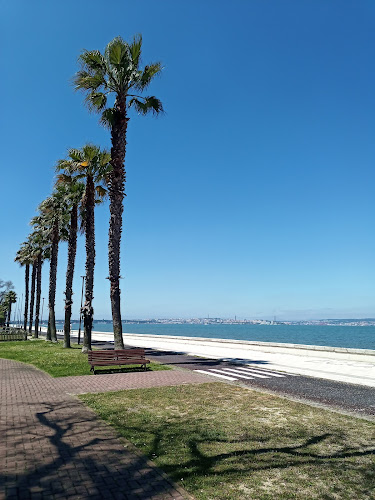
Avenida da Praia

Convento da Madre de Deus da Verderena

ALDI Barreiro
Find Accommodations Nearby
Recommended Tours & Activities
Visitor Reviews
There are no reviews yet. Be the first one to write one.
Share Your Experience
Have you visited Moinhos de Vento de Alburrica? Help other travelers by leaving a review.