
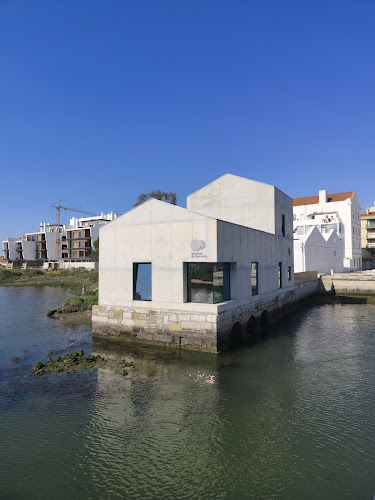
Moinho de Maré Pequeno – Centro Interpretativo
About Moinho de Maré Pequeno – Centro Interpretativo
Description
If you’re like me and find yourself drawn not just to Portugal’s wild coasts or sleepy villages but also to places echoing with almost-lost stories, then the Moinho de Maré Pequeno – Centro Interpretativo in Barreiro is an unexpected gem worth discovering. Tidal mills, I’ve learned, are something of a secret along the margins of the Tagus (Tejo) River, quietly testifying to centuries of ingenuity. Unlike Lisbon’s famously crowded attractions, this tidal mill-turned-museum offers a textured, more intimate encounter with the rhythm of nature and human invention.
The very concept of a “moinho de maré” – or tidal mill – is fascinating. Instead of wind or water flow driving the grindstones, these mills cleverly harness the rise and fall of the tides. In the case of Barreiro’s Pequeno mill, you’re witnessing a slice of 16th-18th century engineering adapted to local conditions along the estuário do Tejo, where the tides mean business. The interpretive center here doesn’t just display artifacts; it reveals how the people of the concelho (municipality) shaped their lives around this place and, in turn, allowed this little mill to shape a chunk of their economy and culture.
I’ll admit, I love a good backstory, so let’s jump into context for a sec. Mills like these were once the backbone of food production in Barreiro, Seixal, Almada, Montijo, Moita, and across the Península de Setúbal. Here, you don’t just look at old stones and gears; you learn how the interplay between maré (tide), cereal, and community powered the daily bread of Lisbon and its margin sul (southern bank) for centuries. The mill stands almost as a time capsule – you can practically imagine the grindstone humming and the estuary waters swirling beneath the floorboards.
For families or curious travelers, the space is inviting. Exhibits are tactile and approachable, not locked behind fussy velvet ropes. There are workshops for kids, heritage walks, and sometimes themed activities for European Heritage Days or special “Open Mills” weekends. The staff here actually seem to enjoy questions – I had a laugh with the local guide about some misconceptions around milling (spoiler: it’s way more than just turning grain). And for me, that human connection made the place stick in my memory.
It’s not a grand space with a restaurant or high-tech flourishes, mind you. Its beauty is quieter: timber beams, the briny scent of the Coina river off the terrace, birds wheeling over the mudflats, and the sense you’re standing in the shoes of millers who watched tides as keenly as any sailor did. What’s more, few international travelers seem to know it exists, even though it’s just a hop from Lisbon. For a peaceful getaway into the unsung stories of Barreiro—and a different perspective on the city’s role in Portugal’s history—the Moinho de Maré Pequeno is genuinely worth your time.
Key Features
- Rare Working Tidal Mill: One of the few fully or partially restored tidal mills on the Margem Sul do Tejo. You observe – and sometimes can participate in – the mechanisms that once ran entirely on the tides of the estuário do Tejo.
- Interpretive Museum Experience: The center tells the story of Barreiro's agricultural and industrial past, using original milling equipment, period tools, engaging displays, and the preserved structure itself.
- Family-Friendly & Educational: Good for children, with interactive exhibits and occasional workshops for younger visitors. School programs often use the site, but casual visitors aren’t left out of the loop.
- Stunning Estuary Setting: The Moinho de Maré Pequeno is located along the banks of the River Coina and right at the confluence with the Tagus—a great spot for birdwatching, sketching, or just soaking in the tidal landscape.
- Heritage Events: Participates regularly in the European Heritage Days and National Mills Open Day. During these events, guides offer site-specific tours, and special temporary exhibitions or performances sometimes pop up.
- Unique Community Focus: Emphasis on the history of Barreiro, its working families, and how such places powered Lisbon’s growth well into the 20th century.
- Peaceful Atmosphere: Avoids the crowds typical of mainstream Lisbon museums. It’s a real plus if you like room to breathe and think.
Best Time to Visit
I’ve been here a couple of times, and honestly, the experience shifts depending on the time of year—sometimes even the time of day! First, the tides themselves set the mood. If you want the full impact of a tidal mill, try matching your visit with a moderate or high tide. Seeing (and hearing) water swirl under the ancient beams gives a real sense of how these buildings “worked with” the natural world.
Spring (March–May) might be my favorite, though—temperatures are ideal for long walks by the estuary, and the light is made for photos. Birds are out in force, especially along the mudflats near Alburrica and Moita. Another bonus: heritage events like the National Day of Mills (usually in April) or European Heritage Days (typically September) bring extra activities and even the occasional puppet show or live demonstration. You’ll find more locals around at these times, and trust me, mingling with people who have roots in Barreiro or Almada brings the mill’s past to life in new ways.
Summers can get warm and busy in Lisbon itself, but this spot retains a breezy, slower pace. Winter on the peninsula is a toss-up—sometimes drizzly, sometimes brisk and clear. Personally, I love wrapping up and walking out across the boardwalks, feeling like I’ve stepped out of time. In short: visit in spring or early autumn for the best combination of activity and weather, but don’t be afraid of a winter’s day if you’re up for a contemplative wander.
How to Get There
Getting yourself to Moinho de Maré Pequeno is surprisingly straightforward, especially if you’re based anywhere in the Lisbon metropolitan area. Some folks shy away from exploring Barreiro or the south bank, but it genuinely isn't complicated.
From Lisbon: Hop on the Fertagus train (towards Setúbal) or drive across the Vasco da Gama bridge in less than 30 minutes if the traffic plays nice. If you’re up for a bit of water-borne adventure, consider the ferry from Terreiro do Paço or Cais do Sodré straight across the Tejo to Barreiro – it’s very “local,” with views that make you want to press your nose to the glass.
From the Barreiro city center: Local buses serve routes near Largo Moinho Pequeno, or you can walk from the riverside promenade (it’s not a hike, more of a pleasant urban stroll with fresh air from the broad estuary). There’s parking nearby—another plus for folks coming by car—but I always say, arriving by foot or bike from Alburrica adds a layer of anticipation.
For those planning a day trip, you might want to combine a visit here with a detour to other tidal mills of the peninsula—like Moinho de Corroios, Moita, or Montijo—all part of a fascinating (and really underrated) tide-mill heritage trail ringing the southern banks of the Tejo.
Tips for Visiting
- Check Opening Hours: The Centro Interpretativo isn’t always open every day, and hours sometimes change seasonally. It pays to check times a day or two in advance—nothing kills the joy of a trip like a locked gate.
- Bring Snacks/Water: There’s no on-site restaurant or café, so I like to bring along a bottle of water and something local from Barreiro’s markets. There are picnic tables along the estuary, and you can sit out nibbling a pastel de nata, feeling ridiculously content about your life choices.
- Wear Comfortable Footwear: The paths, even indoors, can be uneven—remnants of history underfoot—and the best way to explore is without worrying about rolling an ankle.
- Visit Alongside Other Local Sites: Pair your visit with a walk or cycle to Praia Fluvial de Alburrica, or the old dockside quarter for a peek at Barreiro’s industrial side. This makes for a richer view of how the mills and wider community were linked.
- Time Your Visit for the Tide: If you can, aim for mid or high tide so you catch the mill at its most expressive. It’s honestly poetic—water, light, and centuries-old machinery all in a duet.
- Ask About Events: On special dates (think April’s National Day of Mills, or European Heritage Days in September), there are workshops and even the occasional tasting sessions or musical performances. These extras bring the place alive, so don’t be shy about asking what’s on.
- Photography: The setting makes for dramatic photos, especially in shifting estuary light. For photo buffs, those reflections on the water are a knockout at golden hour.
- Learn Some Mill Vocabulary: If, like me, you geek out over old tech, ask about specific parts—like the rodízio or the enormous wooden cogs. The staff love explaining the nitty-gritty, and you’ll get way more mileage out of your visit.
- Accessibility: Most, but not all, areas are easily accessible. There can be some short, steep steps, so if mobility is a concern, maybe call ahead.
All in all, the Moinho de Maré Pequeno – Centro Interpretativo is one of those “I can’t believe more people don’t know this” type spots. If unique history, natural beauty, and local warmth appeal to you—and you don’t mind skipping tourist clichés—you’ll leave Barreiro with a quiet grin and a story worth retelling.
Key Features
- Key Features
- Best Time to Visit
- How to Get There
- Tips for Visiting
More Details
Updated August 7, 2025
Table of Contents
- Description
- Key Features
- Best Time to Visit
- How to Get There
- Tips for Visiting
- Key Highlights
- Location
- Places to Stay Near Moinho de Maré Pequeno - Centro Interpretativo
- Find and Book a Tour
- Explore More Travel Guides
- Nearby Places You Might Like
- Traveler Reviews for Moinho de Maré Pequeno – Centro Interpretativo
- Share Your Experience
Description
If you’re like me and find yourself drawn not just to Portugal’s wild coasts or sleepy villages but also to places echoing with almost-lost stories, then the Moinho de Maré Pequeno – Centro Interpretativo in Barreiro is an unexpected gem worth discovering. Tidal mills, I’ve learned, are something of a secret along the margins of the Tagus (Tejo) River, quietly testifying to centuries of ingenuity. Unlike Lisbon’s famously crowded attractions, this tidal mill-turned-museum offers a textured, more intimate encounter with the rhythm of nature and human invention.
The very concept of a “moinho de maré” – or tidal mill – is fascinating. Instead of wind or water flow driving the grindstones, these mills cleverly harness the rise and fall of the tides. In the case of Barreiro’s Pequeno mill, you’re witnessing a slice of 16th-18th century engineering adapted to local conditions along the estuário do Tejo, where the tides mean business. The interpretive center here doesn’t just display artifacts; it reveals how the people of the concelho (municipality) shaped their lives around this place and, in turn, allowed this little mill to shape a chunk of their economy and culture.
I’ll admit, I love a good backstory, so let’s jump into context for a sec. Mills like these were once the backbone of food production in Barreiro, Seixal, Almada, Montijo, Moita, and across the Península de Setúbal. Here, you don’t just look at old stones and gears; you learn how the interplay between maré (tide), cereal, and community powered the daily bread of Lisbon and its margin sul (southern bank) for centuries. The mill stands almost as a time capsule – you can practically imagine the grindstone humming and the estuary waters swirling beneath the floorboards.
For families or curious travelers, the space is inviting. Exhibits are tactile and approachable, not locked behind fussy velvet ropes. There are workshops for kids, heritage walks, and sometimes themed activities for European Heritage Days or special “Open Mills” weekends. The staff here actually seem to enjoy questions – I had a laugh with the local guide about some misconceptions around milling (spoiler: it’s way more than just turning grain). And for me, that human connection made the place stick in my memory.
It’s not a grand space with a restaurant or high-tech flourishes, mind you. Its beauty is quieter: timber beams, the briny scent of the Coina river off the terrace, birds wheeling over the mudflats, and the sense you’re standing in the shoes of millers who watched tides as keenly as any sailor did. What’s more, few international travelers seem to know it exists, even though it’s just a hop from Lisbon. For a peaceful getaway into the unsung stories of Barreiro—and a different perspective on the city’s role in Portugal’s history—the Moinho de Maré Pequeno is genuinely worth your time.
Key Features
- Rare Working Tidal Mill: One of the few fully or partially restored tidal mills on the Margem Sul do Tejo. You observe – and sometimes can participate in – the mechanisms that once ran entirely on the tides of the estuário do Tejo.
- Interpretive Museum Experience: The center tells the story of Barreiro’s agricultural and industrial past, using original milling equipment, period tools, engaging displays, and the preserved structure itself.
- Family-Friendly & Educational: Good for children, with interactive exhibits and occasional workshops for younger visitors. School programs often use the site, but casual visitors aren’t left out of the loop.
- Stunning Estuary Setting: The Moinho de Maré Pequeno is located along the banks of the River Coina and right at the confluence with the Tagus—a great spot for birdwatching, sketching, or just soaking in the tidal landscape.
- Heritage Events: Participates regularly in the European Heritage Days and National Mills Open Day. During these events, guides offer site-specific tours, and special temporary exhibitions or performances sometimes pop up.
- Unique Community Focus: Emphasis on the history of Barreiro, its working families, and how such places powered Lisbon’s growth well into the 20th century.
- Peaceful Atmosphere: Avoids the crowds typical of mainstream Lisbon museums. It’s a real plus if you like room to breathe and think.
Best Time to Visit
I’ve been here a couple of times, and honestly, the experience shifts depending on the time of year—sometimes even the time of day! First, the tides themselves set the mood. If you want the full impact of a tidal mill, try matching your visit with a moderate or high tide. Seeing (and hearing) water swirl under the ancient beams gives a real sense of how these buildings “worked with” the natural world.
Spring (March–May) might be my favorite, though—temperatures are ideal for long walks by the estuary, and the light is made for photos. Birds are out in force, especially along the mudflats near Alburrica and Moita. Another bonus: heritage events like the National Day of Mills (usually in April) or European Heritage Days (typically September) bring extra activities and even the occasional puppet show or live demonstration. You’ll find more locals around at these times, and trust me, mingling with people who have roots in Barreiro or Almada brings the mill’s past to life in new ways.
Summers can get warm and busy in Lisbon itself, but this spot retains a breezy, slower pace. Winter on the peninsula is a toss-up—sometimes drizzly, sometimes brisk and clear. Personally, I love wrapping up and walking out across the boardwalks, feeling like I’ve stepped out of time. In short: visit in spring or early autumn for the best combination of activity and weather, but don’t be afraid of a winter’s day if you’re up for a contemplative wander.
How to Get There
Getting yourself to Moinho de Maré Pequeno is surprisingly straightforward, especially if you’re based anywhere in the Lisbon metropolitan area. Some folks shy away from exploring Barreiro or the south bank, but it genuinely isn’t complicated.
From Lisbon: Hop on the Fertagus train (towards Setúbal) or drive across the Vasco da Gama bridge in less than 30 minutes if the traffic plays nice. If you’re up for a bit of water-borne adventure, consider the ferry from Terreiro do Paço or Cais do Sodré straight across the Tejo to Barreiro – it’s very “local,” with views that make you want to press your nose to the glass.
From the Barreiro city center: Local buses serve routes near Largo Moinho Pequeno, or you can walk from the riverside promenade (it’s not a hike, more of a pleasant urban stroll with fresh air from the broad estuary). There’s parking nearby—another plus for folks coming by car—but I always say, arriving by foot or bike from Alburrica adds a layer of anticipation.
For those planning a day trip, you might want to combine a visit here with a detour to other tidal mills of the peninsula—like Moinho de Corroios, Moita, or Montijo—all part of a fascinating (and really underrated) tide-mill heritage trail ringing the southern banks of the Tejo.
Tips for Visiting
- Check Opening Hours: The Centro Interpretativo isn’t always open every day, and hours sometimes change seasonally. It pays to check times a day or two in advance—nothing kills the joy of a trip like a locked gate.
- Bring Snacks/Water: There’s no on-site restaurant or café, so I like to bring along a bottle of water and something local from Barreiro’s markets. There are picnic tables along the estuary, and you can sit out nibbling a pastel de nata, feeling ridiculously content about your life choices.
- Wear Comfortable Footwear: The paths, even indoors, can be uneven—remnants of history underfoot—and the best way to explore is without worrying about rolling an ankle.
- Visit Alongside Other Local Sites: Pair your visit with a walk or cycle to Praia Fluvial de Alburrica, or the old dockside quarter for a peek at Barreiro’s industrial side. This makes for a richer view of how the mills and wider community were linked.
- Time Your Visit for the Tide: If you can, aim for mid or high tide so you catch the mill at its most expressive. It’s honestly poetic—water, light, and centuries-old machinery all in a duet.
- Ask About Events: On special dates (think April’s National Day of Mills, or European Heritage Days in September), there are workshops and even the occasional tasting sessions or musical performances. These extras bring the place alive, so don’t be shy about asking what’s on.
- Photography: The setting makes for dramatic photos, especially in shifting estuary light. For photo buffs, those reflections on the water are a knockout at golden hour.
- Learn Some Mill Vocabulary: If, like me, you geek out over old tech, ask about specific parts—like the rodízio or the enormous wooden cogs. The staff love explaining the nitty-gritty, and you’ll get way more mileage out of your visit.
- Accessibility: Most, but not all, areas are easily accessible. There can be some short, steep steps, so if mobility is a concern, maybe call ahead.
All in all, the Moinho de Maré Pequeno – Centro Interpretativo is one of those “I can’t believe more people don’t know this” type spots. If unique history, natural beauty, and local warmth appeal to you—and you don’t mind skipping tourist clichés—you’ll leave Barreiro with a quiet grin and a story worth retelling.
Key Highlights
- Key Features
- Best Time to Visit
- How to Get There
- Tips for Visiting
Location
Places to Stay Near Moinho de Maré Pequeno - Centro Interpretativo
Find and Book a Tour
Explore More Travel Guides
No reviews found! Be the first to review!
Traveler Reviews for Moinho de Maré Pequeno – Centro Interpretativo
There are no reviews yet. Be the first one to write one.
Have you visited Moinho de Maré Pequeno – Centro Interpretativo? Help other travelers by sharing your review.
You Might Also Like
Clínica CUF Barreiro

Barreiro
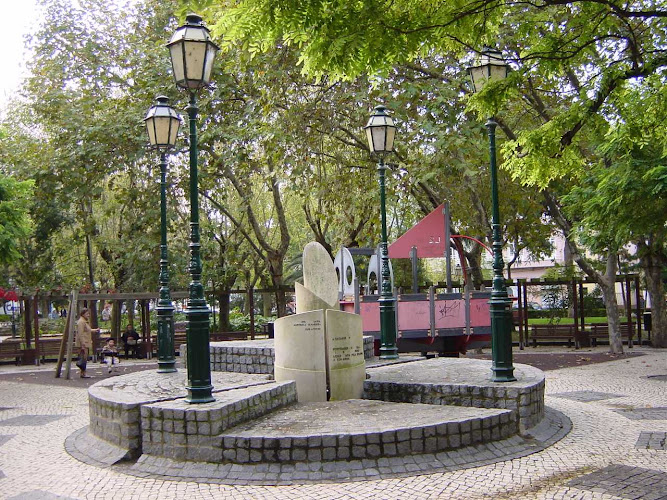
Parque Catarina Eufémia
Find Accommodations Nearby
Recommended Tours & Activities
Visitor Reviews
There are no reviews yet. Be the first one to write one.
Share Your Experience
Have you visited Moinho de Maré Pequeno – Centro Interpretativo? Help other travelers by leaving a review.