
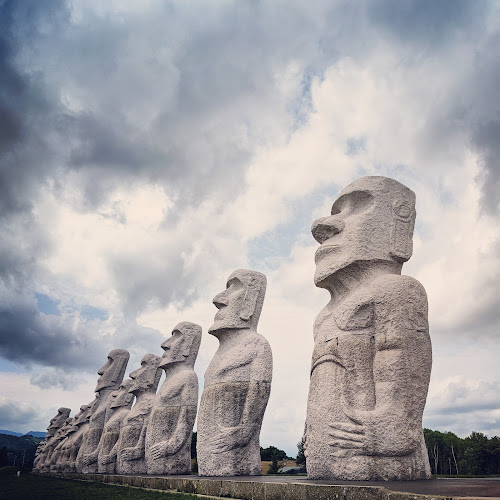
Moai Statue
About Moai Statue
Description
The Moai Statue in Sapporo is one of those places that makes you pause for a second and think, “Wait, am I still in Japan?” It’s an unexpected sight — a towering replica inspired by the mysterious stone figures of Easter Island, standing quietly amid the soft hills of a Japanese cemetery. I remember the first time I saw it; the sheer scale of the statue caught me off guard. It’s not just big — it’s imposing in a strangely calming way. There’s something about its stillness that makes you reflect, even if you didn’t plan to.
This Moai Statue isn’t just a random art piece. It’s part of a larger spiritual complex designed by the famous architect Tadao Ando, known for his minimalist style that plays with light, shadow, and silence. The statue stands as a guardian of sorts, facing the sky with that familiar stoic expression. Some visitors say it feels almost alive, watching over the land. And honestly, I kind of get that feeling too — it’s eerie but beautiful.
The area around the statue is peaceful, with clean paths, gentle slopes, and a sense of order that only Japan seems to perfect. It’s not crowded most of the time, which makes it ideal for travelers who prefer quiet exploration over tourist-packed attractions. Families often stop by, and you’ll see kids running around the open spaces while adults take photos or simply sit and admire the view. It’s surprisingly accessible too, with wheelchair-friendly paths and nearby amenities that make a visit comfortable for everyone.
While some people come here expecting a grand, museum-like experience, it’s more about atmosphere than spectacle. The Moai Statue is a place that invites you to slow down, breathe, and maybe think about the bigger picture — whatever that means for you. It’s not perfect, of course. Some visitors find it a bit underwhelming or too quiet, but for those who appreciate art, architecture, and a touch of the mysterious, it’s an unforgettable stop in Sapporo.
Key Features
- Massive Moai replica designed within a serene, landscaped environment
- Created by renowned architect Tadao Ando, blending art and spirituality
- Peaceful surroundings ideal for reflection and photography
- Wheelchair-accessible entrance and parking for easy access
- Restrooms and facilities available on-site
- Suitable for families and children
- Part of a larger spiritual and cultural site in Sapporo
Best Time to Visit
If you ask me, spring and autumn are the best times to visit the Moai Statue. In spring, the air feels fresh, and the surrounding greenery starts to wake up after the long Hokkaido winter. There’s something poetic about seeing the statue framed by soft cherry blossoms — it’s a moment that feels both surreal and peaceful. Autumn, on the other hand, brings a completely different charm. The trees around the area turn shades of gold and crimson, and the crisp air makes walking around the site feel invigorating.
Summer can be nice too, especially if you don’t mind a bit of heat. The longer daylight hours give you more time to explore, and the blue sky makes for striking photographs. Winter, though, is a special kind of magic. The statue covered in snow looks otherworldly — like a guardian frozen in time. But be prepared for cold winds and icy paths; it’s beautiful but not for the faint-hearted.
If you prefer fewer crowds, go early in the morning or on a weekday. There’s a quiet calm before the trickle of visitors arrives, and you can really feel the meditative energy of the place. I once visited just after sunrise, and the soft light hitting the statue made it look almost alive. That’s the kind of memory that sticks with you long after you’ve left.
How to Get There
Reaching the Moai Statue is quite straightforward, though it does require a bit of planning. Most travelers start from central Sapporo and make their way south toward the site. You can take public transport — a combination of subway and bus — or rent a car if you prefer flexibility. Personally, I recommend the car option. The drive through Hokkaido’s countryside is scenic, and you can stop at a few local spots along the way for snacks or photos.
If you’re using public transportation, the local buses are reliable and comfortable, though schedules may vary depending on the season. Taxis are another option, especially if you’re traveling in a small group and want to save time. The route is well-signposted, and you’ll know you’re close when you start seeing the statue’s silhouette rising in the distance — it’s quite a sight, even from afar.
Parking is available nearby, and the paths leading to the statue are well-maintained. The area is designed to be accessible for everyone, so visitors with mobility challenges won’t have trouble navigating. Just make sure to wear comfortable shoes, as you’ll likely want to wander around and take in the views from different angles.
Tips for Visiting
Here’s the thing — the Moai Statue isn’t just a photo-op, though it’s definitely Instagram-worthy. To really appreciate it, give yourself time to slow down. Walk around, sit quietly, and let the atmosphere sink in. It’s a place that rewards patience.
- Bring a camera: The lighting changes throughout the day, and each moment offers a different mood. Morning light is soft and golden, while late afternoon gives the statue a dramatic, almost cinematic look.
- Dress comfortably: The area can get windy, especially in winter, so layer up if you’re visiting then. Comfortable shoes are a must since you’ll be walking on uneven ground in some spots.
- Respect the space: Remember, this is more than just a tourist attraction — it’s a spiritual site. Keep noise to a minimum and avoid climbing on any structures.
- Visit nearby attractions: The Moai Statue is part of a larger complex, so take time to explore the surrounding gardens and structures. Each has its own quiet beauty.
- Plan around weather: Hokkaido’s weather can be unpredictable. A sunny day can turn cloudy in minutes, so check the forecast and bring an umbrella just in case.
- Go early or late: If you want to avoid crowds and capture the best photos, aim for early morning or just before sunset. The lighting is perfect, and the atmosphere feels more intimate.
One last bit of advice — don’t rush. The Moai Statue has a way of revealing itself slowly. At first, you might just see a giant stone figure, but the longer you stay, the more layers you notice — the craftsmanship, the symbolism, the serenity of the place. I’ve been there a few times now, and each visit feels a little different. Maybe that’s what makes it special. It’s not about what you see, but how you feel when you’re standing there, face to face with something ancient and quietly powerful.
Key Features
- Massive Moai replica designed within a serene, landscaped environment
- Created by renowned architect Tadao Ando, blending art and spirituality
- Peaceful surroundings ideal for reflection and photography
- Wheelchair-accessible entrance and parking for easy access
- Restrooms and facilities available on-site
- Suitable for families and children
- Part of a larger spiritual and cultural site in Sapporo
More Details
Updated October 11, 2025
Table of Contents
Description
The Moai Statue in Sapporo is one of those places that makes you pause for a second and think, “Wait, am I still in Japan?” It’s an unexpected sight — a towering replica inspired by the mysterious stone figures of Easter Island, standing quietly amid the soft hills of a Japanese cemetery. I remember the first time I saw it; the sheer scale of the statue caught me off guard. It’s not just big — it’s imposing in a strangely calming way. There’s something about its stillness that makes you reflect, even if you didn’t plan to.
This Moai Statue isn’t just a random art piece. It’s part of a larger spiritual complex designed by the famous architect Tadao Ando, known for his minimalist style that plays with light, shadow, and silence. The statue stands as a guardian of sorts, facing the sky with that familiar stoic expression. Some visitors say it feels almost alive, watching over the land. And honestly, I kind of get that feeling too — it’s eerie but beautiful.
The area around the statue is peaceful, with clean paths, gentle slopes, and a sense of order that only Japan seems to perfect. It’s not crowded most of the time, which makes it ideal for travelers who prefer quiet exploration over tourist-packed attractions. Families often stop by, and you’ll see kids running around the open spaces while adults take photos or simply sit and admire the view. It’s surprisingly accessible too, with wheelchair-friendly paths and nearby amenities that make a visit comfortable for everyone.
While some people come here expecting a grand, museum-like experience, it’s more about atmosphere than spectacle. The Moai Statue is a place that invites you to slow down, breathe, and maybe think about the bigger picture — whatever that means for you. It’s not perfect, of course. Some visitors find it a bit underwhelming or too quiet, but for those who appreciate art, architecture, and a touch of the mysterious, it’s an unforgettable stop in Sapporo.
Key Features
- Massive Moai replica designed within a serene, landscaped environment
- Created by renowned architect Tadao Ando, blending art and spirituality
- Peaceful surroundings ideal for reflection and photography
- Wheelchair-accessible entrance and parking for easy access
- Restrooms and facilities available on-site
- Suitable for families and children
- Part of a larger spiritual and cultural site in Sapporo
Best Time to Visit
If you ask me, spring and autumn are the best times to visit the Moai Statue. In spring, the air feels fresh, and the surrounding greenery starts to wake up after the long Hokkaido winter. There’s something poetic about seeing the statue framed by soft cherry blossoms — it’s a moment that feels both surreal and peaceful. Autumn, on the other hand, brings a completely different charm. The trees around the area turn shades of gold and crimson, and the crisp air makes walking around the site feel invigorating.
Summer can be nice too, especially if you don’t mind a bit of heat. The longer daylight hours give you more time to explore, and the blue sky makes for striking photographs. Winter, though, is a special kind of magic. The statue covered in snow looks otherworldly — like a guardian frozen in time. But be prepared for cold winds and icy paths; it’s beautiful but not for the faint-hearted.
If you prefer fewer crowds, go early in the morning or on a weekday. There’s a quiet calm before the trickle of visitors arrives, and you can really feel the meditative energy of the place. I once visited just after sunrise, and the soft light hitting the statue made it look almost alive. That’s the kind of memory that sticks with you long after you’ve left.
How to Get There
Reaching the Moai Statue is quite straightforward, though it does require a bit of planning. Most travelers start from central Sapporo and make their way south toward the site. You can take public transport — a combination of subway and bus — or rent a car if you prefer flexibility. Personally, I recommend the car option. The drive through Hokkaido’s countryside is scenic, and you can stop at a few local spots along the way for snacks or photos.
If you’re using public transportation, the local buses are reliable and comfortable, though schedules may vary depending on the season. Taxis are another option, especially if you’re traveling in a small group and want to save time. The route is well-signposted, and you’ll know you’re close when you start seeing the statue’s silhouette rising in the distance — it’s quite a sight, even from afar.
Parking is available nearby, and the paths leading to the statue are well-maintained. The area is designed to be accessible for everyone, so visitors with mobility challenges won’t have trouble navigating. Just make sure to wear comfortable shoes, as you’ll likely want to wander around and take in the views from different angles.
Tips for Visiting
Here’s the thing — the Moai Statue isn’t just a photo-op, though it’s definitely Instagram-worthy. To really appreciate it, give yourself time to slow down. Walk around, sit quietly, and let the atmosphere sink in. It’s a place that rewards patience.
- Bring a camera: The lighting changes throughout the day, and each moment offers a different mood. Morning light is soft and golden, while late afternoon gives the statue a dramatic, almost cinematic look.
- Dress comfortably: The area can get windy, especially in winter, so layer up if you’re visiting then. Comfortable shoes are a must since you’ll be walking on uneven ground in some spots.
- Respect the space: Remember, this is more than just a tourist attraction — it’s a spiritual site. Keep noise to a minimum and avoid climbing on any structures.
- Visit nearby attractions: The Moai Statue is part of a larger complex, so take time to explore the surrounding gardens and structures. Each has its own quiet beauty.
- Plan around weather: Hokkaido’s weather can be unpredictable. A sunny day can turn cloudy in minutes, so check the forecast and bring an umbrella just in case.
- Go early or late: If you want to avoid crowds and capture the best photos, aim for early morning or just before sunset. The lighting is perfect, and the atmosphere feels more intimate.
One last bit of advice — don’t rush. The Moai Statue has a way of revealing itself slowly. At first, you might just see a giant stone figure, but the longer you stay, the more layers you notice — the craftsmanship, the symbolism, the serenity of the place. I’ve been there a few times now, and each visit feels a little different. Maybe that’s what makes it special. It’s not about what you see, but how you feel when you’re standing there, face to face with something ancient and quietly powerful.
Key Highlights
- Massive Moai replica designed within a serene, landscaped environment
- Created by renowned architect Tadao Ando, blending art and spirituality
- Peaceful surroundings ideal for reflection and photography
- Wheelchair-accessible entrance and parking for easy access
- Restrooms and facilities available on-site
- Suitable for families and children
- Part of a larger spiritual and cultural site in Sapporo
Location
Places to Stay Near Moai Statue
Find and Book a Tour
Explore More Travel Guides
No reviews found! Be the first to review!
Traveler Reviews for Moai Statue
There are no reviews yet. Be the first one to write one.
Have you visited Moai Statue? Help other travelers by sharing your review.
You Might Also Like

Sapporo Kokusai Ski Resort
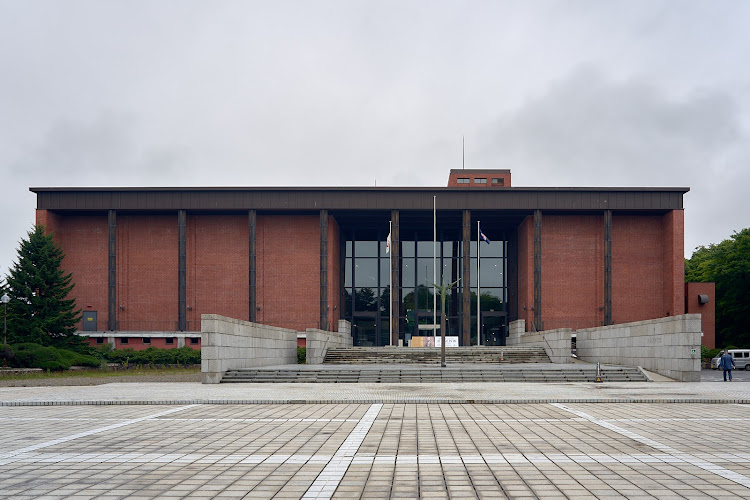
Hokkaido Museum

Asahiyama Memorial Park
Find Accommodations Nearby
Recommended Tours & Activities
Visitor Reviews
There are no reviews yet. Be the first one to write one.
Share Your Experience
Have you visited Moai Statue? Help other travelers by leaving a review.