
Mimo Shrine
About Mimo Shrine
Description
Mimo Shrine is one of those places that doesn’t shout for attention, and honestly, that’s part of its charm. Travelers who make the effort to visit usually come away with a quiet kind of satisfaction, like you’ve discovered something genuine rather than something built for crowds. It’s a Shinto shrine first and foremost, still used by locals for everyday prayers, seasonal rituals, and family milestones. And yes, visitors are welcome, but you’re stepping into a living space, not a museum display.
The grounds feel grounded, if that makes sense. Not flashy, not overly polished. There’s weathered wood, stone lanterns that have clearly seen decades of rain, and a layout that encourages you to slow down without someone telling you to. I remember my first visit thinking it would be a quick stop, ten minutes maybe. I stayed nearly an hour, mostly because it felt rude to rush. The air had that calm, slightly earthy smell you get after it rains, and the only sound was leaves shifting overhead.
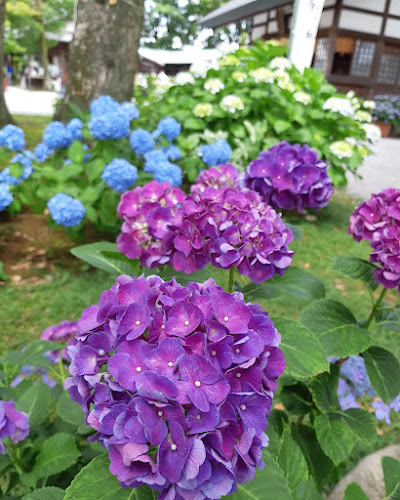
One of the big seasonal draws here is hydrangea macrophylla, which bloom around early summer. They don’t appear in neat rows or staged photo spots. Instead, they grow where hydrangeas actually want to grow, along paths, near old stone steps, sometimes half-hidden. The colors shift from soft blues to purples depending on the soil, and if you’re into photography, this is the kind of light you hope for without planning it. Soft, uneven, forgiving.
Now, to be fair, Mimo Shrine isn’t perfect. Some visitors expect grand architecture or dramatic views and leave a bit underwhelmed. Others wish the paths were smoother or more accessible. But for travelers who value atmosphere over spectacle, this shrine lands right in the sweet spot. It’s a place where you observe more than consume, and where being quiet feels natural, not forced.
Key Features
- Traditional Shinto shrine grounds that still serve the local community daily
- Seasonal hydrangea macrophylla displays that feel organic, not staged
- Stone lanterns, torii gate, and shrine buildings with visible age and character
- Peaceful walking paths ideal for slow exploration and reflection
- On-site restrooms, which honestly matter more than guidebooks admit
- Less crowded than major tourist shrines, even during peak seasons
- Subtle spiritual atmosphere without heavy-handed explanations or signs
Best Time to Visit
If timing matters to you, and it probably does, early summer is the standout season thanks to the hydrangeas. Late May through June is when hydrangea macrophylla takes over parts of the grounds, and the shrine feels especially alive. There’s a gentle buzz then, but not the overwhelming kind. You’ll see a mix of locals, photographers, and travelers who did their homework.
Autumn is another strong contender. The trees don’t put on a dramatic fireworks show like some famous spots, but the colors change slowly and beautifully. I visited once in late October, and the leaves were just starting to turn. It felt like arriving right before a secret was fully revealed. Winter, on the other hand, is quiet to the point of near solitude. Cold, yes, but also deeply peaceful.
As for time of day, mornings win. Not because it’s trendy advice, but because the light is softer and the shrine feels like it’s waking up. Late afternoons can be nice too, especially when shadows stretch across the paths. Midday is fine, just less magical. And if it’s raining, don’t cancel. Some of my best shrine visits in Japan happened under an umbrella, shoes slightly wet, spirits oddly lifted.
How to Get There
Getting to Mimo Shrine usually involves a mix of train travel and a short walk, depending on where you’re coming from. Most travelers arrive via regional train lines and then follow local signage or a navigation app. The walk itself is part of the experience. Streets get quieter as you approach, and the shift in atmosphere is noticeable.
Buses are an option as well, particularly if you’re staying nearby. Just be aware that schedules can thin out during off-peak hours. If you’re driving, parking is limited and not always obvious, so patience helps. And no, it’s not particularly wheelchair-friendly, which is worth knowing upfront. Paths are uneven in places, and accessibility features are minimal.
I’ll add this: getting slightly lost isn’t a bad thing here. On my second visit, I took a wrong turn and ended up walking through a residential area where an elderly man was tending his garden. He nodded, I nodded back, and it felt oddly fitting. That’s the kind of place Mimo Shrine exists in. Not isolated, just quietly integrated.
Tips for Visiting
First, treat it like a place of worship, because it is. That means keeping voices low, observing basic shrine etiquette, and not blocking paths for photos. You don’t need to know every rule, just follow the general vibe. Watch what locals do and mirror that. Easy.
Wear comfortable shoes. This sounds obvious, but uneven stone paths can sneak up on you. Especially after rain. And if you’re visiting during hydrangea season, give yourself time to wander slowly. Rushing defeats the whole point.
Bring cash if you plan to make an offering or buy a small charm. Not everything runs on cards here, and that’s kind of refreshing. Also, use the restroom when you see it. Trust me on this one.
Photography is welcome, but don’t get obsessive. I’ve seen travelers spend more time adjusting lenses than actually looking around. Take a few shots, then put the camera down. Let the place work on you a bit. And if you’re traveling with kids, this shrine works surprisingly well. It’s calm but not restrictive, and there’s space to breathe.
Finally, manage expectations. Mimo Shrine isn’t about wow moments or ticking off famous landmarks. It’s about subtlety, mood, and presence. If you arrive open to that, you’ll likely leave feeling lighter than when you came. And that, in my book, is a successful travel experience, typos and all.
Key Features
- Traditional Shinto shrine grounds that still serve the local community daily
- Seasonal hydrangea macrophylla displays that feel organic, not staged
- Stone lanterns, torii gate, and shrine buildings with visible age and character
- Peaceful walking paths ideal for slow exploration and reflection
- On-site restrooms, which honestly matter more than guidebooks admit
- Less crowded than major tourist shrines, even during peak seasons
- Subtle spiritual atmosphere without heavy-handed explanations or signs
More Details
Updated December 31, 2025
Table of Contents
Description
Mimo Shrine is one of those places that doesn’t shout for attention, and honestly, that’s part of its charm. Travelers who make the effort to visit usually come away with a quiet kind of satisfaction, like you’ve discovered something genuine rather than something built for crowds. It’s a Shinto shrine first and foremost, still used by locals for everyday prayers, seasonal rituals, and family milestones. And yes, visitors are welcome, but you’re stepping into a living space, not a museum display.
The grounds feel grounded, if that makes sense. Not flashy, not overly polished. There’s weathered wood, stone lanterns that have clearly seen decades of rain, and a layout that encourages you to slow down without someone telling you to. I remember my first visit thinking it would be a quick stop, ten minutes maybe. I stayed nearly an hour, mostly because it felt rude to rush. The air had that calm, slightly earthy smell you get after it rains, and the only sound was leaves shifting overhead.
One of the big seasonal draws here is hydrangea macrophylla, which bloom around early summer. They don’t appear in neat rows or staged photo spots. Instead, they grow where hydrangeas actually want to grow, along paths, near old stone steps, sometimes half-hidden. The colors shift from soft blues to purples depending on the soil, and if you’re into photography, this is the kind of light you hope for without planning it. Soft, uneven, forgiving.
Now, to be fair, Mimo Shrine isn’t perfect. Some visitors expect grand architecture or dramatic views and leave a bit underwhelmed. Others wish the paths were smoother or more accessible. But for travelers who value atmosphere over spectacle, this shrine lands right in the sweet spot. It’s a place where you observe more than consume, and where being quiet feels natural, not forced.
Key Features
- Traditional Shinto shrine grounds that still serve the local community daily
- Seasonal hydrangea macrophylla displays that feel organic, not staged
- Stone lanterns, torii gate, and shrine buildings with visible age and character
- Peaceful walking paths ideal for slow exploration and reflection
- On-site restrooms, which honestly matter more than guidebooks admit
- Less crowded than major tourist shrines, even during peak seasons
- Subtle spiritual atmosphere without heavy-handed explanations or signs
Best Time to Visit
If timing matters to you, and it probably does, early summer is the standout season thanks to the hydrangeas. Late May through June is when hydrangea macrophylla takes over parts of the grounds, and the shrine feels especially alive. There’s a gentle buzz then, but not the overwhelming kind. You’ll see a mix of locals, photographers, and travelers who did their homework.
Autumn is another strong contender. The trees don’t put on a dramatic fireworks show like some famous spots, but the colors change slowly and beautifully. I visited once in late October, and the leaves were just starting to turn. It felt like arriving right before a secret was fully revealed. Winter, on the other hand, is quiet to the point of near solitude. Cold, yes, but also deeply peaceful.
As for time of day, mornings win. Not because it’s trendy advice, but because the light is softer and the shrine feels like it’s waking up. Late afternoons can be nice too, especially when shadows stretch across the paths. Midday is fine, just less magical. And if it’s raining, don’t cancel. Some of my best shrine visits in Japan happened under an umbrella, shoes slightly wet, spirits oddly lifted.
How to Get There
Getting to Mimo Shrine usually involves a mix of train travel and a short walk, depending on where you’re coming from. Most travelers arrive via regional train lines and then follow local signage or a navigation app. The walk itself is part of the experience. Streets get quieter as you approach, and the shift in atmosphere is noticeable.
Buses are an option as well, particularly if you’re staying nearby. Just be aware that schedules can thin out during off-peak hours. If you’re driving, parking is limited and not always obvious, so patience helps. And no, it’s not particularly wheelchair-friendly, which is worth knowing upfront. Paths are uneven in places, and accessibility features are minimal.
I’ll add this: getting slightly lost isn’t a bad thing here. On my second visit, I took a wrong turn and ended up walking through a residential area where an elderly man was tending his garden. He nodded, I nodded back, and it felt oddly fitting. That’s the kind of place Mimo Shrine exists in. Not isolated, just quietly integrated.
Tips for Visiting
First, treat it like a place of worship, because it is. That means keeping voices low, observing basic shrine etiquette, and not blocking paths for photos. You don’t need to know every rule, just follow the general vibe. Watch what locals do and mirror that. Easy.
Wear comfortable shoes. This sounds obvious, but uneven stone paths can sneak up on you. Especially after rain. And if you’re visiting during hydrangea season, give yourself time to wander slowly. Rushing defeats the whole point.
Bring cash if you plan to make an offering or buy a small charm. Not everything runs on cards here, and that’s kind of refreshing. Also, use the restroom when you see it. Trust me on this one.
Photography is welcome, but don’t get obsessive. I’ve seen travelers spend more time adjusting lenses than actually looking around. Take a few shots, then put the camera down. Let the place work on you a bit. And if you’re traveling with kids, this shrine works surprisingly well. It’s calm but not restrictive, and there’s space to breathe.
Finally, manage expectations. Mimo Shrine isn’t about wow moments or ticking off famous landmarks. It’s about subtlety, mood, and presence. If you arrive open to that, you’ll likely leave feeling lighter than when you came. And that, in my book, is a successful travel experience, typos and all.
Key Highlights
- Traditional Shinto shrine grounds that still serve the local community daily
- Seasonal hydrangea macrophylla displays that feel organic, not staged
- Stone lanterns, torii gate, and shrine buildings with visible age and character
- Peaceful walking paths ideal for slow exploration and reflection
- On-site restrooms, which honestly matter more than guidebooks admit
- Less crowded than major tourist shrines, even during peak seasons
- Subtle spiritual atmosphere without heavy-handed explanations or signs
Location
Places to Stay Near Mimo Shrine
Find and Book a Tour
Explore More Travel Guides
No reviews found! Be the first to review!
Traveler Reviews for Mimo Shrine
There are no reviews yet. Be the first one to write one.
Have you visited Mimo Shrine? Help other travelers by sharing your review.
You Might Also Like

Ichinomiya

Ichinomiya City Museum
Hokojihigashi Kisogawacho Kuroda
Find Accommodations Nearby
Recommended Tours & Activities
Visitor Reviews
There are no reviews yet. Be the first one to write one.
Share Your Experience
Have you visited Mimo Shrine? Help other travelers by leaving a review.